How Foundation Problems Can Impact Doors and Windows
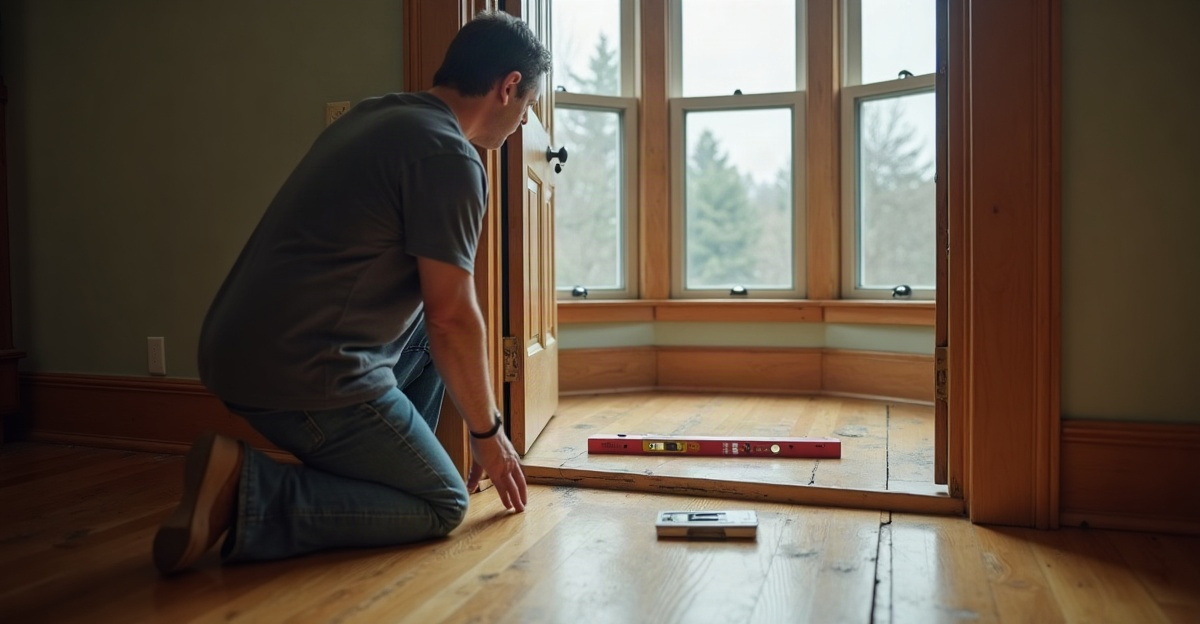
Foundation problems can affect doors and windows when uneven movement forces wall openings out of square. This can cause sticking, uneven gaps, latching problems, and hard-to-operate windows. Humidity, worn hardware, or poor installation can cause an isolated issue. However, recurring or widespread changes with cracks, sloping floors, or moisture issues call for a qualified evaluation.
Key Takeaways
- Differential settlement, heave, and soil movement can alter the shape and alignment of door and window openings.
- Repeated sticking doors, misaligned locks, binding windows, and separating trim raise greater concern when several openings show the same pattern.
- Diagonal cracks near openings, uneven floors, visible foundation damage, and gaps along exterior connections can indicate structural movement.
- Poor drainage, standing water, frost, and seasonal soil moisture changes can contribute to foundation movement, especially in Minnesota.
- We recommend documenting affected openings, cracks, and drainage conditions over time. Schedule a professional assessment if symptoms worsen or repairs fail to last.
Can Doors and Windows Foundation Problems Be Connected?
Foundation movement can affect doors and windows because uneven support can cause different parts of a structure to settle, rise, or shift at different rates. Doors and windows foundation problems often begin when wall openings no longer stay square.
When one area of a foundation moves differently from another, door and window openings can rack out of square. Clearances around a door slab or window sash become uneven. That can lead to sticking, visible gaps, latching trouble, cracked trim, and windows that are difficult to operate.
Differential settlement occurs when one portion of a foundation settles more than another. Heave is upward movement that can relate to soil expansion, frost, or changing moisture conditions. Racking happens when a rectangular wall opening shifts closer to a parallelogram shape. Underpinning strengthens or stabilizes an existing foundation by transferring support to suitable soil or another engineered support system.
A single sticking door does not prove foundation movement. Humidity, hinge wear, paint buildup, and installation issues can cause the same symptom. We pay closer attention when several symptoms appear together, return after adjustment, worsen over time, or affect the same area of the home. Those patterns can be meaningful structural shifting signs.
Door and Window Changes That May Point to Structural Movement
As a wall opening shifts, the door frame or window frame can twist slightly. Even small changes affect the space around a door slab or window sash. Frame misalignment can make a door scrape at one corner, create uneven windows, or leave a lock unable to line up with its strike plate.
The following practical comparison can help separate routine maintenance needs from symptoms that may warrant a closer look.
Comparing Common Door and Window Symptoms
- What we notice: A single sticky interior door.
Possible non-structural causes: Seasonal humidity, wood swelling, worn hinges, loose screws, or paint buildup.
When it may be more concerning: The issue returns after repair, affects nearby openings, or appears with cracks and floor changes.
Reasonable next step: Tighten hinge screws, check for rubbing, and track whether the condition changes.
- What we notice: Recurring latching problems or doors that will not latch.
Possible non-structural causes: Loose hinges, a shifted strike plate, damaged hardware, or poor original installation.
When it may be more concerning: Several doors lose alignment, adjustments do not hold, or gaps around the frames become uneven.
Reasonable next step: Correct basic hardware issues, then schedule a foundation evaluation if the problem persists.
- What we notice: Windows binding in multiple rooms.
Possible non-structural causes: Painted-shut sashes, worn balances, damaged hardware, or seasonal wood movement.
When it may be more concerning: Windows are difficult to open in several areas, locks no longer align, or trim separates from walls.
Reasonable next step: Avoid forcing the windows and document each affected opening.
- What we notice: Diagonal drywall cracks near door and window corners.
Possible non-structural causes: Minor normal settlement, drying shrinkage, or localized framing movement.
When it may be more concerning: Cracks grow, recur after patching, or appear with sticking doors and sloping floors.
Reasonable next step: Photograph the cracks with dates and arrange a professional assessment if they progress.
- What we notice: Doors or windows change after heavy rain or seasonal shifts.
Possible non-structural causes: Humidity, swelling materials, or temporary moisture changes.
When it may be more concerning: Changes become more severe each season or occur alongside water pooling near the foundation.
Reasonable next step: Inspect drainage, gutters, and downspouts while monitoring the pattern.
Repeated sticking doors, uneven windows, and recurring alignment trouble deserve attention because they can reflect changes in the framing or support below it. We recommend tracking patterns instead of treating every symptom as isolated.
When a Sticking Door or Difficult Window Is Probably Not a Foundation Issue
Sticking doors and uneven windows do not always indicate a foundation concern. Wood expands with seasonal humidity. Hinge screws loosen with daily use. Paint can build up along the edges of a door or window. Hardware can wear out, and a poorly installed frame may never have had proper clearance.
A door that sticks during humid weather but works normally during dry months may have a moisture-related maintenance issue. A door that operates correctly after a door hinge adjustment, tightening loose screws, or removing excess paint may not point to structural movement.
Minor settling can also occur as a home ages. Normal settlement does not necessarily require foundation repair. The concern increases when multiple doors and windows develop problems, adjustments stop lasting, symptoms spread through the home, or changes become more pronounced.
An on-site evaluation is the only way to identify the cause and appropriate solution for a specific property. We look at the full pattern, including framing, floors, cracks, drainage, foundation condition, and the history of changes.
Structural Shifting Signs to Watch For
Foundation concerns become more plausible when door and window issues appear with other foundation settlement signs. Widespread, progressive, or clustered symptoms generally matter more than a single cosmetic crack or one sticky door.
Watch for new or growing drywall or plaster cracks, especially around openings. Diagonal cracks near doors and windows may develop as an opening shifts. Sloping floors, sagging areas, and noticeably uneven floors can also indicate movement that deserves review. Our guide to uneven floor causes explains why floor changes should be assessed in context.
Other concerns can include gaps at trim, exterior cladding, or connections where an addition meets the main home. Visible foundation wall cracks, bowing, displacement, or deterioration may also warrant evaluation. Small cracks should not automatically be dismissed, particularly if they grow or occur with other symptoms. We cover that issue in our article on small foundation cracks.
Persistent moisture matters as well. Water pooling near the foundation, gutter overflow, poor drainage, and wet areas near exterior walls can change soil moisture conditions. Movement can also show up at an addition, garage, porch, or deck connection, where separate sections may respond differently to changing support conditions.
Foundation problems often become more involved when movement continues. Our overview of progressive foundation problems explains why monitoring and timely evaluation matter.
Why Drainage, Frost, and Seasonal Conditions Matter in Bloomington
Bloomington, Minnesota foundation concerns often involve a combination of water management, seasonal conditions, site grading, soil behavior, and the way a structure was built. Across the Twin Cities region and our roughly 100-mile service area, freeze-thaw cycles and frost movement can influence foundations and exterior structures.
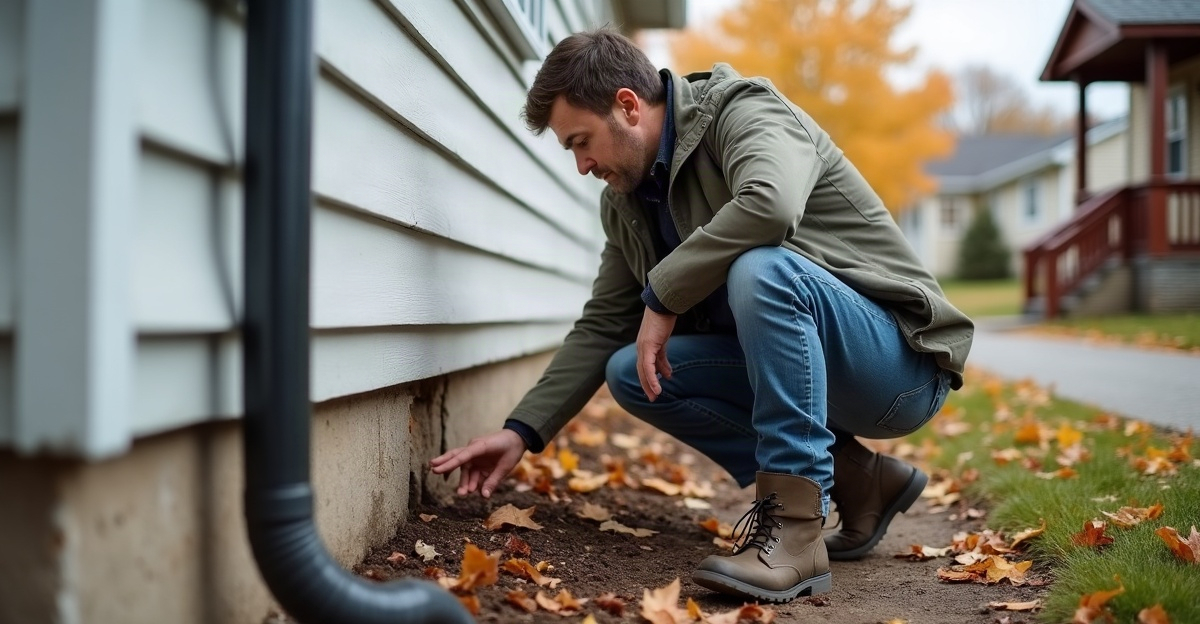
Poor grading can direct runoff back to the home instead of away from it. Clogged gutters may overflow next to the foundation. Short downspouts can discharge roof water too close to exterior walls. Each of these conditions can contribute to moisture changes in the soil near a structure.
We recommend keeping gutters clear, extending downspouts so they direct water away from the home, maintaining functional drainage, and correcting grading that allows water to collect along the foundation. These steps help manage foundation drainage and reduce water pooling near foundation walls.
Drainage corrections can help limit conditions that contribute to continued movement. They may not, however, correct an existing structural issue or restore support that has already been lost. Soil conditions, structure loads, drainage, and construction details all need review together. Learn more about soil and foundation stability and the common causes of foundation settlement in Minnesota.
What to Document and When to Schedule a Professional Evaluation
Documenting changes gives us a clearer picture of what is happening. Check whether doors latch properly and whether gaps around the door slab remain even. Open and close windows gently, then note which rooms and openings are affected. Photograph cracks, trim gaps, and frame alignment with dates so changes can be compared over time.
Record whether symptoms are seasonal, sudden, or progressively worsening. Inspect for gutter overflow, short downspout discharge, negative grading, and standing water near the foundation. We can also address straightforward maintenance items, such as loose hinge screws, worn hardware, or clogged gutters, where appropriate.
Do not excavate around the foundation, jack up the structure, attempt structural repairs, or install support systems without qualified guidance. Improper work can create new damage and make an accurate assessment harder.
We recommend a qualified foundation contractor, structural engineer, or building professional when changes are widespread, progressive, recurring after routine adjustment, or combined with cracks, floor-level changes, visible foundation damage, moisture concerns, or movement at an addition, garage, porch, or deck connection. Our overview of foundation repair signs can help identify patterns worth documenting.
Potential repair paths may include maintenance and drainage corrections, framing or door adjustments, and engineered foundation support when conditions warrant it. Helical piers are one potential support option for settlement, inadequate support, new additions, garages, decks, and certain repair needs. Their suitability depends on structural loads, existing conditions, soil capacity, access, drainage, engineering requirements, and findings from an on-site assessment.
Where foundation support is appropriate, our foundation repair stabilization work can address existing support concerns. We also provide foundation support for additions, garage foundation support, and helical pier installation for qualifying projects.
If door and window problems are occurring alongside cracks, floor changes, or visible foundation movement, document what you are seeing and schedule a qualified on-site evaluation. TR Helical Piers can help homeowners, builders, and remodelers understand whether foundation support may be part of the solution for a project in the Bloomington, Minnesota area.