What Are the Most Common Causes of Uneven Floors?
Uneven floors can result from stable framing irregularities in older homes, moisture damage, weakened joists, inadequate supports, or foundation settlement. We recommend a prompt evaluation of the framing, drainage, soil, and foundation support if slopes, dips, soft spots, or bounce appear or worsen. Cracks, sticking doors, and water intrusion also signal potential structural concerns.
Key Takeaways
- Stable, long-standing floor variation may remain cosmetic, but new or worsening unevenness can signal a structural or support issue.
- Localized dips and bouncy areas often indicate problems with joists, beams, subfloors, or interior support posts.
- Moisture, wood rot, insects, and subfloor damage can weaken floor systems without causing foundation failure.
- Differential foundation settlement can cause sloping floors, cracks, trim gaps, sticking doors, and visible foundation movement.
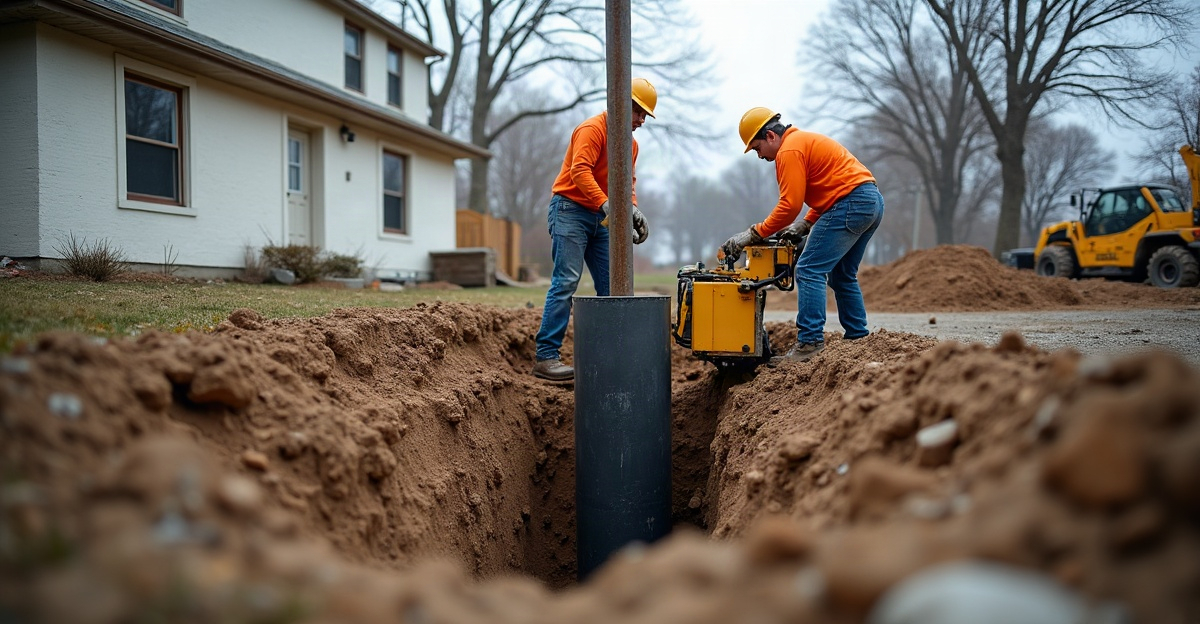
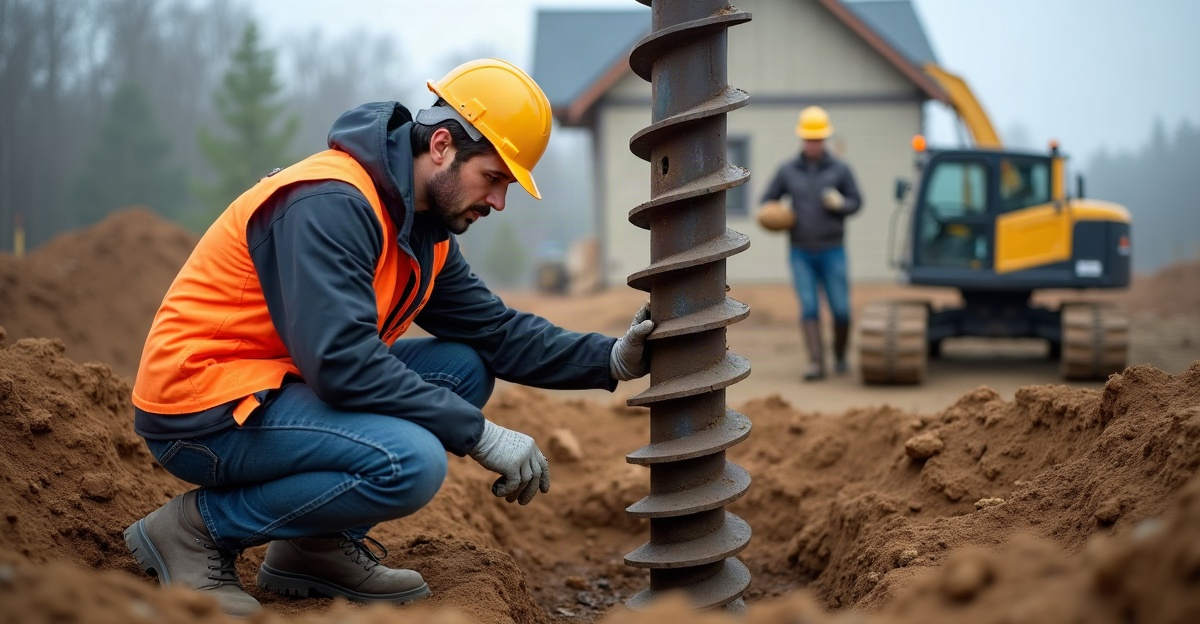
- Effective repairs depend on the cause and may include drainage improvements, framing repairs, foundation stabilization, or helical piers for settling footings.
Why Identifying Uneven Floor Causes Matters
Uneven floor causes can range from minor framing differences to foundation movement. That is why the first step should be finding the source instead of assuming every sloping floor needs the same repair.
Some older homes have floors that have remained slightly uneven for many years without significant change. In other cases, a floor may begin to dip, slope, or feel soft within a shorter period. New or worsening movement deserves closer attention.
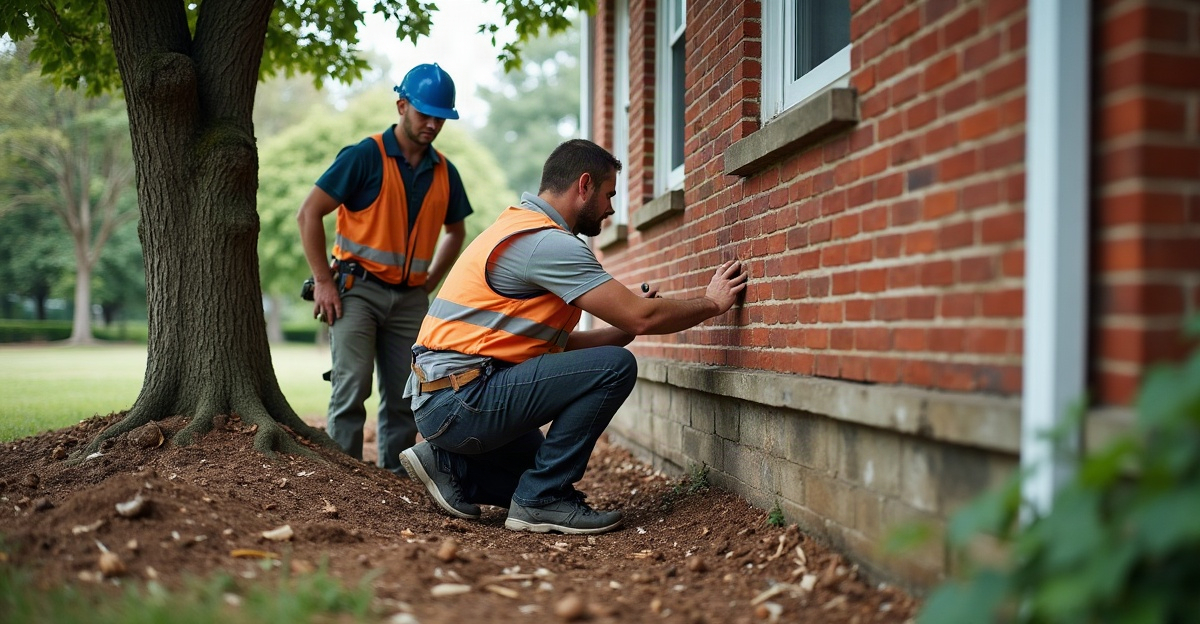
A structural evaluation may include the floor framing, foundation, drainage, soil conditions, and support points. TR Helical Piers can assess foundation-related movement when settlement or inadequate footing support may be contributing to the problem.
Older Homes May Have Long-Standing Floor Variation
Not every uneven floor indicates active structural failure.
Older homes may have small differences in floor height due to original construction methods, material movement, previous remodeling, or decades of minor settlement.
Watch for Changes Over Time
A floor that has remained unchanged for many years may be less concerning than one that is actively becoming worse.
Pay attention to whether:
- The slope is becoming more noticeable
- New cracks are forming
- Doors have started sticking
- Trim gaps are growing
- Floors feel increasingly soft or bouncy
- Windows have become difficult to operate
Documenting changes can help determine whether the condition is stable or ongoing.
Damaged Floor Joists Can Cause Localized Dips
Floor joists support the subfloor and finished flooring above them.
When one or more joists weaken, the floor may develop a dip or soft area in a specific location rather than a broad slope across the room.
Joists may be affected by age, excessive loading, poor modifications, moisture, or damage around plumbing and utility penetrations.
Bouncy Floors May Point to Framing Problems
A floor that flexes when people walk across it can indicate inadequate framing support.
Possible causes include:
- Undersized joists
- Long unsupported spans
- Damaged joists
- Loose connections
- Weak beams
- Improperly placed support posts
These conditions should be evaluated before assuming the foundation itself is moving.
Moisture Can Weaken the Floor System
Water is another common cause of uneven floors.
Leaks, condensation, poor drainage, plumbing failures, and crawl space moisture can damage wood over time.
Repeated moisture exposure may weaken joists, beams, or subfloor panels.
Look for Signs of Water Damage
Possible warning signs include:
- Soft flooring
- Stains
- Musty odors
- Swollen wood
- Rot
- Mold growth
- Sagging areas
Moisture damage can occur even when the foundation remains stable.
Repairing the structural material without correcting the water source can allow the problem to return.
Insects Can Damage Wood Framing
Wood-destroying insects can weaken floor framing and other structural components.
Damage may remain hidden inside joists, beams, or support areas until the floor starts to feel soft or uneven.
An inspection may be needed when wood damage appears alongside insect activity or unexplained deterioration.
Removing the pest source and repairing damaged framing are separate from foundation stabilization.
Inadequate Interior Supports Can Cause Sagging
Many homes use beams, columns, posts, or interior footings to support the floor system.
If these supports settle, shift, deteriorate, or were not designed for the load above them, the floor may sag toward the affected area.
Support Problems Can Affect Several Rooms
A failing beam or support point may create a wider pattern of unevenness than a single damaged joist.
Signs may include:
- Floors sloping toward the center
- Cracks near interior walls
- Gaps around trim
- Bouncy areas across several rooms
- Visible post or beam movement
When a footing beneath a structural support is settling, helical pier installation may be considered as part of a stabilization plan after the cause and load requirements are evaluated.
Foundation Settlement Can Create Sloping Floors
Differential settlement occurs when one section of a foundation moves more than another.
This uneven movement can affect walls, framing, and floors throughout the structure.
Professional foundation repair and stabilization may be necessary when foundation movement is confirmed as the cause.
Look for Other Signs of Settlement
Uneven floors caused by foundation movement may occur with:
- Wall cracks
- Foundation cracks
- Separating trim
- Sticking doors
- Uneven door frames
- Window problems
- Exterior gaps
- Visible foundation movement
One symptom by itself does not confirm settlement. The overall pattern matters.
Soil Conditions Can Affect Foundation Support
Foundation performance depends partly on the soil beneath and around the structure.
Soil can change as moisture levels rise or fall. Poorly compacted fill can also settle over time.
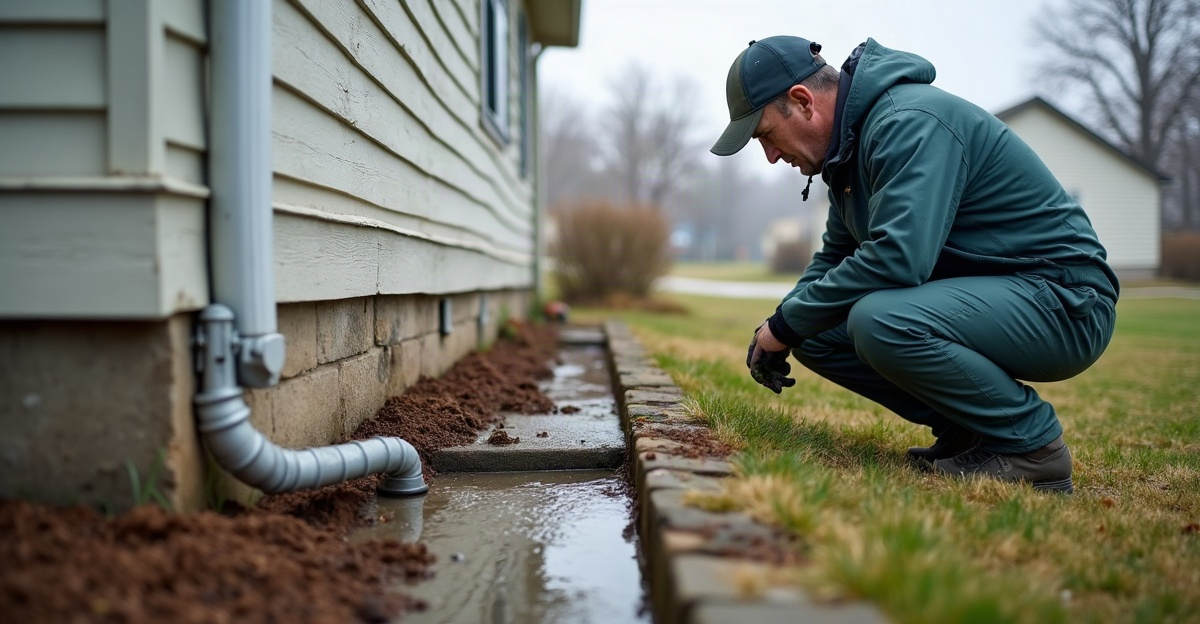
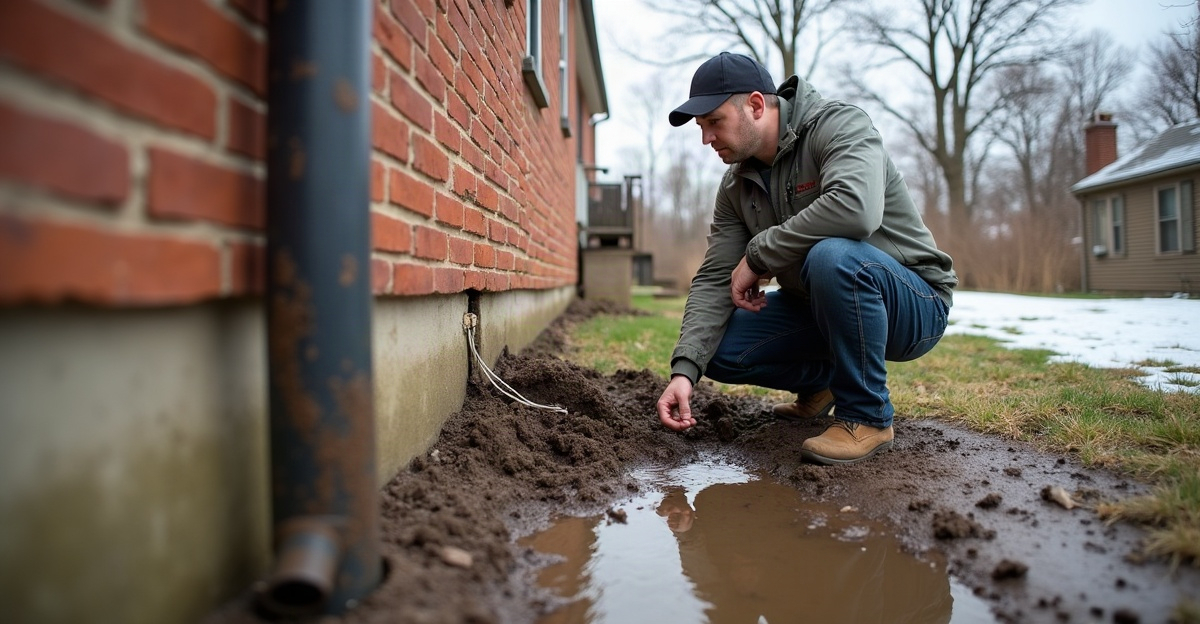
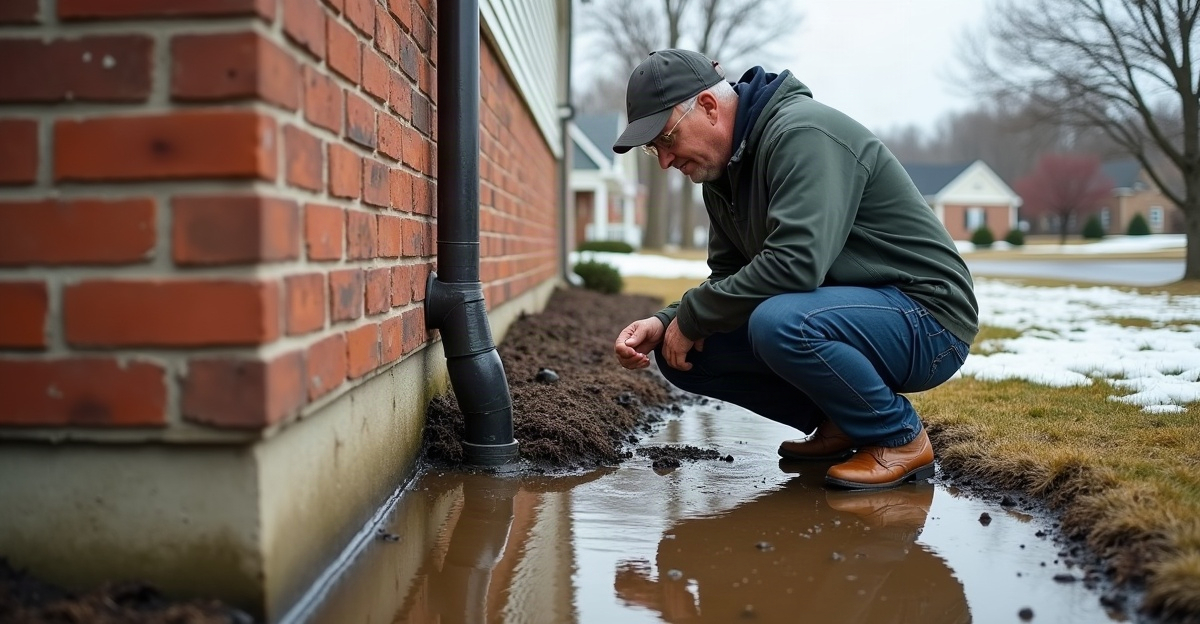
Drainage problems may worsen these conditions by allowing excess water to collect near the foundation.
Drainage Should Be Part of the Evaluation
Check for:
- Water collecting near the home
- Poor grading
- Downspouts discharging near the foundation
- Erosion
- Repeated soil saturation
Correcting drainage may be an important part of preventing further movement, although drainage work alone will not lift or stabilize a foundation that has already settled.
Home Additions Can Develop Uneven Floors
Additions may be supported differently from the original structure.
If an addition has inadequate footings or the supporting soil settles, floors may slope where the old and new sections meet.
Foundation support for additions can be planned where new or existing additions need dependable load support.
Pay Attention to Transition Areas
Movement may be most noticeable where an addition connects to the original home.
Look for floor height differences, cracks, trim separation, or doors that no longer align properly.
These signs can help identify whether the addition is moving independently from the main structure.
Garage Settlement Can Affect Nearby Floors
Attached garages can also experience foundation movement.
Settlement may appear in garage walls, slabs, footings, or adjacent parts of the home.
Professional garage foundation support may be considered when structural support beneath the garage has become inadequate.
Cracks near the connection between a garage and home may deserve evaluation when they appear alongside sloping or uneven interior floors.
Exterior Structures Can Reveal Similar Support Problems
Decks and porches sometimes show settlement before homeowners notice similar issues elsewhere.
Posts may shift, stairs can become uneven, and attached structures may pull away from the building.
Professional deck footing support can address footing-related movement where exterior structures need stronger support.
Although deck movement does not automatically mean the home’s foundation is failing, it can provide useful information about local soil or drainage conditions.
How Uneven Floors Should Be Evaluated
The right repair depends on the actual cause.
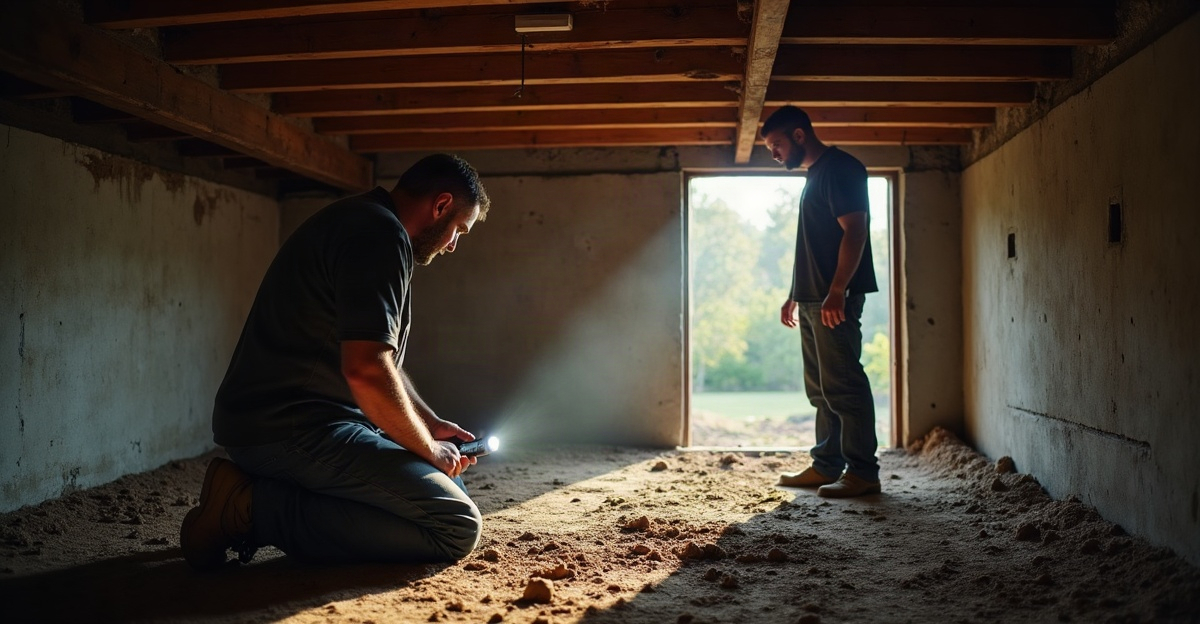
An evaluation may include:
- Measuring floor elevation changes
- Inspecting joists and beams
- Checking interior posts
- Looking for moisture or rot
- Reviewing foundation cracks
- Inspecting drainage
- Evaluating soil conditions
- Checking previous repairs
Property owners can review who we service to learn more about the types of properties and projects that may require helical pier support.
The company’s service area also provides information about locations served.
Repair the Cause, Not Just the Floor Surface
Replacing flooring or adding leveling compound may improve appearance, but these methods do not correct structural movement underneath.
The repair should address the underlying cause first.
Depending on the findings, the solution may involve:
- Improving drainage
- Repairing damaged joists
- Replacing deteriorated subfloor
- Strengthening beams
- Correcting support posts
- Stabilizing foundation footings
- Installing helical piers
The goal is to create stable support before addressing cosmetic floor finishes.
Get Uneven Floors Checked When Conditions Change
Uneven floor causes are not always serious, but new or worsening movement should not be ignored.
A floor that suddenly begins to slope, bounce, dip, or feel soft may indicate changes in the framing or foundation support. Cracks, sticking doors, moisture problems, and visible settlement add further reasons for an inspection.
A proper evaluation can help distinguish cosmetic floor variation from moisture damage, weakened framing, or active foundation settlement.
If you have noticed uneven floors or other signs of structural movement, contact us to discuss an evaluation and possible stabilization options.
Common Questions About Uneven Floors
Are Uneven Floors Normal in an Old House?
They can be. Stable, long-standing variation may result from original construction, normal material movement, or minor framing irregularities. New or worsening changes should be evaluated, especially when other signs of movement appear.
Can Humidity or Moisture Cause Uneven Floors?
Humidity and moisture can cause uneven floors by contributing to wood rot, fungal deterioration, insect activity, subfloor damage, and weakened framing in basements or crawlspaces.
Do Sloping Floors Always Mean Foundation Problems?
Sloping floors do not always mean foundation problems. They can result from framing issues, inadequate support posts, remodeling changes, moisture damage, subfloor failure, or foundation conditions. We need to evaluate the full pattern rather than rely on one symptom.
How Can I Tell Whether an Uneven Floor Is Getting Worse?
To tell whether a floor is getting worse, document the slope, photograph nearby cracks or gaps, note sticking doors or windows, and record changes over time. A changing pattern matters more than a stable imperfection.
Can Foundation Settlement Cause Doors and Windows to Stick?
Foundation settlement can cause doors and windows to stick because differential movement affects wall openings. Still, sticking doors and windows should be considered with other evidence rather than treated as proof of foundation failure.
Can Helical Piers Fix Uneven Floors?
Helical piers may help stabilize a settling footing or foundation when inadequate support is the underlying issue. They do not repair damaged joists, rot, poor interior supports, or subfloor problems.
Should I Call a Foundation Contractor or a Structural Engineer?
A foundation-support contractor is often the right first call when uneven floors appear with cracks, visible settlement, or other movement concerns. A structural engineer may be the better choice for major alterations, complex structural questions, load-path concerns, or cases that require engineering documentation. For additional warning signs, review our guide to foundation repair signs.