How Soil Conditions Affect Foundation Stability?
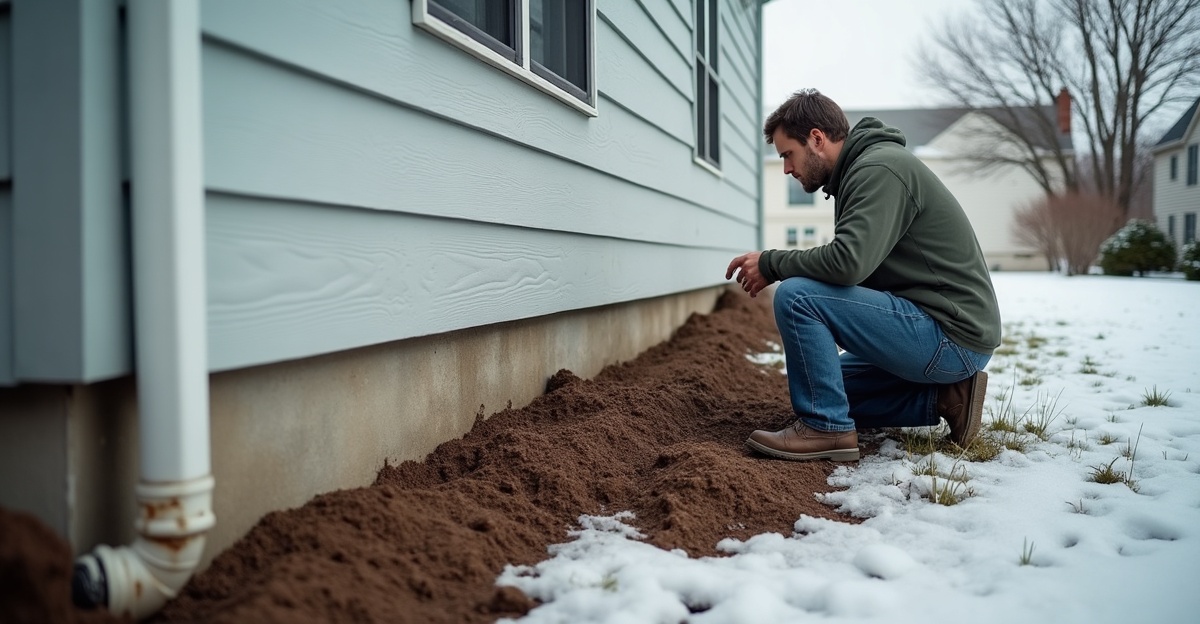
Soil conditions and foundation stability stay directly linked because the ground beneath a structure expands, shrinks, freezes, and settles over time. We see this often in Midwest climates like Minnesota. Clay soils, fill materials, drainage patterns, frost depth, and construction practices all shape how a foundation performs and whether it stays level, cracks, or shifts.
Key Takeaways
- Expansive clay, poorly compacted fill, and organic soils often cause settlement and movement in Midwest foundations.
- Seasonal moisture swings, snowmelt, and freeze-thaw cycles greatly increase frost heave and uneven settling.
- Load-bearing capacity determines whether soil can support footings, slabs, decks, or additions without excessive settlement.
- Shallow footings, poor compaction, and unmanaged drainage frequently lead to foundation movement.
- Proper site preparation, correct footing depth, soil testing, and selecting the right foundation system prevent long-term instability.
The Real-World Impact of Soil Movement on Your Foundation
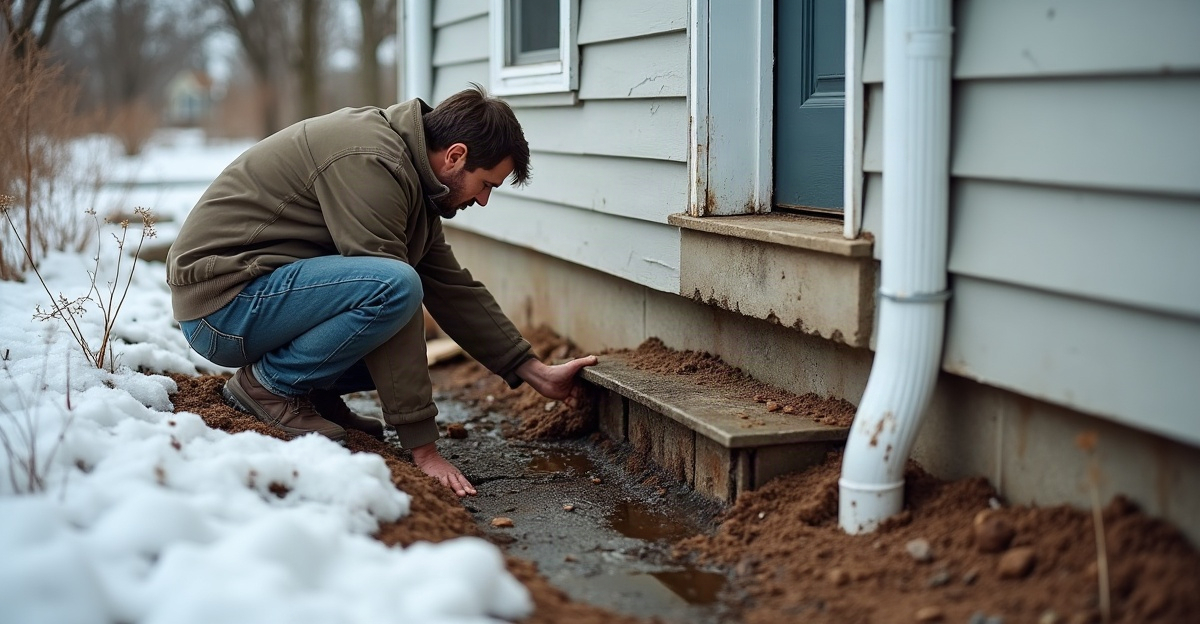
Soil conditions and foundation stability are directly connected, especially in Bloomington, MN and throughout the Midwest. The ground under a structure moves far more than most people realize, and that movement directly affects how a foundation performs over time.
Soil movement foundation damage usually shows up in practical, visible ways:
- Horizontal and stair-step foundation cracks
- Sloping or uneven floors
- Sticking windows and doors
- Tilting decks or porch posts
- Gaps between the foundation and framing
In many cases, the first signs appear inside the house. Floors feel uneven. Interior drywall cracks. Doors bind in their frames. Homeowners often focus on cosmetic repairs long before they suspect foundation soil issues underneath.
These problems rarely happen overnight. Unstable soil problems typically develop gradually due to moisture shifts, frost depth, poor compaction, or drainage patterns. One wet year or one harsh winter will not always cause visible damage. The issue builds over seasons as soils expand, shrink, freeze, and settle.
For homeowners planning a deck, garage, or addition, understanding soil behavior is critical. Many clients we work with are in the consideration phase. They want to know the root cause before deciding on footings, slabs, or deep foundation options. That’s the right approach. Long-term performance starts with understanding what’s happening below grade.
How Midwest Soil Types Influence Structural Performance
Bloomington and surrounding Minnesota communities sit on a mix of challenging soil types. Each behaves differently under load and weather.
Common soil types in this region
Clay soils are common across the metro area. Clay expands when wet and shrinks when dry. That makes it highly reactive to seasonal moisture swings. Expansive clay soils are one of the biggest contributors to movement under slabs and footings.
Sandy soils drain quickly, which can help with water control. But if sand isn’t properly compacted, it can shift or settle under load.
Loam soils are more balanced. They offer decent drainage and moderate stability. Still, drainage and compaction matter. Even good soil performs poorly if installed carelessly.
Fill soils are frequently found under additions, garages, and newer construction. This soil was previously excavated and replaced. If it wasn’t compacted properly in lifts, settlement is likely over time.
Organic material and decomposing fill create another risk. As organic matter breaks down, it loses volume. That loss translates directly into settlement above.
What load-bearing capacity really means
Load-bearing capacity is simply how much weight the soil can support without excessive settlement. Every soil type has limits. If a footing applies more pressure than the soil can handle, it sinks.
Expansive clay combined with seasonal moisture variation creates movement under foundations. Loose or poorly compacted fill leads to long-term settlement under decks, garages, and additions.
“Bad soil” is rarely the only culprit behind foundation soil issues. Construction practice, drainage control, and frost protection all work together with soil type. Failure usually comes from a combination of factors, not one isolated cause.
Moisture, Drainage, and Frost Heave: The Biggest Regional Risk Factors
In the Midwest, soil conditions and foundation stability are heavily influenced by regional climate. Several factors consistently affect performance:
- Frost depth plays a major role. In Minnesota, footings must extend below the local frost line to prevent frost heave.
- Expansive clay soils magnify the impact of water. When saturated, they swell. In dry periods, they shrink.
- Seasonal moisture variation creates cycles of swelling and settlement year after year.
- Snowmelt drainage patterns often dump large volumes of water near foundations during spring thaw.
Frost heave happens when water in the soil freezes and expands. That expansion lifts shallow footings and slabs. When the soil thaws, it rarely settles back evenly. After repeated freeze-thaw cycles, small shifts become structural misalignment.
Drainage issues commonly trigger unstable soil problems. We regularly see:
- Gutter runoff discharging directly beside the foundation
- Improper grading that slopes toward the house
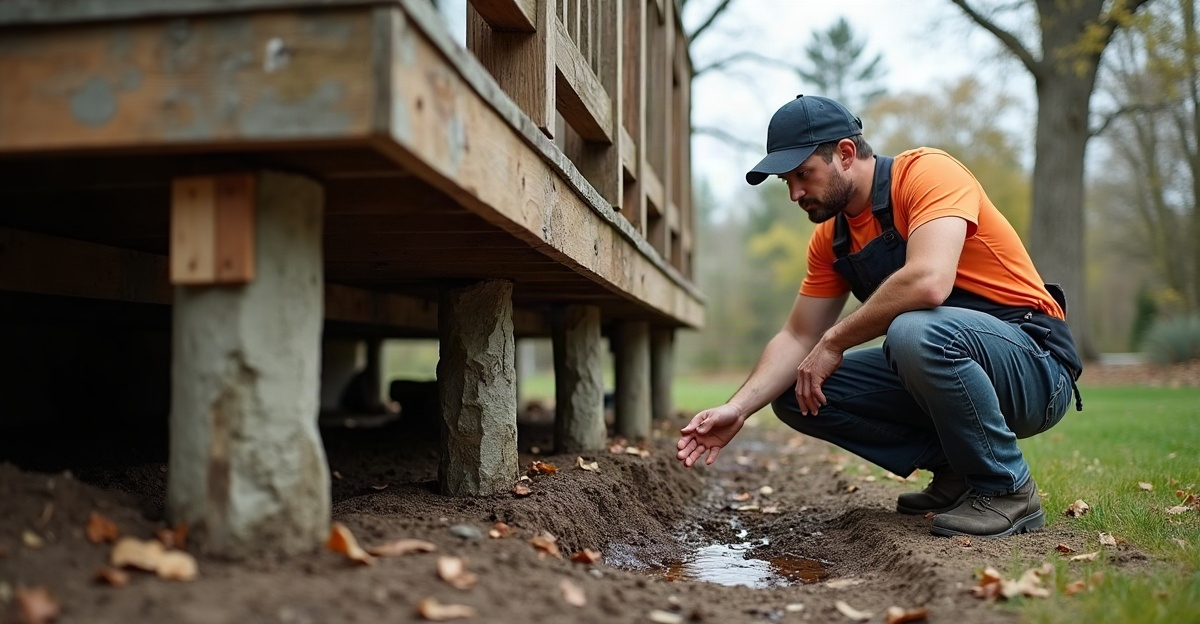
- Water pooling near slabs or footing lines after rain
Soil type alone doesn’t determine performance. Moisture management around the structure plays an equally important role. Many cases of movement we evaluate tie back to drainage that could have been corrected early on.
For a deeper look at regional causes, our article on foundation settlement in Minnesota breaks down how climate and soils interact.
Why Some Foundation Systems Perform Better Than Others
Different foundation systems respond differently to soil movement.
Traditional concrete spread footings perform well in stable, well-drained, properly compacted soils installed below frost depth. In those conditions, they can last decades without issue.
Sonotube piers are common for decks. They must extend below frost depth and bear on stable soil. Installed too shallow, they are highly vulnerable to frost heave and seasonal movement.
Slab-on-grade systems rely heavily on proper soil preparation. If the subgrade is poorly compacted or moisture control is neglected, differential settlement becomes likely.
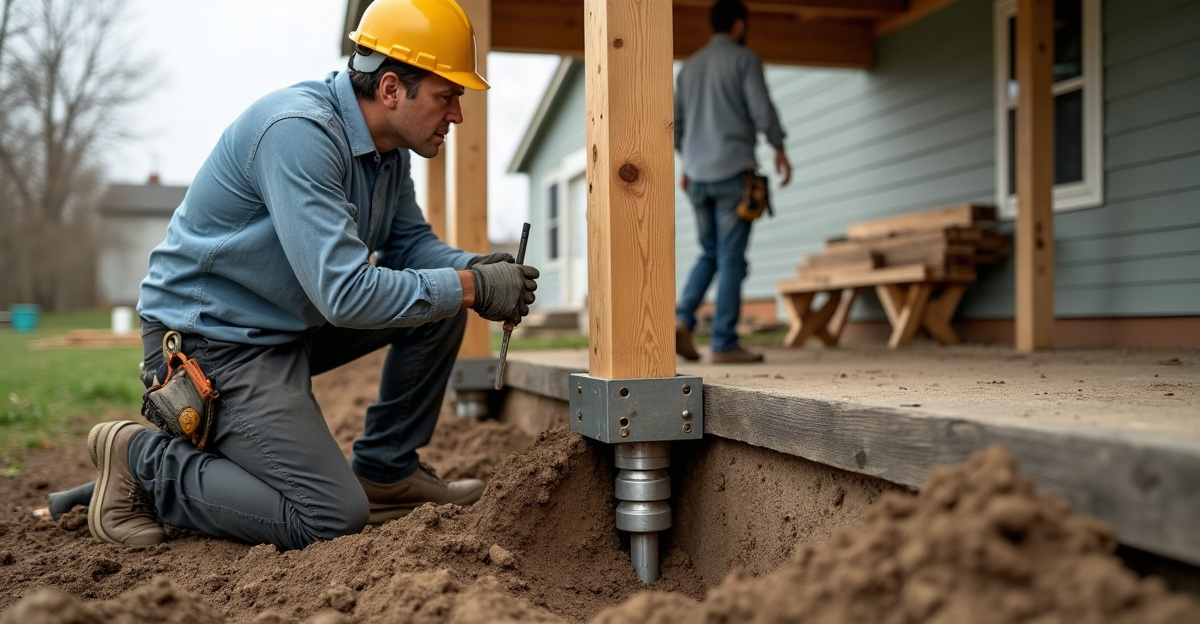
Deep foundation systems, such as helical piers, transfer structural load to deeper, more stable bearing layers below weak surface soils. That makes them useful where fill, expansive clay, or disturbed soil exists near the surface. We explain the mechanics in detail in what are helical piers and how they work.
Traditional methods work well in the right conditions. Deeper systems become appropriate when unstable soil problems are present or when surface soils cannot provide consistent support. Our breakdown of helical piers vs concrete footings outlines where each approach makes practical sense.
Common failure points usually involve:
- Shallow footings installed above frost line
- Inadequate compaction before pouring concrete
- Poor site preparation
- Construction shortcuts taken to speed up the schedule
Helical piers are highly effective in certain soil conditions, especially where surface layers are weak or expansive. At the same time, they are not required for every project. Proper evaluation determines the right approach. For install details, we provide professional helical pier installation across the area.
Construction Practices That Make or Break Foundation Stability
Foundation soil issues are not caused by soil alone. Installation decisions play a major role.
We routinely see additions that settle differently from the original house. The original structure may sit on undisturbed soil. The addition may have been built on recently placed fill that was not compacted correctly. Over time, the new section drops.
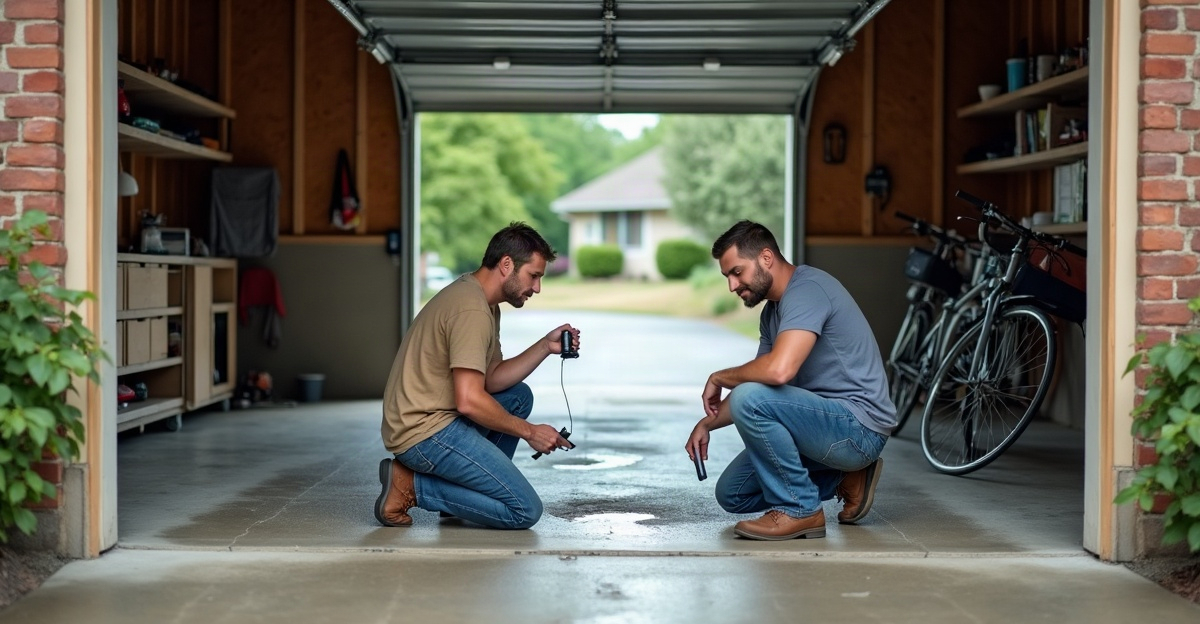
Garages are another common example. A slab poured over poorly compacted fill eventually cracks and settles, especially after repeated freeze-thaw cycles.
Avoidable mistakes include:
- Improper site preparation before construction
- Footings that do not meet frost depth requirements
- Unmanaged gutter runoff
- Inadequate compaction of backfill or fill soils
Long-term soil conditions and foundation stability depend on both natural soil behavior and proper execution during construction. Good planning prevents most settlement issues before concrete is even poured.
What Homeowners and Builders Can Do to Protect Against Soil Movement
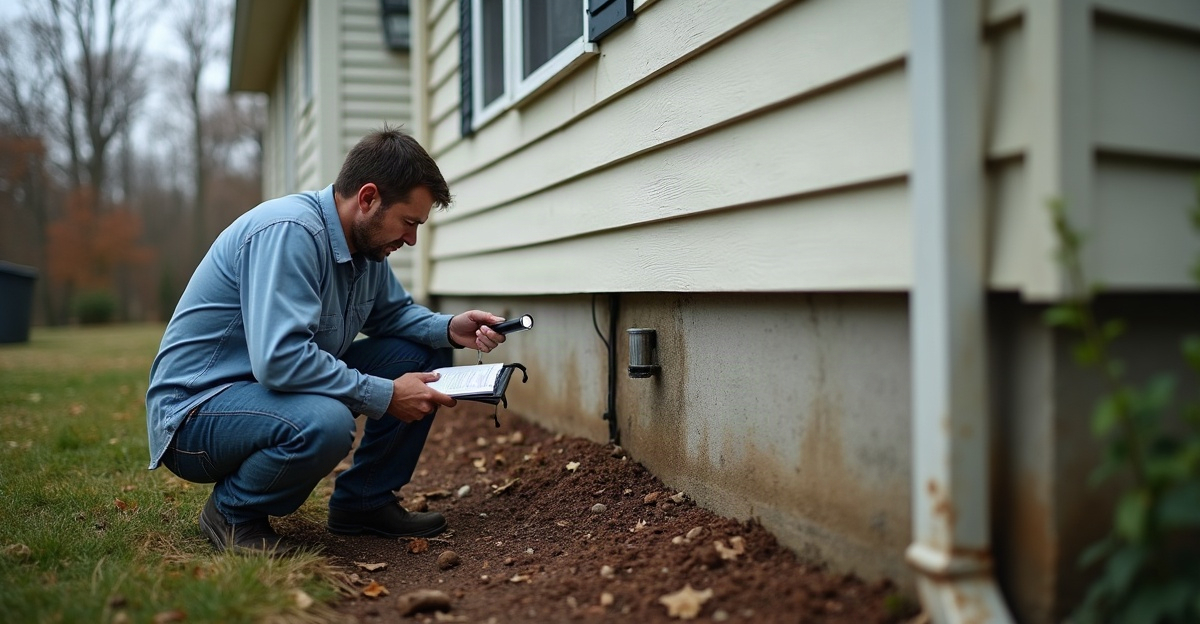
Recognizing early signs of soil movement foundation damage prevents larger structural repairs later. Our resource on signs a home needs foundation repair outlines what to watch for before cracks become structural concerns.
Drainage improvements should be addressed first. Extending downspouts away from the foundation and correcting grading to direct water away from the structure reduce moisture-related movement.
Always verify that footing depth meets local frost depth requirements in Bloomington, MN. Shallow installations often create long-term unstable soil problems.
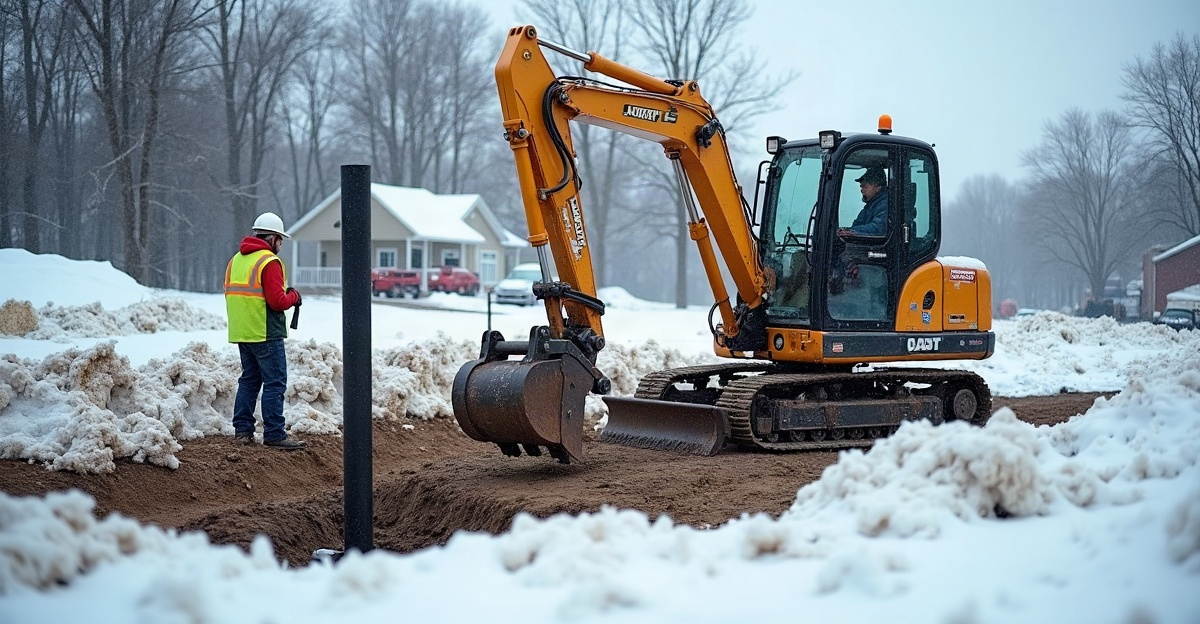
For larger projects such as custom homes, additions, or garages built on fill, soil testing provides clarity. Load-bearing capacity and compaction requirements should be confirmed before construction begins.
Movement that continues or structural cracks that widen require professional evaluation. We provide experienced foundation repair and stabilization designed around actual site conditions, not guesswork.
The main takeaway is straightforward. Understanding the root cause of foundation soil issues leads to better decisions. Whether planning a deck, supporting an addition, or correcting settlement, addressing the soil first creates long-lasting structural performance.