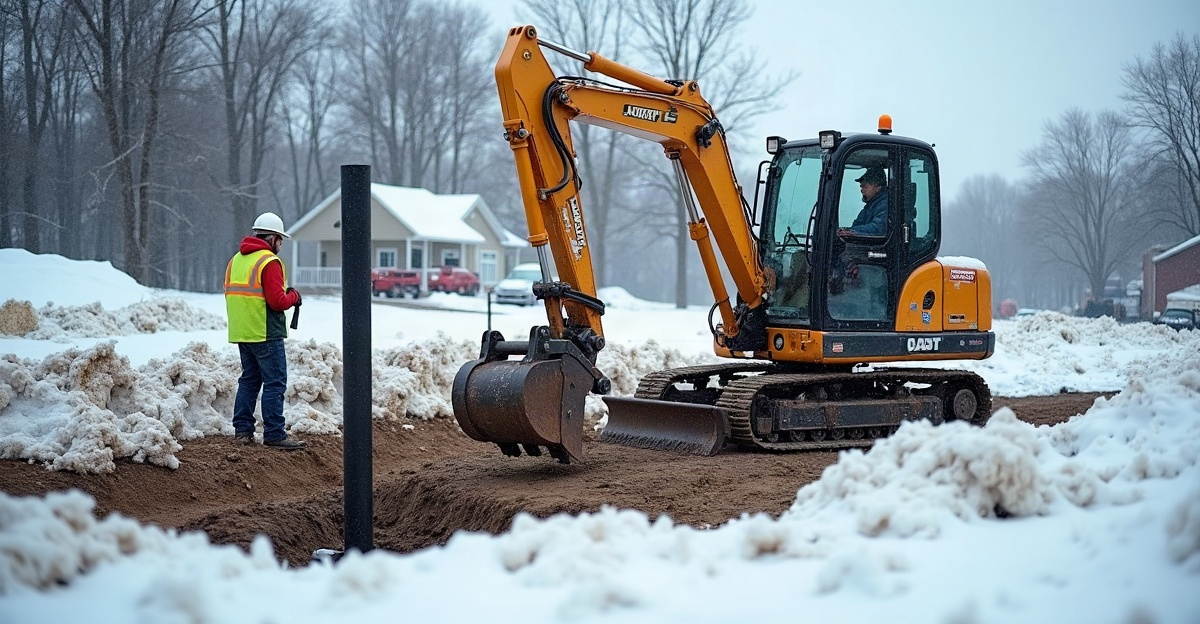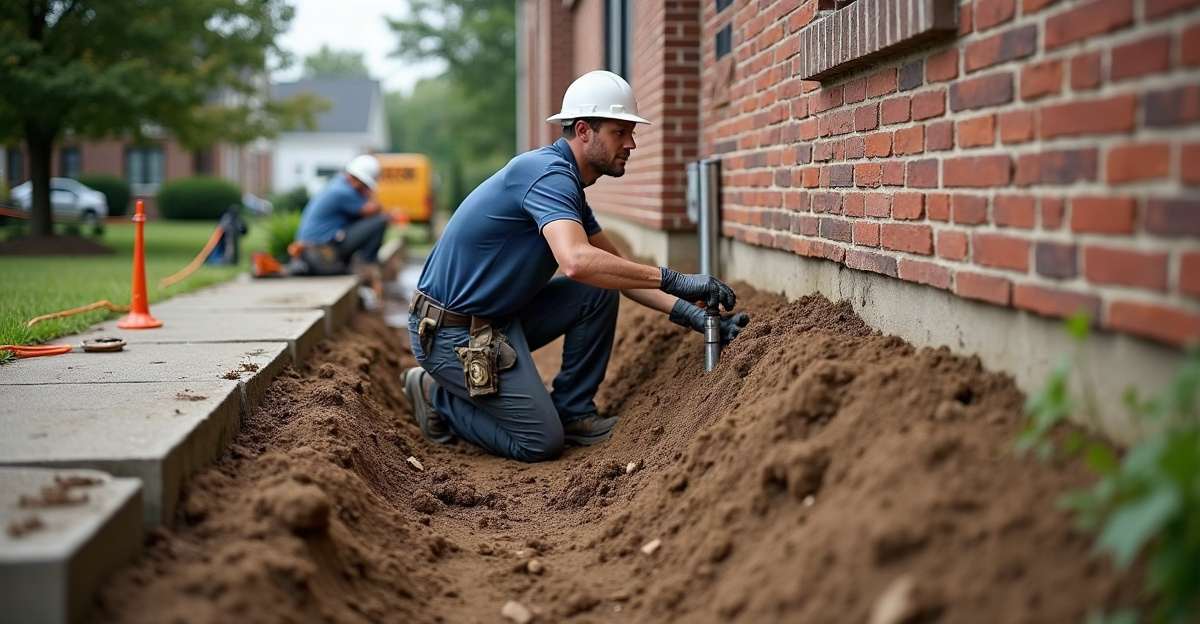
Why Small Foundation Cracks Should Not Be Ignored
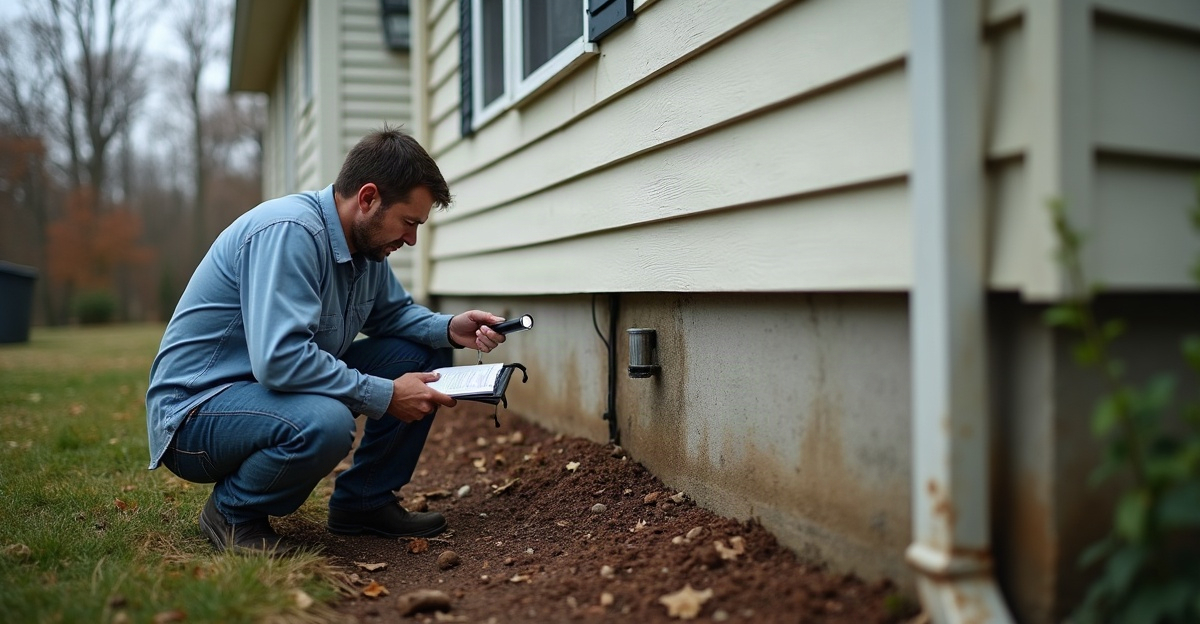
We assess small foundation cracks in context. Their pattern, location, moisture exposure, and changes over time determine the level of concern. We treat widening cracks, water entry, wall displacement, sticking doors, and sloped floors as signs of active movement that need professional evaluation.
Key Takeaways
- We can document and monitor stable hairline vertical cracks that show no moisture, displacement, or related symptoms.
- We recommend prompt assessment for horizontal cracks, bowed or leaning walls, offset crack edges, and cracks that change quickly.
- We inspect diagonal and stair-step cracks for uneven settlement, especially when they grow or appear near doors, windows, or corners.
- We address water intrusion, efflorescence, poor drainage, erosion, and shifting soil moisture because these conditions can cause foundation movement.
- We don’t use helical piers as a standard repair for small cracks. We may recommend them when an evaluation confirms settlement or insufficient footing support.
Small Cracks Need Context, Not Guesswork
Small foundation cracks should be observed, not automatically ignored or treated as proof of major structural failure. Crack width matters, but direction, location, timing, moisture, displacement, and related changes around the structure provide the context that matters most.
A thin vertical crack in stable poured concrete may be minor foundation damage from concrete shrinkage. That same crack deserves closer attention if it starts leaking, widens, develops an offset, or appears with other foundation crack repair signs. We look for patterns rather than judging a foundation by one visible line.
A Practical Crack Decision Guide
Use this simple guide to decide what level of attention is appropriate:
- Often appropriate to monitor: A stable hairline crack with no water intrusion, displacement, or related symptoms.
- Schedule an evaluation: A crack changes over time, leaks repeatedly, appears as diagonal or stair-step cracking with movement signs, or occurs with sticking doors, windows, or sloped floors.
- Seek prompt assessment: Horizontal cracks, bowed or leaning walls, visible displacement, rapidly changing cracks, or clear signs of significant structural movement.
An online guide cannot diagnose a specific home. A qualified professional needs to assess the foundation, surrounding soils, drainage, wall condition, and structural symptoms on site. For a broader review of foundation repair warning signs, focus on changes that continue or affect several parts of the structure.
Foundation Crack Repair Signs That Deserve Prompt Attention
Wall crack warning signs often matter more than the crack’s width alone. A small crack that widens, lengthens, reopens after repair, or appears beside new cracks may indicate ongoing movement. Related changes around the home can provide even stronger evidence that further assessment is needed.
Prompt professional evaluation is appropriate when a foundation wall has horizontal cracking, bowing, leaning, or visible displacement. Cracks with one side higher, lower, farther inward, or farther outward than the other also need attention. These conditions may indicate movement, pressure, water-management concerns, or other issues, but they do not identify the exact cause by themselves.
Moisture is another important signal. Water entering through cracks, recurring dampness, white mineral deposits known as efflorescence, mold-related moisture concerns, and repeated leaks can point to drainage or groundwater conditions affecting the wall. Crack sealing may address an opening, but it will not correct the source of ongoing water pressure or soil movement.
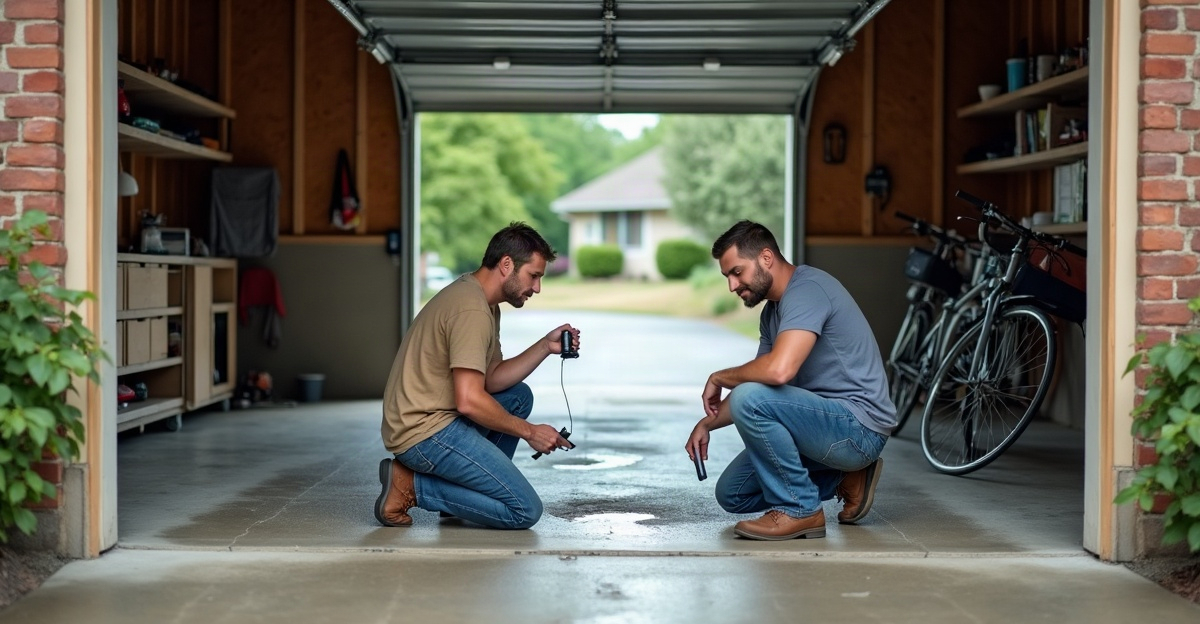
We also recommend noting changes inside and outside the structure. Doors or windows that suddenly stick, gaps around frames, separating trim, sloped floors, and sagging floor areas can accompany structural movement issues. Outside, gaps between walls and porches, decks, garages, brick veneer, or additions may deserve evaluation. Learn more about garage foundation problems when cracks or separation occur around an attached or detached garage.
Excavation, drainage changes, nearby construction, major landscaping work, and visible soil erosion can also coincide with new cracking. Timing helps establish whether the crack is stable or part of an active change.
What Different Crack Patterns Can Mean
Vertical cracks in poured concrete commonly occur from concrete shrinkage or normal settling. They should still be monitored for widening, leaking, offset edges, or additional symptoms. A vertical crack is not automatically harmless, but it is also not automatically structural failure.
Horizontal cracks in basement or foundation walls deserve prompt attention. Outside soil pressure or hydrostatic pressure may contribute to these cracks. Hydrostatic pressure is the force created when water-saturated soil pushes against a basement or foundation wall. Bowing or leaning alongside horizontal cracking raises the level of concern.
Diagonal cracks may occur with differential settlement, which means one part of a structure settles more than another. Stair-step cracks in concrete block or brick masonry can indicate movement along mortar joints. Both patterns need evaluation in context, especially when they grow or appear near doors, windows, and corners.
Foundation floor and slab cracks can result from concrete shrinkage or soil movement. We check for vertical displacement, widening, water entry, and nearby wall movement. A crack that has one side higher than the other carries different implications than a flat, stable surface crack.
Drywall, plaster, trim, and flooring cracks are often cosmetic. Still, new, recurring, or expanding interior cracks can be meaningful when they appear with sticking doors, uneven floors, or exterior cracking. Poured concrete, block, brick veneer, drywall, and floor slabs do not crack for the same reasons or at the same level of concern.
What Causes Minor Foundation Damage and Structural Movement Issues
Settlement occurs when a foundation, or part of a structure, moves downward because soil beneath it compresses, shifts, or lacks adequate support. Differential settlement occurs when one area settles farther than another, which can create uneven movement and cracking.
Load-bearing soil is stable soil capable of supporting a structure’s weight. If that soil loses strength, erodes, becomes overly wet, dries and shrinks, or was not adequate for the load, movement can follow. Our guide to soil conditions and foundation stability explains why the ground below a foundation matters as much as the concrete above it.
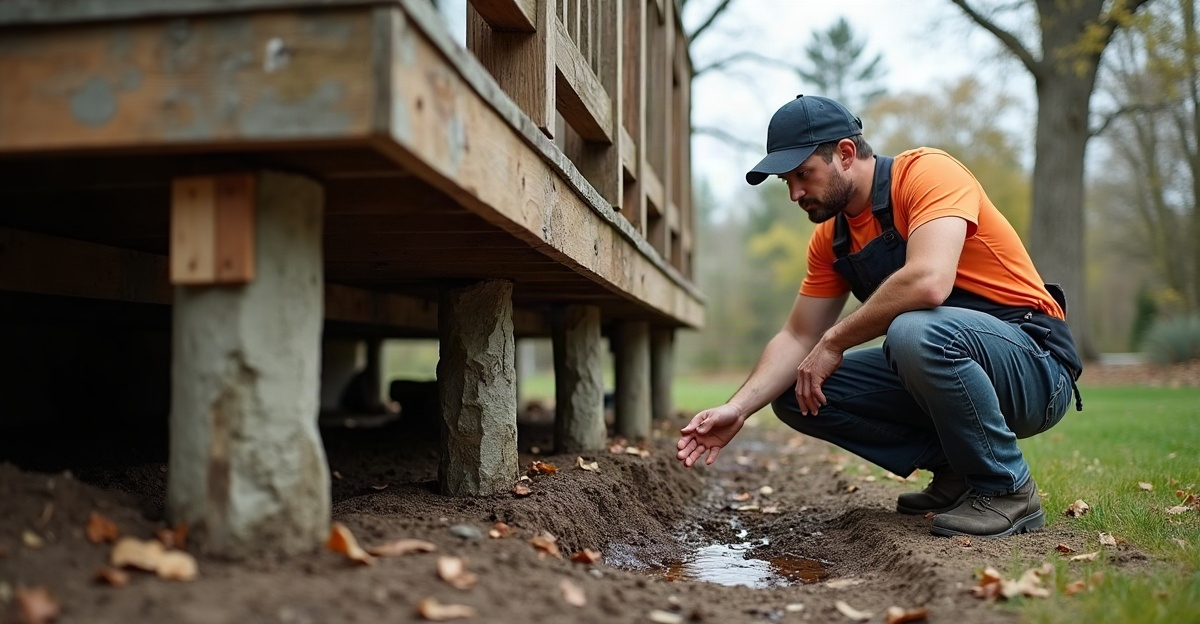
Common contributing conditions include concrete shrinkage, normal settling, drainage problems, changing soil moisture, erosion, groundwater, frost movement, outside soil pressure, and changes in structural loads. Frost heave is upward movement caused when freezing moisture in soil expands. It can affect foundations, decks, porches, and other exterior structures.
In the Bloomington area, freeze-thaw cycles, frost-depth requirements, seasonal groundwater, clay or variable soils, poor drainage, and changing soil moisture can influence foundations. No single local condition explains every crack. A proper assessment should consider the structure’s age, crack history, drainage layout, soil conditions, and visible movement. For more detail, review common Minnesota settlement causes.
What to Photograph, Monitor, and Address Now
Documenting a crack before covering it provides useful information. Take clear photos with the date visible and place a ruler, tape measure, or coin beside the crack for scale. Record the location, direction, approximate length, and material involved, such as poured concrete, block, brick, drywall, or flooring.
Check periodically for widening, lengthening, new cracks, moisture, wall movement, and changes to doors, windows, or floors. Avoid filling or painting over a crack before documenting it and determining whether it is changing. A repaired surface can hide useful evidence of continued movement.
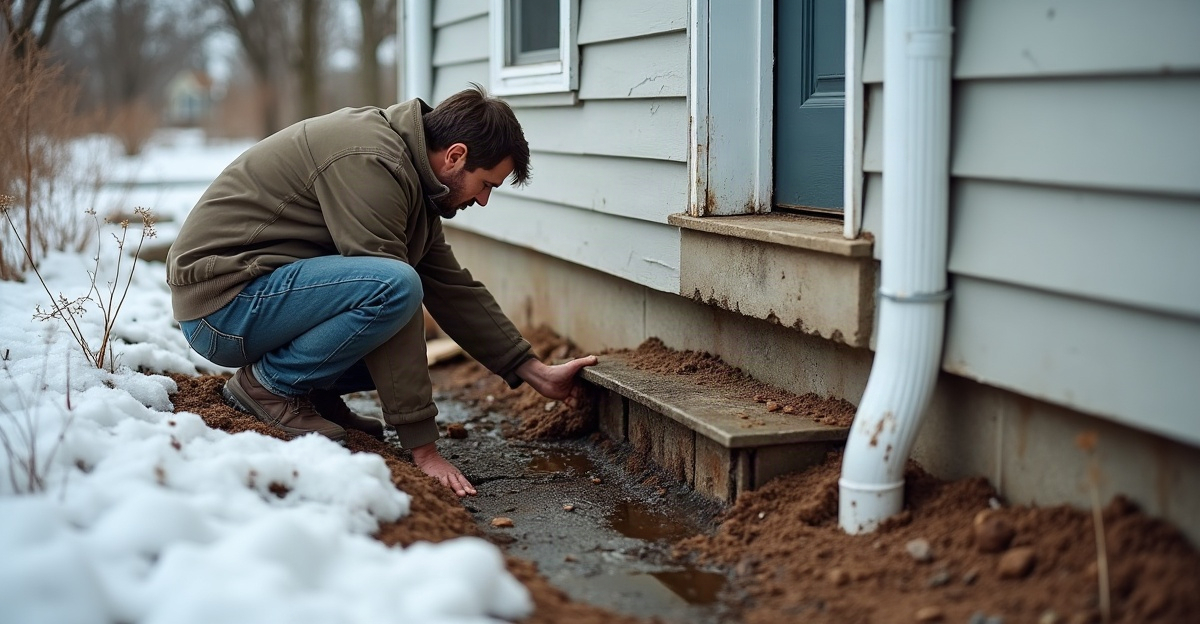
Basic water management also deserves attention. Keep gutters clear, make sure downspouts discharge away from the home, and correct obvious negative grading or standing-water conditions where feasible. These steps will not solve every foundation issue, but they can reduce unnecessary moisture against the foundation. Our overview of preventing shifting-soil damage covers practical ways to limit moisture-related soil changes.
Good records help distinguish a stable cosmetic crack from a developing issue. They also give a foundation or structural professional a clearer timeline during an on-site evaluation.
When an Evaluation and Foundation Support May Be Needed
We recommend contacting a qualified foundation or structural professional when warning signs are present, a crack is changing, or there is uncertainty about what the structure is showing. The underlying cause determines the right repair approach.
Possible work may include monitoring, crack sealing, waterproofing, drainage and grading corrections, soil and water management, wall stabilization, structural repair, or foundation repair and stabilization. Underpinning means strengthening or supporting an existing foundation. In suitable settlement situations, it may include properly designed helical pier systems.
When Helical Piers May Be Considered
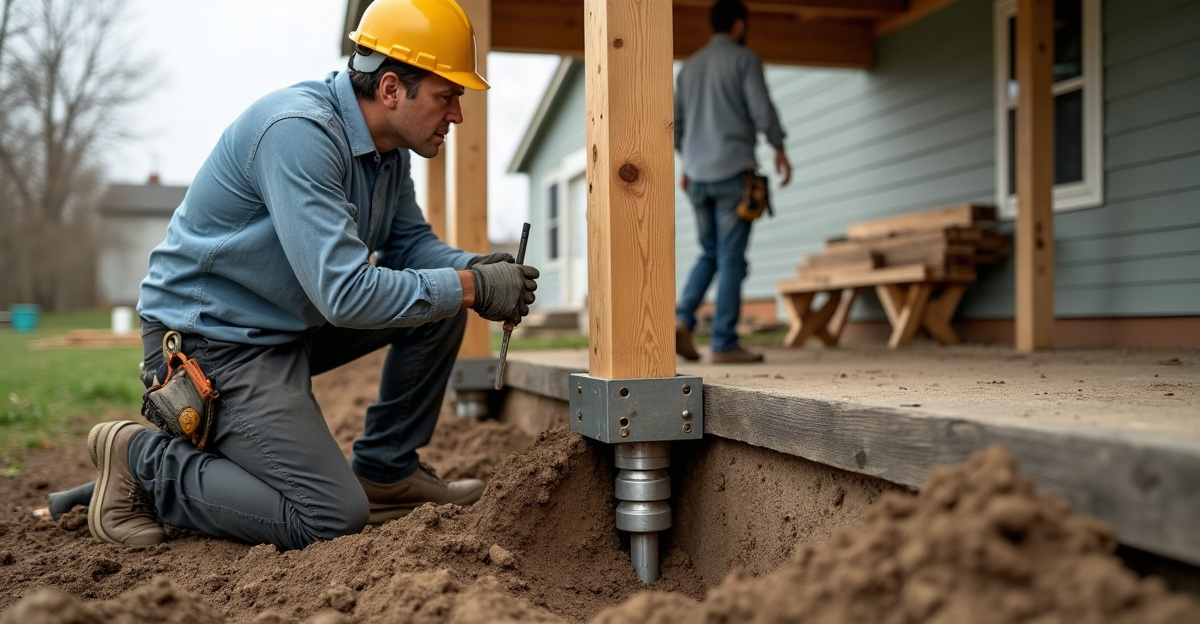
Helical piers can transfer structural loads to more suitable bearing soils for certain settlement, addition, garage, deck, and foundation-support conditions. They may be considered when an evaluation identifies settlement, unstable footings, or inadequate support below part of a structure.
They are not automatically appropriate for hairline cracks, water-pressure problems, or every foundation concern. Proper helical pier installation starts with understanding the structure, loads, soil conditions, and cause of movement. We also provide support options for foundation additions where new structural loads need suitable bearing support.
Foundation Crack Questions We Hear Often
Are Hairline Cracks in a Foundation Normal?
Hairline cracks can result from concrete shrinkage or normal settling. They should be documented and monitored, especially if water enters or the crack changes.
How Do We Know Whether a Foundation Crack Is Serious?
Look for growth, displacement, moisture, horizontal cracking, bowed walls, sticking doors, uneven floors, and related exterior separation. Multiple symptoms deserve professional evaluation.
Should We Worry About a Vertical Crack in a Basement Wall?
A vertical crack may be stable, but it should be monitored for widening, leaking, offset edges, or accompanying movement signs.
Are Horizontal Foundation Cracks Dangerous?
Horizontal cracks can be associated with outside soil or hydrostatic pressure. Prompt assessment is important, particularly when the wall bows, leans, or shifts.
Can Poor Drainage Cause Foundation Cracks?
Poor drainage can increase soil moisture, water pressure, erosion, and soil movement. It may contribute to cracking, though an evaluation is needed to identify the full cause.
Do Small Cracks Mean We Need Helical Piers?
No. Small cracks do not automatically require foundation support. Helical piers may be appropriate only when an evaluation identifies settlement or inadequate footing support. See how helical piers stabilize settling foundations for a clearer view of their role.
When Should We Call a Foundation Repair Professional?
Call when cracks change, water enters, walls move, floors slope, doors stick, or there is uncertainty about the condition. Bloomington-area homeowners, builders, remodelers, and contractors can contact TR Helical Piers for a foundation-support evaluation when there are signs of settlement, unstable footings, or structural movement.