Foundation and Footing Problems in the Twin Cities Can Delay Your Project
Foundation problems can slow a project before the main work even starts. In the Twin Cities, foundation support must handle changing soil, frost, and moisture. Foundation piers can help reach stronger ground when surface soil is weak. Helical piers Twin Cities MN projects need careful planning for safe, steady support.
How Twin Cities Ground Conditions Affect Foundations?
Cold winters can cause frost movement that pushes and shifts soil. Spring thaw and heavy rain can also change moisture levels around a foundation. When soil becomes soft, loose, or uneven, it may not carry weight well. This can lead to settlement, cracks, or movement over time.
Proper helical pier installation helps move support deeper into stronger soil. The right helical pier installation equipment Twin Cities crews use can also help place piers accurately in changing ground conditions each day.
Why Should Footing Problems Be Addressed Early?
Footing problems should be checked early because small issues can become larger delays. Weak or uneven support may cause inspection concerns, uneven floors, or movement in the structure. Builders may also face added work if footings need to be repaired after other parts are finished.
Our helical pier installation experts Twin Cities team helps homeowners, builders, and contractors plan the right support before work moves forward. Learn more about who we serve and our service areas across Minneapolis, St. Paul, and nearby communities today too.
Reliable Helical Pier Installation for Twin Cities Projects
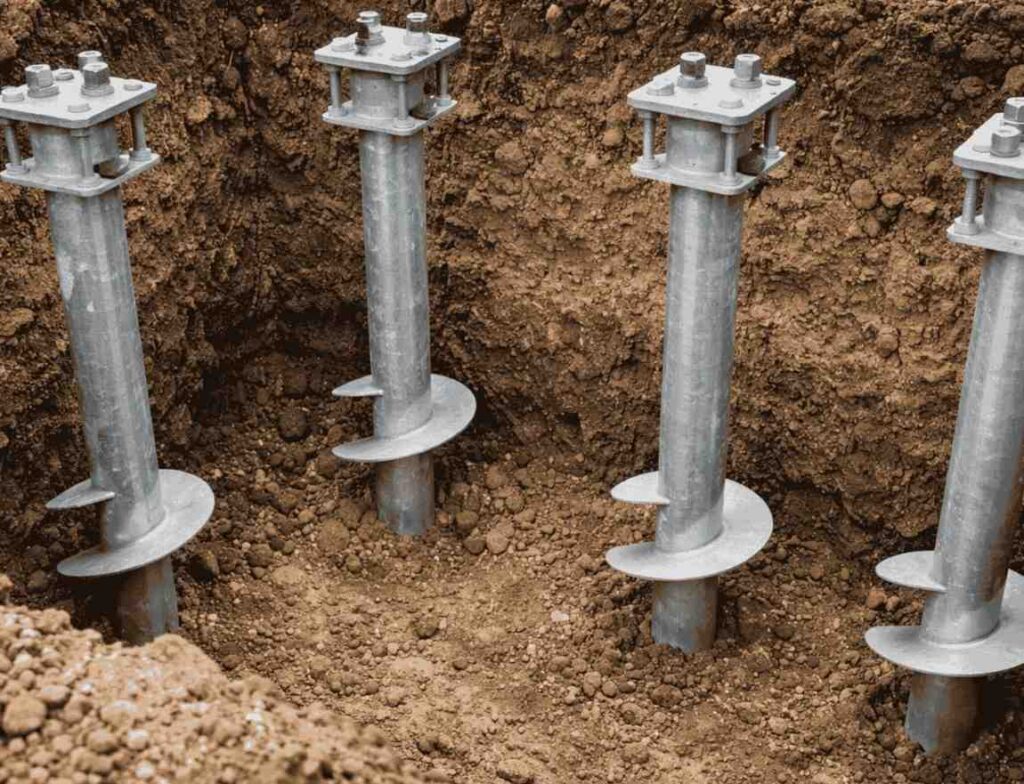
Reliable helical pier installation in Twin Cities projects can provide added support when normal footings are not the right choice. Helical piers are installed deep into the ground to reach stronger soil. They can support many types of structures, including decks, garages, additions, and new construction. Each project should be reviewed based on the site, soil, and structure.
How Helical Piers Create Stable Support?
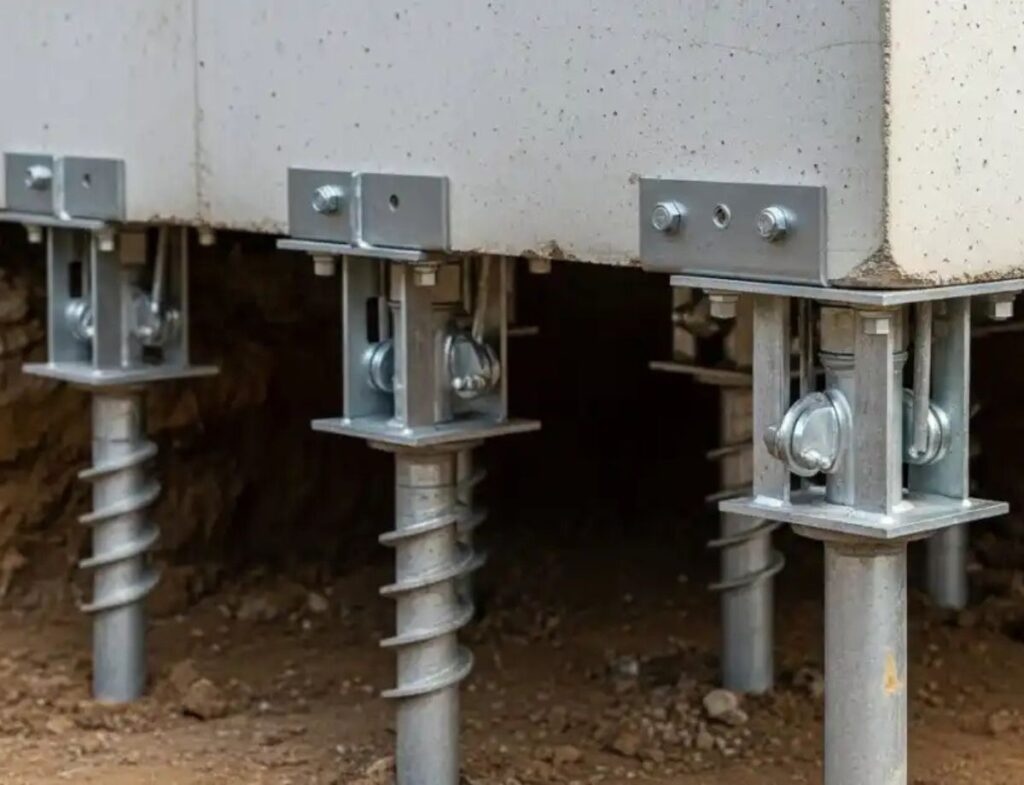
Helical piers are made with strong steel shafts and round helical plates. The plates help the pier move into the ground as it turns. The pier continues deeper until it reaches soil that can provide suitable support for the project. Once installed, the pier is connected to the structure with the proper bracket or support system. This helps transfer structural loads away from weaker surface soil.
The right helical pier installation equipment Twin Cities projects require also helps crews install the piers with better control. Site conditions and project needs will determine how each pier system is installed.
When Helical Pier Installation May Be Recommended?
Helical piers may be used for decks, porches, garages, home additions, and some new construction projects. They may also be considered when a foundation needs added stabilization. For example, common garage foundation problems may include settlement, cracks, or movement caused by weak soil or changing ground conditions. Helical piers may help support the structure when they are suitable for the site.
Our helical pier installation experts Twin Cities team reviews each project before recommending a solution. We consider the structure, access, soil conditions, and support needs. This helps us choose a practical approach for each property.
Helical Pier Installation Equipment for Twin Cities Projects
The right helical pier installation equipment Twin Cities projects need can make installation safer and more controlled. Equipment choices depend on site access, soil conditions, and the type of structure being supported.
Hydraulic Drive Equipment
Hydraulic drive systems help turn helical piers into the ground with steady force. The equipment allows the installer to control the pier as it moves through different soil layers.
For helical pier installation in Twin Cities, this type of system can help crews work with changing ground conditions. The goal is to install each pier carefully and follow the needs of the project.
Compact Equipment for Different Job Sites
Some properties have narrow access, small yards, landscaping, or existing structures that limit working space. Smaller equipment may be used when the site allows it.
A professional helical pier installation company should review access before work begins. This helps reduce unnecessary ground disturbance and keeps the work area more manageable.
Torque Monitoring During Installation
Installers also watch resistance as each pier moves into the soil. This information helps show how the pier is responding to changing ground conditions.
Our helical pier installation experts Twin Cities team uses the project requirements and site conditions to guide the installation. Careful monitoring helps crews make informed decisions as each pier is placed.
Our Helical Pier Installation Process
Our helical pier installation in Twin Cities process follows clear steps from the first site review to the final check. We look at the structure, ground conditions, access, and project needs before installation begins.
1. Site and Project Review
We start by reviewing the type of project and the support it may need. This may include a deck, garage, home addition, or foundation project.
Our team also checks site access, existing structures, and visible ground conditions. These details help our helical pier installation experts Twin Cities team understand the work before installation starts.
2. Pier Placement and Installation Planning
Next, we review where the piers need to be placed based on the project plan. Proper spacing and placement are important for creating dependable support.
We also prepare the work area and check for access limits. Good planning helps the installation move smoothly and reduces delays once equipment arrives on the site.
3. Equipment Setup
We then prepare the helical pier installation equipment Twin Cities projects require. The equipment used can depend on available space, soil conditions, and the type of structure.
Our team positions the equipment carefully before installation begins. This is especially important on smaller residential sites or projects with limited access.
4. Pier Installation and Torque Monitoring
Each helical pier is turned into the ground and moved deeper through the soil. During this process, the crew monitors installation resistance and follows the needs of the project.
This information helps the installer understand how the pier is moving through different soil layers. The process continues until the planned installation conditions are reached.
5. Structural Connection and Final Review
After installation, the piers are connected to the structure using the proper support system and brackets when required. This may include foundation work, additions, or deck footing support.
Our team then completes final checks and reviews the completed work. We also clean the work area and remove installation materials. Once this step is finished, the project can move forward to the next stage.
Helical Piers for Twin Cities Soil and Weather Conditions
Soil and weather can affect how well a foundation performs over time. Proper helical pier installation in Twin Cities projects should consider frost, moisture, soil strength, and site access before work begins.
Frost and Seasonal Ground Movement
Minnesota winters can cause the ground to freeze and move. When warmer weather returns, the soil can shift again as it thaws.
This movement may affect shallow footings and other foundation parts. Strong support is important for homes, decks, garages, and additions. Helical piers can reach deeper soil and may help reduce problems linked to seasonal ground movement when they are right for the site.
Moisture and Changing Soil Conditions
Rain, snowmelt, and dry periods can change the amount of moisture in the ground. Some soils may become softer when wet, while others may shrink during dry weather.
Not every Twin Cities property has the same soil conditions. Our helical pier installation experts Twin Cities team reviews each site before recommending a solution. This helps us plan the work around the actual ground conditions at the property.
Installation on Limited-Access Properties
Some projects have narrow backyards, existing homes, fences, or other limits around the work area. Deck construction and remodels can also leave little room for large machines.
The right helical pier installation equipment Twin Cities projects need depends on site access and available space. Smaller equipment may be suitable for some locations. Careful planning can help reduce extra disturbance and keep the work area easier to manage.
Why Choose TR Helical Piers as Helical Pier Installation Experts in Twin Cities?
Choosing the right team for helical pier installation in Twin Cities can make your project easier from the start. TR Helical Piers works with homeowners, builders, and contractors across Bloomington, Minneapolis, St. Paul, and nearby areas. We focus on clear service, careful work, and support that fits real site conditions.
More Than 20 Years of Construction Experience
TR Helical Piers brings more than 20 years of construction experience to each project. This experience helps us understand how foundations, footings, decks, garages, and additions work together. Our team looks at the full project before recommending the next step. We explain the work in simple terms so you know what to expect.
Local Knowledge of Minnesota Ground Conditions
Minnesota soil can change because of frost, moisture, and seasonal weather. These changes may affect shallow footings and weak foundation areas. As helical pier installation experts Twin Cities property owners can rely on, we consider local ground conditions when planning each job. We do not use the same plan for every property.
Equipment That Fits the Project
Good installation also depends on the right tools. The helical pier installation equipment Twin Cities projects need may change based on site access, available space, and project size. Our team plans equipment use before work begins. This can help keep the job organized and reduce unnecessary disturbance around the property.
Support for New and Existing Structures
We provide support for decks, garages, additions, and other structures. We also offer foundation repair & stabilization when an existing foundation shows signs of settlement or movement. Each project starts with a review of the structure and site conditions.
Clear Service From Start to Finish
TR Helical Piers keeps the process simple. We provide clear recommendations, dependable scheduling, and regular communication. Our goal is to help you understand your options and move your project forward with a practical foundation support solution.
Build on Strong Support With TR Helical Piers!
Do not let weak soil or poor footing slow down your project. TR Helical Piers provides reliable helical pier installation in Twin Cities for homeowners, builders, and contractors. We help support decks, garages, additions, and existing foundations with a clear and simple process. Our team reviews your site, explains your options, and helps you choose the right next step. Contact us today to discuss your project, request a quote, and schedule dependable foundation support across the Twin Cities and surrounding areas.
Services Built for Stable, Reliable Support
Practical foundation and structural solutions designed for real soil conditions, installed efficiently and built to last.
Frequently Asked Questions
How does helical pier installation in the Twin Cities work?
Helical piers are turned deep into the ground until they reach soil that can provide suitable support. The piers are then connected to the structure. The exact process depends on the project, soil conditions, and support needs.
What types of projects can use helical piers?
Helical piers may support decks, garages, porches, home additions, new construction, and some foundation repairs. A site review helps determine whether helical piers are a good choice for your structure and ground conditions.
What helical pier installation equipment is used in Twin Cities projects?
The helical pier installation equipment Twin Cities projects require depends on site access and project size. Crews may use hydraulic installation equipment and other tools designed for the work. Smaller equipment may be suitable for areas with limited access.
How do I choose helical pier installation experts in the Twin Cities?
Look for experience, local knowledge, clear communication, and a focus on helical pier systems. TR Helical Piers has more than 20 years of construction experience and serves homeowners, builders, and contractors throughout the Twin Cities area.
How much does helical pier installation cost?
The cost depends on several factors. These may include the number of piers, soil conditions, project size, required support, and site access. Contact TR Helical Piers for a project review and a quote based on your specific needs.
Get Helical Pier Installation in the Twin Cities Scheduled
If your project depends on stable footing, now is the time to get it handled. TR Construction provides helical pier installation Twin Cities services with fast response and scheduling that works with your timeline.
You’ll get clear answers, a straightforward quote, and a team that knows how to keep your project moving.
