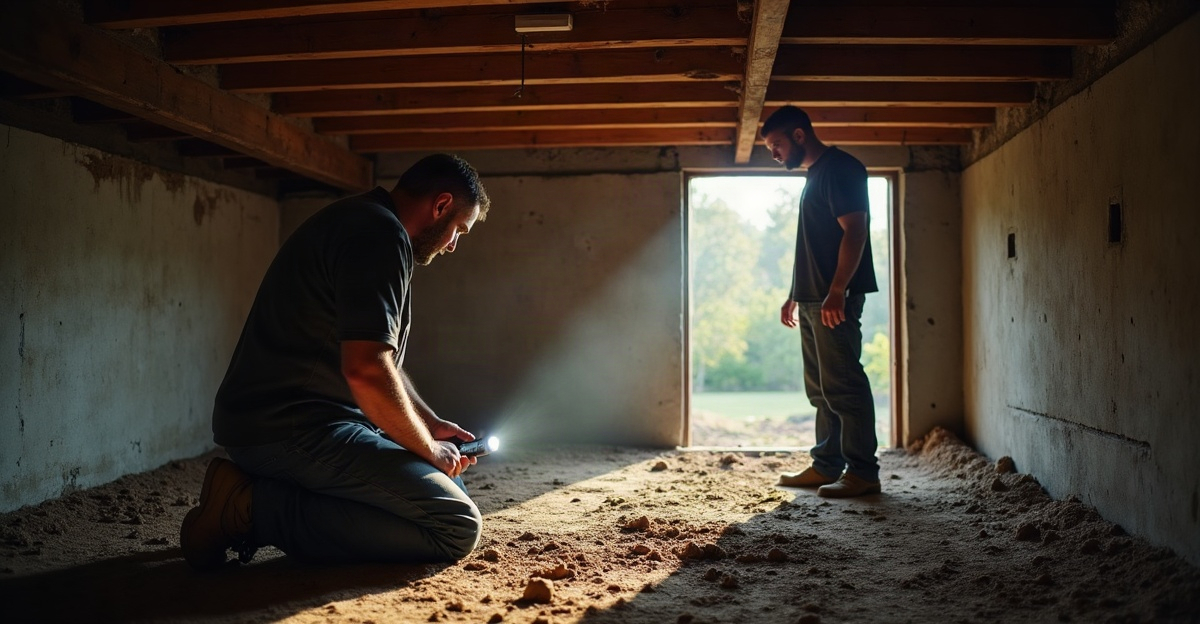
Why Foundation Problems Get Worse Over Time
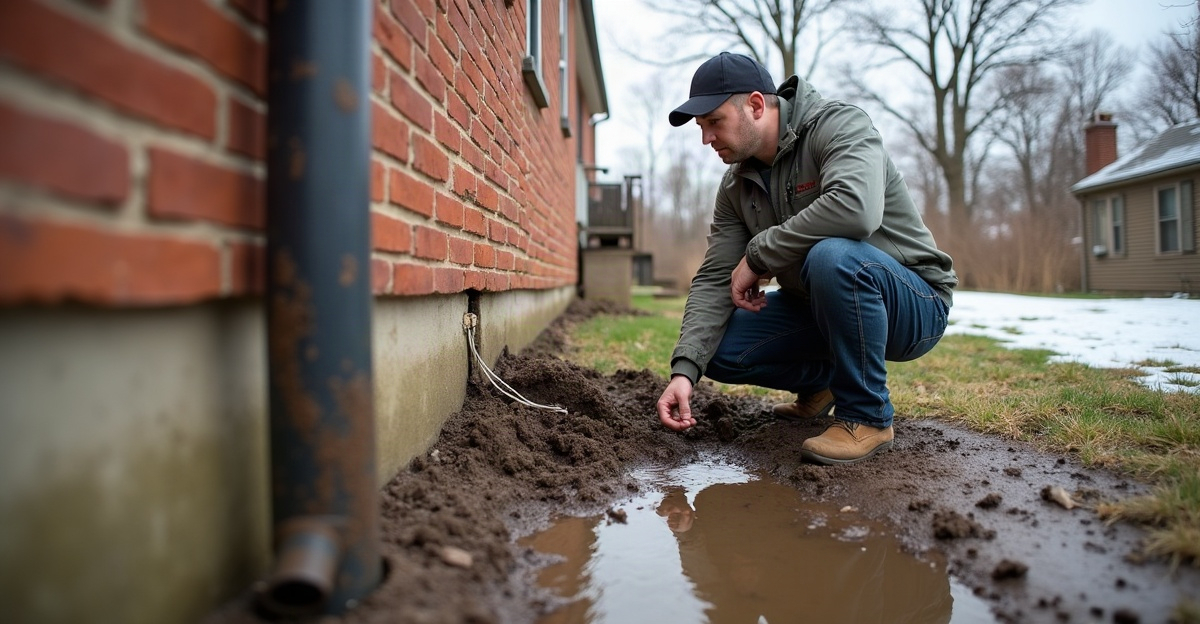
Foundation problems worsen when the conditions causing movement remain in place. Changing soil moisture, poor drainage, erosion, frost activity, and weak footing support can all drive continued movement. In Bloomington and the Twin Cities, snowmelt, freeze-thaw cycles, and seasonal moisture shifts can reduce soil support. These conditions can cause settlement or heaving over time.
Key Takeaways
- Stable hairline shrinkage cracks may remain cosmetic, but widening, recurring, or shifting cracks can signal active movement.
- Poor drainage, negative grading, clogged gutters, and short downspouts can soften or erode the soil that supports the foundation.
- Ongoing foundation movement can cause stair-step or horizontal cracks, bowing walls, uneven floors, sticking doors, and gaps around finishes.
- Delayed repairs can spread damage into framing, masonry, utility openings, and interior finishes.
- We start effective repairs by identifying the cause. Drainage improvements, structural repairs, or deeper support, including helical piers, may fit the site conditions.
Do Foundation Problems Get Worse Over Time?
Foundation problems can get worse when the conditions causing movement remain active. Shifting soil, excess water, erosion, frost activity, inadequate footing support, and ongoing loads can all contribute to worsening foundation problems.
A small crack does not automatically mean serious structural trouble. Hairline shrinkage cracks in concrete are common and may stay cosmetic if they remain stable. Problems deserve closer attention when cracks change, return after repair, or appear alongside other settling house concerns.
Foundation movement can be gradual, seasonal, intermittent, or active. Its rate depends on soil conditions, drainage, building loads, and the structure’s existing condition. Settlement occurs when soil beneath the structure moves downward or loses support. Frost heave occurs when freezing soil expands and pushes shallow footings or slabs upward.
In Bloomington and across the Twin Cities, snowmelt, freeze-thaw cycles, changing soil moisture, and drainage can affect the ground around a home. Conditions vary from property to property, so a proper assessment matters. Our guide to Minnesota foundation settlement explains several common movement causes.
Why Foundations Continue to Move
Soil movement often starts with moisture changes. Soil can expand, contract, settle, soften, or lose bearing capacity as water levels rise and fall. Some soils are more sensitive than others, including expansive soil that swells when wet and shrinks as it dries.
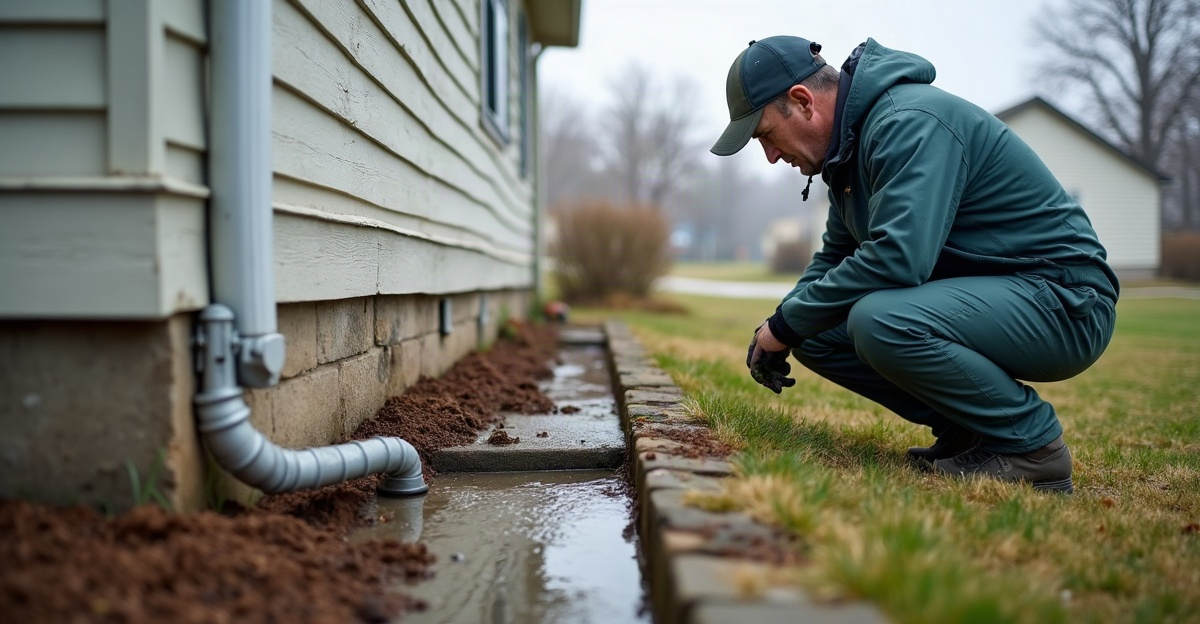
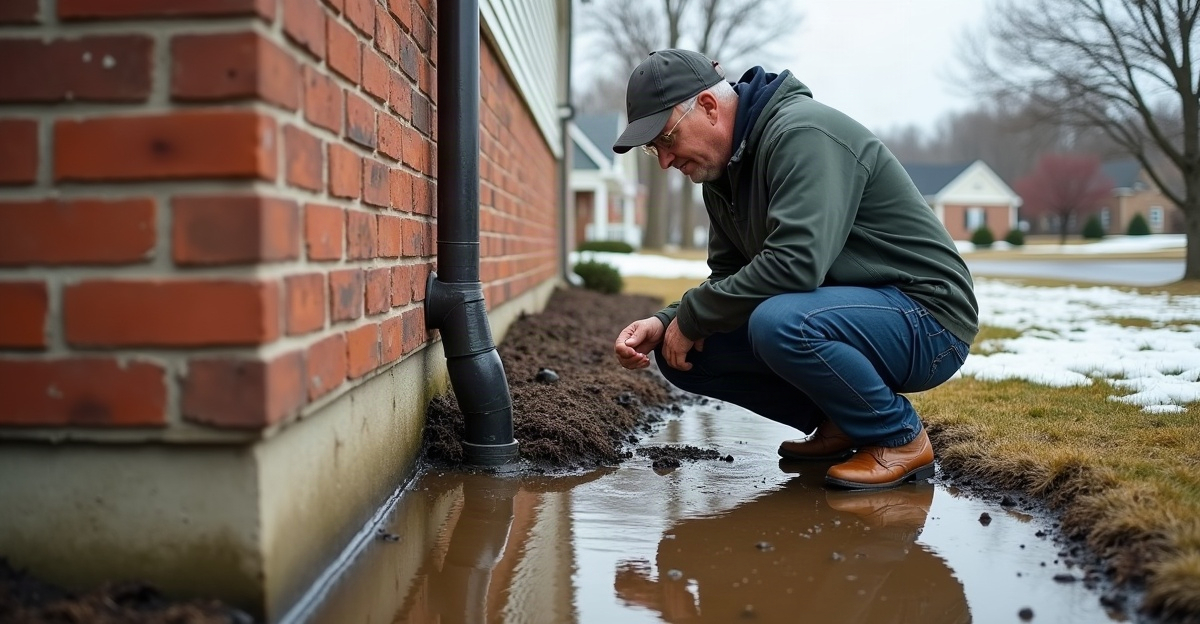
Poor drainage makes those changes worse. Clogged gutters, short downspouts, negative grading, and snowmelt can direct water against the foundation. That water may soften or erode supporting soil, leading to settlement and increased structural damage risks. Existing cracks can also admit moisture, which can add to water-management concerns and material deterioration.
A footing is the wider base beneath a foundation wall, pier, or column. It spreads building weight into the soil. If footing support is insufficient for the soil conditions or ongoing structural loads, the structure may continue to settle.
Lasting repairs begin with identifying why movement occurred. Covering a crack may improve appearance, but it does not stop active movement. We evaluate crack patterns, drainage and grading, soil moisture, footing depth, load paths, and whether movement appears historic or ongoing. For more context, review how soil conditions affect foundation stability.
Signs Your Foundation Issue May Be Active
Active foundation movement often leaves patterns that change over time. Stable cracks may need monitoring, while widening, stair-step, horizontal, or recurring cracks may require a professional assessment.
Changes Worth Documenting
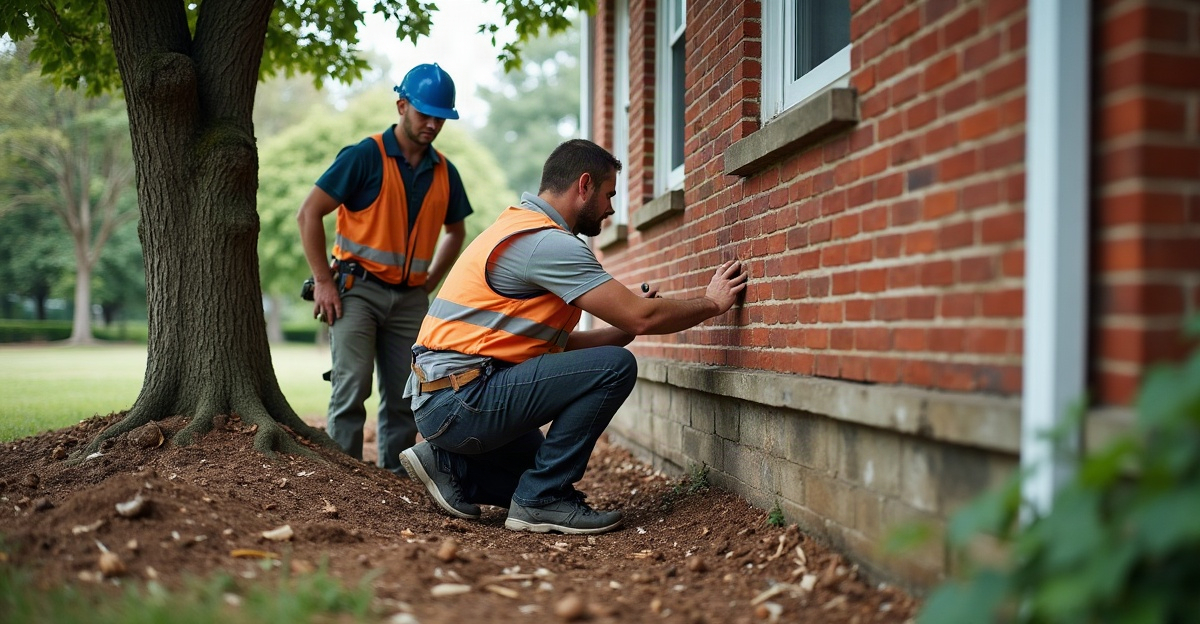
Record conditions instead of making assumptions. Date photographs, note crack widths and locations, and track water or drainage issues near the structure. Watch for these foundation repair warning signs:
- Foundation cracks getting worse, becoming longer, or returning after patching.
- Stair-step cracks in masonry or block walls.
- Horizontal foundation cracks, bowing walls, or visible wall displacement.
- Uneven floors, bouncy areas, or noticeable slopes.
- Sticking doors and windows that no longer latch correctly.
- Gaps around trim, ceilings, walls, or exterior finishes.
- Cracking near additions, garage slabs, decks, or porches that may move independently.
- Persistent pooling, erosion, or changed drainage patterns near the foundation.
Small shrinkage cracks can remain cosmetic. However, repeated changes can point to active foundation movement. We recommend reviewing small foundation cracks before assuming a crack is harmless.
What Can Happen When Repairs Are Delayed?
Delayed foundation repairs can increase the scope of work if movement continues. Cracks and gaps may expand into finishes, framing connections, masonry, and utility penetrations. Water intrusion can also become harder to control as drainage paths change or openings widen.
Unresolved settlement can complicate future work. Additions, garage projects, decks, and structural remodels place new loads near existing footings and soils. Addressing a known support concern before construction often gives the project a clearer starting point. We provide foundation support for additions where new loads require dependable bearing support.
Movement does not mean every concern is an immediate emergency. Still, active conditions can lead to broader structural damage risks over time.
Foundation stabilization and foundation lifting are different outcomes. Stabilization aims to stop or reduce future movement by addressing the cause and improving long-term support. Lifting may be possible on some projects, but the amount depends on the structure, damage, soil conditions, and repair design. Stabilization may not level every floor, close every crack, or reverse interior finish damage.
What Homeowners Can Do Now—and When to Request an Evaluation
Water management is a practical first step. Keep gutters clean, extend downspouts away from the structure where practical, and maintain positive grading so surface water drains away from the home. Address visible leaks, standing water, and erosion near the foundation.
Avoid repeatedly patching cracks without tracking whether they return. A repaired crack that reopens may indicate movement below or around the structure. Homeowners should also avoid excavating beside foundations, attempting to lift a structure, installing supports, or changing load-bearing elements without qualified assessment.
A foundation-support evaluation is appropriate when cracks widen, recur, or change; floors become noticeably sloped; doors and windows increasingly stick; walls bow or shift; or water affects the foundation area. It also makes sense before an addition, garage, deck, or structural remodel adds load near questionable soils or footings.
For foundation problems Bloomington MN property owners may face, an evaluation helps determine whether movement is active or historic. It can identify whether drainage and grading, soil conditions, footing depth, load paths, or structural damage need attention. Our foundation repair stabilization work focuses on diagnosing the support issue before recommending a solution.
Repair Options Depend on the Cause, Not Just the Crack
Foundation repair options depend on what is driving the movement. Drainage and grading corrections may be necessary where water management is the main issue. Crack repair can seal certain openings, but it does not automatically correct settlement, erosion, or inadequate footing support. Complex conditions may also call for soil investigation, engineering input, or structural repairs to affected walls and framing.
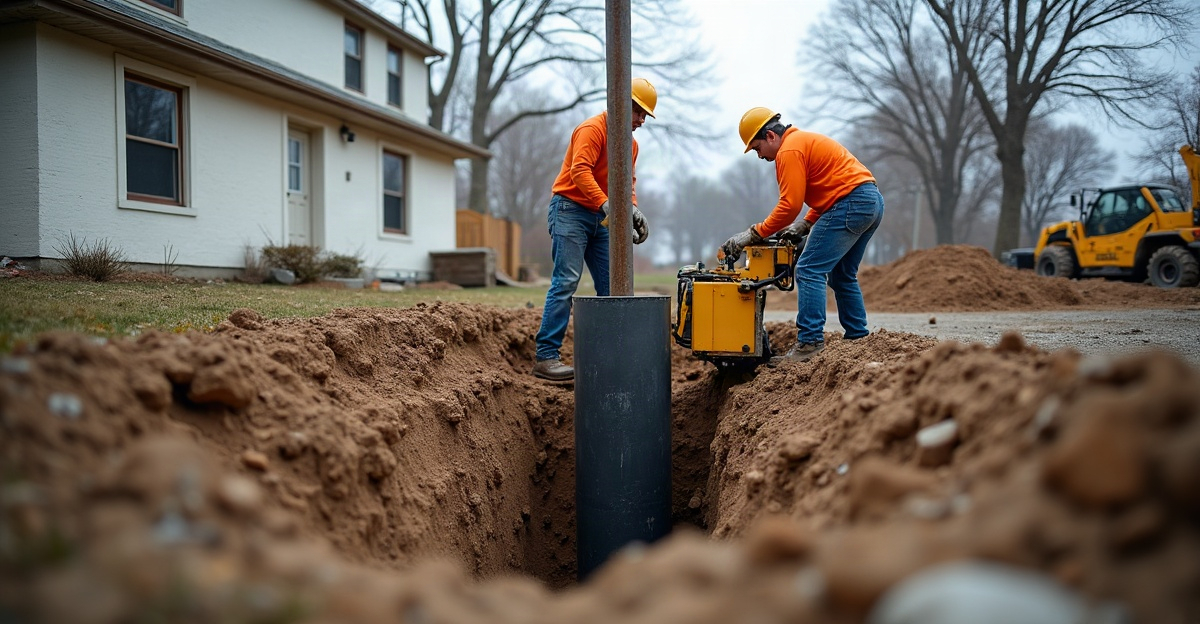
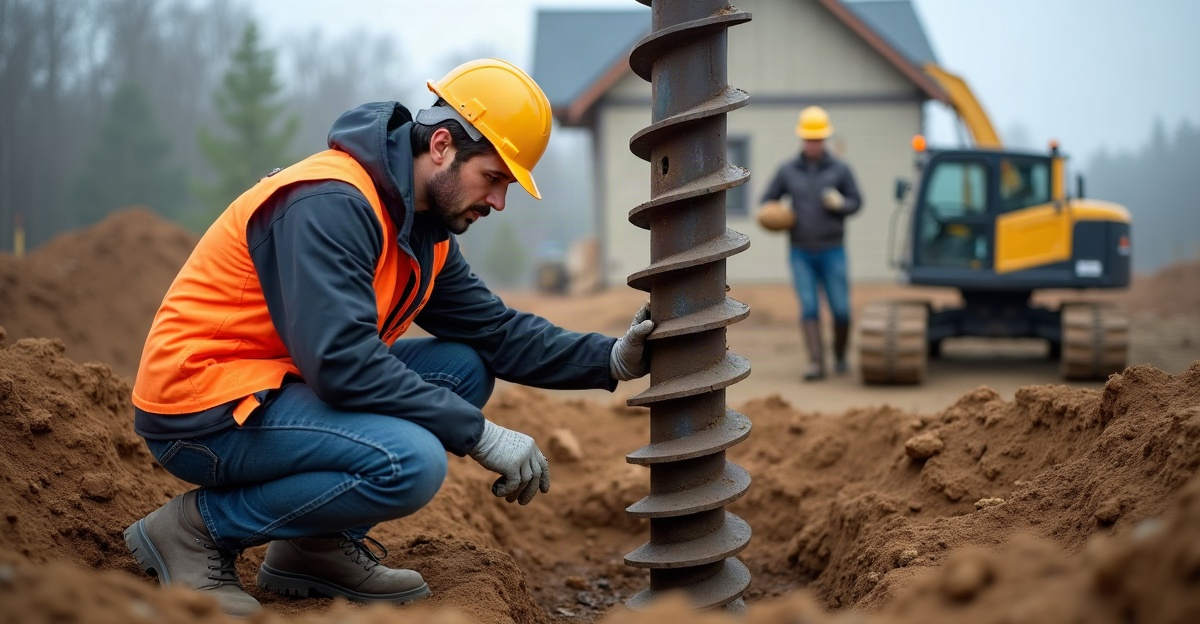
Helical piers are steel foundation-support elements installed into the ground to reach deeper competent bearing support when site and structural conditions call for them. Helical piers for settling foundation projects may support underpinning, new footings, additions, garages, or decks where near-surface soil does not provide adequate support. They are not a universal fix. The correct approach depends on diagnosis, load requirements, and ground conditions.
Common Questions About Worsening Foundation Problems
Can foundation cracks get worse over time? Yes, if the underlying movement continues. How quickly foundation problems worsen varies widely. A house can settle for years, sometimes with seasonal changes, when the cause remains unresolved. Small foundation cracks may be normal if they are stable, but changing cracks deserve attention.
Will fixing drainage stop foundation settlement? Better drainage can reduce water-related soil movement, but it may not correct settlement caused by weak soil, inadequate footing depth, or existing loss of support.
Can helical piers fix a settling foundation? They can provide effective underpinning where deeper bearing support is needed.
Do helical piers lift a house or stabilize it? Depending on the project design, they may stabilize a structure and can allow limited lifting in some cases. Stabilization versus lifting must be discussed clearly before work begins.
When cracks widen, recur, form stair-step patterns, become horizontal, or appear with uneven floors and sticking doors, request an assessment. For Twin Cities foundation support, recurring cracks, settlement signs, or footing concerns, contact TR Helical Piers to discuss whether a foundation-support evaluation is appropriate.