What Are the Warning Signs of Structural Sagging?
Structural sagging often shows up as sloping or soft floors, bouncy areas, sticking doors and windows, widening cracks, and gaps near trim or cabinets. New or worsening symptoms need prompt attention. Moisture damage, weakened supports, or foundation movement can increase the risk. An on-site evaluation can identify the cause and define the repair scope.
Key Takeaways
- Worsening floor slopes, low spots, and spongy or unstable floors can point to issues with framing, beams, posts, footings, or foundation support.
- Growing cracks, doors that no longer latch, and trim that pulls away from walls carry more weight when other movement signs appear.
- Crawl spaces and basements can expose sagging joists, bent beams, leaning posts, rot, corrosion, plumbing leaks, or water intrusion.
- Settlement, poor drainage, shifting soil moisture, and freeze-thaw cycles can create uneven support beneath a home.
- A complete assessment should inspect the full load path, framing, foundation, soil, and water conditions before we recommend repairs.
When Structural Sagging Needs Prompt Attention
Structural sagging warning signs deserve prompt attention when floors are getting worse, feel soft underfoot, or seem unsafe to walk across. We also recommend a professional on-site evaluation when support posts or beams show visible damage, cracks continue expanding, or water intrusion, rot, and structural separation are present.
One symptom alone does not confirm foundation failure. The pattern of symptoms, how quickly conditions change, and the overall condition of the home provide a clearer picture of possible serious foundation problems.
A floor that suddenly feels bouncy, spongy, or unstable needs attention, especially near bathrooms, kitchens, exterior walls, and known plumbing leaks. New movement across several areas of the home, worsening slopes, or damage affecting floors, walls, and doors at the same time can point to a larger support issue. These are important foundation repair warning signs that should not sit unchecked.
We do not recommend guessing at the cause from surface symptoms alone. A proper inspection can separate a localized framing concern from settlement, moisture damage, or a foundation support issue requiring sagging floor repair.
Common Signs We Can See and Feel Inside the Home
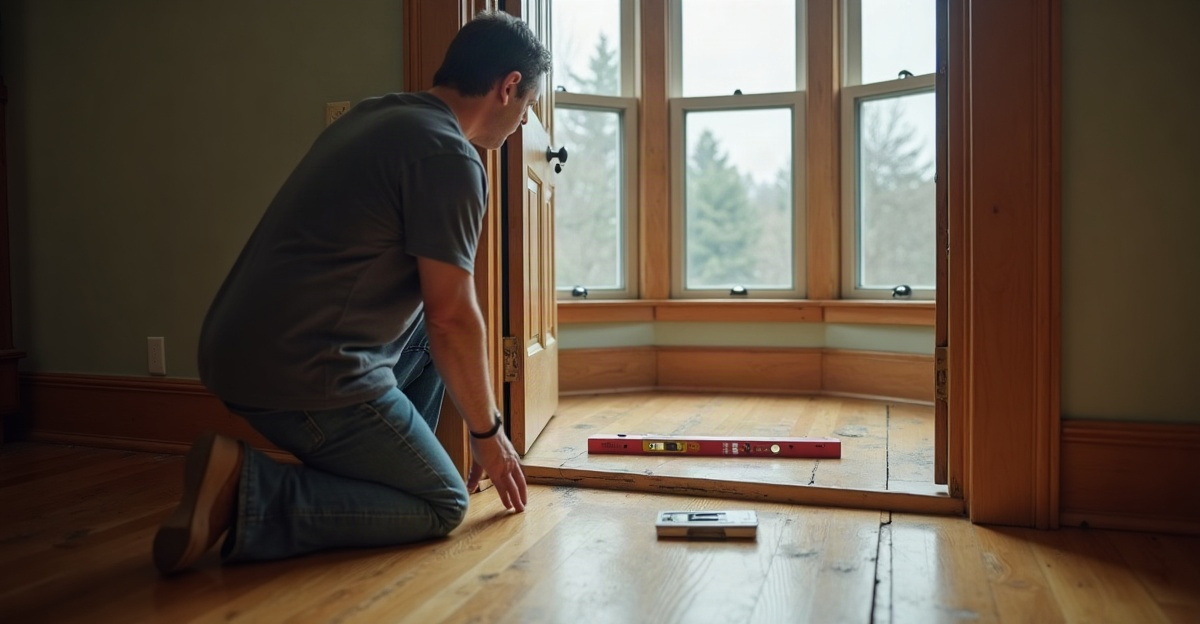
Sagging floors, uneven surfaces, sloping rooms, bouncy areas, and low spots are common house settlement symptoms. They can also result from problems with floor framing, beams, posts, footings, or the soil supporting the structure. A floor can slope for years without major change, but a new or worsening slope calls for a closer look.
Doors and windows may stick, stop latching, or develop uneven gaps as framing shifts. Interior trim can pull away from walls and door frames. Cabinets, countertops, and interior walls may also look out of level, particularly where sloping floors or fresh cracks appear nearby.
Wall cracks and ceiling cracks vary in importance. Their location, direction, width, progression, and connection to other symptoms matter. A small crack does not automatically mean structural damage, but growing cracks or cracks paired with floor movement deserve attention. We explain why small foundation cracks matter when they change over time.
We recommend documenting uneven floors in house interiors with dated photos and basic notes. Record when doors began sticking, whether a low spot feels worse, and whether gaps around trim, cabinets, or ceilings are expanding. This record helps identify change instead of relying on memory.
For a broader look at floor movement, review the common causes of uneven floors before assuming that every slope starts at the foundation.
Visible Problems Below the Floor and Around the Foundation
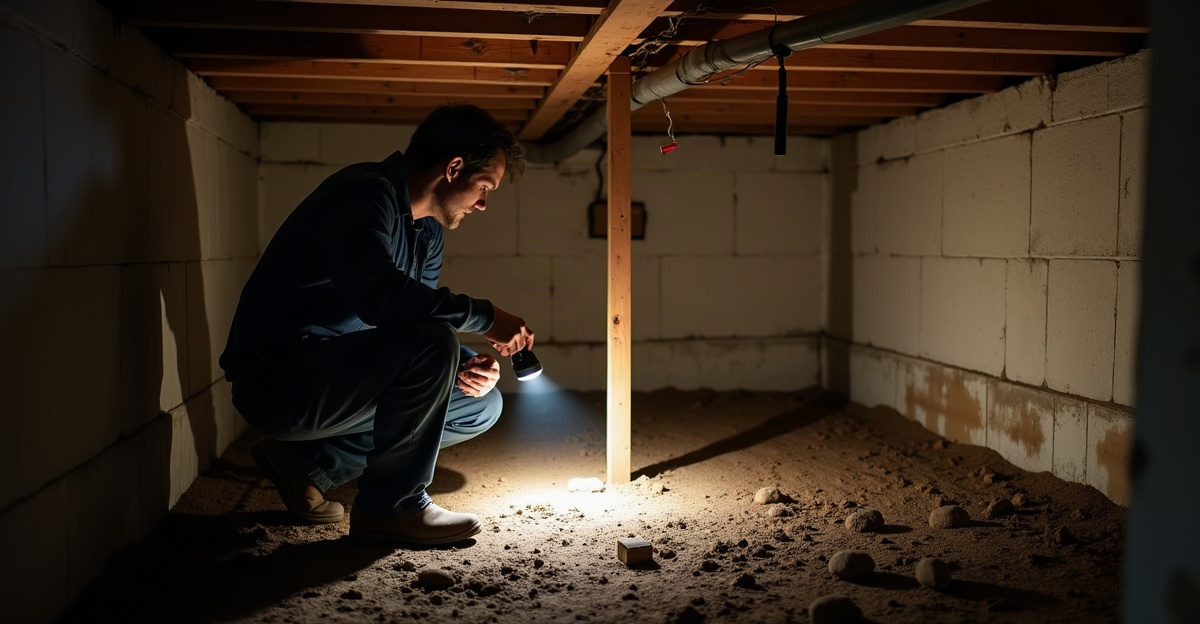
Basements, crawl spaces, garages, decks, and additions often reveal the source of structural sagging more clearly than finished rooms. We look for sagging floor joists, cracked or visibly deflected beams, leaning or failing support posts, weak connections, and deteriorated wood.
Joists are the repeated framing members that hold up a floor. A beam carries load from those joists to posts, foundation walls, or piers. Damaged support beams can affect a wide area of flooring, while a compromised post, footing, or pier can allow one section to drop.
Moisture damage is a major concern below the floor. Standing water, plumbing leaks, mold, wood rot, corrosion, and termite damage can weaken framing and connections over time. Soft, darkened, split, or crumbling wood should receive professional attention rather than a cosmetic cover-up.
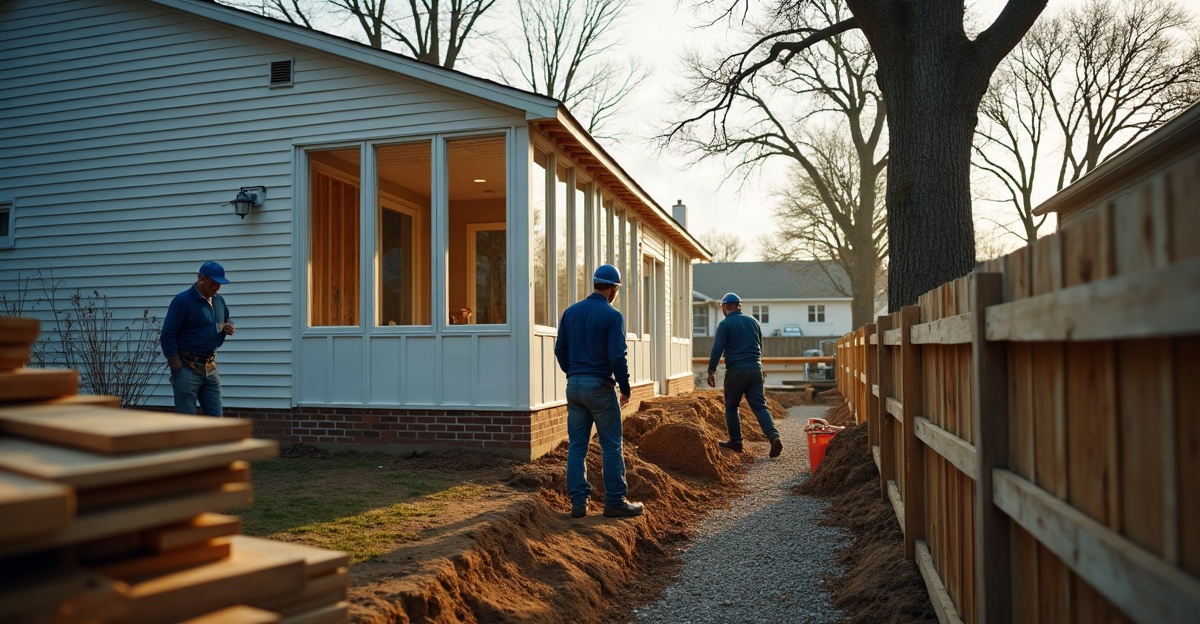
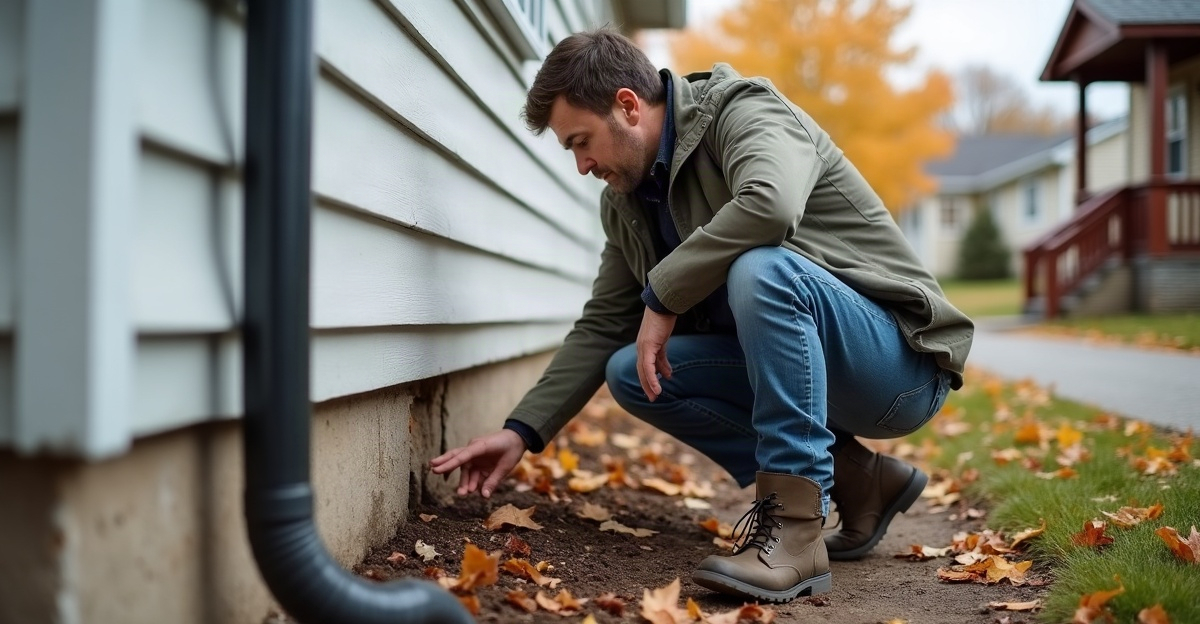
Outside and around the foundation, watch for foundation cracks, bowed walls, displaced sections, and separation where a porch, deck, garage, or addition meets the home. Foundation wall movement may also show up as changes in masonry, siding, or exterior trim. Crack significance depends on location, direction, whether it is widening, and whether it appears with other movement-related symptoms.
A footing is the widened base that spreads a structure’s weight into the soil. A pier is a vertical support element that transfers load to suitable bearing soil or another stable support layer. If there are concerns below an existing structure, our guide to failing footings can help identify conditions worth inspecting.
What Causes Structural Sagging and Uneven Floors?
The causes of sagging floors can involve framing, soil, moisture, or a combination of conditions. The home’s structural load path should carry weight from the roof and walls through beams and posts, into footings or foundation walls, and then into supporting soil. A problem anywhere along that path can lead to movement.
Settlement occurs when soil beneath a footing or foundation compresses, shifts, washes out, or cannot adequately support the structure. Differential settlement means one portion of the home moves more than another. This uneven movement can create sloping floors, gaps, cracks, and sticking doors and windows.
Foundation movement is one possible cause, but we also assess damaged or undersized floor joists, weak beams, failing posts, inadequate footings, plumbing leaks, wood rot, termite damage, and remodeling changes that added weight or altered existing supports. Poor drainage, erosion, shifting groundwater, and changing soil moisture can also contribute to foundation support problems.
Seasonal humidity, normal material aging, and minor framing movement can create similar symptoms. That is why a remote diagnosis is not reliable. An on-site assessment identifies whether settling soil, damaged framing, water exposure, or another cause is affecting the home.
Normal Aging or a Problem That Is Still Moving?
Older homes often develop minor cosmetic cracks and occasional seasonal door sticking as materials expand, contract, and age. These conditions should be monitored, but they do not automatically mean there is a major structural issue.
The concern increases when symptoms are new, spreading, or worsening. A floor slope combined with water damage, visible support deterioration, foundation movement, or cracks in several rooms requires more attention than an isolated, older crack that has remained unchanged.
We recommend comparing current conditions with prior photos, noting when doors first began sticking, and watching whether repaired cracks reopen. Active foundation movement is generally more concerning than a stable, older condition. Still, only an on-site evaluation can determine whether floor sagging is serious and what repair work fits the structure.
Delaying action can allow contributing problems to continue. Read more about worsening foundation problems if cracks, gaps, or slopes have changed since they were first noticed.
Why Local Soil, Water, and Weather Conditions Matter in Bloomington
Bloomington-area homes face Minnesota freeze-thaw foundation movement, seasonal moisture changes, snowmelt, and soils that can vary considerably from one property to the next. Soil movement under house foundations can affect footings and create uneven support beneath the structure.
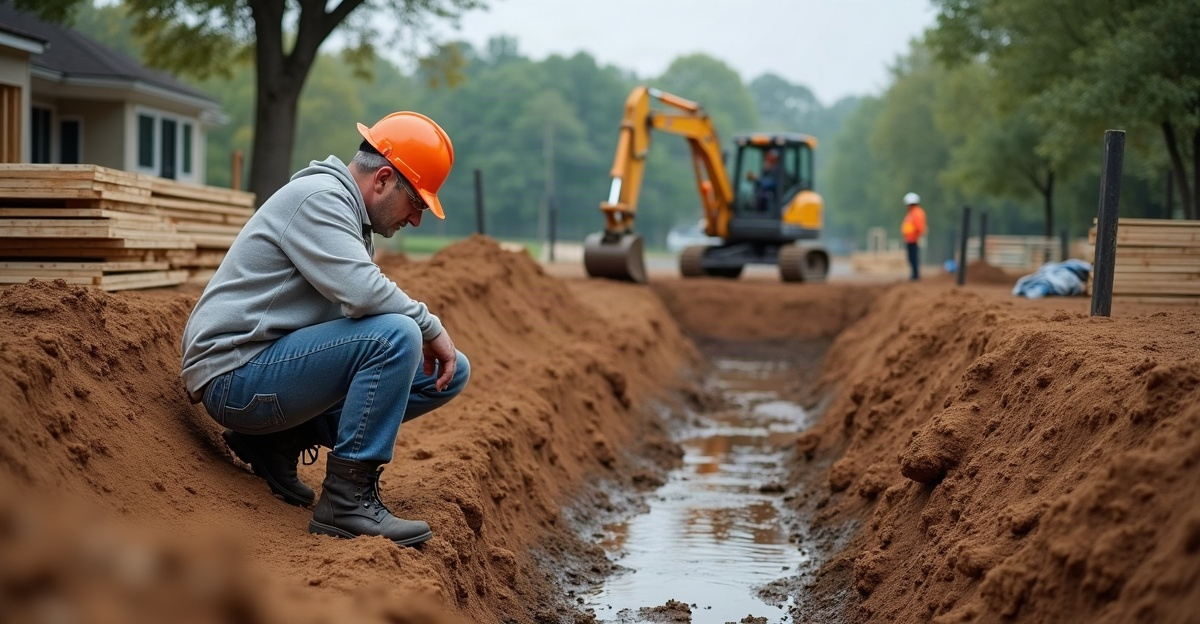
Water management has a direct role in many poor drainage foundation problems. Runoff, snowmelt, improper grading, clogged gutters, downspouts that discharge too close to the home, and plumbing leaks can alter soil moisture around the foundation. Moisture can also contribute to wood rot and framing damage in crawl spaces and basements.
Nearby homes can have very different site conditions. Grading, drainage paths, fill soil, foundation depth, additions, and past construction work all affect how a property performs. We evaluate the specific home and site rather than making assumptions based on the neighborhood.
For Bloomington, MN foundation repair concerns, correcting water sources and evaluating support conditions together often provides a clearer repair plan than treating a visible crack or sagging area alone.
What a Proper Structural Evaluation and Repair Plan Should Address
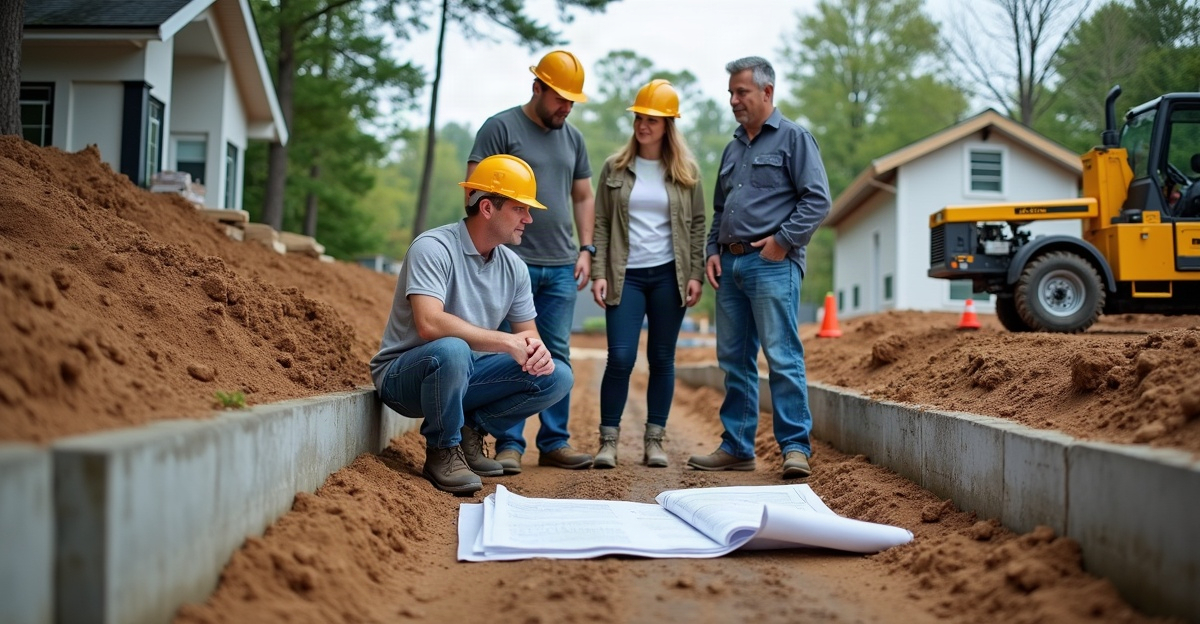
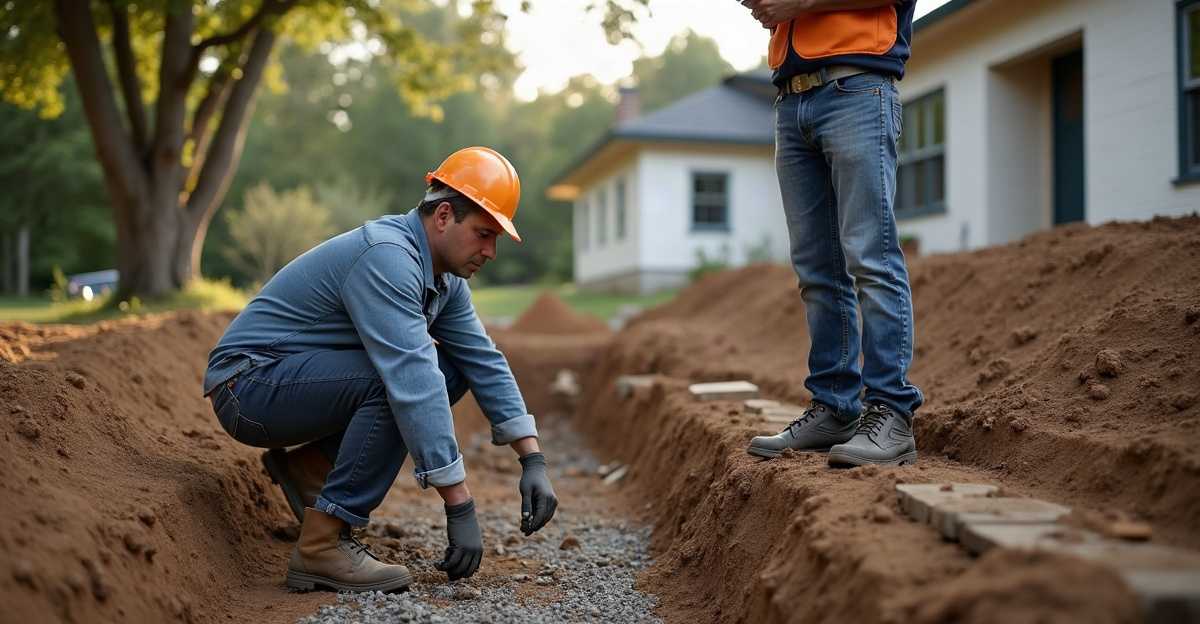
A proper structural evaluation examines the full structure and site conditions, not just the most visible symptom. We assess floor framing, beams, posts, crawl spaces or basements, foundation walls, footings, drainage, water sources, soil conditions, and signs of active movement.
Sagging floor repair options depend on what caused the movement. The right scope may include drainage corrections, repair of rot or damaged framing, reinforcement or replacement of undersized beams or joists, supplemental supports, or foundation stabilization where settlement has affected bearing support.
Helical piers can provide effective helical pier foundation support in certain settlement, repair, addition, deck, and garage applications. They transfer structural load to more suitable bearing soil when site conditions and the structure call for that approach. They are not a universal fix for floor framing damage, drainage issues, or every type of foundation distress. Where foundation support is appropriate, our helical pier installation process focuses on the load path and conditions at the site.
The best repair plan identifies the cause first, corrects contributing water or framing issues where needed, and selects support that fits the home. If structural sagging, damaged supports, or foundation settlement signs are changing, contact our team to arrange an on-site assessment.