How Helical Piers Support Your Structure
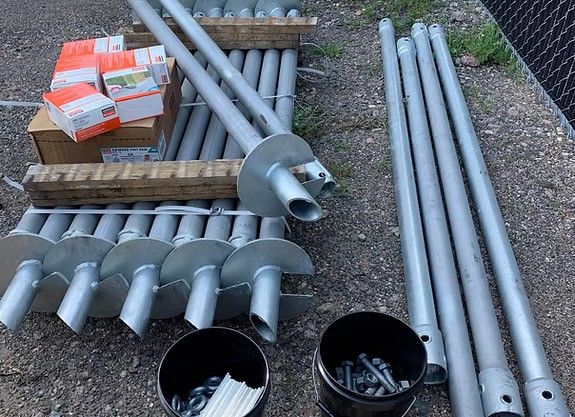
TR Helical Piers provides the helical pier installation Bloomington projects may need for firm support. Helical piers are steel shafts with spiral plates. Crews turn them into the ground to reach soil that can bear a structure’s weight. They can help when weak soil causes a foundation to sink or shift.
Builders may also use piers for decks, additions, and new builds. Our helical pier installation experts review site needs before recommending their use. Soil strength, building loads, and site access help guide the choice. Each site needs a clear review to determine whether helical piers suit the planned work.
Helical Pier Support for Your Building Project
Deck and Porch Footings
Our team provides the helical pier installation Bloomington projects need for decks and porches where site conditions suit this method. We review the planned size, weight, and pier locations. Site access also shapes the work. Our deck footing support helps transfer loads to suitable soil below. We match the support plan to your project’s needs before installation starts on site.
Foundations for Additions and Garages
We offer new construction helical pier installation for planned additions and garages. Our foundation support for additions starts with a review of your plans and loads. We also assess garage foundation support needs based on the layout and site. Each project needs the right pier placement and connections. We review these details before work begins to guide the support plan.
Support for Existing Structures
Our helical pier installation service can help support existing structures when soil conditions allow. We review the affected area and signs of movement to understand your needs. Foundation repair & stabilization requires a plan that fits the structure and ground. Piers may help address settlement, but they cannot fix every crack. A site review helps guide the next
Benefits of Professional Helical Pier Installation
TR Helical Piers provides the helical pier installation Bloomington projects need when soil and site conditions suit this method.
- Strong foundation support transfers building loads to deeper soil that can bear the weight.
- Our helical pier installation experts guide each pier into its planned location for controlled placement.
- Less excavation may reduce soil removal compared with some concrete footing methods on suitable sites.
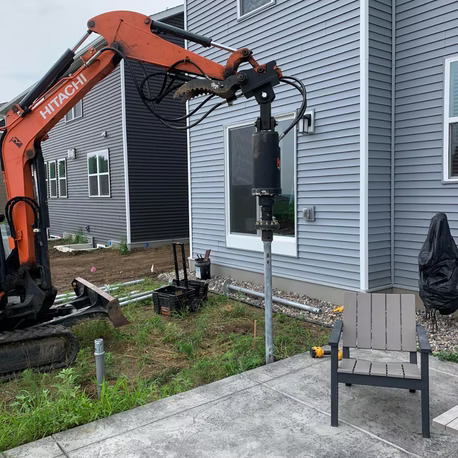
- Targeted installation may limit disturbance to nearby yard areas, depending on access and equipment needs
- Flexible layouts allow pier placement to follow the structure’s design and required support points.
- Project planning helps match pier depth, size, and connections to the building’s loads.
Plan Strong Foundation Support for Your New Build
TR Helical Piers helps you plan new construction helical pier installation before building starts. Early planning aligns foundation support with your plans. It also gives your builder time to review site needs and coordinate the work.
Review Support Needs Early
We plan the helical pier installation Bloomington builds may need around soil conditions and building loads. Sharing plans early helps identify pier locations, access needs, and design questions before crews start work on your site.
Keep Plans and Installation Aligned
Your helical pier installation plan must match the building layout and connection points. Changes to the structure may require another review. Clear plans help your builder schedule foundation work alongside other tasks and prepare for the next stage of construction.
How We Plan and Install Your Helical Piers
TR Helical Piers helps you plan support for your project. Our approach covers site review, placement, installation, and final checks.
- Review Your Site and Plans: We assess the helical pier installation Bloomington projects need by reviewing the structure, site access, and available soil details. Share your address, plans, photos, and goals before requesting a quote. These details help us understand the scope and identify questions that need closer review.
- Confirm Pier Locations and Needs: Building loads and site conditions guide pier placement. We review the planned support points and connection needs against the project design. If plans change, the layout may need another review. This step helps align the proposed work with your structure’s foundation requirements before installation starts.
- Install Piers and Support Connections: During helical pier installation, crews turn steel piers into the ground at the planned locations. They add shaft sections as needed to reach suitable support. Then, they fit the specified connections to transfer loads from the structure to the piers according to the project design.
- Review the Finished Work: We review the installed support points and connections against the project scope. You can ask about the completed work and any remaining steps. Before handover, confirm which installation details and documents your project requires. This helps you understand the work before the next construction stage.
What Shapes the Cost of Your Helical Pier Project?
Site Conditions and Project Needs
TR Helical Piers plans the helical pier installation Bloomington projects need based on each site and structure. Your plans help us assess the work and prepare an estimate. Several factors affect the price.
- The number of piers your structure needs
- The depth each pier must reach for firm support
- Soil conditions that affect the work
- Site access for crews and equipment
- Brackets and connections that transfer the load
- Design, permit, and inspection needs for your project
Request an Estimate for Your Site
Your helical pier installation cost depends on these details, so a general price may not reflect your needs. Share your site address, project plans, and photos with our team. Also, tell us about slopes, tight spaces, or signs of settling. We can review the scope and explain the next steps. Ask what the quote covers so you can plan your budget with clear information.
Why Choose Us in Bloomington?
TR Helical Piers provides the helical pier installation Bloomington homeowners, builders, and contractors need. We serve the Twin Cities and surrounding areas. Our work covers decks, additions, garages, and support for structures that show signs of settling.
Our helical pier installation experts focus on clear plans and steady communication. Explore who we serve to see how we help with your project. Customer feedback highlights the team’s knowledge, speed, and quality on construction and deck projects.
- Clear explanations of your site and support needs
- Scheduling that fits the wider project plan
- Coordination with builders, contractors, and remodelers
- Support options based on your soil conditions
- Practical help for new builds and existing structures
- A straightforward process from planning through installation
Get a Clear Quote for Your Bloomington Project
Plan your helical pier installation in Bloomington with TR Helical Piers. Share your location, building plans, and project details so our team can review your needs. Include photos and note any slopes, tight spaces, or signs of settling.
For a quote that fits your project, contact us with your goals and planned schedule. We can explain the next steps and discuss the proposed work. A clear scope helps you understand your options and plan your budget before the work begins.
Services Built for Stable, Reliable Support
Practical foundation and structural solutions designed for real soil conditions, installed efficiently and built to last.
Frequently Asked Questions
How much does helical pier installation in Bloomington cost?
Cost depends on pier quantity, depth, soil conditions, site access, and the connections your structure needs. Design and approval requirements may also affect the price. TR Helical Piers can review your plans and site details for an estimate. A project-specific quote helps you understand the scope and budget before work.
How long does helical pier installation take?
The schedule depends on how many piers you need, ground conditions, equipment access, and the work involved. Tight spaces or changes to the plan may add time. Your installer should review these factors before estimating a schedule. Ask which preparation steps and project requirements could affect the planned installation time.
Can helical piers support new construction?
Yes, helical piers can support some new structures when the design and site conditions allow. Builders may use them for decks, additions, garages, and other planned projects. The support plan must account for building loads, soil strength, and connections. A site and design review helps determine whether piers suit construction.
Do I need a permit for helical pier installation in Bloomington?
Permit requirements depend on the structure and scope of work. A deck, addition, or foundation repair may involve different approvals. Confirm current requirements with Bloomington’s building department before starting. Share your plans and ask about permits, engineering documents, and inspections. This helps you prepare the required information for your project.
Can helical piers be installed near an existing structure?
Helical piers may suit work near an existing structure, but access and site conditions matter. Crews need room for equipment and must account for utilities, nearby foundations, and connection points. TR Helical Piers can review these factors with you. A site review helps determine suitability before the team recommends installation.
Get a Clear Plan for Your Project
If you’re dealing with unstable soil or planning a project that needs reliable footing, the next step is getting clear answers. You’ll get a straightforward evaluation of your site, what’s required, and how the installation will move forward.
There’s no guesswork—just a clear scope, realistic timeline, and a process designed to keep your project on track. Most installations are completed efficiently once work begins, so you can move forward without unnecessary delays.
