Can Tree Roots Damage Your Foundation?
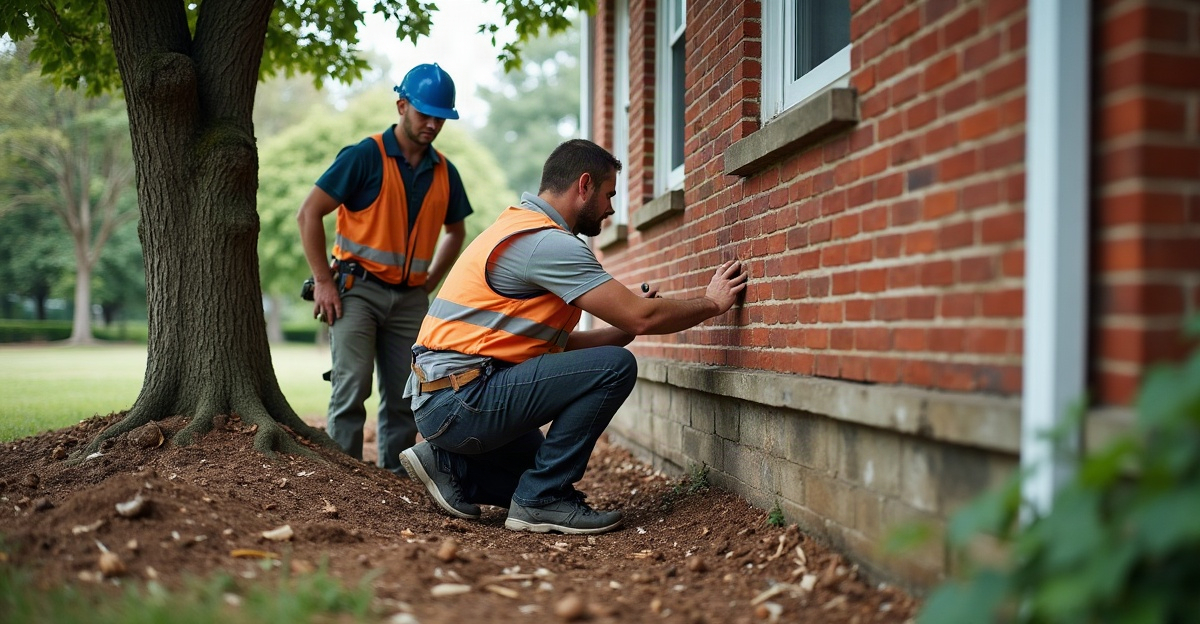
Tree roots and foundation damage often relate to changing soil moisture, drainage issues, or roots entering existing cracks and openings. A nearby tree doesn’t automatically cause settlement or cracking. We recommend a site-specific assessment of the foundation, soil, drainage, and crack progression.
Key Takeaways
- Sound concrete foundations rarely fail from root pressure alone. Roots can worsen existing cracks, joints, utility openings, and drain-line defects.
- Mature trees can create uneven foundation support by drawing moisture from clay-rich or shrink-swell soils.
- Poor grading, roof runoff, water infiltration, freeze-thaw cycles, weak soils, and poorly compacted fill can also cause foundation cracks and movement.
- Widening cracks, bowing walls, sticking doors, sloping floors, water intrusion, and visible displacement need prompt review from a qualified professional.
- We recommend correcting drainage before blaming a tree. Avoid cutting major roots or removing a mature tree without advice from an arborist and foundation professional.
The Straight Answer: When Trees Can Affect a Foundation
Tree roots and foundation damage can occur, but roots rarely break an intact, sound concrete foundation through physical force alone. In most cases, roots contribute to changing soil moisture, poor drainage patterns, or growth into openings that already exist.
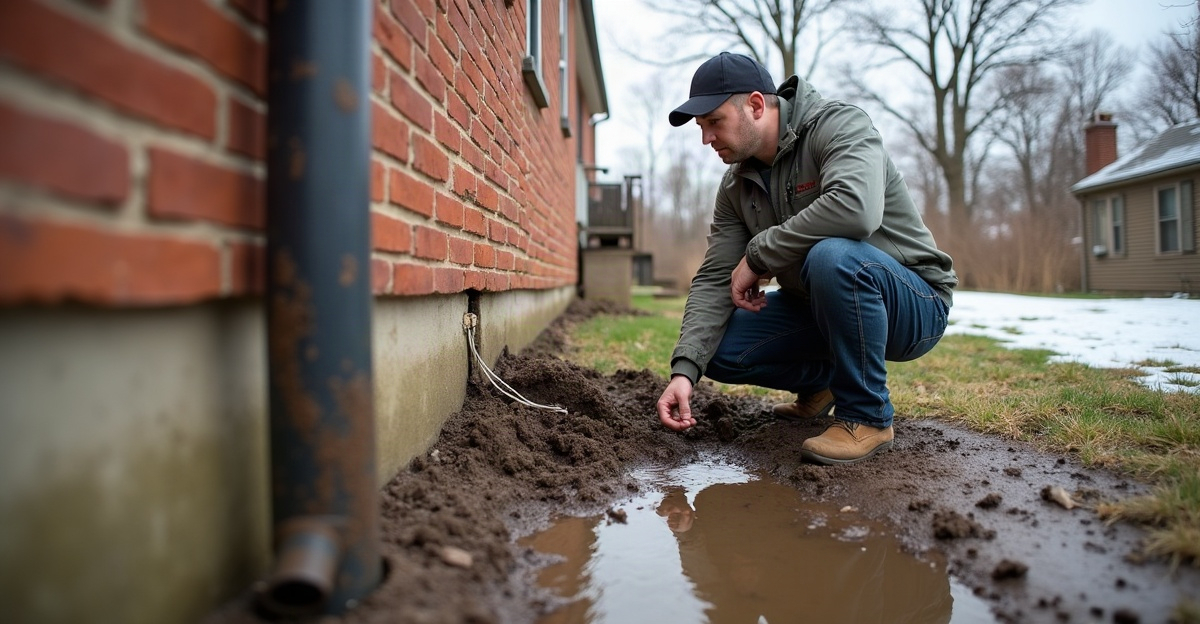
Roots often follow water and available space. They can enter cracks, joints, utility penetrations, drain lines, and gaps around the structure. That can make an existing defect worse, but it does not mean a nearby tree created the original problem. Foundation cracks from roots often reflect an underlying weakness, movement, or opening that gave the roots a path.
Across Bloomington and the Twin Cities, foundations deal with freeze-thaw cycles, seasonal moisture shifts, drainage issues, and varying native or fill soils. Conditions can differ sharply from one property to the next. A mature tree near the house is a reason to investigate, not automatic proof that it caused cracking or settlement.
How Tree Roots and Soil Movement Can Lead to Problems
Trees may affect foundations in two main ways. The first is indirect soil-moisture change. Large, mature trees draw water from surrounding soil. In clay-rich or shrink-swell soils, this can matter because shrink-swell soil expands when wet and contracts when dry. Drying soil may shrink and provide less consistent support beneath part of a foundation.
Soil movement from trees is often about uneven moisture and uneven support below the structure, rather than root pressure pushing against concrete. Seasonal rain, irrigation, drought, snowmelt, drainage discharge, and a tree’s water demand can all affect the pattern.
The second issue is direct growth into an existing weakness. Roots can enter displaced joints, cracks, drain lines, utility openings, and gaps near a foundation. Once inside, they can obstruct drainage or widen a vulnerable area over time.
Risk depends on tree species, maturity, water demand, root spread, foundation depth, soil type, climate, grading, and drainage. Generic online tree-to-house distance rules do not account for those variables. A site-specific evaluation gives us a far more reliable answer.
Removing a mature tree does not necessarily reverse settlement. It can also change soil moisture again, which may create another period of movement. Before removing a tree or cutting major roots, we recommend evaluating the foundation, drainage, and tree health as one connected issue.
Other Common Causes of Foundation Cracks and Movement
Foundation cracks do not automatically mean trees are responsible. Many homes develop cracks from concrete curing, normal shrinkage, water exposure, changing soil conditions, or construction-related factors.
Settlement is downward movement that occurs when soil beneath a foundation no longer provides consistent support. Weak bearing soils, disturbed soil, poorly compacted fill, and water infiltration can all contribute. Foundation settlement causes often involve several conditions at once rather than one clear event.
Common causes or contributors include poor grading, downspouts discharging near the foundation, concentrated roof runoff, freeze-thaw movement, frost-related conditions, native soil variability, fill soils, changing structural loads, and construction defects. Additions can also change how loads transfer into the ground.
Drainage and foundation movement are closely connected. Water can soften or erode soil, while extended dry periods can cause some soils to shrink. Our guide on soil conditions and foundation stability explains why the soil below the home matters as much as the concrete above it.
Crack appearance alone is not a diagnosis. We look at location, width, direction, age, progression, and related symptoms. A stable hairline shrinkage crack is different from a crack that widens, shifts, or appears with sticking doors and uneven floors. Even suspected foundation cracks from roots need that broader assessment.
Signs That Deserve a Closer Look
One crack by itself does not prove structural failure. Combinations of symptoms, visible progression, and changes after heavy rain, snowmelt, or prolonged dry conditions provide more useful information.
A professional assessment is warranted when cracks widen, lengthen, or return after repair. Stair-step cracks in masonry or block walls, horizontal basement-wall cracks, bowing walls, and vertical cracks with one side sitting proud of the other also need attention. Doors and windows that begin sticking, sloping floors, gaps around trim or additions, water intrusion, persistent dampness, erosion, and soil pulling away from the foundation during dry periods can point to active movement.
We recommend prompt evaluation when wall bowing is present, cracks are actively growing, visible displacement has occurred, or there are safety concerns. Review these signs of foundation settlement to understand which changes deserve timely action. Small cracks should also be monitored, since small foundation cracks can reveal a developing moisture or movement issue.
What to Do Before Assuming the Tree Is the Problem
Start with documentation. Take dated photos of cracks, record their width where practical, and note whether they change over time. Track conditions after heavy rain, snowmelt, long dry periods, and major landscaping changes.
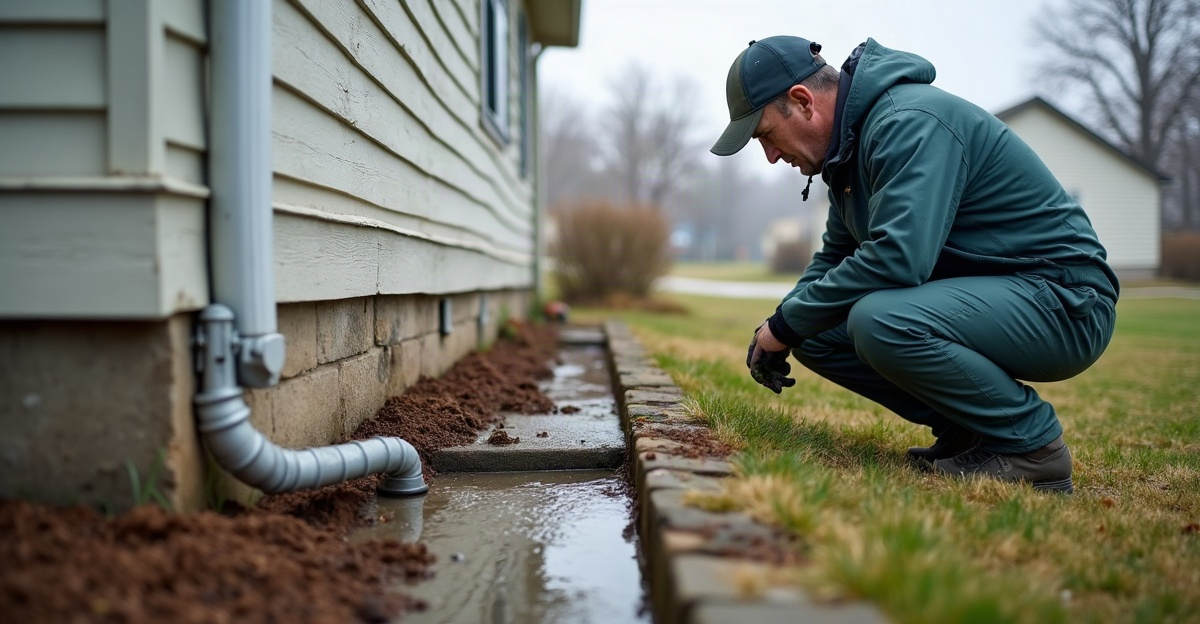
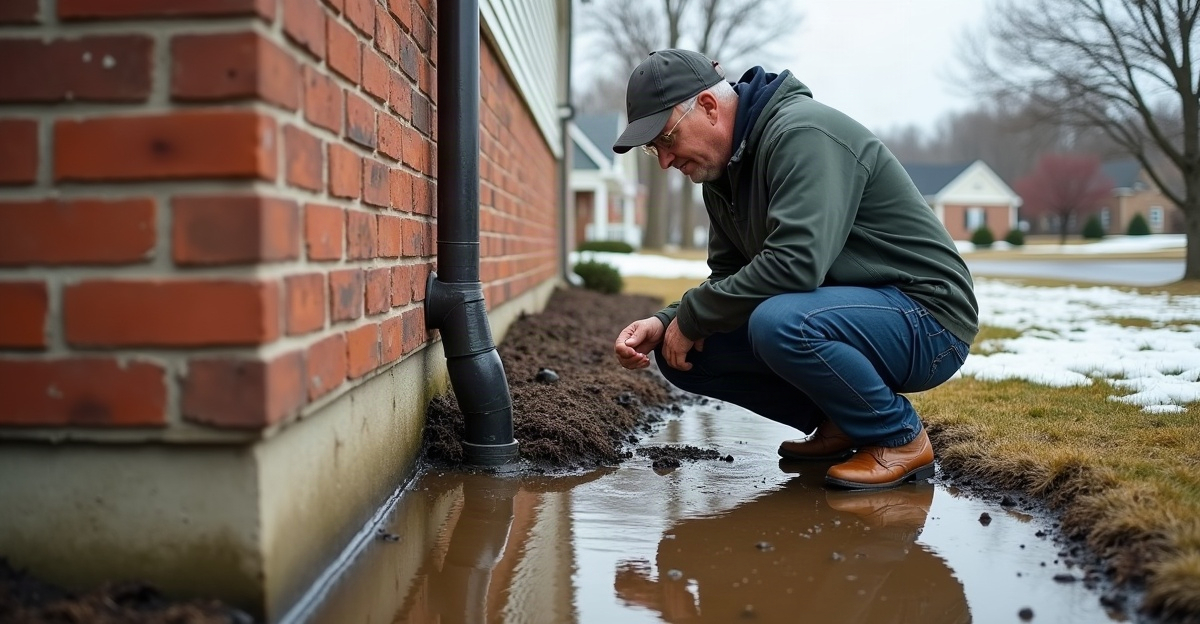
Check gutters, downspouts, grading, and discharge locations before blaming a tree. Look for standing water, roof runoff concentrated near the home, erosion, and downspouts that empty too close to the foundation. Practical steps to prevent shifting-soil damage often begin with managing water consistently.
Do not cut major roots without advice from a qualified arborist. Root pruning can harm or destabilize a mature tree. An arborist can address tree health, removal, pruning, and tree-risk concerns. A foundation-support professional can assess settlement, support conditions, and potential repair options. A structural engineer may be appropriate when significant movement, design questions, or safety concerns are present.
Photos help document changes, but they cannot confirm foundation safety or identify the full cause of movement. We need to assess the site, structure, drainage, soil conditions, and symptoms together.
Prevention, Repair Options, and When Helical Piers May Help
Good prevention starts with water management and sound site planning. Maintain positive grading away from the home. Direct downspouts away from the foundation, avoid concentrated roof runoff, and keep irrigation patterns as consistent as practical. During new construction or landscaping, consider tree placement, soil conditions, and foundation depth before work begins.
Root barriers can help in certain situations, but they need careful planning. A poorly planned barrier can harm the tree or redirect water into another problem area. Before building an addition, garage, deck, or other structure near mature trees, we recommend evaluating the soil and footing conditions.
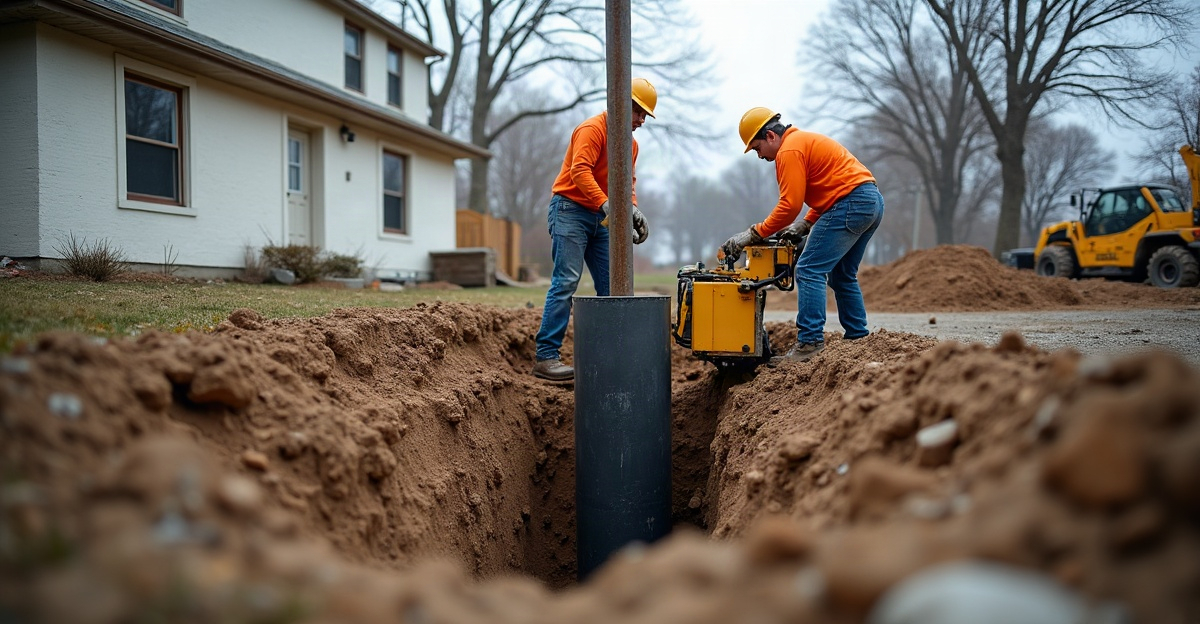
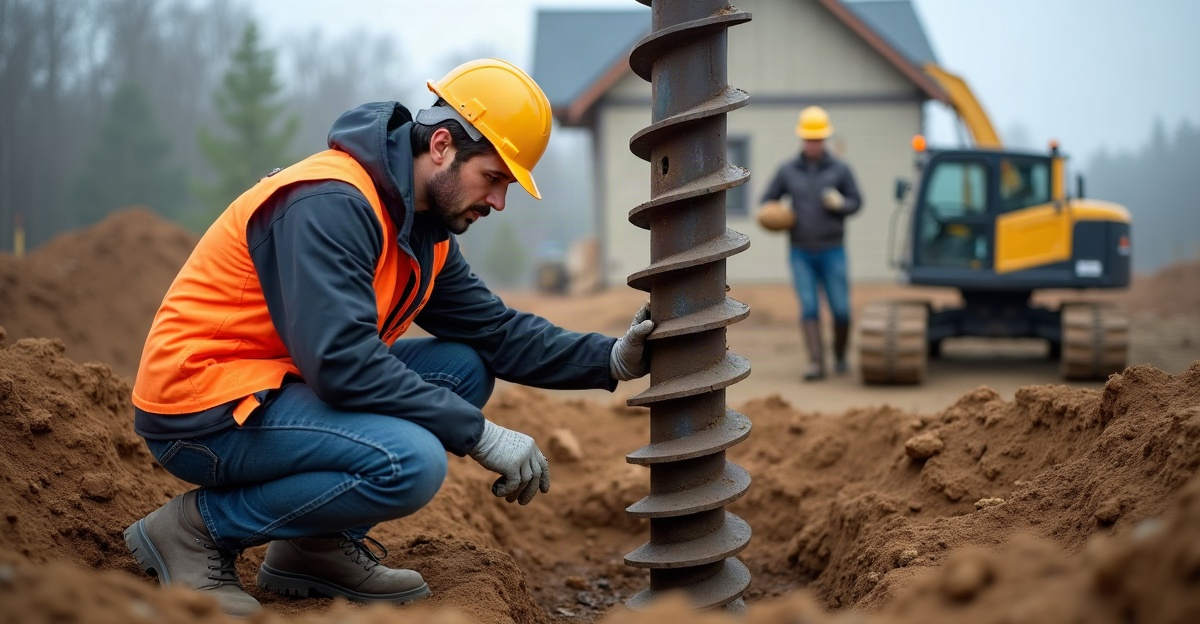
Helical piers can transfer structural loads to more competent bearing soil when settlement or inadequate support is confirmed. Bearing soil is soil capable of safely supporting the structure’s load. For homes with verified settlement, helical piers for settling foundations can provide targeted support without the extensive excavation often required for conventional footing work.
Helical piers may support foundation stabilization, additions, garages, decks, and other structures where conventional concrete footings are difficult or unsuitable. We provide foundation repair stabilization after evaluating the cause and extent of movement. We also install support for foundation additions, garage foundations, and deck footings where site conditions call for deep support.
Piers do not fix poor drainage, remove roots, repair every crack, or replace a complete diagnosis. Installation decisions should follow a site-specific review of the structure, loads, soil conditions, and source of movement.
Common Questions About Trees and Foundations
Can tree roots crack a concrete foundation?
Roots can enter and enlarge existing cracks, joints, and openings. They rarely create major structural damage in sound concrete by force alone.
How can we tell whether a tree is causing foundation problems?
We assess crack progression, drainage, soil conditions, tree location, root activity, and related symptoms. A nearby tree alone is not proof.
Will removing a tree stop foundation settlement?
Not always. Existing settlement will not automatically reverse, and removal can change soil moisture conditions again.
Can tree roots cause basement wall cracks?
Roots may contribute where they enter existing gaps or affect nearby soil moisture. Horizontal cracks or bowing basement walls require prompt professional review.
When are helical piers used for foundation settlement?
We use them when evaluation confirms inadequate support or settlement and deeper bearing soil can provide suitable load support.
Should we call an arborist, foundation contractor, or structural engineer first?
Call an arborist for tree and root decisions. Contact a foundation-support professional for settlement and repair concerns. Use a structural engineer for significant movement, safety concerns, or structural design questions.
For ongoing settlement concerns, planned structural work, or foundation-support needs in Bloomington and the Twin Cities, contact TR Helical Piers for a site-specific evaluation.