How Helical Piers Help Stabilize Settling Foundations?
Foundation stabilization with helical piers stops settling by transferring a structure’s weight from shifting surface soils to deeper, load-bearing layers with verified capacity. In Minnesota, freeze-thaw cycles, expansive clays, and poor compaction drive uneven settlement. We anchor the foundation below unstable soils and can lift the structure in a controlled way when structural conditions allow.
Key Takeaways
- Settling foundations usually result from soil movement, poor compaction, moisture swings, freeze-thaw cycles, or added structural loads.
- We advance helical piers with hydraulic rotation and monitor torque in real time to verify load capacity during installation.
- The system bypasses unstable surface soils and transfers structural loads to deeper, stable bearing layers.
- Crews complete installation with limited excavation. The piers provide immediate load capacity, and most residential projects finish within days.
- We perform detailed evaluations, accurate load calculations, and record torque readings during installation to support long-term performance and durability.
Do not modify or enhance the wording; the text must remain identical except for the HTML markup. Do not convert the first sentence or introductory text into a heading — it must remain a normal paragraph (<p>).
What’s Causing Your Foundation to Settle in the First Place?
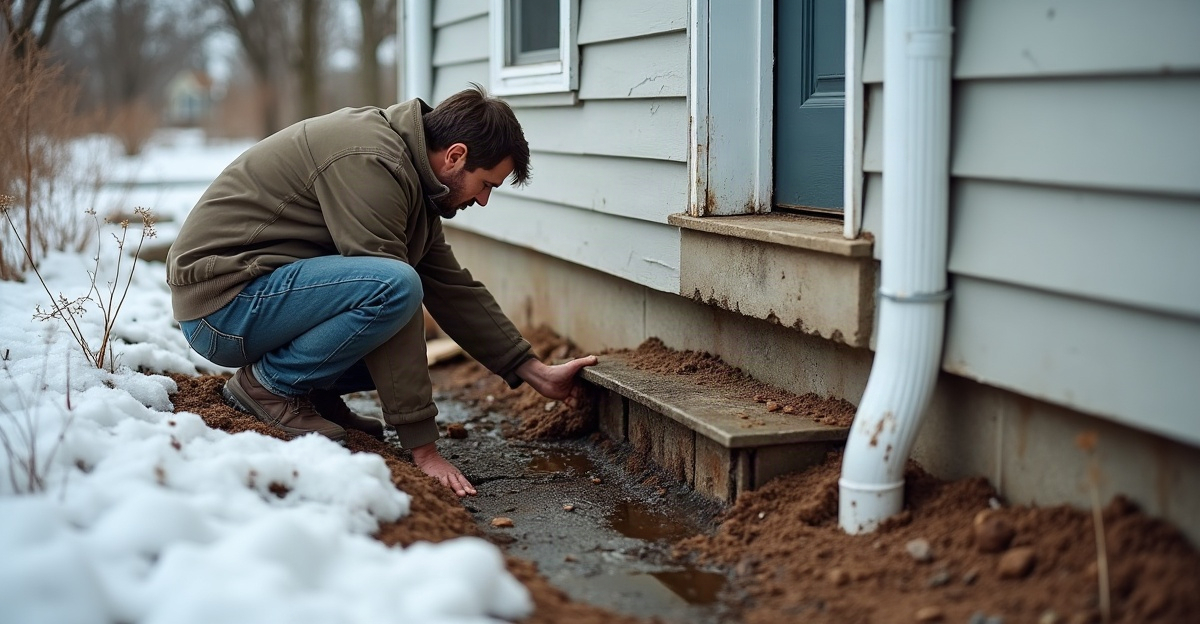
A settling foundation happens when the soil under a footing or slab shifts, compresses, or washes away. As that support changes, parts of the structure drop or move unevenly, creating stress in the framing above.
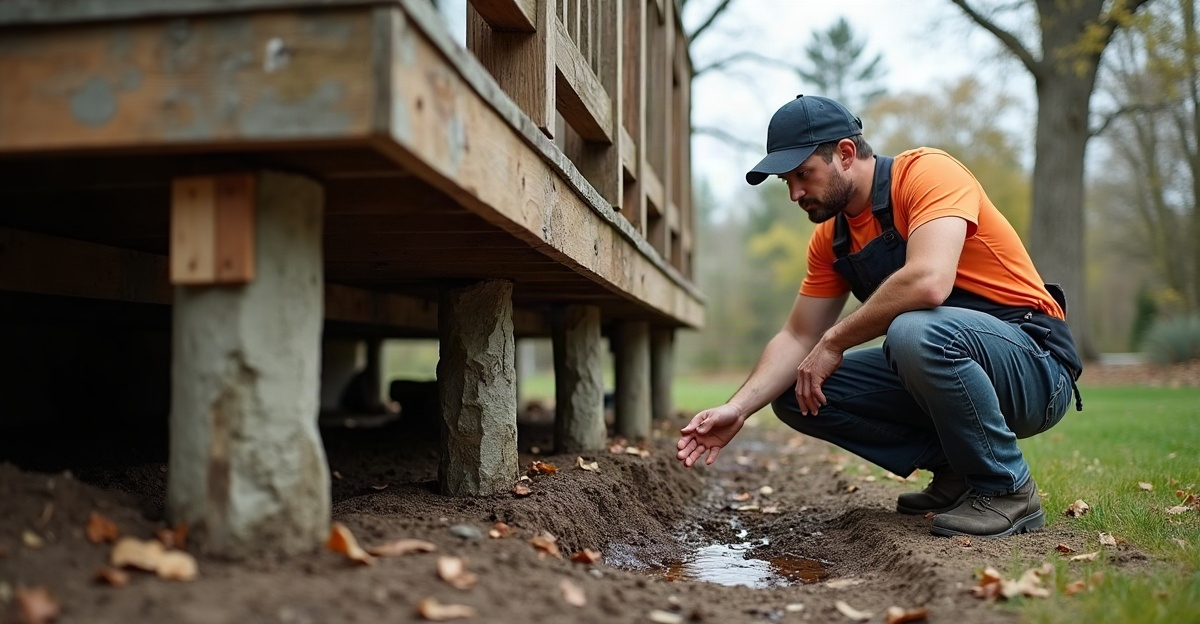
Across Bloomington and surrounding Minnesota communities, we see the same core drivers again and again. Expansive soils shrink during dry periods and swell when moisture returns. Poorly compacted fill around new construction can compress over time. Minnesota freeze-thaw cycles push and pull at shallow footings. Drainage problems or heavy rainfall can soften soils. Added weight from remodels, garages, decks, or room additions can overload soils that were already marginal.
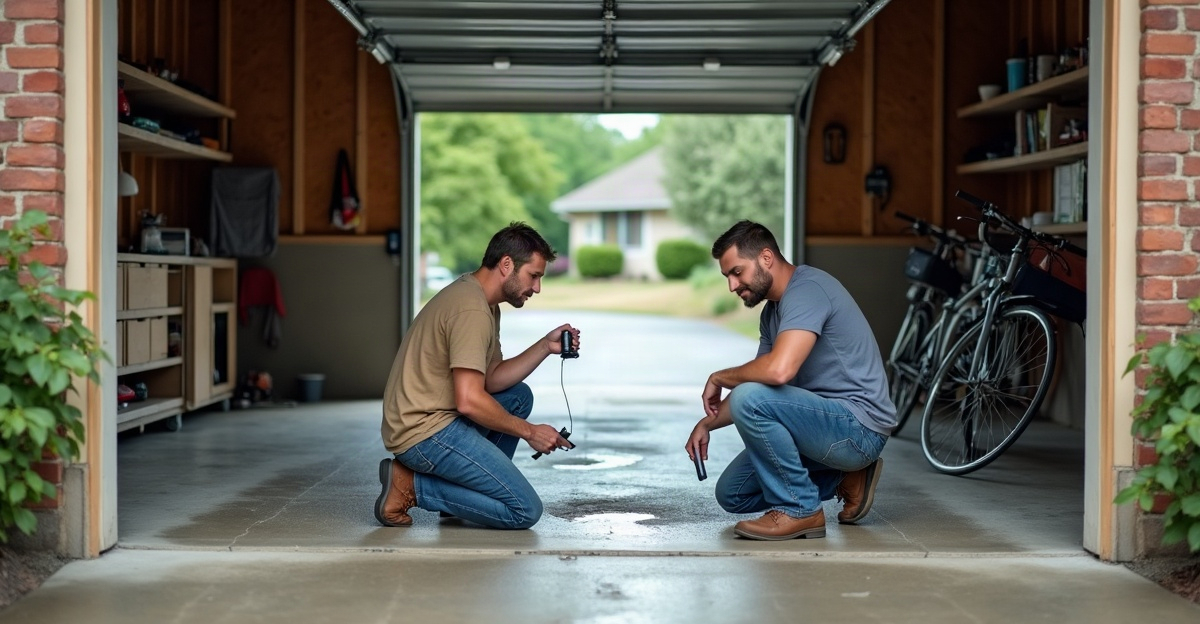
Soil movement rarely happens in a perfectly uniform way. One corner may settle while the rest of the structure stays put. That difference in movement creates visible symptoms:
- Diagonal wall cracking at window and door corners
- Sticking doors and windows
- Uneven floors or noticeable slope
- Cracked brick or block
- Sinking footings or separated porch slabs
Those are common indicators of shifting soil under part of the structure. At the same time, not every crack means structural failure. Minor surface cracking in drywall or concrete can be cosmetic. A proper evaluation helps determine whether you’re dealing with simple repairs or true settling foundation repair that requires structural stabilization methods.
How Foundation Stabilization with Helical Piers Actually Works
Foundation stabilization with helical piers is a deep foundation system that transfers structural loads to stronger, more stable soil layers well below the surface. Instead of relying on shallow soils that are shifting or compressing, we anchor into load-bearing soils deeper underground.
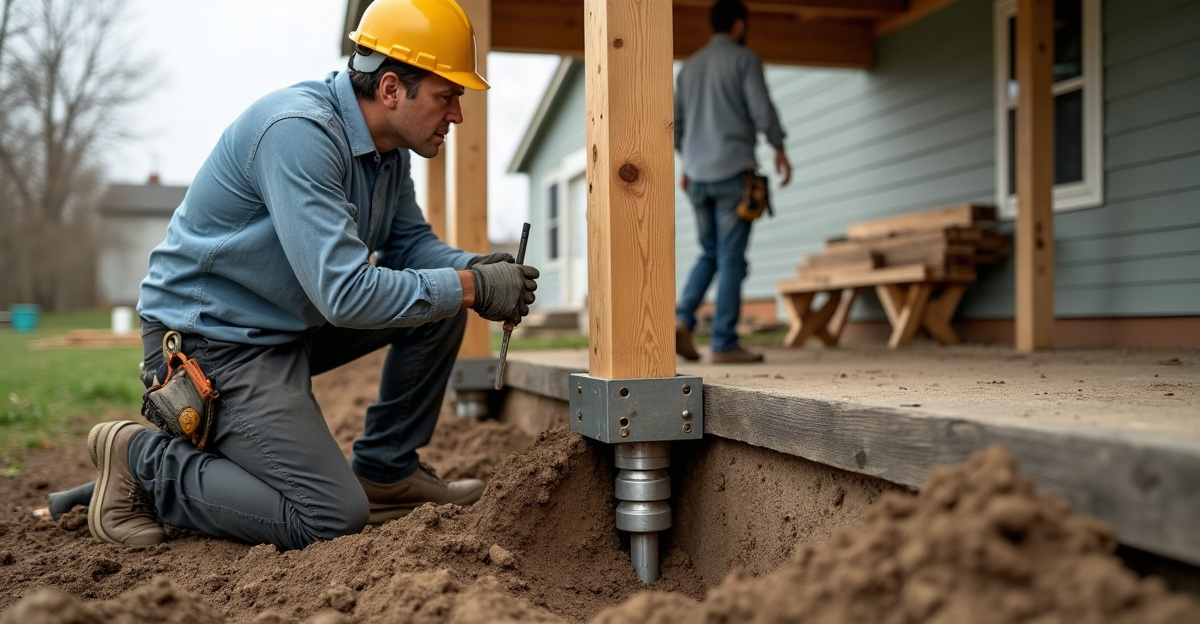
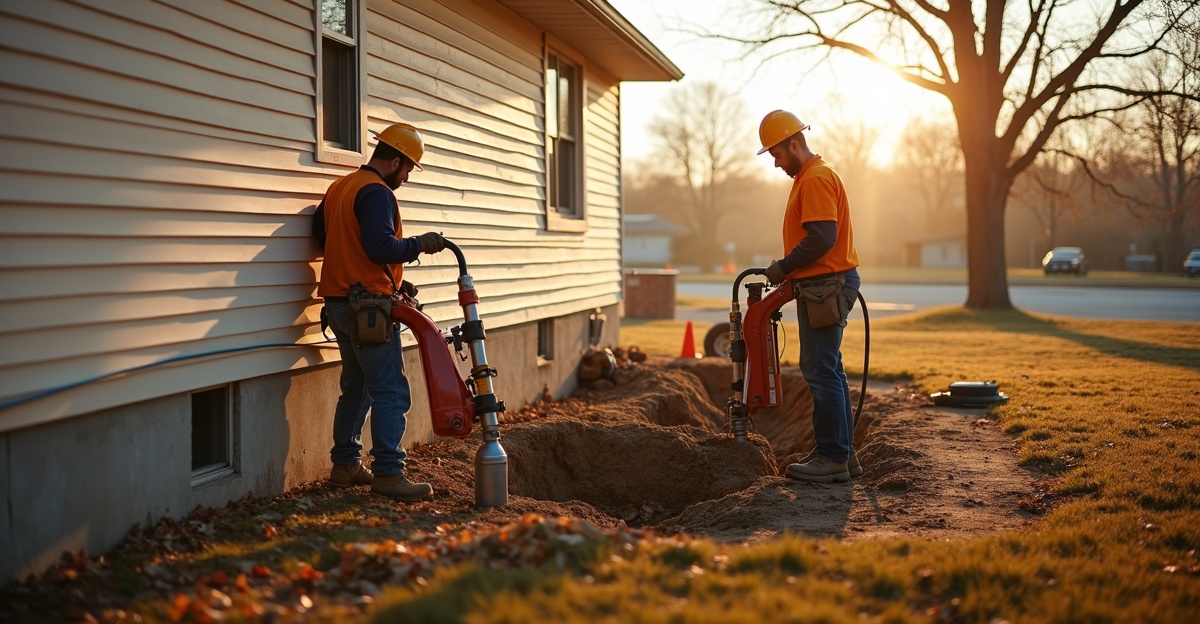
Each pier consists of a steel shaft with one or more helical plates welded to it. Think of those plates as heavy-duty steel discs. We use hydraulic equipment to rotate the pier into the ground. The pier advances like a large screw, moving through weaker surface soils until it reaches bearing strata capable of supporting the required load.
During installation, we monitor torque. This is critical. Helical piers are installed using a torque-correlated capacity method. As resistance increases, torque rises. That measured torque directly relates to how much weight the pier can support. We don’t guess at capacity. We confirm it in real time using installation data.
Once the pier reaches the required depth and torque:
- We attach steel brackets to the existing footing or grade beam.
- We transfer the structural load from unstable soils onto the helical pier system.
- When appropriate and structurally safe, we may perform controlled lifting to recover some settlement.
Full recovery isn’t always possible, and we don’t promise that in every case. The goal is structural stability first. Any lift is completed carefully to avoid additional stress on the building.
In simple terms, pier foundation repair bypasses weak surface soils. It connects the foundation to deeper, more dependable layers, creating a predictable structural support system that resists future soil movement near the surface.
For property owners dealing with ongoing settlement, we often incorporate this approach into a broader foundation repair and stabilization plan based on site conditions and structural demands.
What to Expect During Installation: Timeline, Disruption, and Site Impact
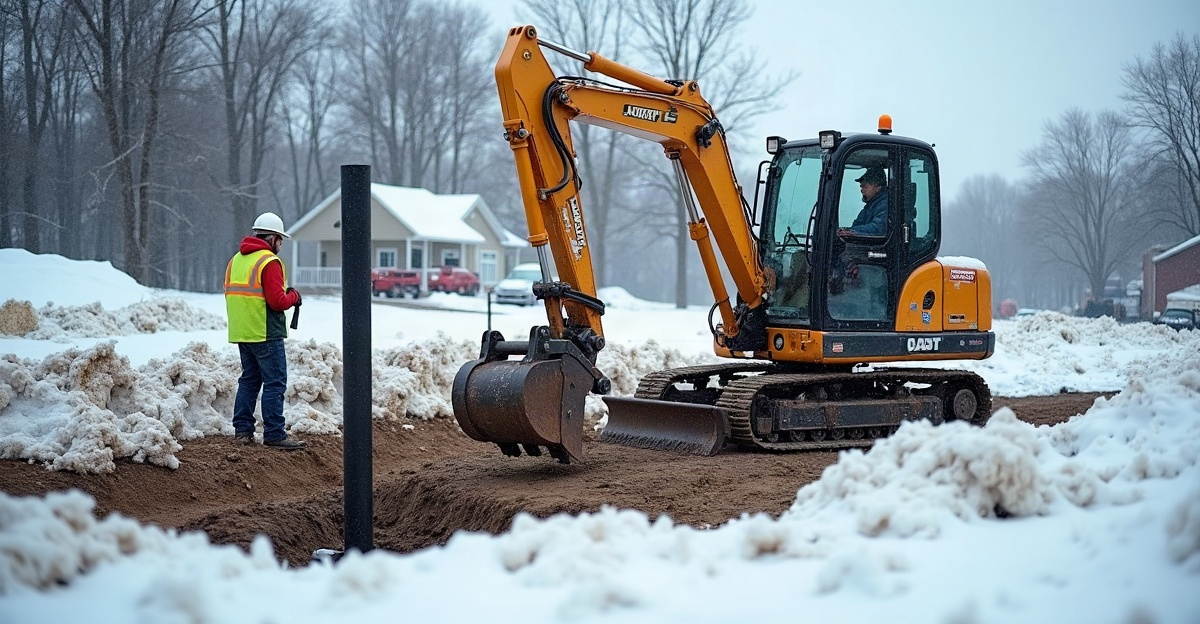
Settlement repairs don’t have to turn into months of disruption. Compared to traditional structural stabilization methods that require large excavations, helical piers involve minimal excavation. We expose the footing at each pier location, install the pier, attach the bracket, and move to the next location.
In most residential settling foundation repair projects—such as a settled corner, deck support, or small addition—work is often completed in days rather than weeks. The exact timeline depends on how many piers are required, access conditions, and soil resistance.
Several key points shape real-world expectations:
- Equipment is compact enough to work in tight residential spaces.
- Piers are installed one at a time along the affected section.
- There is some noise and vibration during advancement.
- Landscaping impact is controlled when we plan layout carefully.
Unlike traditional concrete systems, helical piers provide immediate load-bearing capacity. There’s no cure time. As soon as the pier reaches target torque and brackets are secured, it can support structural load. That’s a major benefit where schedule matters or weather is unpredictable.
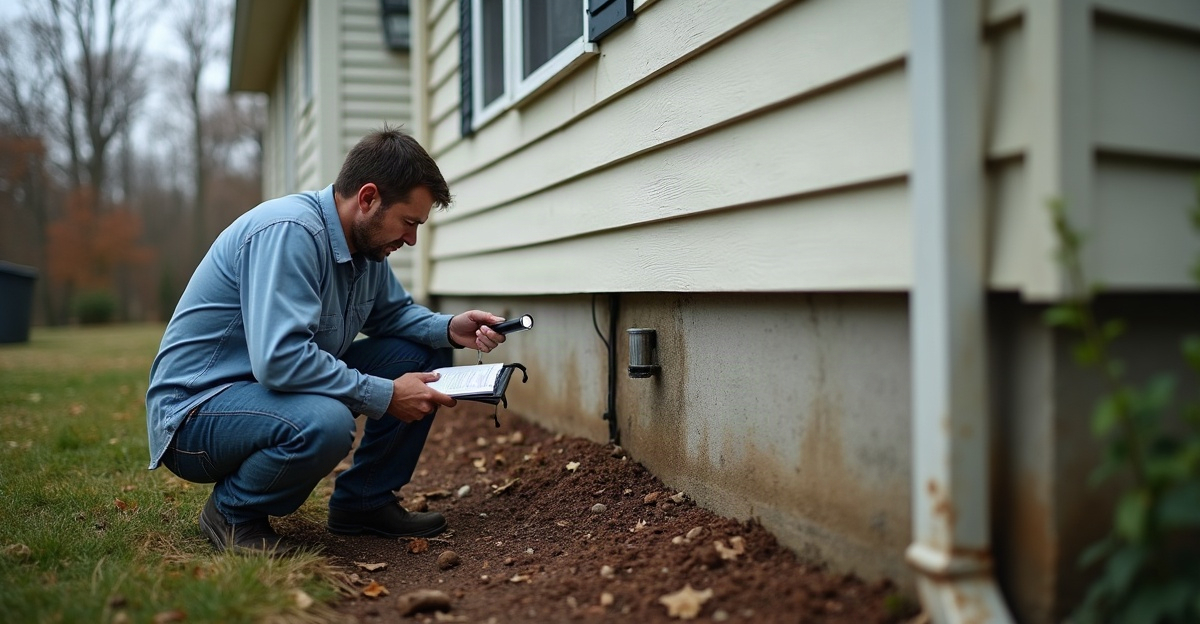
A professional evaluation is essential before installation begins. We assess cracking patterns, measure elevations, review loads, and determine pier placement. When required, a structural engineer provides load calculations and layout guidance. That upfront planning protects the structure and ensures the right stabilization approach is used for the situation.
Property owners who want a deeper look at our process can review our approach to helical pier installation and see how we sequence the work.
When Helical Piers Make Sense—And When They Don’t
Helical piers are highly effective in the right scenarios. We recommend foundation stabilization with helical piers in situations such as:
- Existing settlement limited to one wall or corner.
- New construction planned on poor or inconsistent soils.
- Support for additions, garages, decks, and porches.
- Preemptive stabilization where Minnesota soil conditions are known to shift.
They’re especially useful in areas influenced by frost movement and variable fill soils. Instead of relying on shallow layers that move each winter, we transfer loads deeper into stable bearing strata.
At the same time, helical piers are not a universal answer.
Minor cosmetic cracking without structural movement may not require deep foundation work. Widespread slab-on-grade settlement sometimes calls for alternative systems better suited to slab conditions. Certain engineered solutions, particularly in commercial or highly specialized structures, may demand different deep foundation or soil improvement approaches.
Selecting the right method depends on the structure, soil report (if available), and the pattern of movement. That’s why we treat every project independently rather than pushing one product for every problem.
For additions or structural expansions, properly designed foundation support for additions using helical piers can help prevent future settlement before it starts.
How Helical Piers Compare to Traditional Concrete Footings
Traditional concrete footings have served construction for decades. They perform well when bearing soils at shallow depth are stable and predictable. The key difference is soil dependence.
Concrete footings rely on near-surface soil strength. If those soils weaken, erode, or shift, the footing moves with them. Pier foundation repair shifts that load deeper into more dependable soils.
Excavation size also differs. Traditional concrete footings require larger open excavations and stable working conditions. Helical piers require smaller excavations at each pier location, reducing site disturbance.
Weather matters in Minnesota. Cold temperatures can delay concrete placement or affect cure time. Concrete must reach sufficient strength before full loads are applied. Helical piers, by contrast, can be installed in a wider range of weather conditions and offer immediate load-bearing capacity once installation torque is achieved.
Neither approach is automatically right or wrong. The correct system depends on soil conditions, structure type, and performance expectations. In cases of active settlement driven by shifting soil, deep foundations often provide a more controlled long-term solution.
Cost Factors, Longevity, and Questions to Ask Before Moving Forward
Cost factors vary from project to project. No two settling foundation repair jobs are identical. Key variables include:
- Depth required to reach load-bearing soil
- Number of piers needed
- Structural load and bracket configuration
- Accessibility to the work area
- Engineering analysis or permit requirements
Deeper installations and heavier loads typically increase overall cost. Limited access or tight property lines can also impact equipment setup and labor time.
Longevity comes down to materials and installation quality. We use properly coated or galvanized steel where required to address corrosion concerns. Torque-correlated capacity must be documented so we know each pier meets the required load. Load calculations must match actual field conditions. Proper installation is what allows foundation stabilization with helical piers to perform reliably through repeated freeze-thaw cycles common in Minnesota.
Before moving forward, property owners and builders should ask direct questions:
- How is required load capacity determined?
- Will torque monitoring be documented?
- Is a structural engineer involved if needed?
- What level of lift is realistic in this case?
- How will this system perform through Minnesota freeze-thaw cycles?
Clear answers matter. Generic advice doesn’t solve site-specific soil problems. Conditions in one Bloomington neighborhood can differ from those just a few miles away.
The best next step is a detailed site visit and evaluation. We assess settlement patterns, soil conditions, structural loads, and access constraints before recommending a plan. Property owners in Bloomington and nearby communities can schedule a consultation through our contact page and get recommendations based on actual field conditions, not assumptions.