How Water Drainage Problems Can Affect Your Foundation
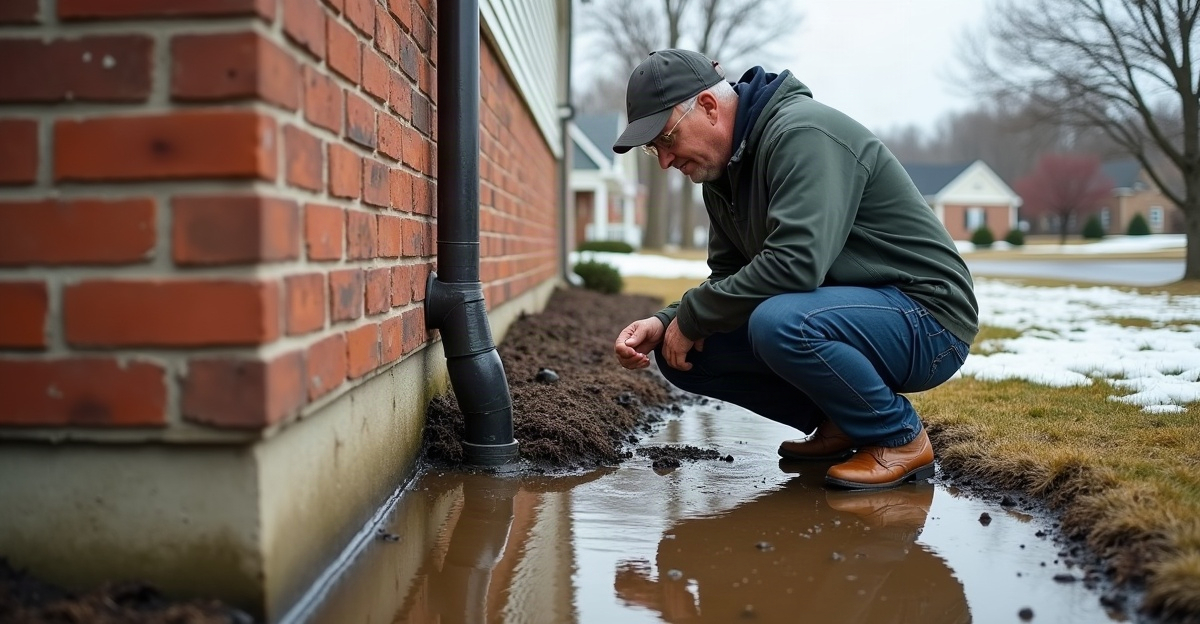
Water that repeatedly collects near a foundation can saturate the soil, weaken support, and increase pressure on below-grade walls. Drainage and foundation issues can cause settlement, cracking, wall movement, or water intrusion. Minnesota snowmelt, heavy rain, freeze-thaw cycles, and clay-rich soils can create repeated moisture shifts.
Key Takeaways
- Persistent standing water, damp basement walls, widening cracks, bowing walls, uneven floors, and sticking doors may signal that we need a professional assessment.
- Roof runoff, poor grading, blocked downspouts, and low yard areas can direct water toward footings and foundation walls.
- Saturated soil can soften, expand, shift, lose bearing strength, or wash away near support areas. These conditions can cause uneven foundation movement.
- Drainage, waterproofing, and structural repairs solve different problems. Improving drainage alone may not correct existing settlement or wall movement.
- We should clean gutters, extend downspouts, maintain positive grading, and record recurring water issues or crack changes before scheduling an assessment.
Warning Signs That Water Around a Foundation May Need Attention
Drainage and foundation problems do not mean every damp spot, puddle, or small crack is a structural emergency. Hairline cracks can result from normal curing, minor seasonal movement, or surface wear, especially when they remain stable over time.
Changes deserve attention. We recommend arranging a professional evaluation when water around foundation areas appears repeatedly, symptoms are new or worsening, or several warning signs occur at the same time.
Common warning signs include:
- Standing water that remains near the foundation after surrounding areas have dried
- Damp basement walls, water intrusion, or recurring white mineral deposits called efflorescence
- New, widening, diagonal, horizontal, or stair-step cracks
- Bowing, leaning, or visibly displaced foundation walls
- Uneven or sloping floors inside the structure
- Doors and windows that suddenly begin sticking or fail to latch properly
- Gaps between walls, trim, floors, masonry, or exterior siding
- Visible settlement near a porch, deck, addition, garage, or main foundation
An isolated, stable hairline crack usually raises less concern than a crack that widens, changes direction, or appears alongside water entry and movement. Our guide on small foundation cracks explains why monitoring crack progression matters. For a broader review of movement-related symptoms, see the common foundation repair signs.
How Poor Drainage Can Lead to Foundation Movement and Damage
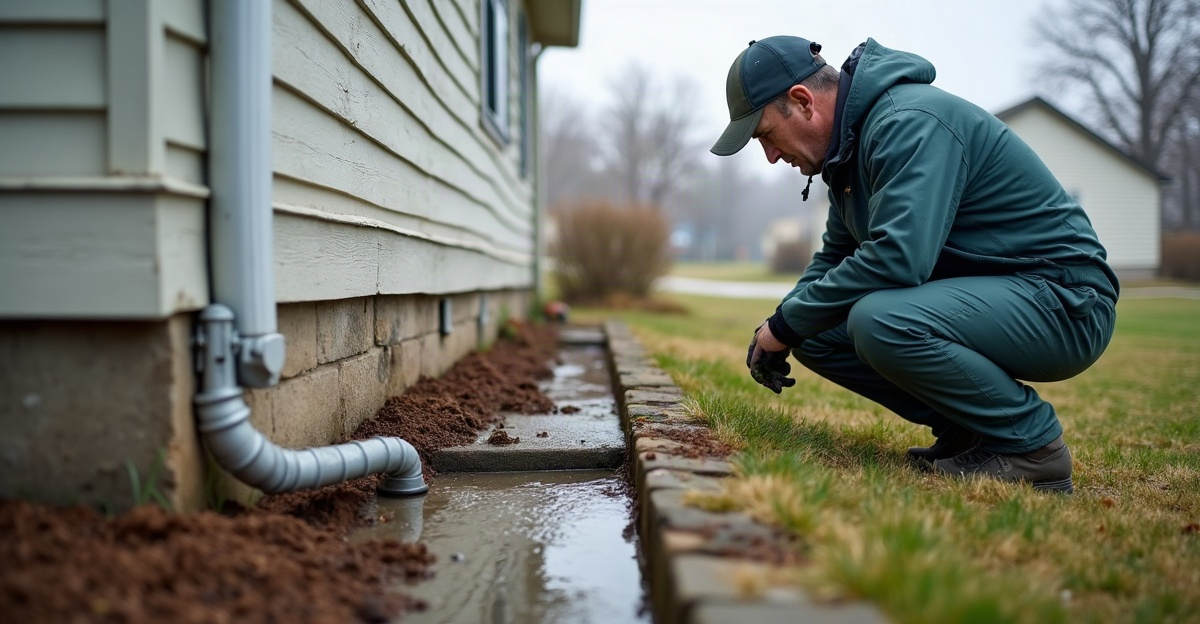
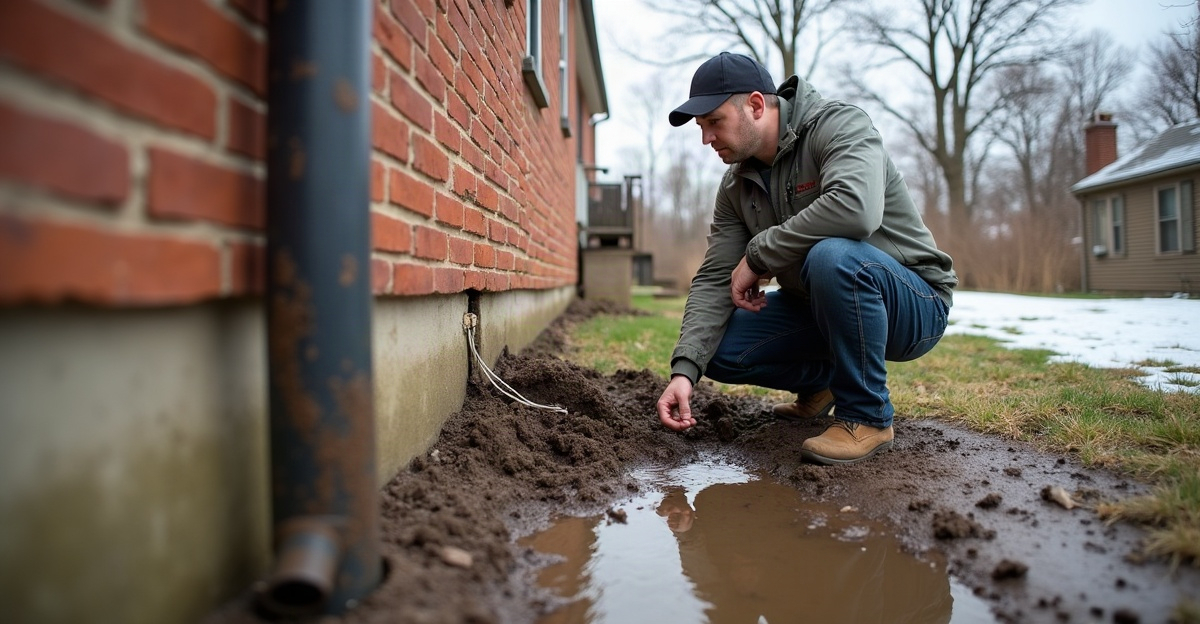
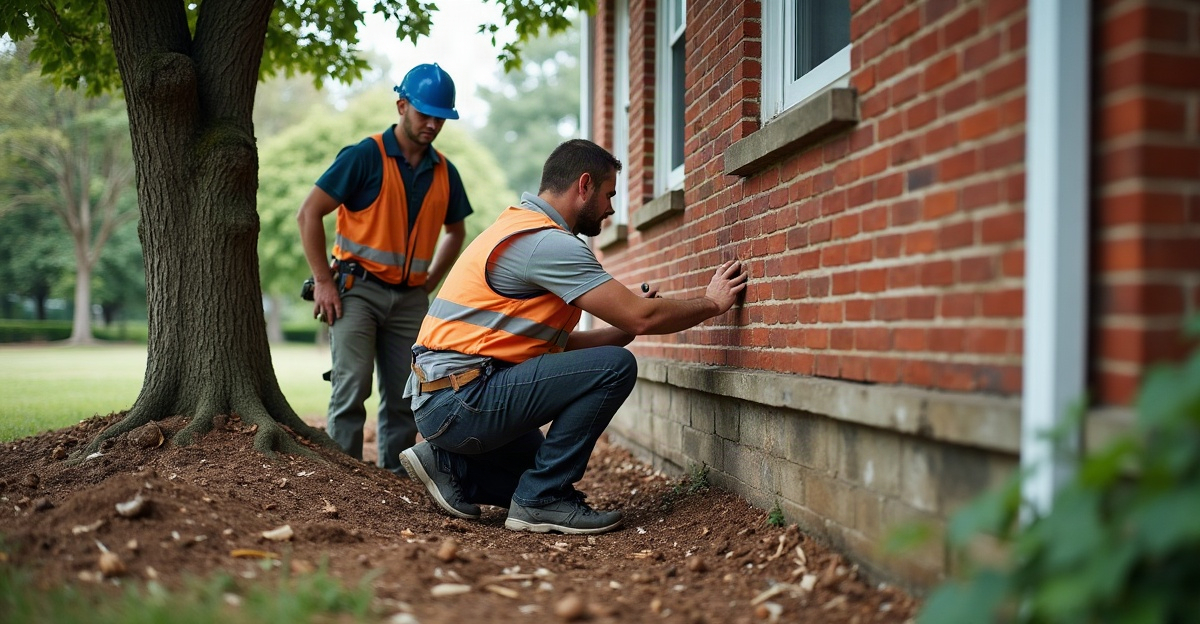
Poor drainage damage starts with water remaining where it should not. Roof runoff, improper grading, blocked downspouts, and low areas in a yard can concentrate water near footings and foundation walls. Once soil becomes saturated, its ability to provide consistent support can change.
Wet soil may expand, soften, shift, or lose bearing capacity. In some conditions, flowing water can carry fine soil away from support areas, creating washout concerns beneath or beside footings. Repeated wet-dry cycles can also cause soil volume to change over time. These conditions may contribute to settlement, cracking, or uneven support, but the cause and severity must be evaluated at the property.
Below-grade basement walls face another concern. Water-saturated soil can create hydrostatic pressure against the exterior wall. That pressure may contribute to water entry, damp walls, or wall movement in certain situations. A basement wall that bows or moves needs prompt assessment, especially if water intrusion is also present.
Drainage and foundation problems can affect more than the main house. A settling addition, porch, garage slab, deck footing, or exterior stair landing may show movement where water repeatedly collects. Our information on soil and foundation stability provides added context on why support conditions matter.
We do not diagnose movement from a single symptom. Foundation performance depends on soil conditions, structural loads, drainage patterns, construction details, and property history.
Why Minnesota Weather and Soil Conditions Can Make Drainage More Important
Bloomington, the Twin Cities, and surrounding Minnesota communities experience weather patterns that can place extra demand on foundation drainage. Spring snowmelt, intense rainfall, freeze-thaw cycles, and saturated ground can all increase foundation moisture concerns.
Freeze-thaw cycles can add to movement where soil is already wet. Water in the soil can freeze, expand, thaw, and leave changing moisture conditions behind. Over repeated seasons, this expansion, contraction, and shifting may affect soil support around footings, basement walls, garages, and additions.
Many Minnesota properties also have clay-rich or variable soils. Clay can react strongly to changing moisture levels, while variable soil layers can drain and support loads differently across one site. That does not mean every Bloomington or Twin Cities property has the same soil conditions or needs the same repair. Each property needs its own assessment.
Understanding Minnesota foundation settlement helps connect seasonal moisture changes with the movement patterns seen in local structures. Consistent runoff control and proper surface drainage can reduce exposure to water-related stress, even though they cannot correct every existing issue.
Drainage, Waterproofing, and Structural Repair Solve Different Problems
These services often work together, but they do different jobs. Treating one issue does not automatically resolve the others.
Drainage moves surface and subsurface water away from the foundation. Common drainage measures include positive grading, gutters, downspout extensions, swales, and properly planned drainage systems.
Waterproofing helps limit water entry through or around foundation walls and basement areas. It may include exterior wall protection, drainage components, sealants, or interior water-management methods, depending on the condition.
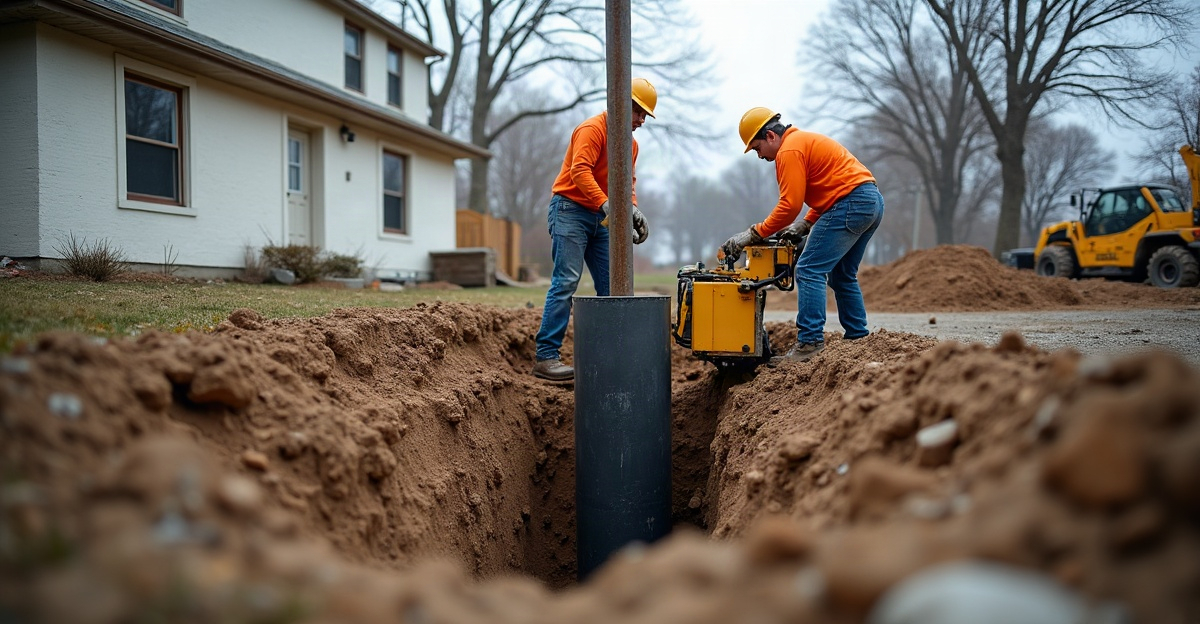
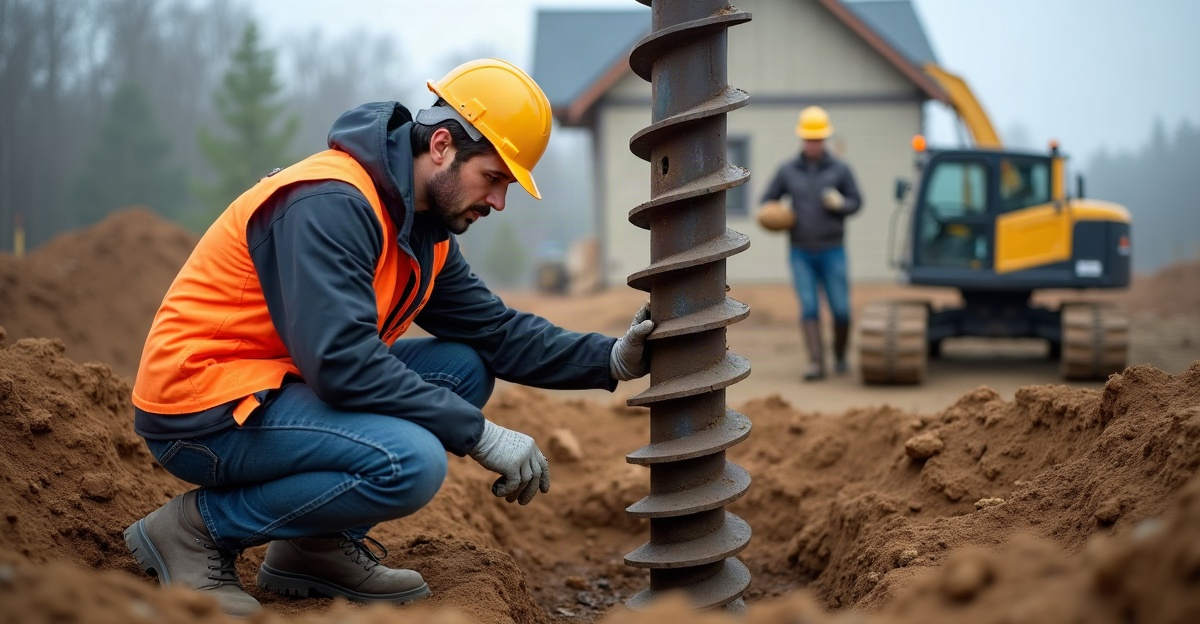
Structural repair and support address settlement, wall movement, footing deficiencies, and other stability concerns. The right repair may involve engineered support systems, wall stabilization, or helical piers where conditions support that approach.
Drainage improvements can reduce ongoing moisture-related stress, but they may not reverse foundation settlement, bowed walls, cracking, or structural damage that has already occurred. Waterproofing does not correct a settling footing. Likewise, structural support does not replace proper grading, roof runoff management, waterproofing, or drainage design.
Where movement is present, we assess the structure before recommending foundation repair and stabilization. A sound plan identifies what needs correction now and what maintenance will help protect the work over time.
Safe First Steps to Reduce Water Near the Home
Practical Maintenance Checks
Basic exterior maintenance can reduce water exposure and make drainage patterns easier to understand. Before arranging an evaluation, we recommend checking the following:
- Clean gutters and keep them free of leaves, ice buildup, and debris.
- Confirm that downspouts discharge well away from the foundation where practical.
- Maintain positive grading so surface water slopes away from the home.
- Keep splash blocks, extensions, swales, and visible drainage paths clear.
- Watch where water collects after storms and snowmelt, and note how long it remains.
- Take dated photos of cracks, wall conditions, standing water, and visible settlement.
Downspout discharge distance depends on grading, lot layout, drainage paths, and local conditions. The goal is to move runoff well away from the foundation without directing it into a neighboring property, low area, sidewalk, or other problem location. Proper runoff and soil management can help reduce repeated moisture swings near the structure.
These steps may reduce ongoing poor drainage damage, but they are not a guaranteed fix for existing structural movement. We do not recommend excavating around a foundation, altering footings, adding structural supports, or attempting complex drainage repairs without qualified guidance. Those actions can disturb supporting soil or create new water paths.
When Structural Support or Helical Piers May Be Considered
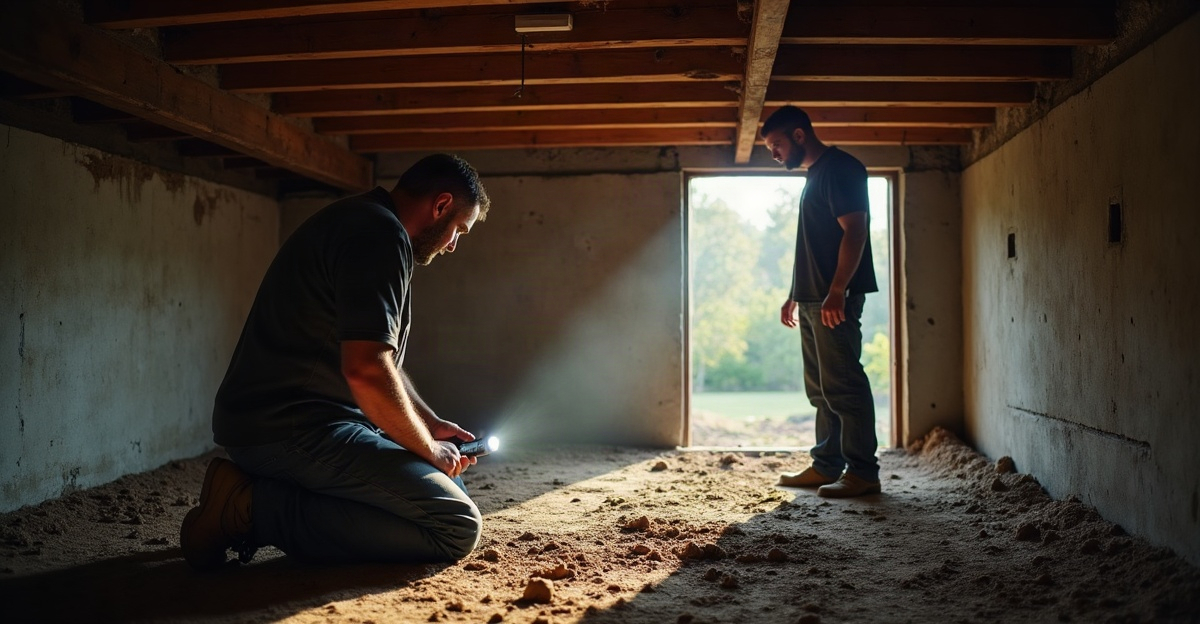
A qualified foundation evaluation becomes important when persistent water issues occur with settlement, widening cracks, wall movement, uneven floors, sticking doors, or footing concerns. The assessment should separate the drainage issue from the structural condition, then determine whether both need correction.
Helical piers may support certain settling foundations, additions, garages, decks, and other structures where engineered support is needed. They transfer structural loads to suitable supporting soil or bearing material at depth. We use them based on structural loads, site access, soil conditions, the type of movement, and project-specific engineering or contractor evaluation.
Helical piers do not solve drainage problems. They do not replace grading, runoff control, waterproofing, or a proper drainage design. In the same way, fixing drainage may reduce moisture-related stress but may not stop or reverse movement that has already affected footings or foundation walls. Learn how helical piers stabilize foundations when settlement support is appropriate.
Poor drainage can contribute to soil movement and pressure associated with foundation cracks, but crack patterns, size, progression, and related symptoms determine how concerning they are. New, widening, diagonal, horizontal, and stair-step cracks deserve attention, particularly when paired with water intrusion, bowing walls, uneven floors, or sticking doors and windows.
For additions and garages, support needs may differ from those of the main home. We provide addition foundation support and garage foundation support where site conditions and structural needs call for those services. Deck footing support also requires its own review because load paths, access, and soil conditions can differ from the house foundation.
For Bloomington, Twin Cities, and surrounding Minnesota properties, we encourage an on-site evaluation when recurring water around foundation areas appears alongside settlement, cracking, wall movement, or footing concerns. Request an evaluation so we can help determine whether the next step is drainage correction, structural support, or coordination with another qualified professional.