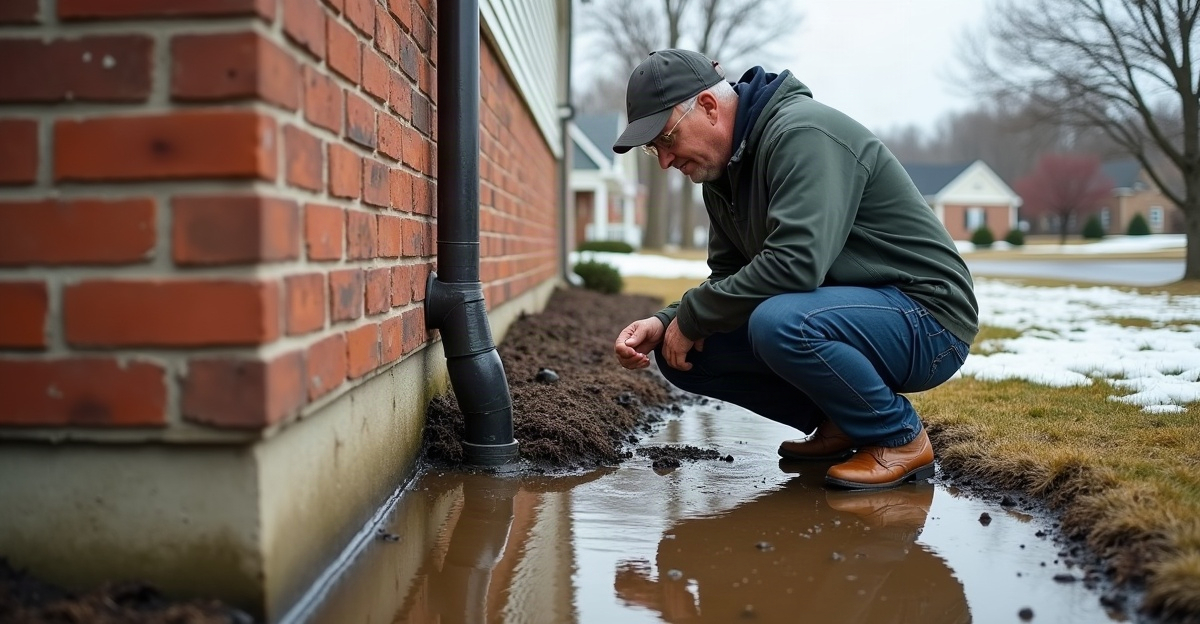
How to Protect Your Foundation From Excess Moisture
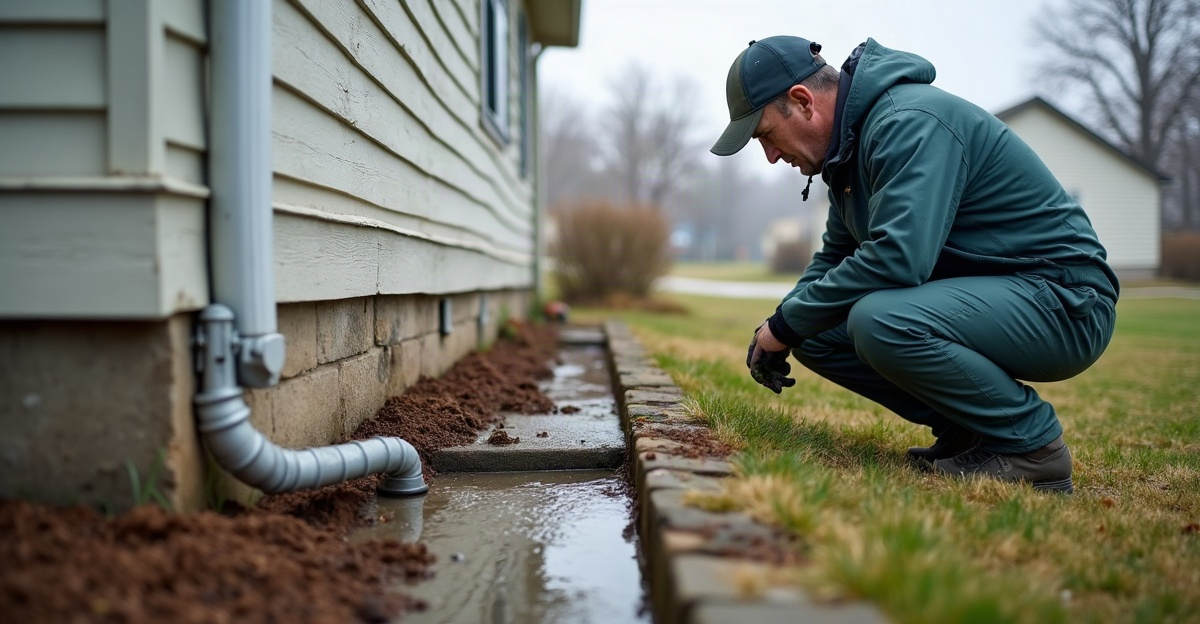
We protect foundations from moisture by identifying where water collects and directing roof runoff, surface water, and seasonal moisture away from the structure. Consistent drainage, positive grading, and prompt action on recurring wet soil reduce soil movement, erosion, and settlement risks around foundations and footings.
Key Takeaways
- We inspect gutters, downspouts, grading, landscaping, and low yard areas to identify the path water follows after rain or snowmelt.
- We keep gutters clear, extend downspouts away from the structure, correct pooling areas, and maintain grading that slopes away from foundations and footings.
- We document recurring standing water, erosion, water intrusion, cracks, uneven floors, and shifting footings with dated photos to monitor changes over time.
- Minnesota snowmelt, freeze-thaw cycles, ice-dam runoff, and clay-heavy soils can increase moisture-related soil movement around structures.
- We recommend a qualified evaluation if drainage corrections fail to resolve persistent wet conditions or if cracks, settlement, uneven floors, or footing movement worsen.
Why Excess Moisture Can Put Foundations and Footings at Risk
Foundation moisture protection starts with managing the soil around and beneath a structure. Excess water can affect foundations, slabs, deck footings, additions, garages, and foundation walls by changing how the supporting soil performs.
Soil may soften, erode, expand, shrink, or lose consistent bearing support as moisture levels rise and fall. Too much water does not automatically cause structural failure. Still, repeated saturation and changing soil conditions can contribute to cracks, settlement, shifting footings, and water intrusion over time.
Can too much water cause foundation problems? Yes, it can. The risk comes from persistent or recurring moisture that changes the soil’s ability to support the structure consistently. Understanding soil conditions and foundation stability helps separate a drainage issue from a possible support issue.
Many water concerns respond well to basic maintenance, such as clearing gutters, extending downspouts, and correcting surface drainage. Other situations need a qualified evaluation, especially when water issues occur with visible movement or structural changes. Effective water damage prevention includes both routine upkeep and prompt attention to signs of settlement.
Warning Signs That Moisture May Be Affecting Your Structure
Some moisture concerns are maintenance-level issues. An isolated puddle after a major storm, a temporary damp area, a gutter overflow, or a small crack that remains unchanged may improve after straightforward drainage corrections.
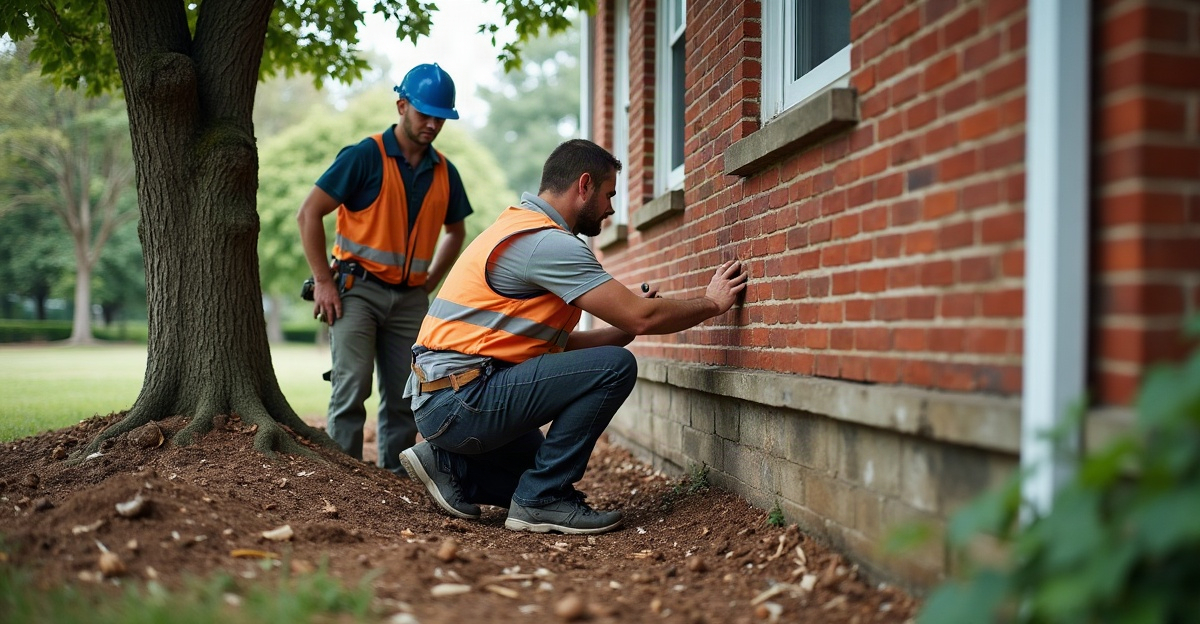
We recommend closer attention when pooling returns after drainage work, water repeatedly enters the structure, or soil stays wet around footings. Enlarging cracks, stair-step cracks in masonry, increasingly sticking doors or windows, sloping floors, visible settlement, and shifting footings may indicate movement. The same applies when a deck, garage, addition, or foundation wall appears to be moving.
These symptoms may indicate movement, but an evaluation is needed to determine the actual cause. Poor drainage can contribute to foundation cracks by altering soil support or creating erosion, but drainage is not the only possible cause. We encourage property owners to review why small foundation cracks matter instead of assuming a crack is cosmetic.
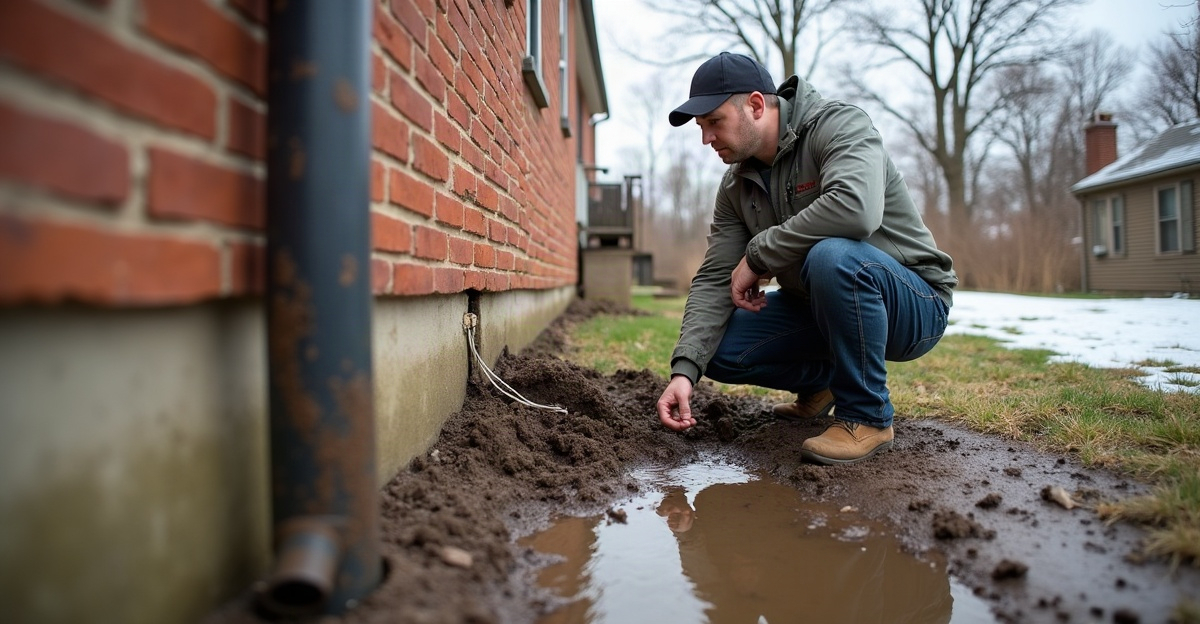
Document recurring conditions with dated photos. Record standing water, erosion, cracks, floor changes, and water intrusion. Photos taken over several months can show whether a condition is stable, seasonal, or worsening.
Drainage improvements remain important, but they may not reverse existing settlement, repair structural damage, or correct footings placed on unsuitable or unstable soil. For recurring movement concerns, foundation repair and stabilization may be the appropriate next step after an assessment.
Find Where the Water Is Coming From Before Choosing a Fix
We need to identify the water path before selecting a drainage product. A drain, swale, or extension only works if it addresses the actual source and directs water to a safe discharge area.
Common sources include roof runoff released too close to the foundation, clogged gutters, overflowing downspouts, and downspouts that drain back toward the home, garage, addition, or deck. Low areas in the yard can collect water, while damaged grading can direct it toward the structure. Landscaping, edging, mulch, patios, and other hardscape features can also trap water against the foundation.
Erosion channels near footings, seasonal groundwater changes, and saturated soil also deserve attention. In winter and early spring, ice-dam-related runoff may concentrate water near exterior walls in locations that stay dry during warmer months.
After heavy rain or snowmelt, inspect where downspouts discharge and note the direction water travels. Check for standing water, saturated low spots, and erosion channels. Look for gutter clogs, overflow marks, and runoff from ice dams. Record whether water moves toward the home, garage, addition, or deck, then compare those observations with dated photos of cracks, floor changes, or water intrusion.
This process provides practical soil moisture control. It prevents us from treating a visible puddle while missing the roof runoff, grade issue, or seasonal condition causing it.
Practical Foundation Drainage Tips for Managing Water Around the Home
Basic maintenance often provides the most effective first line of foundation moisture protection. Keep gutters clear so roof runoff flows as intended. Extend downspouts and direct discharge away from the structure. Maintain positive grading so surface water moves away from the home rather than collecting alongside it.
Correct low spots where water repeatedly pools, and adjust landscaping that holds water near exterior walls. Splash blocks and similar surface measures can help where they fit the site. We also recommend monitoring the ground around decks, additions, garages, and other structures supported by footings.
How do we keep water away from a foundation? Start with the water source, then create a clear route away from the structure. Surface swales, downspout extensions, splash blocks, catch basins, French drains, and other drainage systems can all serve a purpose. None is a universal fix.
The right option depends on lot slope, soil type, utility locations, landscaping, foundation type, discharge location, and local rules. Water must discharge legally and safely without creating a problem elsewhere. Specific grading details, trench dimensions, and code requirements should be determined for the property and verified against applicable local requirements.
A French drain may help manage groundwater or surface water in the right setting. It will not automatically fix foundation settlement or inadequate footing support. Where movement relates to poor bearing conditions, we first need to understand Minnesota foundation settlement causes before recommending structural work.
Minnesota Conditions That Can Make Moisture Problems Worse
Bloomington, Minnesota, and surrounding communities experience seasonal conditions that can make water management harder. Spring snowmelt can saturate soil before the ground has fully thawed or before drainage paths have opened. Frozen ground limits infiltration, so water may run across the surface and collect near a home or other structure.
Freeze-thaw cycles can also change drainage patterns and contribute to soil movement around foundations and footings. Heavy rain, ice dams, and ice-dam-related runoff may create concentrated wet areas near exterior walls. Seasonal groundwater changes can further affect soil moisture levels.
Clay-heavy and variable soils common in the region can expand when wet and shrink when dry. These repeated changes may create less consistent support beneath foundations and footings. Our guide to Minnesota frost heave explains another seasonal force that can affect structural support.
How does Minnesota freeze-thaw weather affect foundations? It can alter drainage, hold water near a structure, and create soil movement as ground conditions change. Seasonal wetness by itself does not confirm damage. Recurring patterns, worsening symptoms, and visible structural changes carry more weight than a single wet-weather event.
When Drainage Is Enough and When to Contact a Foundation-Support Professional
Routine maintenance and drainage corrections may be enough when the moisture source is obvious and pooling improves after gutter, downspout, grading, or landscaping work. This is especially true when there are no enlarging cracks, uneven floors, visible settlement, or shifting footings.
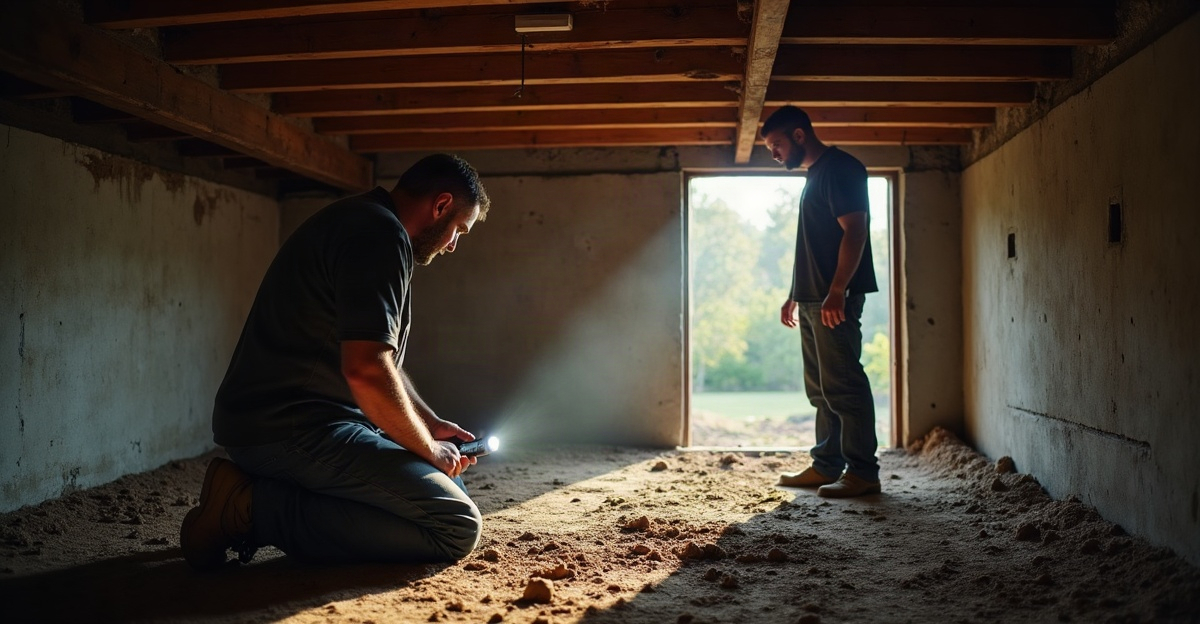
A qualified foundation-support evaluation is appropriate when water problems continue after reasonable corrections, soil remains persistently wet around critical footings, or structural symptoms keep returning or get worse. We also recommend an assessment before building a deck, addition, garage, or other structure that needs dependable footing support. Our addition foundation support services help address projects where existing or near-surface soils may not provide reliable bearing capacity.
Helical piers may be considered when an assessment identifies inadequate footing support, settlement, weak near-surface soils, or a need to transfer structural loads to more suitable bearing strata. They are not a universal drainage solution. Drainage manages water; properly selected support systems address confirmed bearing or movement concerns.
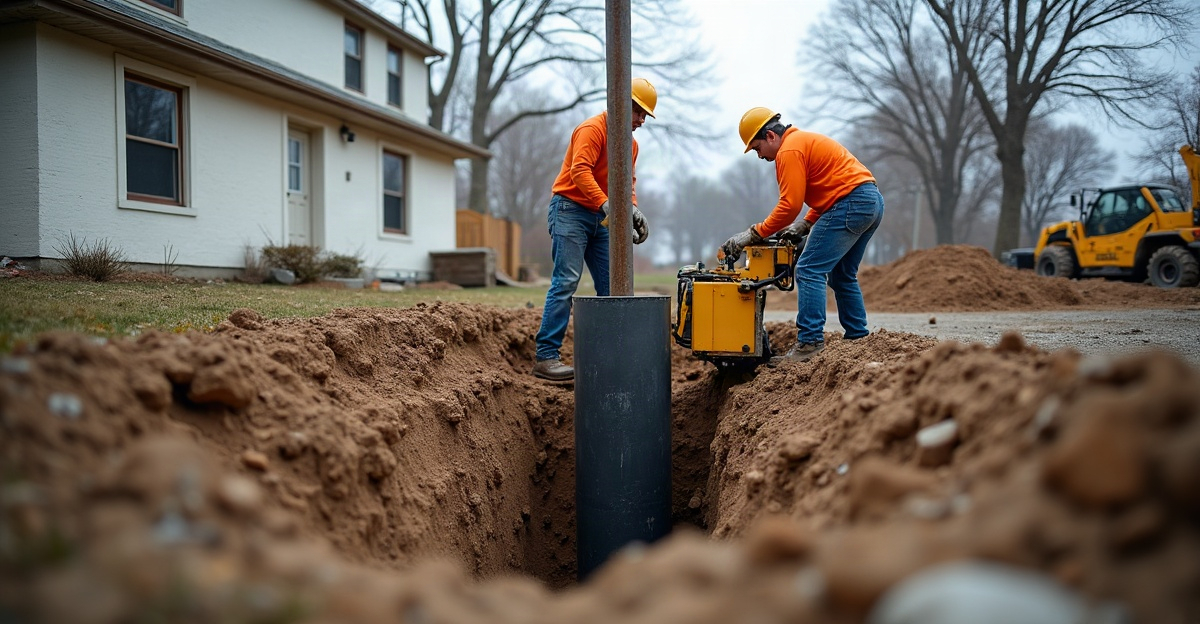
Before digging for drainage work, contact 811/Gopher State One Call. Avoid deep excavation near foundations, retaining walls, utilities, or structural elements without qualified help.
When should we call a professional about wet soil or foundation movement? Contact a qualified professional when wet conditions persist, drainage corrections do not resolve the problem, or structural changes appear or worsen. Bloomington-area homeowners, builders, and remodelers with recurring moisture-related symptoms, settlement concerns, or plans requiring dependable footing support can request a qualified evaluation.