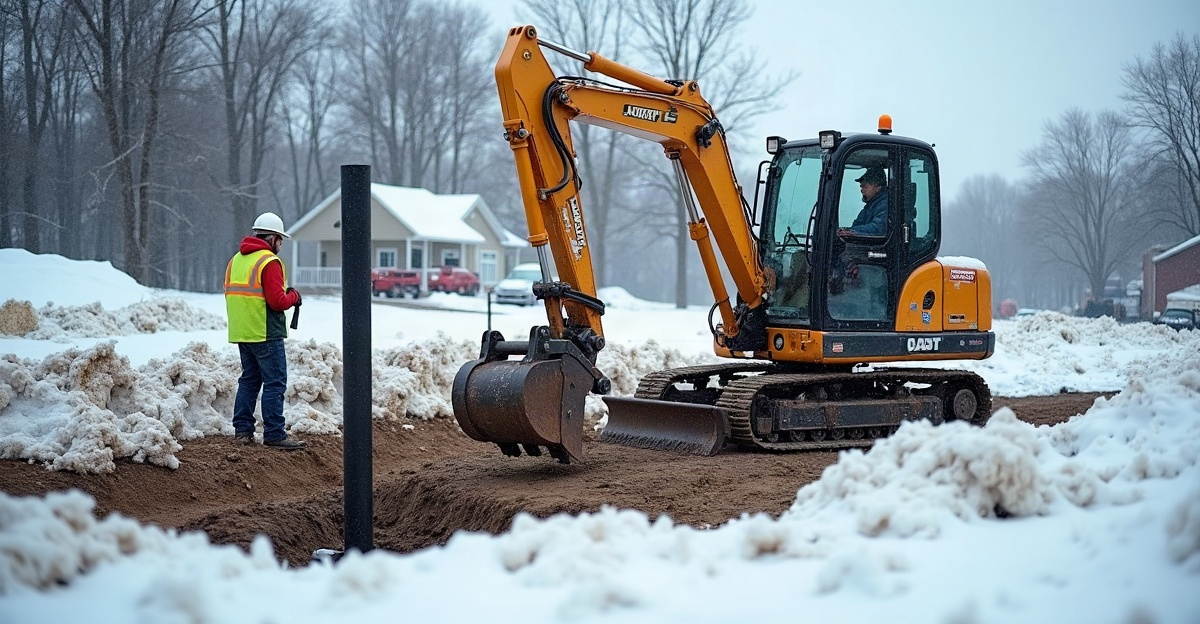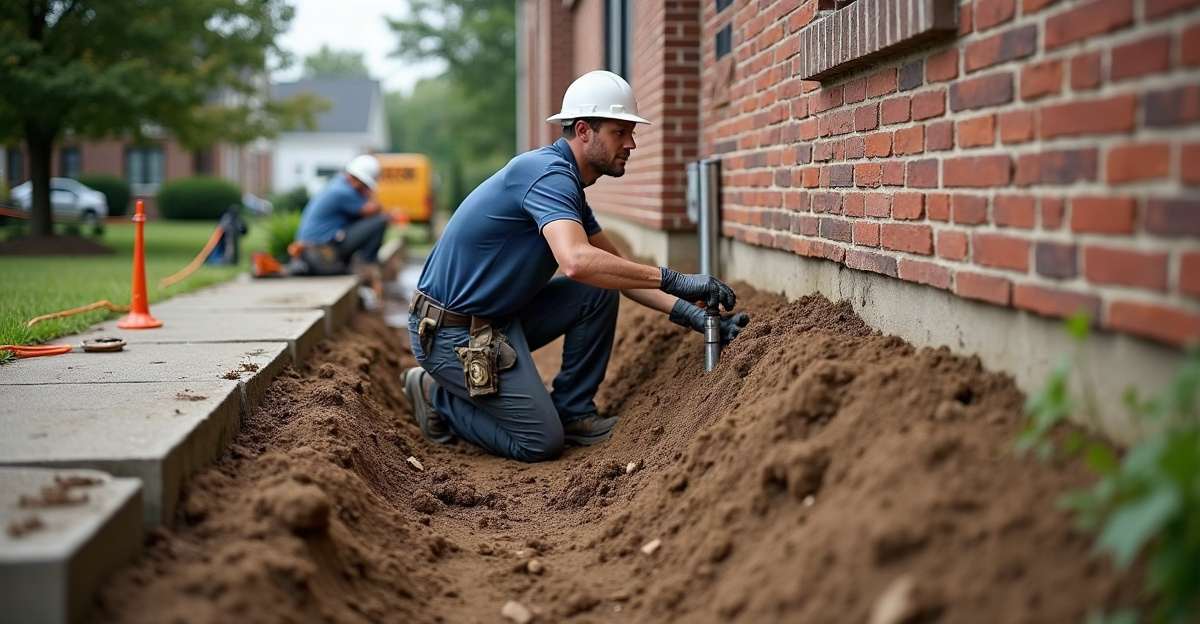
How Frost Heave Affects Foundations in Minnesota Homes
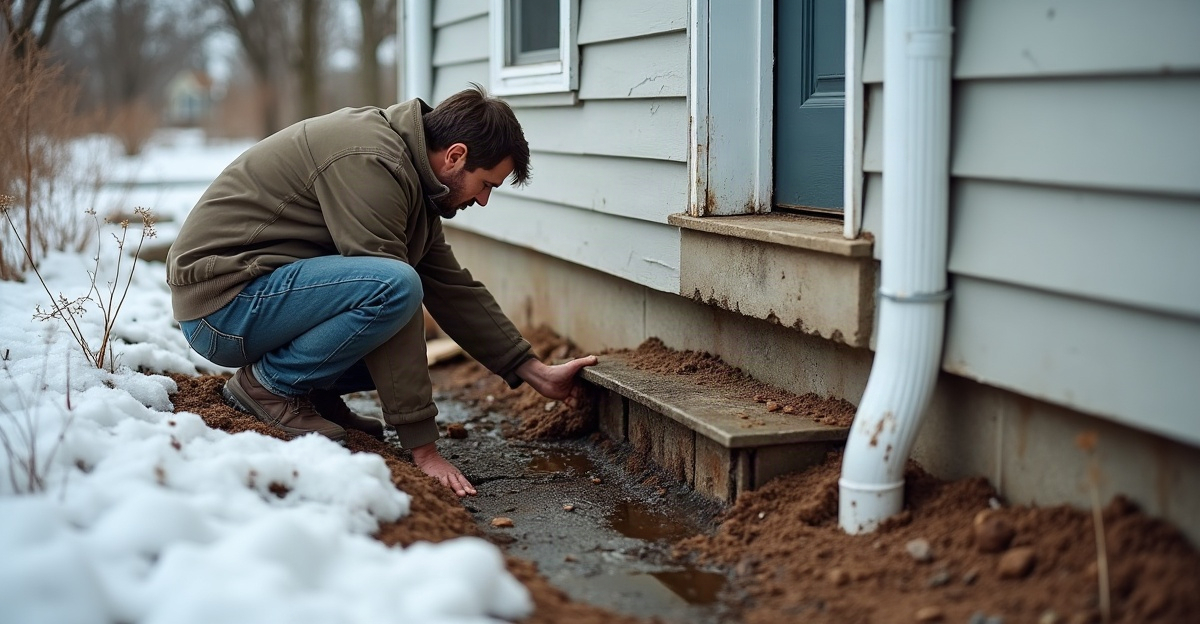
Minnesota’s freeze-thaw cycles can trigger frost-heave foundation problems. Moisture-bearing soil freezes, forms expanding ice lenses, and unevenly lifts shallow footings, slabs, and exterior supports. After spring thaw, saturated soil can lose strength, causing affected areas to settle. Drainage, soil conditions, footing depth, and repeated movement help us diagnose foundation concerns.
Key Takeaways
- Frost heave pushes soil and structures upward. Thaw-related settlement can create downward movement later in the season.
- Fine-grained soil that holds moisture, poor drainage, roof runoff, and shallow footings raise the risk of uneven movement.
- Cracks, sticking doors and windows, sloping floors, separated steps, and leaning exterior posts can signal soil or support concerns.
- Document changes with dated photos and measurements. Record conditions after freezes, thaws, heavy rain, and snowmelt.
- Drainage improvements can limit moisture exposure. Helical piers can provide deeper support when site conditions and structural loads call for them.
Why Minnesota Foundations Move When the Ground Freezes and Thaws
Minnesota’s long freezes, midwinter thaws, snowmelt, and changing soil moisture can affect foundations and footings. These conditions can create risk, but they do not mean every Minnesota home will develop damaging movement.
Frost heave is upward movement that occurs when moisture-bearing soil freezes. As water migrates into freezing soil, it can form ice lenses that expand and lift the soil and structures above it. This pressure can affect slabs, footings, porch supports, deck posts, and other shallow foundation elements.
Fine-grained, moisture-retaining soils are often more frost-susceptible because they can hold water long enough for ice lenses to form. Soil type, drainage, grading, roof runoff, and footing depth all influence how much movement may occur. Our guide to soil conditions and foundation stability explains why soil behavior matters before any repair or construction project.
The frost line, also called frost depth, is the depth at which soil freezes. Required footing depth varies by location, structure type, soil conditions, local code, frost-protection method, and structural load. We do not use one universal Minnesota depth for every property. Proper support starts with verifying the requirements that apply to the specific site.
Frost heave foundation problems can develop when shallow footings sit in soil that freezes, holds moisture, and moves unevenly. These conditions may also lead to soil freezing damage and noticeable foundation movement in winter.
What Homeowners and Builders May Notice in Winter and Spring
Movement often becomes visible during the coldest part of winter or after the spring thaw. A small change may be seasonal, while repeated or worsening changes can point to a footing, drainage, or soil-support concern.
Signs Worth Documenting
We recommend watching for the following changes:
- New or widening cracks in drywall, masonry, foundation walls, slabs, or finishes
- Doors or windows that stick, bind, or no longer latch properly
- Uneven, sloping, or bouncy floors
- Gaps where walls meet ceilings, trim, floors, or exterior cladding
- Movement, tilting, or separation around decks, porches, steps, garages, additions, or walkways
- Water pooling near the foundation, wet basement areas, or visible runoff problems
- Leaning posts, shifted supports, or separated connections at exterior structures
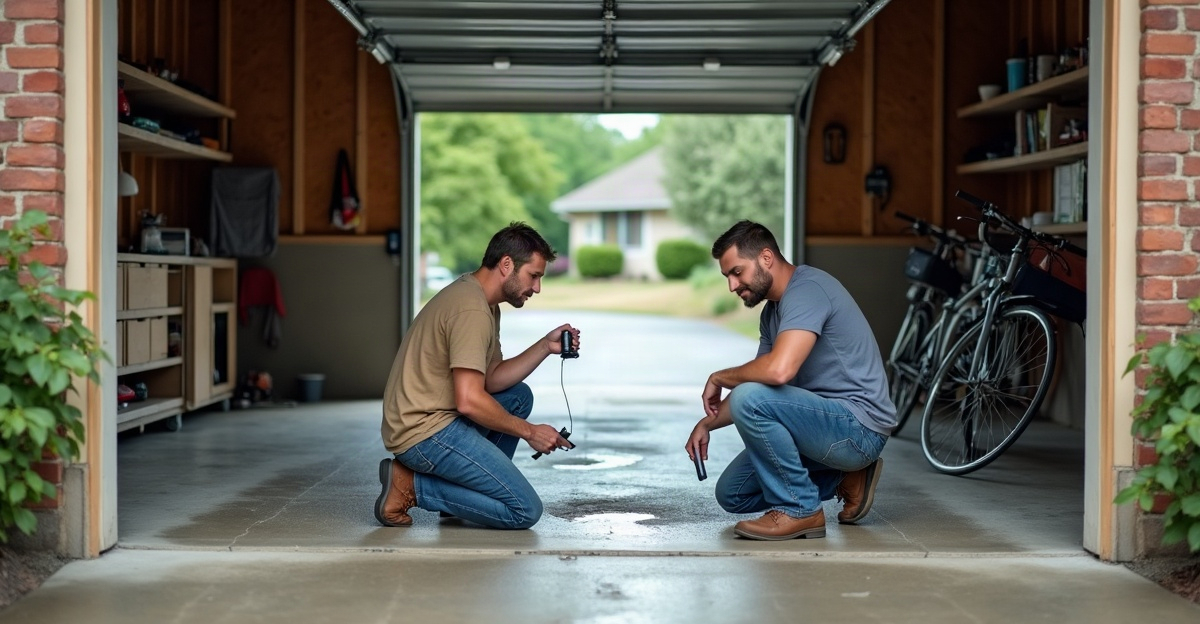
A Minnesota deck may rise unevenly after winter, leaving one side higher than the other. A garage slab or footing may settle after spring thaw as saturated soil loses support. Porch steps can also separate from the house when shallow support moves differently than the main foundation.
The pattern of movement matters as much as the symptom. We look at whether the movement appears during freezing or thawing, returns each year, grows worse over time, or affects how the structure functions. For more warning signs, review foundation repair warning signs before seasonal changes become larger repairs.
Frost Heave vs. Settlement: Why Cracks Do Not Always Have the Same Cause
Frost heave is upward movement caused by freezing soil and ice lens formation. Frost-related settling is downward movement that can occur after soil thaws, becomes saturated, consolidates, erodes, or loses supporting strength. One property can experience both conditions, sometimes in the same season.
A footing may lift during a hard freeze, then settle after thawing when the soil no longer provides consistent support. That cycle can stress concrete, framing connections, finishes, and attached structures. Still, cracks do not automatically confirm frost heave foundation problems.
Long-term settlement, poor drainage, expansive or weak soil, water intrusion, construction deficiencies, tree roots, changing structural loads, and erosion can all create similar symptoms. Our overview of Minnesota foundation settlement causes covers several conditions that may affect a structure after the ground thaws.
A proper diagnosis considers crack pattern, timing, location, severity, water conditions, and whether movement repeats or worsens. We also evaluate bearing capacity, which is the soil’s ability to safely support a structure’s load. Weak bearing capacity can allow footings to settle even without frost action.
Why Some Minnesota Homes, Decks, Garages, and Additions Are More Vulnerable
Shallow or inadequately supported footings face greater exposure to freezing near-surface soil. Moisture-bearing soil, poor drainage, concentrated roof runoff, and changing structural loads can increase the chance of soil freezing damage or frost-related settlement.
Older homes and additions may have uncertain footing depth or unknown construction details. Decks, porches, steps, detached garages, and walkways often move separately from the main house because they use independent supports. Garage and addition footings can also face problems when roof runoff or saturated soil collects near their edges.
Projects built on weak, fine-grained, or frost-susceptible surface soils need careful planning. Support can fall short when footing size, soil capacity, structural connections, or load assumptions do not match actual site conditions. For new projects, our foundation support for additions helps establish dependable load transfer before construction moves forward.
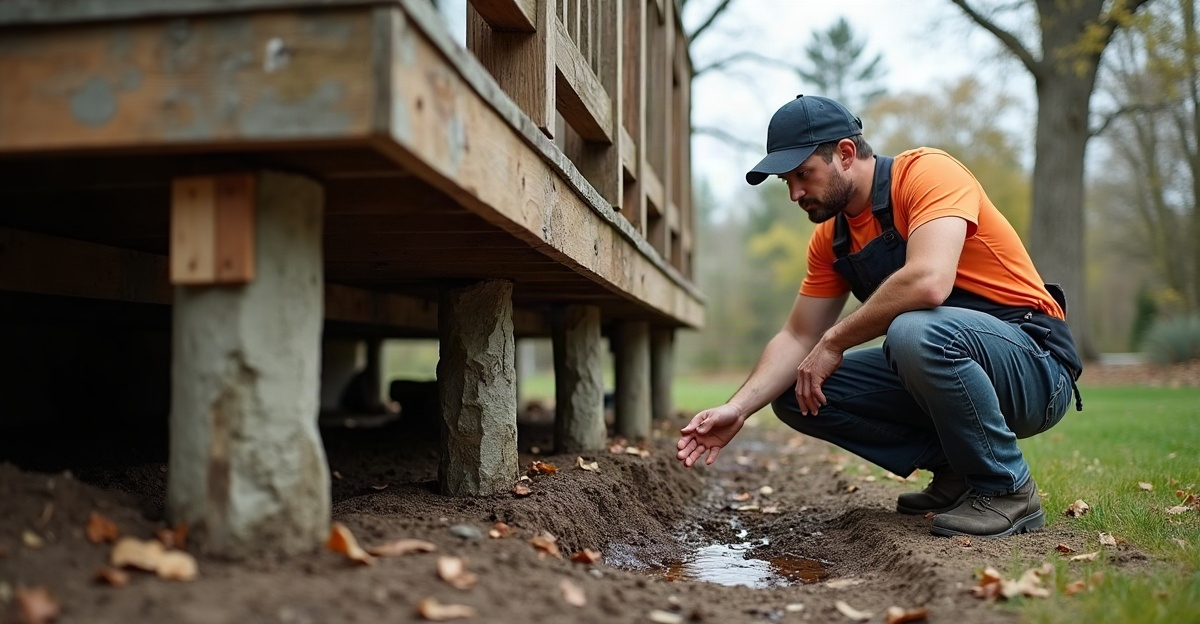
Moisture management reduces a major contributor to frost movement. Grade soil away from the structure, extend downspouts, direct roof runoff away from footings, and correct standing water. Our practical guidance on preventing shifting-soil damage can help identify drainage improvements worth making.
Drainage work can reduce moisture around the foundation, but it may not correct a footing that is too shallow, poorly supported, or already affected by settlement. Before construction or repair, we verify local building codes, municipality requirements, soil conditions, project type, loads, frost-protection methods, and any engineering requirements.
When to Monitor Movement and When to Schedule a Professional Evaluation
Small seasonal changes may be monitored when they remain stable and do not affect structural function. A single hairline crack or occasional sticking door does not automatically mean major structural damage.
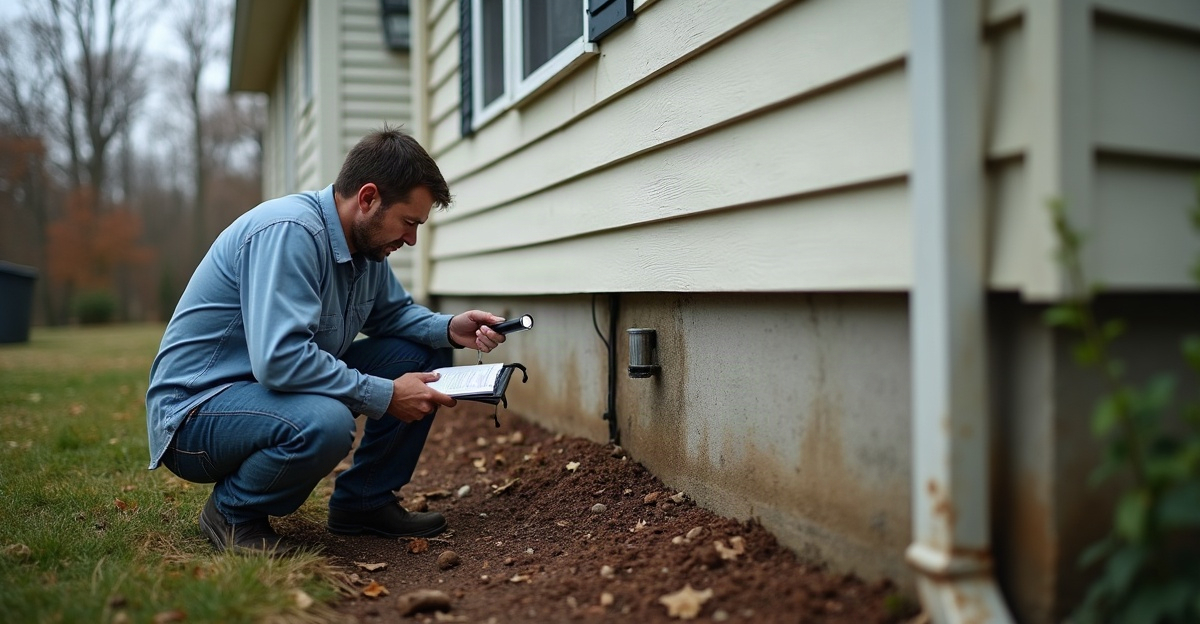
We recommend dated photos, crack measurements, notes about doors and windows, and observations after major thaw or rainfall events. Clear records show whether a condition stays stable, follows a seasonal cycle, or gets worse.
Schedule an on-site evaluation when cracks persist or grow, seasonal movement repeats, floors develop substantial slope, water enters the structure, exterior posts shift, or major separations appear. Visible leaning and concerns about structural safety also require prompt attention.
Safety and repair needs cannot be determined from one photo or one symptom. Significant, uncertain, or structurally involved conditions may require input from local code officials, qualified foundation contractors, structural engineers, or geotechnical professionals. Our foundation repair and stabilization services begin with a practical review of the structure, site conditions, and support needs.
Repair and Prevention Options, Including When Helical Piers May Be Suitable
The right repair depends on what caused the movement and whether it remains active. Minor, stable seasonal changes may only need monitoring. Where water contributes to movement, grading and drainage corrections may help reduce future moisture exposure.
Improperly supported deck, porch, garage, or addition footings may need repair or redesign. Damaged concrete, weak structural connections, and water-management issues should also be addressed based on the site assessment.
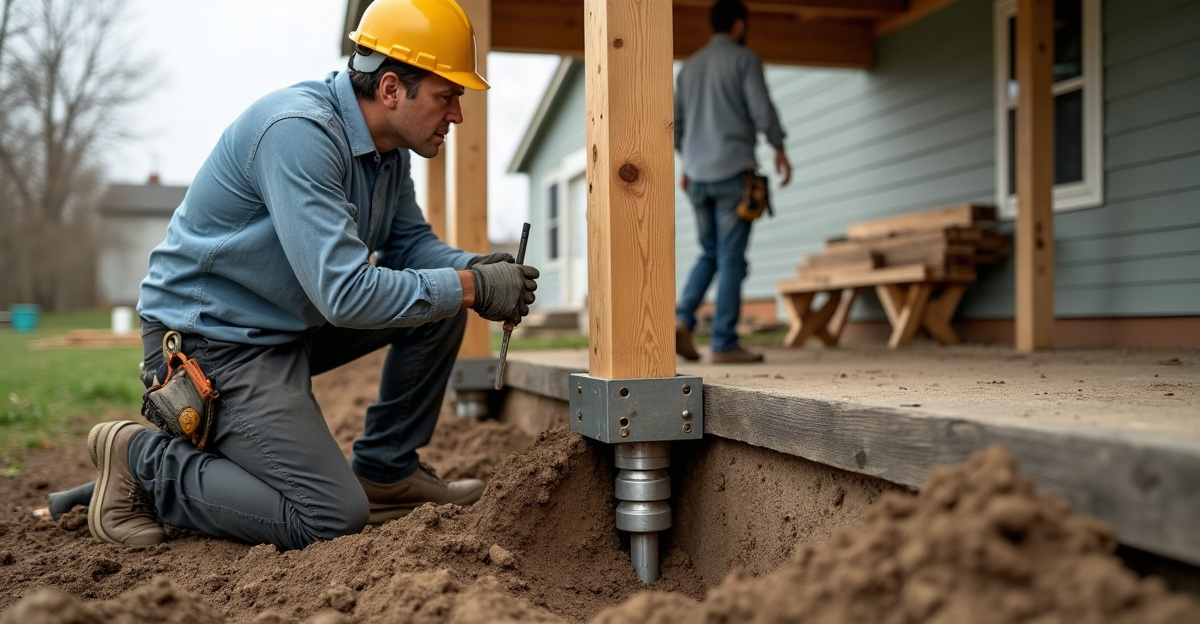
Helical piers are engineered steel foundation elements installed into the ground to reach suitable load-bearing support when the site and structure call for them. They can be considered for settlement repair or for supporting additions, garages, decks, porches, and other structures that need loads transferred below weak, unstable, or frost-susceptible near-surface soils.
Helical piers can be an appropriate option when a structure needs load transfer to suitable bearing strata below problematic surface soil. Learn how helical piers stabilize settling foundations to understand where this approach can fit.
They do not prevent frost heave in every circumstance. Suitability depends on soil capacity, structural loads, access, design, site constraints, installation verification, permits, and engineering requirements. We provide helical pier installation based on project-specific conditions rather than a one-size-fits-all repair.
For recurring settlement, questionable footing support, planned additions, decks, garages, or related support work in Bloomington and the greater Twin Cities area, we invite property owners to request a site-specific evaluation. We will explain what we find and recommend a practical next step.
Common Questions About Frost Heave Foundation Problems
Can Frost Heave Crack a Foundation?
Frost heave can place upward or uneven pressure on footings, slabs, and foundation components. Whether it caused a crack, and how serious that crack may be, requires evaluation of the full site, drainage conditions, soil, and structure.
Does Foundation Movement in Winter Always Mean Serious Damage?
Minor seasonal movement can occur without major damage. Persistent, worsening, or function-affecting movement deserves an assessment, especially when doors stop latching, floors slope, water enters, or exterior connections separate.
Can a Foundation Settle After the Ground Thaws?
A foundation can settle after the ground thaws due to saturation, consolidation, erosion, or loss of soil support. Timing, crack pattern, location, drainage conditions, and whether movement is upward or downward can offer clues about frost heave versus settlement, but a qualified professional can determine the likely cause.
Are Helical Piers a Solution for Frost Heave Foundation Problems?
Helical piers may suit frost heave foundation problems when support must extend below unstable or frost-susceptible near-surface soils. They are not a universal solution. Deck and garage footing requirements also vary by municipality, structure type, soil conditions, loads, and local code, so we verify requirements with local officials and qualified professionals before building or repair work begins.