How to Prevent Foundation Damage From Shifting Soil?
Shifting clay soils, freeze-thaw cycles, and poor drainage all drive foundation movement in Minnesota. We take practical steps early to prevent damage before minor issues grow into structural repairs. We reduce long-term risk by spotting early warning signs, managing water around the home, setting footings at the correct depth, and installing deep foundation systems when conditions call for them.
Key Takeaways
- We watch for early signs of movement such as stair-step cracks, sticking doors, sloping floors, and widening gaps, and we schedule a structural evaluation if symptoms progress.
- We control water around the foundation by maintaining proper grading, cleaning gutters, extending downspouts, and avoiding overwatering near foundation walls.
- We ensure footings extend below the frost line and account for soil conditions during new construction, additions, or garage builds.
- We consider helical piers when surface soils lack stability, since they transfer loads to deeper, stable layers and reduce reliance on shifting clay soils.
- We perform annual exterior and interior inspections to track changes over time and address drainage or movement issues early before major repairs become necessary.
The Early Warning Signs of Foundation Movement You Shouldn’t Ignore
Foundation damage often starts small. Hairline cracks, a door that sticks once in a while, or a slight floor slope can look harmless at first.
We can’t always fully prevent foundation damage, especially in Minnesota’s shifting soils. What we can do is manage the risk with early action and consistent foundation maintenance tips. Catching movement early makes protecting home foundations far more realistic and affordable.
Common warning signs include:
- Stair-step cracks in brick or block walls
- Cracks forming in drywall, especially above doors and windows
- Sticking doors and windows that once operated smoothly
- Sloping or uneven floors
- Gaps around window or door frames
- Repeated movement after past repairs
Not every crack signals structural trouble. Normal settling often shows as small, hairline cracks that don’t widen over time. Ongoing soil movement looks different. Cracks expand. Doors shift further out of alignment. Floors slope more noticeably year after year.
In Minnesota, seasonal expansion and contraction drive much of this movement. If warning signs like stair-step cracks, sticking doors, sloping floors, or repeated movement appear, we strongly recommend a professional structural evaluation. A detailed inspection helps determine whether we’re seeing minor cosmetic settling or active movement that requires foundation repair and stabilization.
For a deeper look at common symptoms, we also cover them in detail in signs your home needs foundation repair.
Why Soil Shifts in Minnesota—and How It Impacts Your Foundation
Soil movement prevention starts with understanding local conditions. In Minnesota, soil behavior drives most foundation problems.
Large portions of the Twin Cities area contain clay-based soils. Clay expands when it absorbs water and shrinks when it dries. That seasonal cycle creates continual pressure changes against footings, basement walls, and slabs.
Minnesota freeze-thaw cycles add another layer of stress. As moisture in the soil freezes, it expands and causes frost heave. When it thaws, the soil settles again. That repetitive lifting and dropping places strain on concrete footings and foundation walls.
We also see settlement from poorly compacted fill or organic material beneath foundations. If surface soils weren’t properly prepared during construction, they compress over time. That compression leads to uneven support, cracks, and structural movement.
These forces explain why homes in Bloomington and surrounding communities experience seasonal changes. For a more detailed breakdown of local causes, we discuss them in what causes foundation settlement in Minnesota.
Understanding these regional patterns helps us make smarter decisions that protect home foundations long term.
Control Water First: Grading, Drainage, and Moisture Management
Water management is one of the most practical ways to prevent foundation damage. Extreme wet and dry swings cause more movement than steady moisture levels.
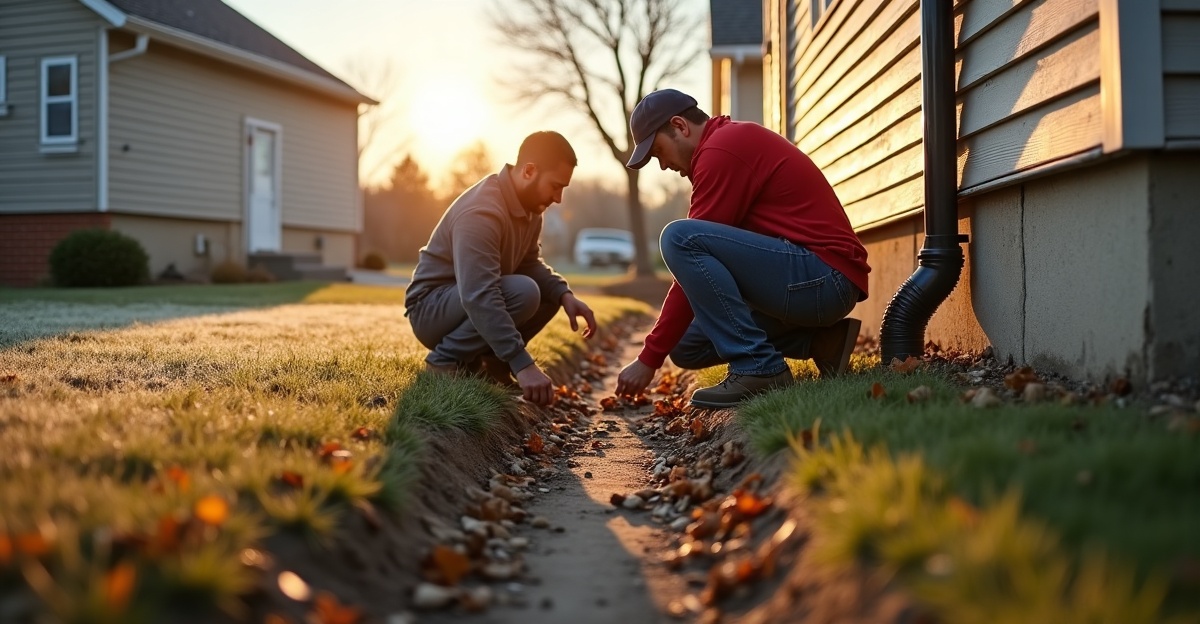
Poor grading is a common issue. Soil should slope away from the home at least 6 inches over the first 10 feet wherever possible. That slope channels water away from the foundation instead of allowing it to pool along basement walls.
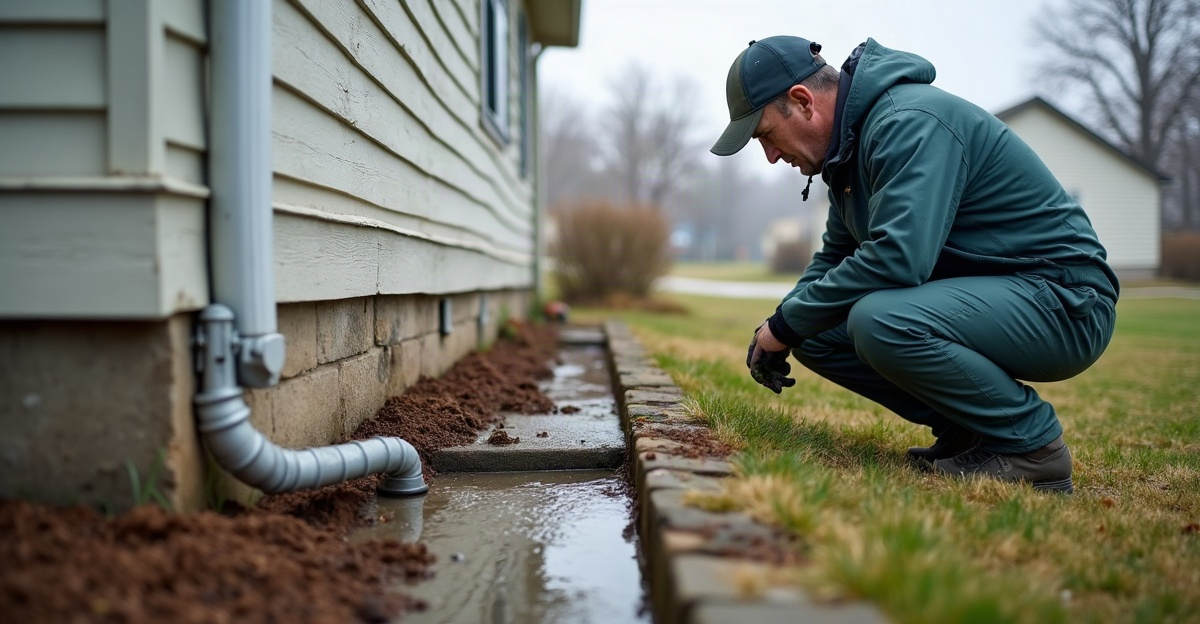
Gutters and downspouts also play a critical role. Clogged gutters overflow and dump water directly at the base of the home. Downspouts that end too close to the wall concentrate moisture where we don’t want it. Extending downspouts several feet away significantly reduces saturation near footings.
Landscaping irrigation can also contribute to soil expansion. Overwatering near foundation walls leads to clay swelling. On the other hand, allowing soil to dry out completely can cause shrinkage and settlement. Consistent moisture management supports real soil movement prevention.
These are straightforward foundation maintenance tips that most homeowners can implement:
- Maintain positive grading away from the foundation
- Clean gutters regularly to prevent overflow
- Extend downspouts well beyond the foundation perimeter
- Avoid heavy watering directly next to foundation walls
Protecting home foundations often starts with these small corrections. Addressing drainage early is far more affordable than structural repair later.
Build It Right the First Time: Footing Depth and Smart Construction Planning
Proper footing depth is critical in Minnesota. Footings must extend below the frost line to reduce frost heave impact. Shallow footings exposed to freezing soils are far more likely to lift and settle seasonally.
Traditional spread footings can work well in stable soils. In expansive or inconsistent soils, surface-level support may struggle over time. Load transfer becomes unreliable if upper soil layers expand, contract, or compress.
Before building decks, additions, or garages, soil conditions should always be evaluated. We’ve seen many cases where poorly compacted fill or organic material beneath new structures leads to avoidable settlement.
Smart construction planning is often the most cost-effective way to prevent foundation damage long term. That includes selecting the right support system for site conditions. For new construction projects and retrofits, we review the best foundation support options based on soil behavior and load requirements.
Solid load transfer to stable soil layers is the goal. When we account for soil conditions upfront, protecting home foundations becomes far more predictable.
When Standard Footings Aren’t Enough: How Helical Piers Stabilize Shifting Soil
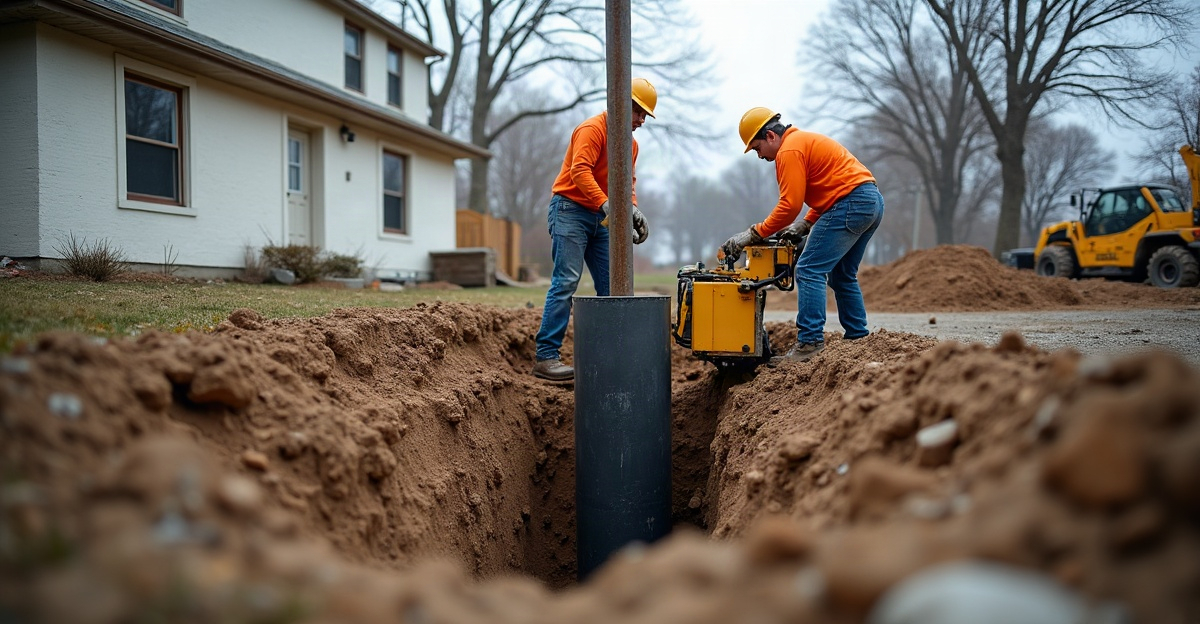
Some sites require deeper, more stable support than conventional footings can provide. In these cases, helical piers are one proven solution.
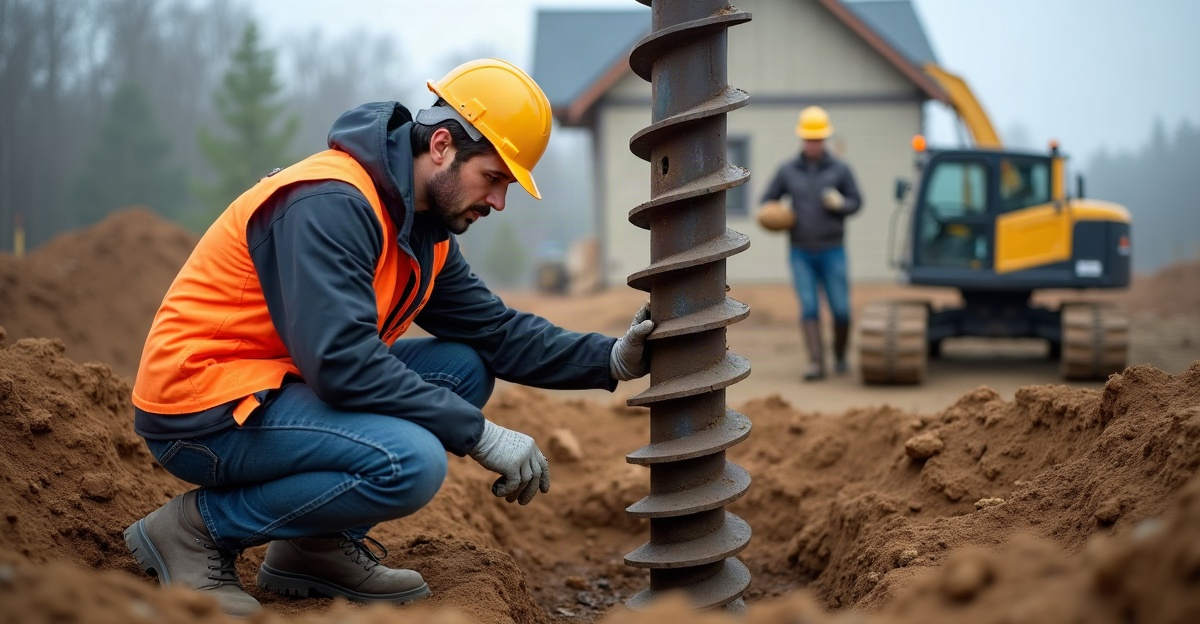
Helical piers are steel shafts with helix plates that screw into the ground. They advance through unstable surface soils and anchor into deeper, load-bearing layers below active moisture zones. We explain the basics in what are helical piers and how they work.
By transferring structural loads to stable strata, helical piers reduce reliance on soils that expand, shrink, or shift seasonally. This approach supports effective soil movement prevention in areas with known instability.
They’re often appropriate for:
- Settling foundations that need stabilization
- Decks, additions, and garages built on questionable soils
- Sites with high clay content or poor compaction
- Projects requiring year-round installation
Helical piers offer several practical advantages. Installation involves minimal excavation. They provide immediate load-bearing capacity. Crews can install them even during colder months when other systems may be delayed.
That said, helical piers aren’t a one-size-fits-all solution. We always recommend evaluation-based decisions. In the right conditions, professional helical pier installation can significantly reduce future movement. For additional context on repair scenarios, see how helical piers help stabilize settling foundations.
The goal is simple: transfer loads to soil that won’t shift seasonally.
Ongoing Monitoring and Maintenance to Minimize Long-Term Risk
We can’t always eliminate foundation movement completely. What we can do is manage and reduce the likelihood of serious structural damage.
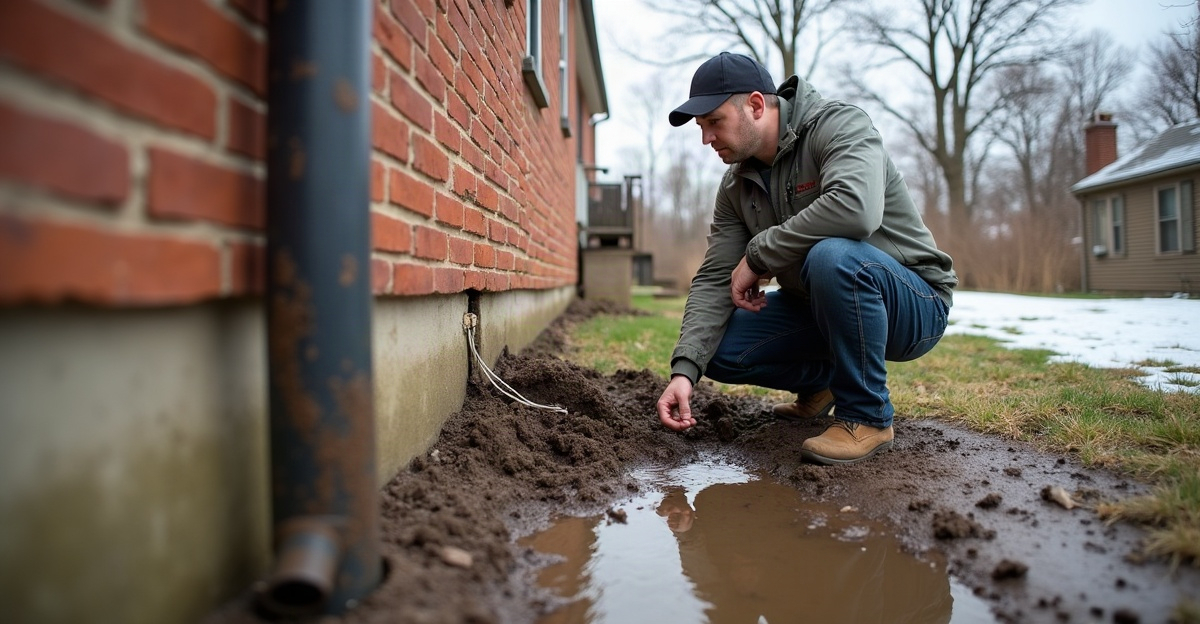
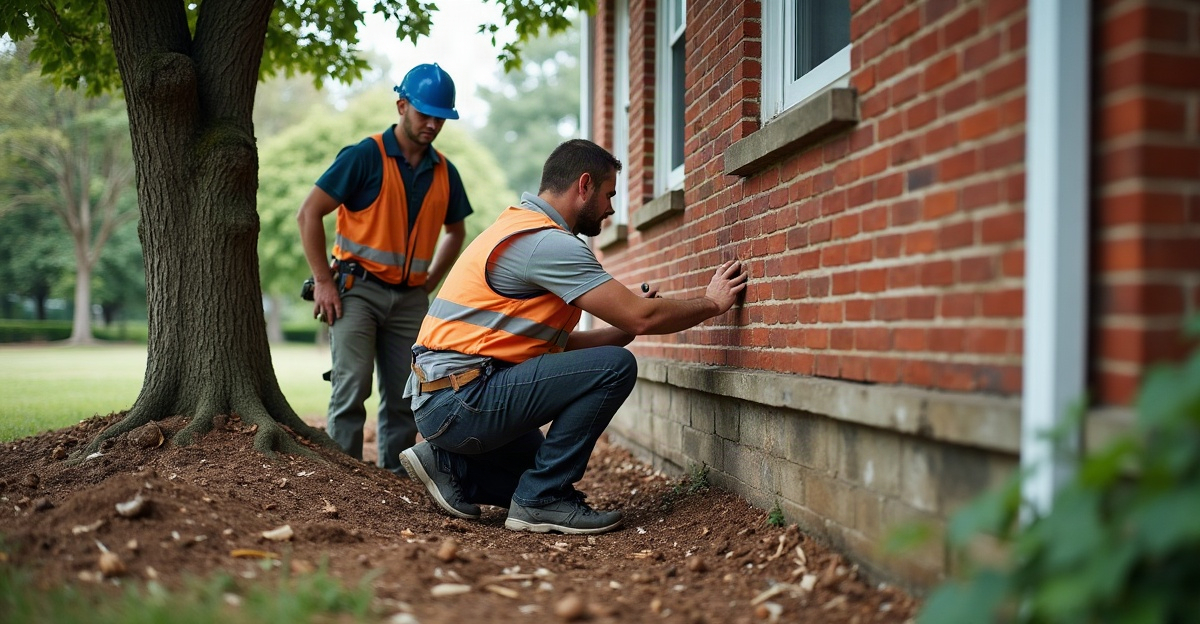
Annual exterior inspections go a long way. We recommend walking the perimeter of the home and checking for new cracks, widening gaps, or drainage issues. Pay attention to grading changes after landscaping work or heavy erosion.
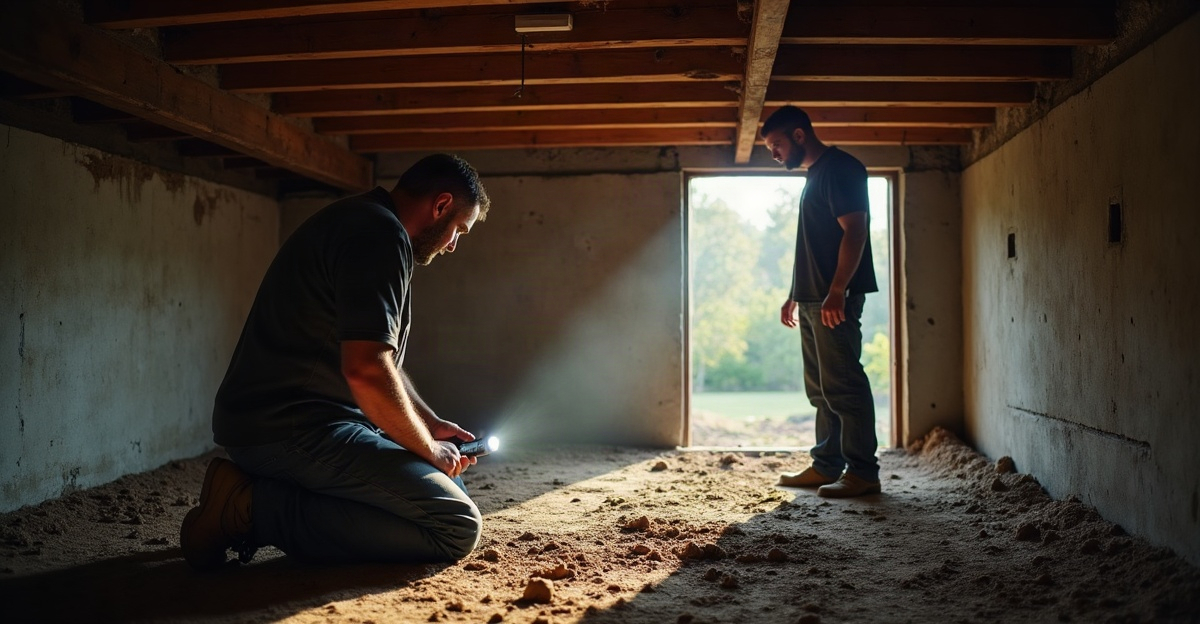
Tracking interior symptoms also helps. Measure crack width periodically. Note changes in door alignment or floor slope. Movement over time signals a need for deeper evaluation.
Small drainage corrections are far easier to address than structural repairs. Simple foundation maintenance tips like clearing gutters, extending downspouts, and correcting slope can slow soil movement significantly.
Protecting home foundations requires consistent attention. If cracks expand, doors continue sticking, or movement repeats after past repairs, bring in a professional assessment. Early action remains the most reliable way to prevent foundation damage from turning into a major structural problem.
Minnesota soils will continue to shift. With informed planning, proper construction, and proactive maintenance, we can keep that movement from compromising the structure above.