Best Foundation Support Options For Home Additions
Foundation support for additions determines how safely and effectively we transfer structural loads from a new kitchen, garage, or second-story expansion into the soil. In Minnesota, we account for clay, sand, uncontrolled fill, and deep frost. The best foundation support options for home additions usually come down to concrete spread footings or helical piers. We base the right choice on soil bearing capacity, structural load demands, site access, and long-term settlement risk.
Key Takeaways
- Proper foundation support prevents settlement, cracking, uneven floors, and separation where we tie the addition into the existing structure.
- Concrete spread footings perform well in stable native soils and remain a cost-effective, inspector-approved option when bearing capacity meets structural demands.
- Helical piers transfer loads to deeper, more stable strata and deliver predictable performance in poor, variable, or uncontrolled fill soils.
- Minnesota soil conditions, frost depth requirements, drainage patterns, and differential settlement risks must guide our system selection.
- Project timeline, weather, site access constraints, and structural load levels all influence whether shallow footings or deep foundation support offers the better solution.
Why Proper Foundation Support Matters for Any Home Addition
Foundation support for additions is the structural system that transfers the weight of a new home extension safely into the soil, preventing settlement, cracking, and structural movement over time.
Every addition changes how weight moves into the ground. A kitchen bump-out, a second-story expansion, or a larger garage all add load to soil that may have never been designed to carry it. Solid foundation support for additions protects the investment and keeps the structure stable long term.
Poor or undersized home extension footing support leads to predictable problems:
- Settlement and sinking corners
- Foundation cracking
- Uneven floors
- Door and window misalignment
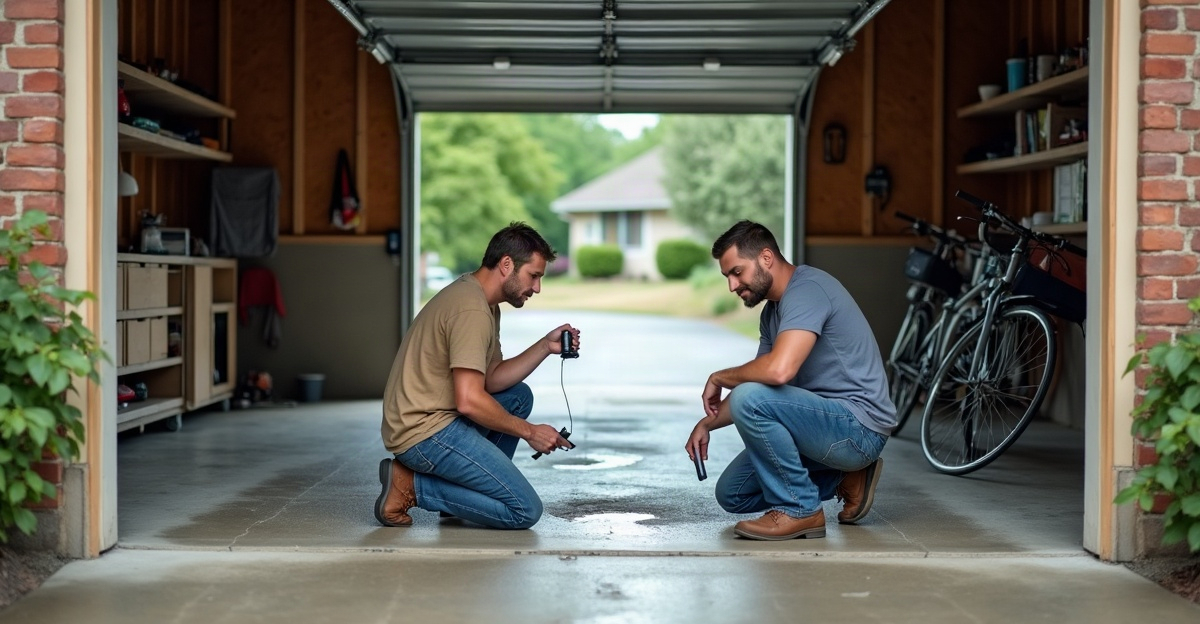
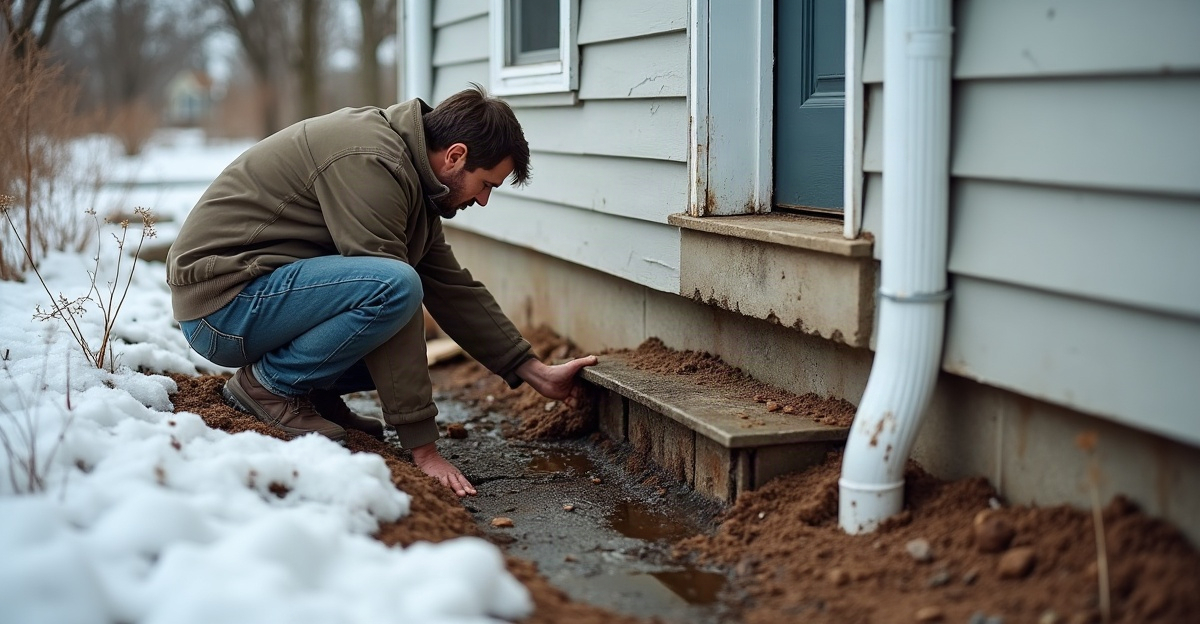
We’ve seen all of these issues right here in Minnesota. Clay soils expand and shrink with moisture changes. Sandy soils can shift if not properly compacted. Fill soil around existing homes often settles over time. Sloped lots add drainage concerns that weaken soil bearing capacity. Frozen ground in winter can cause frost heave if footings aren’t placed deep enough or properly protected.
Structural support for additions must account for two primary factors: structural load and soil bearing capacity. The weight of the framing, roofing, finishes, snow load, and any concentrated loads such as fireplaces or masonry all matter. At the same time, soil must be capable of supporting that weight without compressing or moving.
Local codes also influence depth, reinforcement, and inspection requirements. Minnesota projects typically require frost-protected footings that extend below frost depth. Inspectors expect to see proper sizing and reinforcement based on engineered plans. Skipping those steps creates long-term performance issues.
Strong planning at this stage ensures addition foundation support performs as intended, through freeze-thaw cycles and seasonal moisture changes.
The Two Most Reliable Options: Concrete Footings vs. Helical Piers
For most residential projects, two systems handle addition foundation support: traditional concrete spread footings and helical piers. Both can perform well. The right choice depends on soil conditions, load demands, and site constraints.
Concrete Spread Footings
Concrete spread footings work by distributing structural loads over a wide surface area. The footing spreads weight across stable soil so the load stays within acceptable bearing pressure.
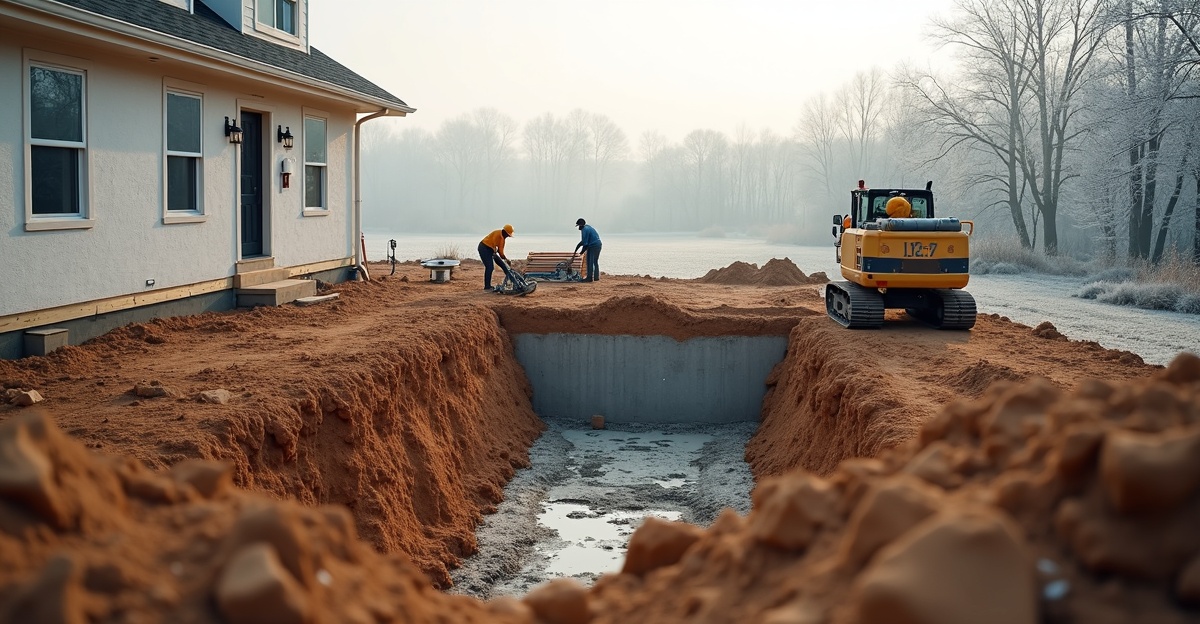
These footings are common in Minnesota where stable, undisturbed native soil is available at proper depth. Contractors excavate below frost depth, form and reinforce the footing, then pour concrete. After the footing cures, foundation walls or piers are built on top.
Benefits include:
- Familiarity to local inspectors
- Cost-effectiveness in good soil
- Strong long-term performance when properly designed
Limitations also matter. Concrete footings require significant excavation. Wet conditions can delay forming and pouring. Performance depends heavily on soil quality at footing depth. Poor soils may require over-excavation or deeper support.
When soil and load conditions allow, traditional footings remain a reliable home extension footing support option.
Helical Piers
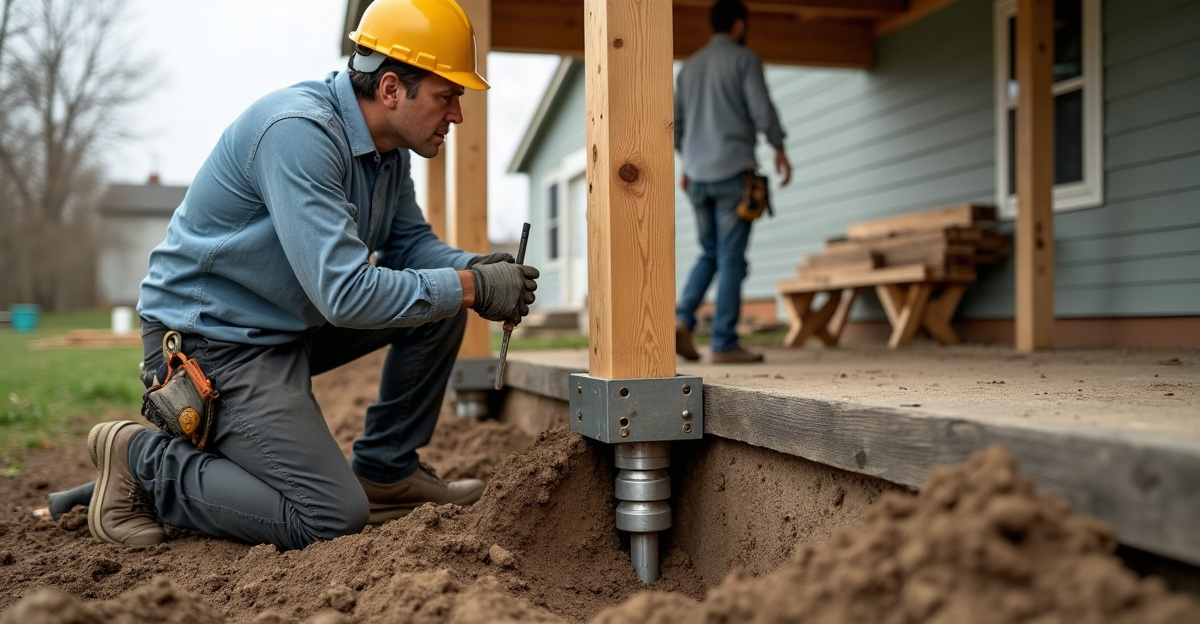
Helical piers provide deep foundation support using steel shafts with helical plates welded near the tip. These plates screw into the ground using hydraulic equipment.
Instead of spreading weight at shallow depth, piers transfer loads to deeper, more stable soil layers. Installers monitor torque during installation, which correlates to load capacity. Engineers can match pier size and depth to the required structural load.
Helical piers work well in:
- Poor or uncontrolled fill soil
- High water tables
- Tight access areas
- Sites where minimal disturbance is preferred
Installation typically requires small excavations at pier locations. Many systems can accept load soon after installation. This makes them useful in shorter construction windows or colder seasons.
Material costs are usually higher than basic concrete footings. Installation requires specialized equipment and experience. Working with an experienced helical pier contractor ensures the system meets structural and local code requirements.
For properties with variable soil or previous settlement concerns, helical pier installation offers controlled, measurable deep foundation support that reduces uncertainty.
Concrete Footings vs. Helical Piers: Side-by-Side Comparison
Both systems can deliver strong addition foundation support. The decision comes down to site conditions, performance goals, and project timeline.
| Factor | Concrete Spread Footings | Helical Piers |
|---|---|---|
| Load Capacity & Engineering Flexibility | Strong when soil bearing is adequate; sizing depends on width and soil conditions. | Engineered to specific torque and depth; adaptable for higher or variable loads. |
| Soil Sensitivity | Performs best in stable native soils with known bearing capacity. | Ideal for clay, sand, fill, or organic material where shallow soil is unreliable. |
| Installation Time | Requires excavation, forming, pouring, and cure time before framing. | Installed quickly with hydraulic equipment; many projects allow immediate loading. |
| Seasonal Impact | Weather-sensitive; frozen ground and wet conditions can delay work. | Can be installed in various seasons, including colder conditions. |
| Inspection & Code Familiarity | Very familiar to inspectors; standard practice. | Accepted when engineered; requires documentation of capacity and installation. |
| Site Disruption | Involves larger excavation areas. | Minimal excavation; less disturbance to yard and existing structure. |
| Adjustability & Settlement Prevention | Limited adjustment after installation. | Allows controlled load transfer; often more predictable in variable soil. |
Helical piers often provide more predictable performance where soil varies across the footprint. Concrete footings remain entirely appropriate where stable soil and design loads support their use. Soil, structural demands, access, and budget guide the correct choice.
Soil Conditions in Minnesota and How They Affect Footing Systems for Additions
Soil conditions across Bloomington and surrounding areas vary significantly from lot to lot.
Expansive clay is common. Clay absorbs moisture and swells, then shrinks during dry periods. That movement places stress on footing systems for additions. Frost heave adds another factor. Water in soil freezes, expands, and pushes upward. Frost-protected footings placed below frost depth help prevent uplift forces from shifting the structure.
Sandy soils drain well but can have inconsistent bearing capacity if loose or unconsolidated. Fill soil around existing homes often settles over years. Building an addition on top of uncontrolled fill increases settlement risk unless properly addressed.
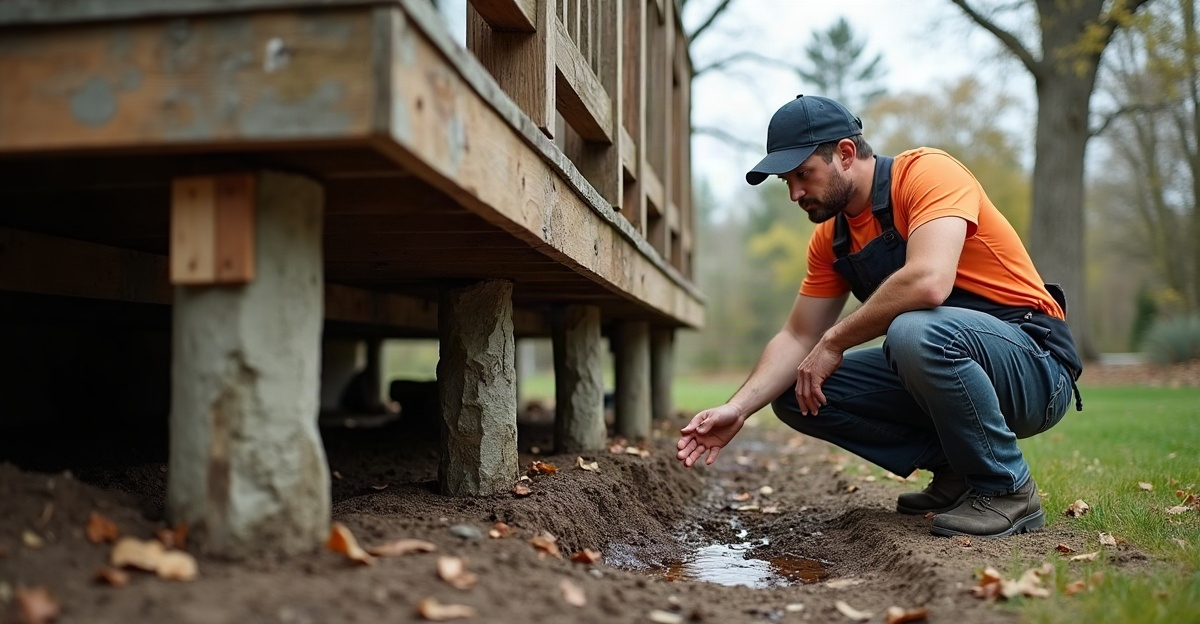
Sloped lots introduce drainage and erosion concerns. Water movement changes soil moisture content and can weaken support near foundation edges.
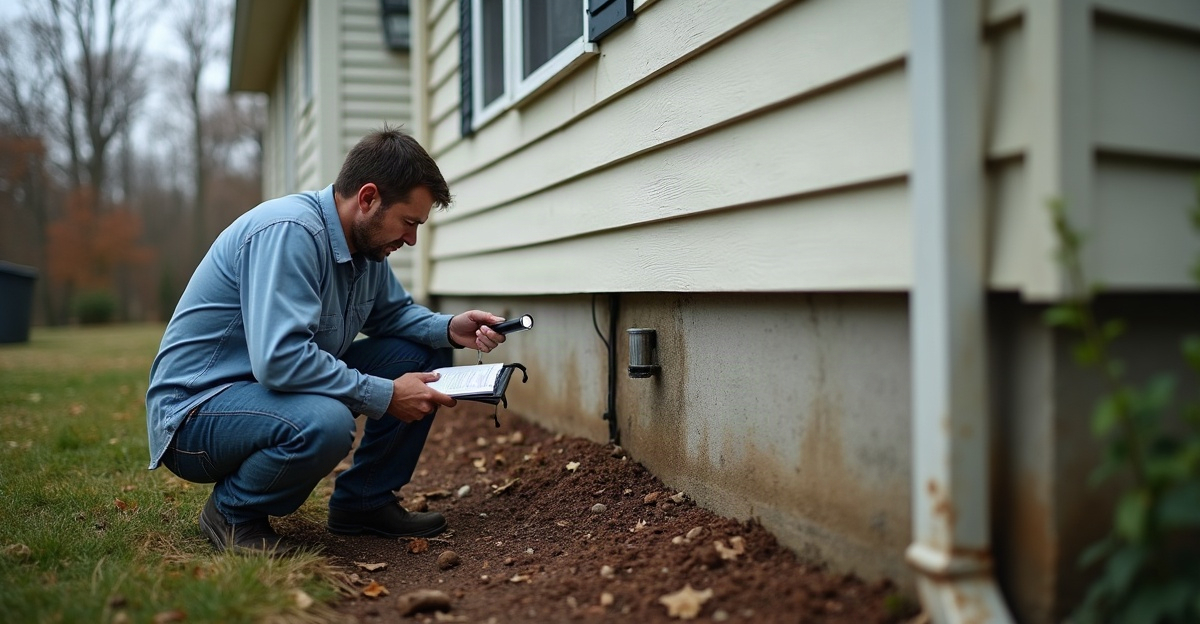
Before choosing a system, engineers evaluate:
- Soil bearing capacity
- Moisture content and compaction
- Proximity and connection details to the existing foundation
Tying a new addition into an existing foundation requires careful attention to differential settlement. If the original home sits on stable soil and the addition sits on weaker soil, the two sections can move at different rates. That difference causes cracks at the connection point.
In areas with known settlement history, pairing new construction with foundation repair and stabilization strategies can help keep everything working together. Strong settlement prevention planning at the start reduces future structural and cosmetic damage.
Timeline, Cost Factors, and When Specialized Structural Support Is Necessary
Project sequencing affects both schedule and cost.
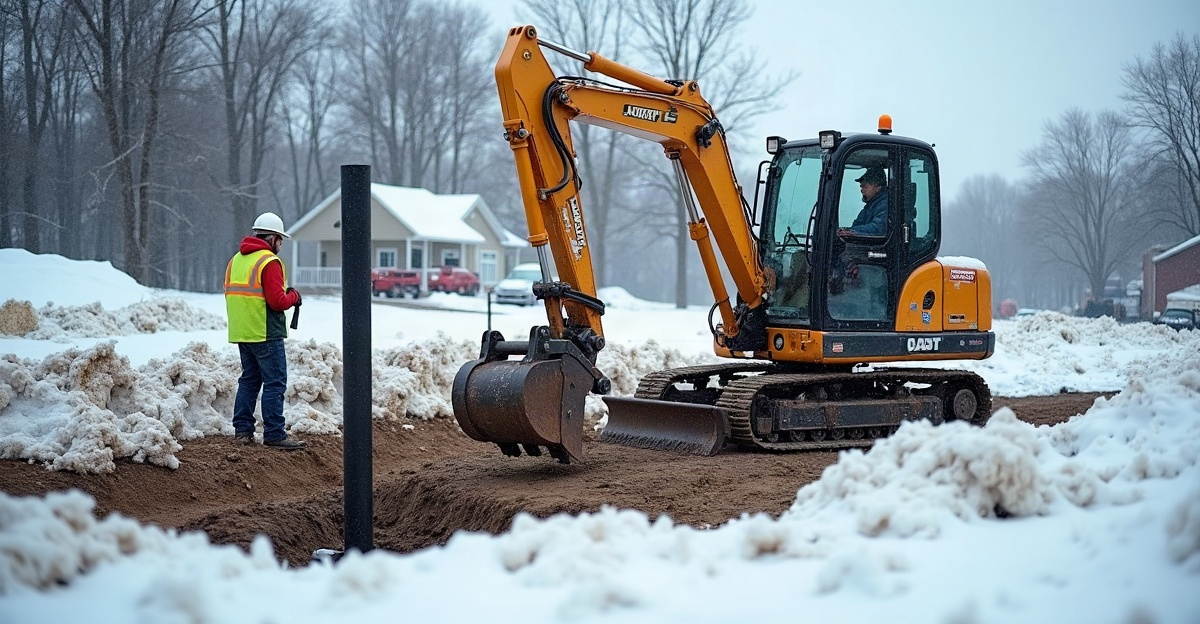
Concrete footings require excavation, forming, inspection, pouring, and curing before framing begins. Weather can slow this process. Minnesota winters make excavation and concrete work more challenging, especially if frost protection or heating measures are needed.
Helical pier systems move faster in many cases. Crews install piers, verify capacity through installation torque, and proceed with grade beams or structural connections. Some projects allow immediate load transfer, which shortens the schedule.
Cost depends on several variables:
- Soil conditions and depth requirements
- Structural load (single-story vs. multi-story additions)
- Equipment access on site
- Engineering and permitting requirements
Heavier loads such as masonry fireplaces, second stories, or expanded garages increase structural demands. Projects like garage foundation support or larger bump-outs often require higher-capacity systems.
Specialized structural support for additions becomes necessary when:
- The site contains poor or uncontrolled fill soil
- Previous settlement issues exist on the property
- Excavation space is limited near property lines
- Loads exceed what shallow soil can safely carry
Homeowners often ask whether helical piers are required for a home addition. The answer depends on soil and load. In stable, well-compacted native soil with adequate bearing capacity, concrete footings can perform well. In variable or weak soils, deep foundation support through piers offers greater reliability.
Another common question involves tying a new addition into an existing foundation. Done correctly, it’s standard practice. The key is designing both systems to perform together and limiting differential movement.
Footing depth in Minnesota must extend below frost depth and meet local inspection requirements. Exact depth depends on jurisdiction and soil conditions. Proper frost-protected design keeps seasonal freeze-thaw cycles from lifting the structure.
The most reliable way to choose the right foundation support for additions is to review soil conditions and structural plans together. For projects in Bloomington, MN, scheduling a site review helps determine whether shallow footings or deep foundation support will deliver the long-term performance the addition requires.