How Foundation Problems Affect Property Value

Foundation conditions can directly affect home value. Active or unexplained movement may reduce buyer confidence and trigger further inspections. These issues can also influence negotiations and closing schedules. Resale effects vary with the condition’s severity, repair quality, drainage issues, local market activity, and available repair records.
Key Takeaways
- Foundation concerns don’t reduce home value by a fixed percentage. Value effects depend on the condition, local market, repair costs, and buyer confidence.
- Visible cracks, uneven floors, sticking doors, water intrusion, and exterior settlement may need professional evaluation. Recurring or worsening symptoms often signal a larger concern.
- Poor drainage, soil movement, frost heave, insufficient footing support, and added structural loads can cause foundation movement in Minnesota.
- Clear repair documentation can ease buyer concerns and strengthen marketability. Keep reports, invoices, permits, photos, and warranty details.
- Helical piers can support certain settlement repairs, foundation support projects, additions, garages, porches, and decks. Site conditions and structural loads determine whether they fit the project.
How Foundation Problems Affect Property Value
Foundation problems and home value are closely connected because buyers often view unresolved movement as a possible cost, risk, and source of uncertainty. Property foundation issues can affect buyer confidence, inspection findings, repair negotiations, listing timelines, and the overall marketability of a home.
The structural damage impact is not fixed, and there is no universal percentage by which a foundation concern reduces property value. Actual resale effects depend on the extent of movement, whether conditions appear active, local buyer demand, expected repair costs, repair quality, available records, disclosure obligations, and buyer perception.
A properly evaluated repair can reduce uncertainty and help protect marketability. Still, foundation repair does not guarantee a dollar-for-dollar increase in resale value. The goal is to address verified conditions correctly, preserve the structure’s support, and give future buyers clear information about the work completed.
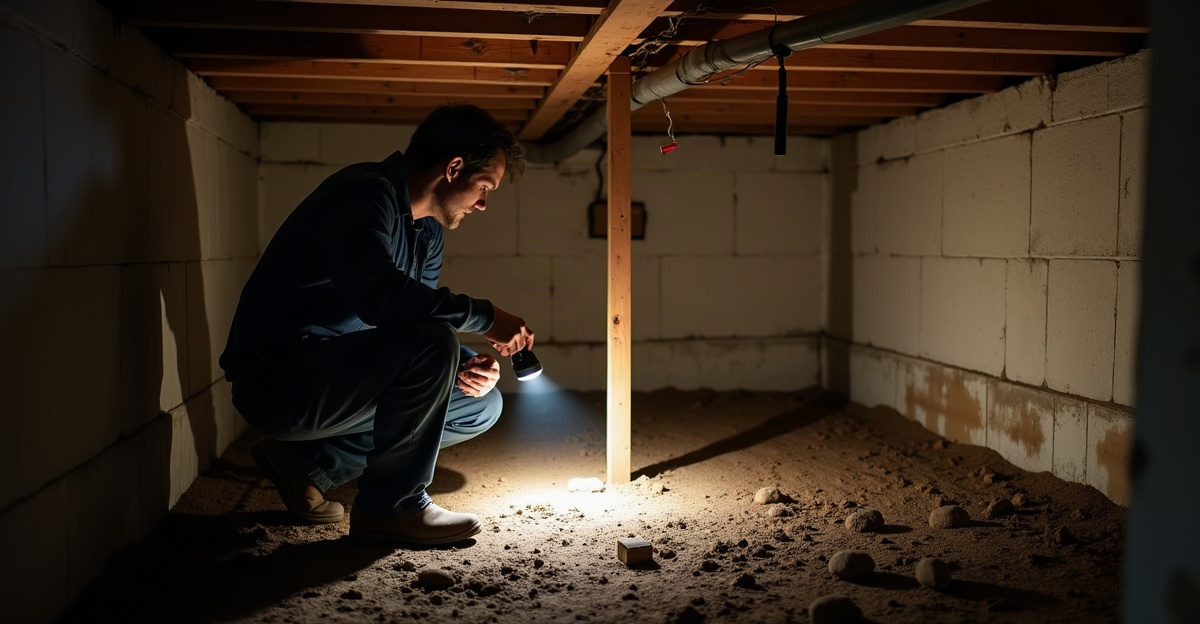
Homes can often be sold with known foundation concerns. Problems arise when the cause remains unresolved, work lacks documentation, or visible symptoms create questions that no one can answer clearly. Learning the signs of foundation trouble early gives us more time to assess conditions before a sale, refinance, or construction project.
Why Foundation Issues Can Complicate a Home Sale
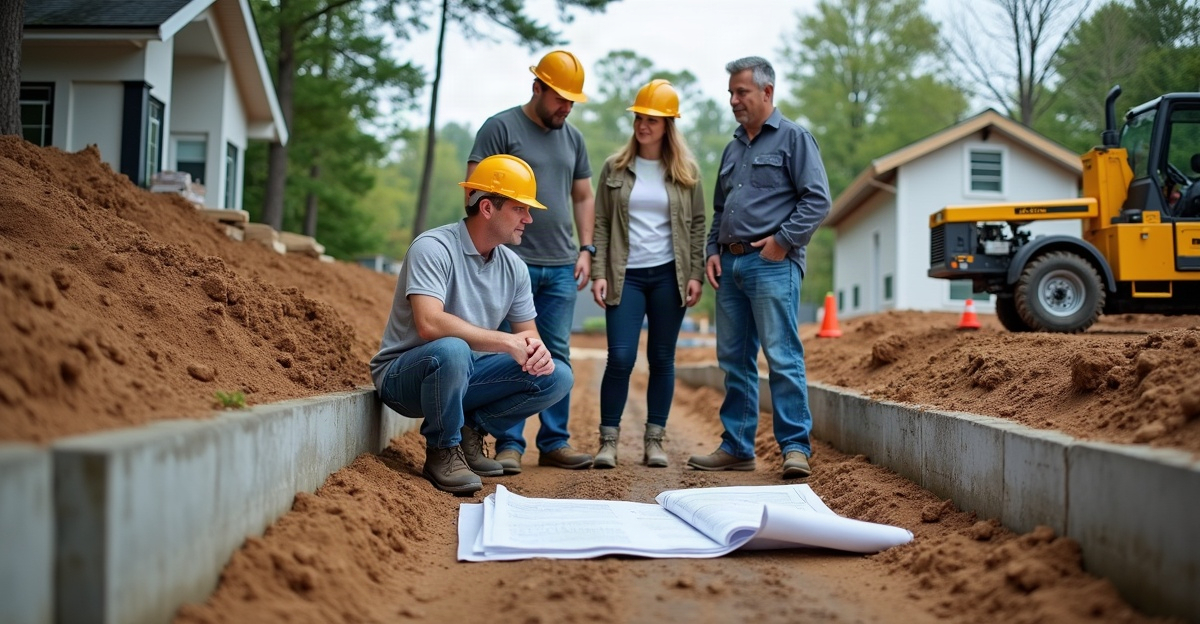
Foundation concerns often come up during pre-listing preparation, buyer inspections, remodeling plans, garage construction, addition work, and deck-footing projects. A buyer may feel more comfortable with a documented, properly scoped repair than with visible symptoms that have no evaluation or history behind them.
A foundation inspection can lead to follow-up questions, a specialist evaluation, repair requests, price discussions, a delayed closing, or a buyer choosing another property. These outcomes do not mean a sale cannot move forward. They show why clear information matters.
Active or unverified movement usually creates the greatest home resale concerns. Completed repairs with invoices, reports, and supporting records can make repair negotiations more straightforward. Drainage corrections also matter because water management often relates directly to long-term footing and foundation performance.
Visible symptoms such as cracks, uneven floors, or sticking doors can affect buyer confidence even when they have a limited cause. We should address conditions honestly and avoid cosmetic work that hides a problem without resolving it. Small foundation cracks may be minor, but recurring or changing cracks deserve context and evaluation.
In certain situations, appraisers, lenders, or insurers may ask about observed structural conditions, repair history, or professional evaluations. Their requirements vary by property, loan program, insurer, and condition of the home. Sellers should also understand Minnesota and local disclosure obligations and consult an appropriate real-estate professional or attorney as needed. This is not legal advice.
Cosmetic Cracks vs. Signs That May Warrant Evaluation
Visible symptoms are not a diagnosis by themselves. Foundation cracks, sloping floors, sticking doors, and water issues can result from different conditions, so we should assess them alongside the building’s age, location, drainage, repair history, and whether symptoms are changing.
Minor hairline shrinkage cracks in concrete may be cosmetic. Drywall or paint cracks can also be cosmetic, especially if they remain small and do not change. These conditions still deserve monitoring, particularly before a sale or remodel.
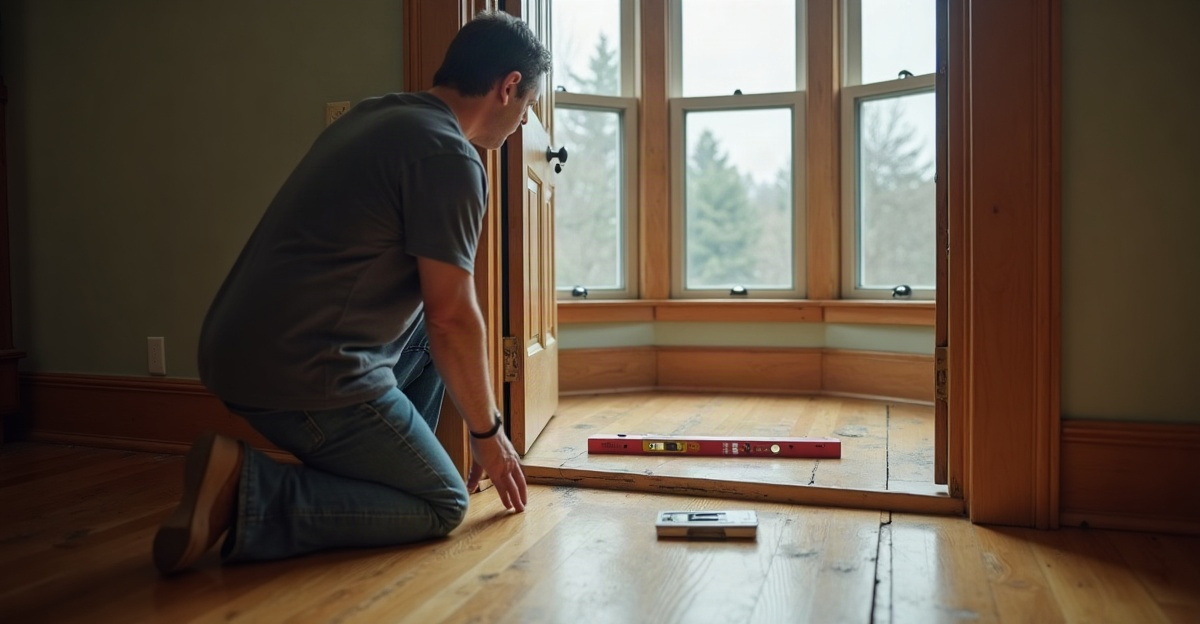
Other signs may warrant evaluation. Widening, recurring, or diagonal cracks can be a sign of movement. Stair-step cracks in masonry, doors or windows that begin sticking, noticeably uneven floors, and gaps around trim, cabinets, walls, or exterior openings should be assessed alongside other conditions. Visible settlement near an addition, porch, garage, deck, or foundation wall also merits attention.
Settlement means downward movement that can occur when soil or support below part of a structure does not adequately carry its load. It differs from every surface crack or normal material change. Our Minnesota settlement guide explains common conditions that can contribute to this type of structural movement.
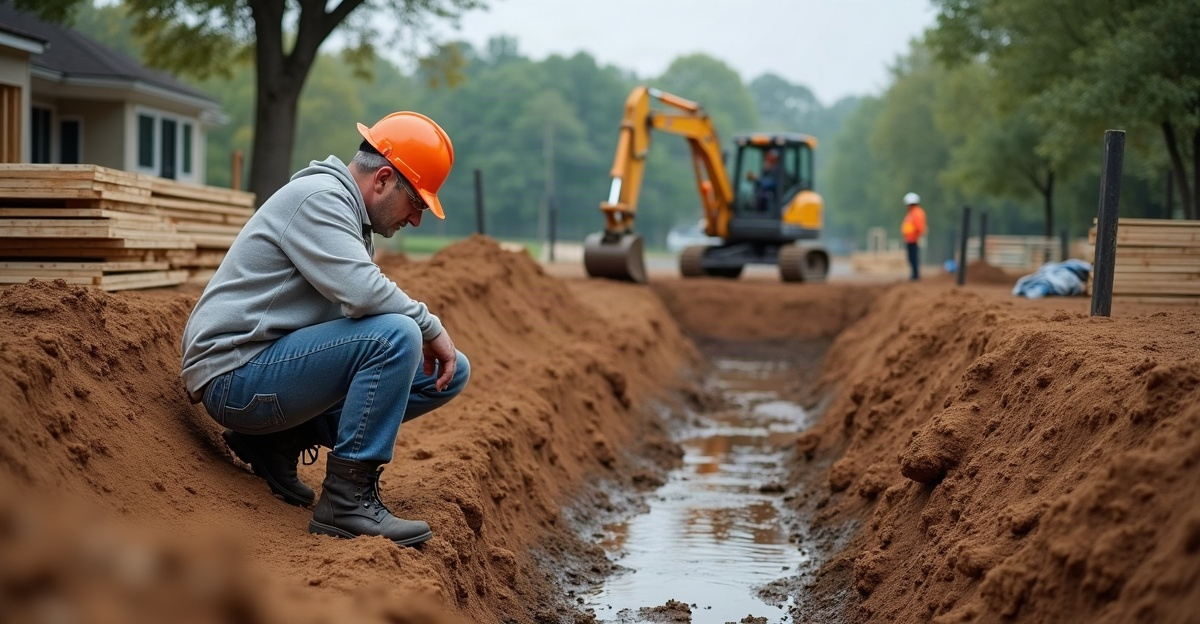
Persistent water intrusion, erosion, or poor drainage near the foundation may also warrant evaluation. Water may not be the only cause, but it can change soil conditions around footings and affect property foundation issues over time.
Common Causes of Foundation and Footing Movement in Minnesota
The visible symptom is rarely the whole problem. Effective foundation support starts with identifying contributing conditions, including water management, soil conditions, existing footing support, structural loads, and past construction changes.
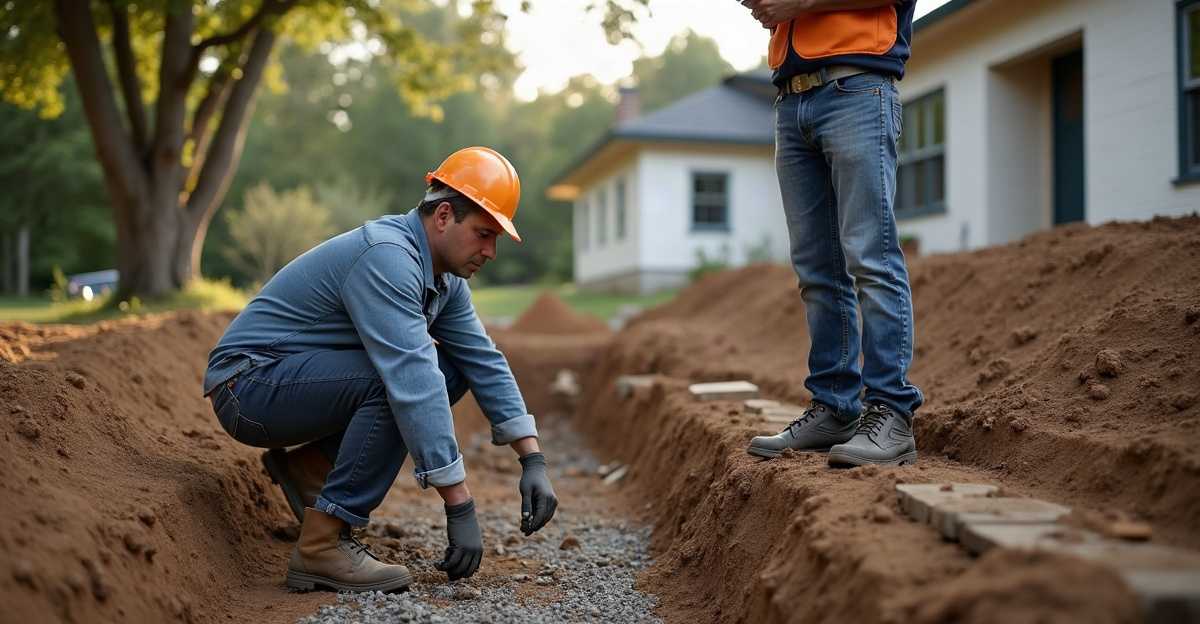
Grading means shaping the ground so water drains away from the structure. Poor grading, roof runoff, clogged gutters, missing downspouts, and persistent water near the foundation can leave soils overly wet or contribute to erosion. Our guide to foundation drainage problems covers why these conditions should be corrected alongside structural work.
Minnesota foundation problems may also relate to freeze-thaw cycles, frost-depth considerations, seasonal moisture changes, varied soil conditions, and site drainage. Frost movement is soil movement associated with freezing and thawing conditions. These factors do not affect every property in the same way, but they are relevant during a site-specific evaluation.
Weak or variable soils, expansive or unstable soils where present, tree roots, inadequate footing depth, improperly supported additions, and added loads from construction changes can all contribute to movement. Stabilizing a structure without considering drainage, soil behavior, water management, or added load may leave the underlying issue incomplete.
How Documented Repairs and Helical Piers Can Reduce Uncertainty
Repair documentation can matter as much as the repair itself when we plan to sell, refinance, remodel, or build. Clear records show what was observed, what work was recommended, and how the concern was addressed.
We recommend keeping inspection reports, structural engineer recommendations when applicable, repair proposals, paid invoices, permit records when required, transferable warranties if offered, before-and-after photographs, and records of drainage or grading improvements. Documented repairs can reduce uncertainty, address verified conditions, and improve marketability. They are not a guaranteed investment return or automatic increase in home value.
Underpinning means strengthening or supporting an existing foundation when additional support is needed. Load-bearing support means support intended to carry the weight placed on a structure. In appropriate situations, foundation repair and stabilization can address verified settlement or support concerns before they become harder to explain during a transaction.
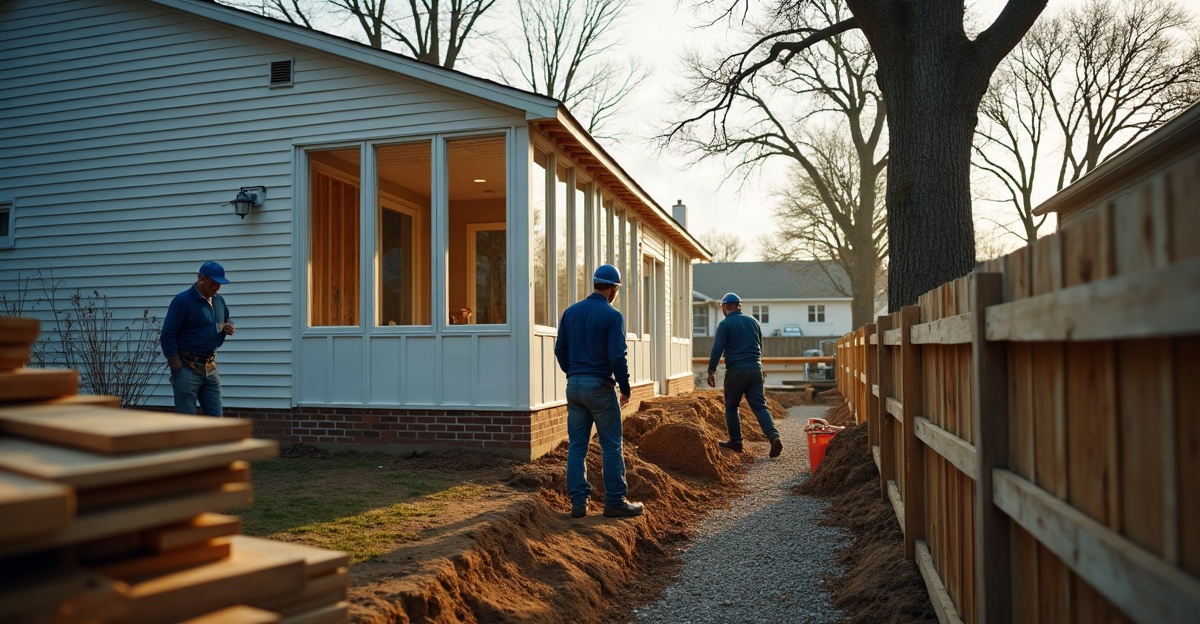
Helical piers may be used for certain underpinning, settlement stabilization, additions, garage foundations, porches, and deck footings. They are installed to provide support at suitable depths based on site conditions and project requirements. Our helical pier installation work focuses on practical support solutions for existing structures and planned construction.
Helical piers are not a universal answer. Suitability depends on soil conditions, structural loads, site access, existing structure conditions, engineering requirements, and contractor evaluation. A garage may need garage foundation support, while a planned expansion may need addition foundation support based on its specific load and layout.
What to Do Before Selling, Buying, Remodeling, or Building an Addition
Early action gives us clearer options and stronger records. We should document when symptoms appeared and whether they are changing, address obvious drainage and water-management issues, and avoid cosmetic patching that conceals an unresolved cause.
A qualified foundation evaluation is appropriate when warning signs appear. We should keep recommendations and completed-work records, discuss disclosure obligations with a Minnesota real-estate professional or attorney when appropriate, and obtain project-specific foundation-support recommendations before adding loads through an addition, garage, porch, or deck.
Practical Next Steps
Use this checklist before making a property decision or starting structural work:
- Photograph cracks, gaps, water entry, uneven floors, and exterior settlement areas.
- Record when symptoms first appeared and whether they are widening, recurring, or changing.
- Check grading, gutters, downspouts, roof runoff, and erosion around the foundation.
- Arrange a qualified evaluation when conditions suggest possible structural movement.
- Keep inspection reports, proposals, invoices, permits, photographs, and warranty information.
- Request project-specific deck support, garage foundation support, or addition foundation support before construction adds new loads.
- Contact an appropriate Minnesota real-estate professional or attorney for disclosure guidance.
Common Questions About Resale and Support
Do foundation problems always lower home value?
No. Foundation problems and home value depend on severity, active movement, local market conditions, repair quality, documentation, and buyer perception.
Can we sell a house with foundation issues?
Yes. The issue may affect negotiations, timing, disclosure discussions, and buyer confidence, especially when the cause or repair history is unclear.
Are foundation cracks always serious?
No. Minor shrinkage cracks and cosmetic surface cracks differ from crack patterns that may indicate movement. A changing pattern or related symptoms may warrant evaluation.
Do repaired foundation problems need to be disclosed?
Requirements vary. We should obtain Minnesota-specific real-estate guidance for the property and transaction.
Will foundation repairs increase home value?
Repairs may protect marketability and reduce uncertainty, but they do not guarantee a dollar-for-dollar return.
When are helical piers used?
They may be considered for certain settlement stabilization, underpinning, additions, garage foundations, porches, and deck support needs after a site-specific evaluation.
Should we obtain an evaluation before building an addition or garage?
A project-specific assessment may be appropriate before adding loads or building where footing support is a concern. If we are planning an addition, garage, deck, or structural repair—or have concerns about settlement or footing support—contact TR Helical Piers to discuss whether a site-specific helical pier evaluation may be appropriate.
This article provides general educational information, not structural engineering, legal, appraisal, lending, or real-estate advice.