Common Garage Foundation Problems Homeowners Face
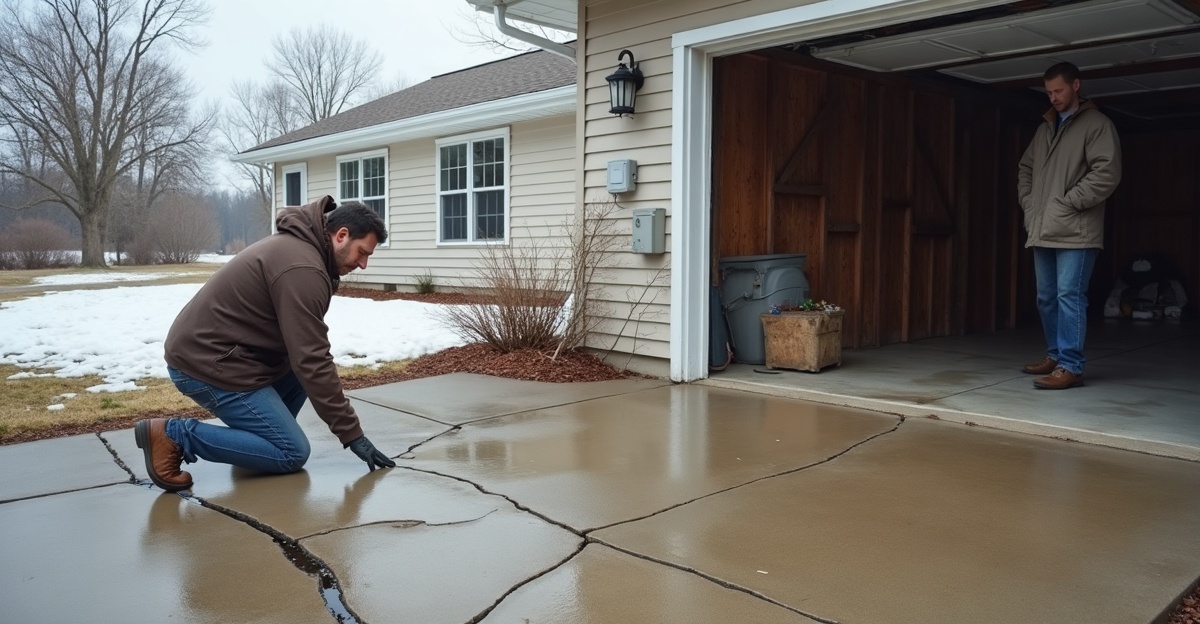
Garage foundation problems often start as small cracks, minor settling, or drainage concerns. These signs usually point to soil movement, freeze–thaw cycles, or poor compaction beneath the slab. In areas like Minnesota with clay-heavy soils and harsh winters, we need to know the difference between cosmetic cracking and structural movement. That distinction helps us decide whether simple monitoring will work or whether stabilization makes more sense.
Key Takeaways
- Hairline cracks commonly appear in concrete, but widening cracks, vertical displacement, and repeated seasonal movement indicate deeper structural concerns.
- Most garage foundation problems develop from soil conditions such as poor compaction, expansive clay, frost heave, and weak drainage control.
- Warning signs include sloping floors, sticking doors, gaps at wall framing, standing water, and consistent movement as seasons change.
- Surface repairs improve appearance, yet long-term solutions require us to correct soil support, improve drainage, or fill underlying voids.
- When settlement continues or upper soils remain unstable, structural reinforcement like helical piers transfers the load to deeper, stable ground.
Garage Foundation Problems: The Most Common Warning Signs Homeowners Notice
Garage foundation problems show up as movement, cracking, shifting, or settling that affects the slab or footing. In real terms, that means the concrete floor no longer sits flat or the structure above it starts reacting to changes below.
In Bloomington, MN and surrounding areas, we regularly see a few common symptoms.
Many homeowners first notice garage floor cracks. Hairline shrinkage cracks are common in concrete and often happen as it cures. These are thin and usually don’t change over time. Wider cracks that continue to grow or separate are a different story.
A sinking garage foundation is another red flag. One side of the slab may dip lower than the other. Vehicles may feel like they’re rolling slightly when parked. Stored items may not sit level anymore.
Garage settling issues often show up in how the structure performs:
- Vehicle doors or service doors start sticking
- Gaps form between the slab and the wall framing
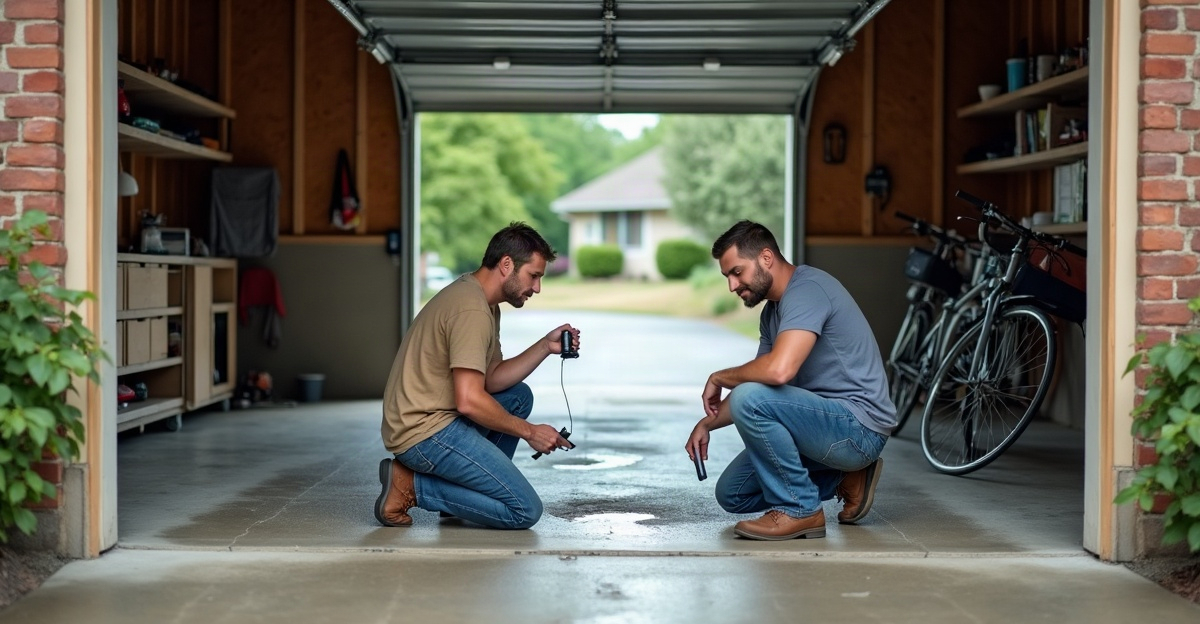
- The garage floor slopes or water pools near the overhead door after rain or snowmelt
Minor cracking alone doesn’t automatically mean structural trouble. Concrete cracks. That’s normal. What matters is the behavior of the crack and whether movement continues.
Red flags include:
- Cracks widening over time
- Vertical displacement, where one side of the crack sits higher than the other
- Movement that continues through seasonal changes
- Water entering through cracks
When multiple signs show up together, it’s time to look deeper at the cause rather than patching the surface.
Why Garage Foundations Move in Minnesota: Soil, Moisture, and Freeze–Thaw Cycles
Most attached garages in Minnesota sit on shallow footings placed below the frost line. Detached garages are often slab-on-grade construction, meaning the concrete slab is poured directly on prepared soil.
The concrete itself is rarely the true issue. Soil movement beneath the slab usually drives garage foundation problems.
Within about 100 miles of Bloomington, we deal with clay-heavy and expansive soils. These soils expand when wet and shrink as they dry. That constant change creates pressure and voids beneath the slab.
Freeze–thaw cycles add another layer. Frost heave occurs when moisture in the soil freezes and expands, lifting sections of the slab. When it thaws, the soil doesn’t always settle back evenly. Over time, that leads to uneven support.
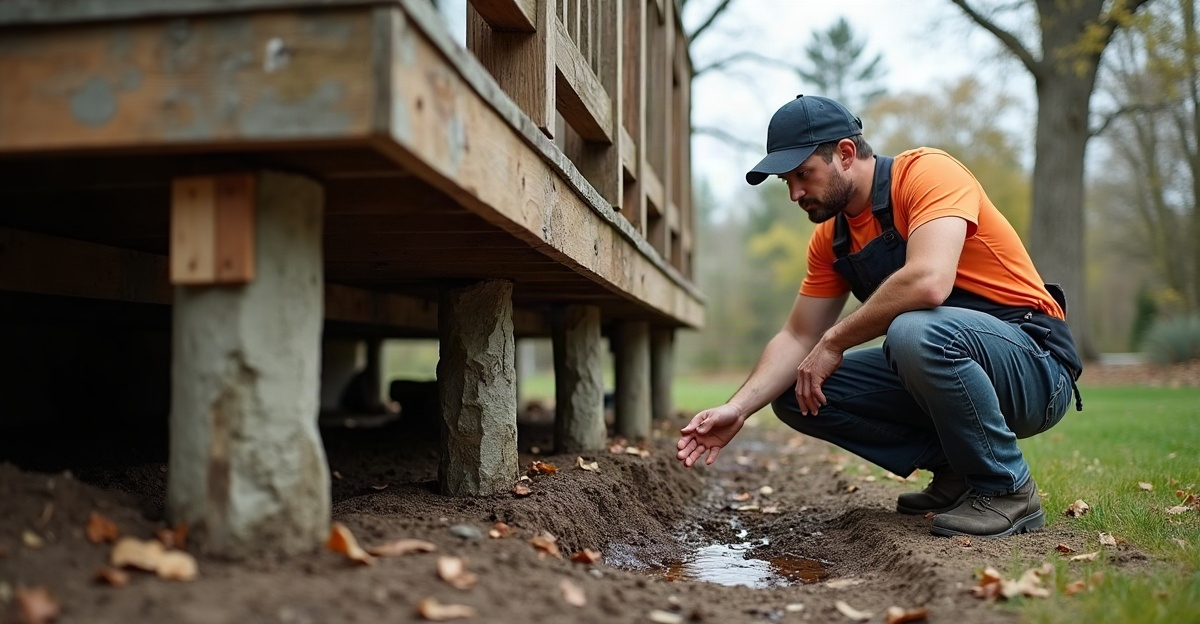
Snowmelt and seasonal rain amplify the problem. If drainage isn’t managed well, water collects near the slab edges and weakens the bearing soil.
Common root causes include:
- Poor soil compaction during original construction
- Expansive, clay-heavy soils
- Frost heave lifting the slab
- Drainage issues from short downspouts or improper grading
- Erosion beneath slab edges
- Excavation or additions that altered the surrounding soil
If you want a deeper understanding of regional causes, we break down what causes foundation settlement in Minnesota in more detail.
Soil movement is usually the underlying issue, not “bad concrete.” Until that’s addressed, cosmetic fixes won’t last.
Cosmetic Cracks vs. Structural Movement: How to Tell the Difference
Concrete develops hairline cracks as it cures and shrinks. These cosmetic cracks are narrow, stable, and show no vertical offset. They often stay the same size for years.
Structural concerns look different.
Garage floor cracks become serious when they widen, separate, or show vertical displacement. If one side of the slab is higher than the other, that signals shifting support beneath.
A sinking garage foundation may create a noticeable dip across the slab. Garage settling issues can start affecting door alignment, wall framing, or even roof lines in attached garages.
We recommend monitoring cracks before assuming the worst. Use a tape measure and track the width. Take photos every few months. Watch what happens after winter and spring thaw.
Professional assessment makes sense if you see:
- Ongoing widening
- Vertical displacement
- Repeated seasonal movement
- Water intrusion
There’s no benefit in panic. Not every crack needs structural repair. The key is understanding whether the movement has stopped or is still progressing. If broader structural symptoms show up, it’s worth reviewing the signs your home needs foundation repair and comparing those to what’s happening in the garage.
Repair and Stabilization Options: What Makes Sense for the Level of Damage
The right repair depends on the cause and severity of the garage foundation problems.
For minor, non-structural cracking, crack filling or surface repair may be enough. These solutions address appearance and minor moisture entry but don’t correct soil movement.
If voids have formed beneath the slab, slab leveling techniques can help. Mudjacking is one approach where material is pumped under the slab to lift and re-support it. This works best when the slab is intact but unsupported due to erosion or poor compaction.
Drainage improvement often plays a major role. Extending downspouts, regrading soil to slope away from the garage, and correcting pooling water can slow or stop further movement. Managing moisture near the slab edges reduces pressure changes in clay soils.
Each solution must match the cause:
- Soil erosion calls for void filling and water control
- Frost heave problems require moisture management and, in some cases, deeper support
- Poor compaction may require stabilization beyond surface-level repair
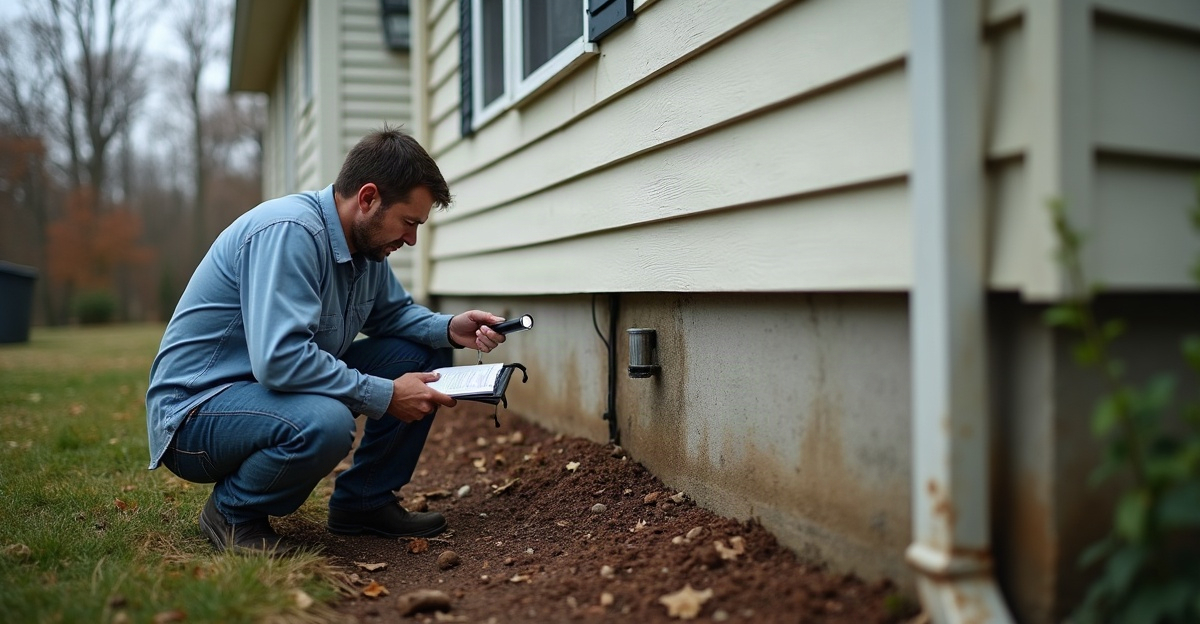
We handle many of these cases under our foundation repair and stabilization services, but we always start with a site evaluation. Guessing leads to repeat repairs. Proper diagnosis leads to lasting results.
When Deeper Support Is Needed: How Helical Piers Work in Garage Applications
Some situations go beyond surface fixes. If a sinking garage foundation continues to move, deeper stabilization is often required.
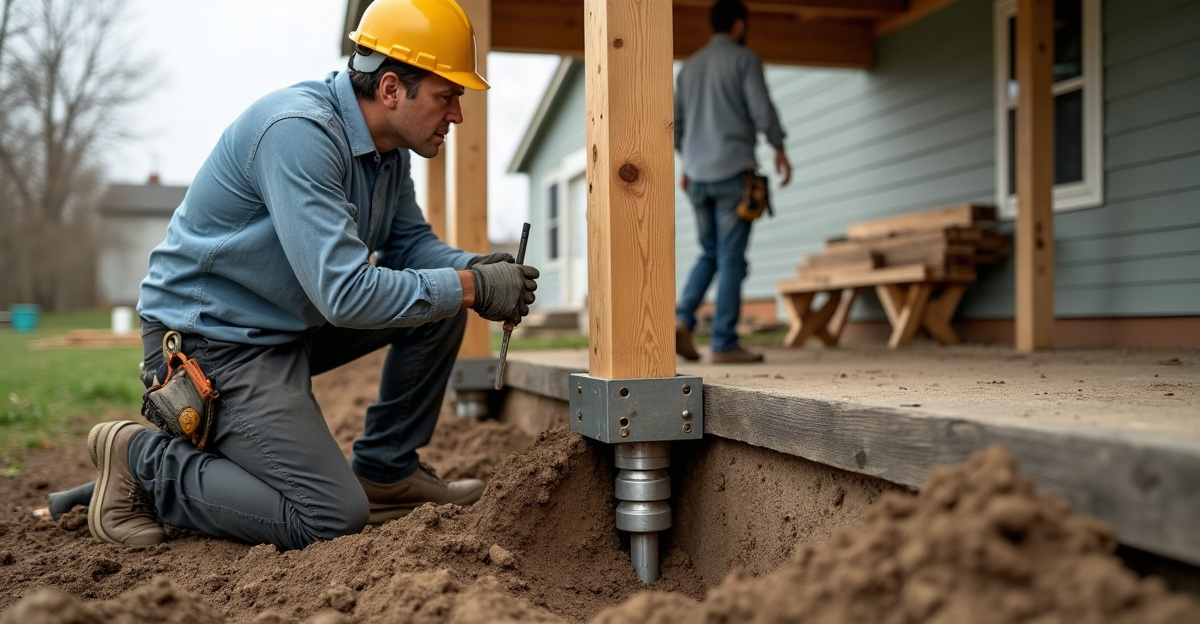
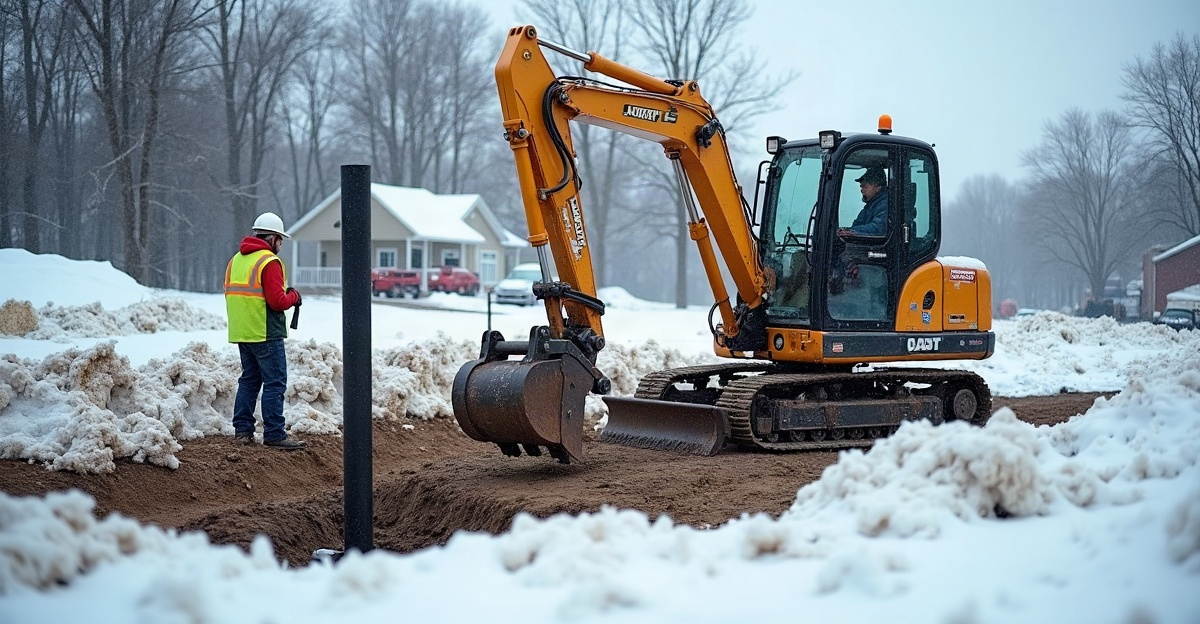
This is where underpinning with helical piers comes into play. Helical piers are steel shafts with helical plates that we screw into the ground using hydraulic equipment. We advance them until they reach stable soil layers capable of supporting the load.
Instead of relying on unstable upper soils, the weight of the garage transfers to deeper, more reliable ground. That stops ongoing settlement and, in some cases, allows controlled lifting.
Helical piers may be appropriate when:
- Settlement continues year after year
- Upper soils are weak or expansive
- The garage ties into an addition requiring reliable support
For new work, choosing the right structural backing matters. We outline when to use helical piers for a foundation for both repairs and new construction.
This is an engineered solution. It’s not the default answer for every crack. It’s a structural reinforcement method for genuine load and settlement issues. When deeper installation is required, we rely on professional helical pier installation practices to ensure proper capacity and long-term performance.
What to Do If You Notice Cracks This Spring in Bloomington or Surrounding Areas
Spring is when many garage foundation problems become obvious. Frost heave lifts slabs during winter. As thaw sets in, soil shifts again, and cracks become more visible.
If new cracks appear or existing ones change, take practical steps first.
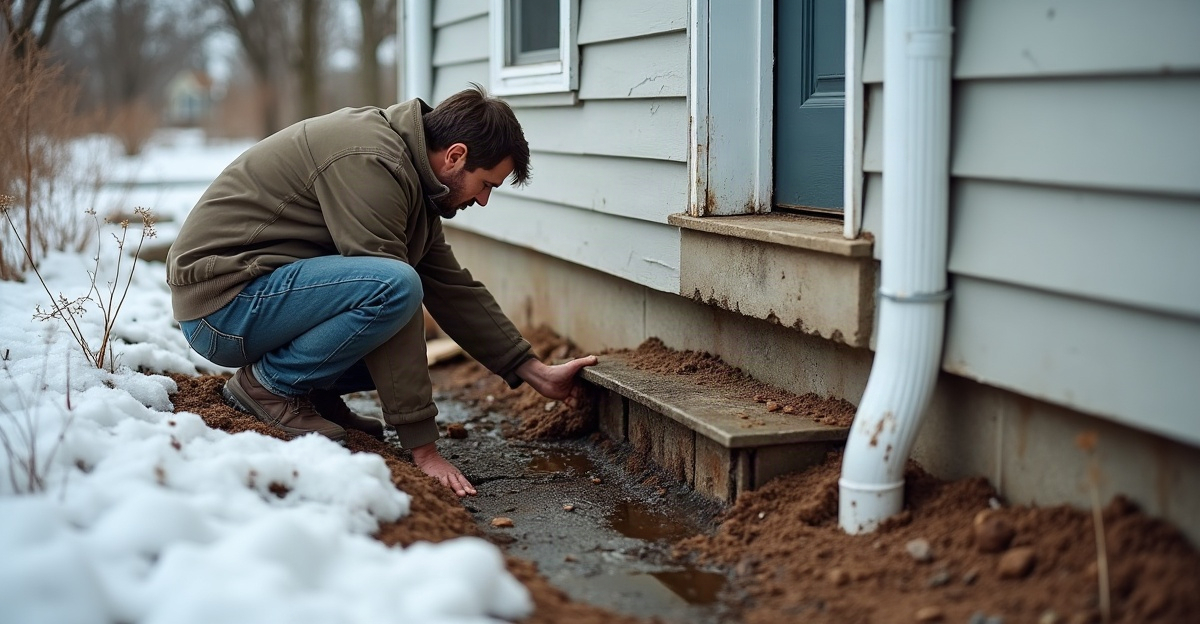
Photograph and measure the cracks. Record the date. Check downspouts and confirm they extend away from the slab. Look for standing water after rainfall or snowmelt. Monitor changes over the next few months.
Consulting a foundation specialist makes sense if you see multiple warning signs at once, rapidly widening cracks, or functional issues like doors that won’t close properly or visible slab drop.
Homeowners in Bloomington, MN don’t need to assume every crack means major structural repair. At the same time, movement that continues through multiple freeze–thaw cycles deserves attention.
The goal is informed decisions. Some situations call for simple drainage corrections. Others require structural stabilization. If movement continues or performance declines, connecting with a qualified team through our foundation evaluation process helps clarify the next step and prevent further damage.