Can Helical Piers Be Installed During Winter in Minnesota?
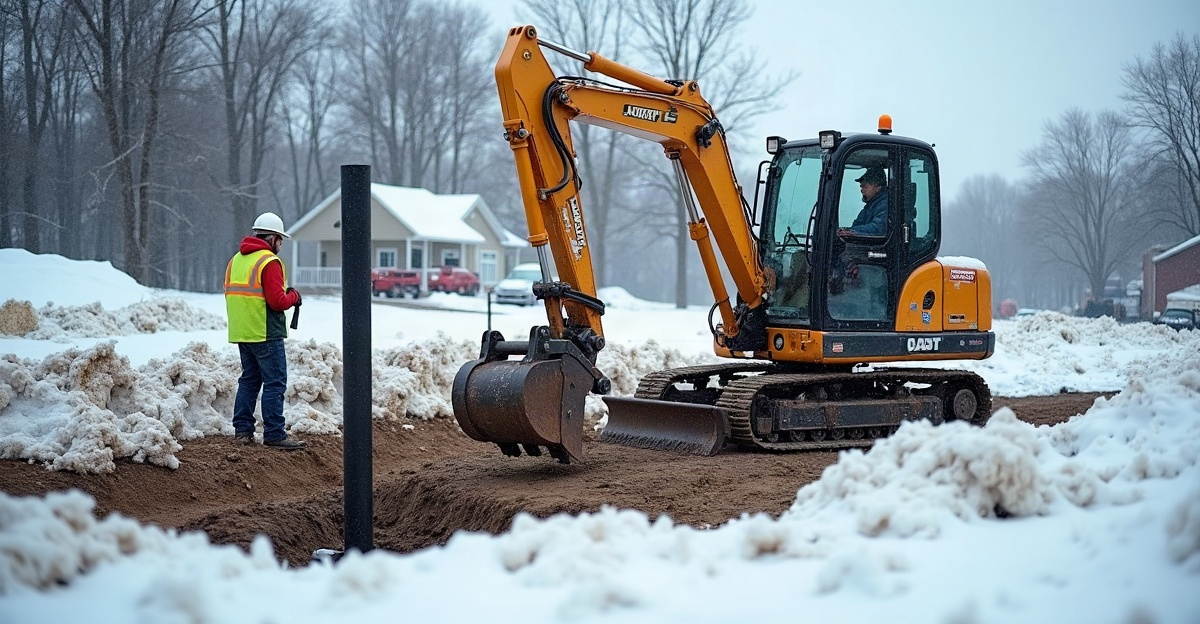
We can often install helical piers in Minnesota during winter when the site remains accessible, crews can manage snow and ice, and equipment operates safely. We base installation decisions on soil conditions, required depth and torque, structural loads, engineering details, and permit requirements. The calendar alone doesn’t determine whether installation can proceed.
Key Takeaways
- Frozen surface soil does not automatically stop helical pier installation. We advance piers to suitable bearing soil below the frost-affected layer.
- Helical piers offer a practical winter alternative to poured concrete footings. They don’t require concrete placement or cold-weather curing.
- Contractors must verify safe equipment access, cleared work areas, completed utility locates, accurate layout, and manageable excavation conditions.
- Each pier must meet the project’s required depth, soil resistance, measured torque, and engineered load capacity.
- We delay winter work when severe weather, unsafe access, incomplete permits, or site conditions prevent proper installation.
Yes, Helical Piers Can Often Be Installed During a Minnesota Winter
Helical piers can often be installed during winter in Minnesota. Frozen ground, snow, and cold temperatures do not automatically prevent the work.
Winter helical pier installation in Minnesota depends on practical site conditions and project requirements. We assess equipment access, soil conditions, pier design, structural loads, engineering details, and whether the pier can reach the required depth and installation torque.
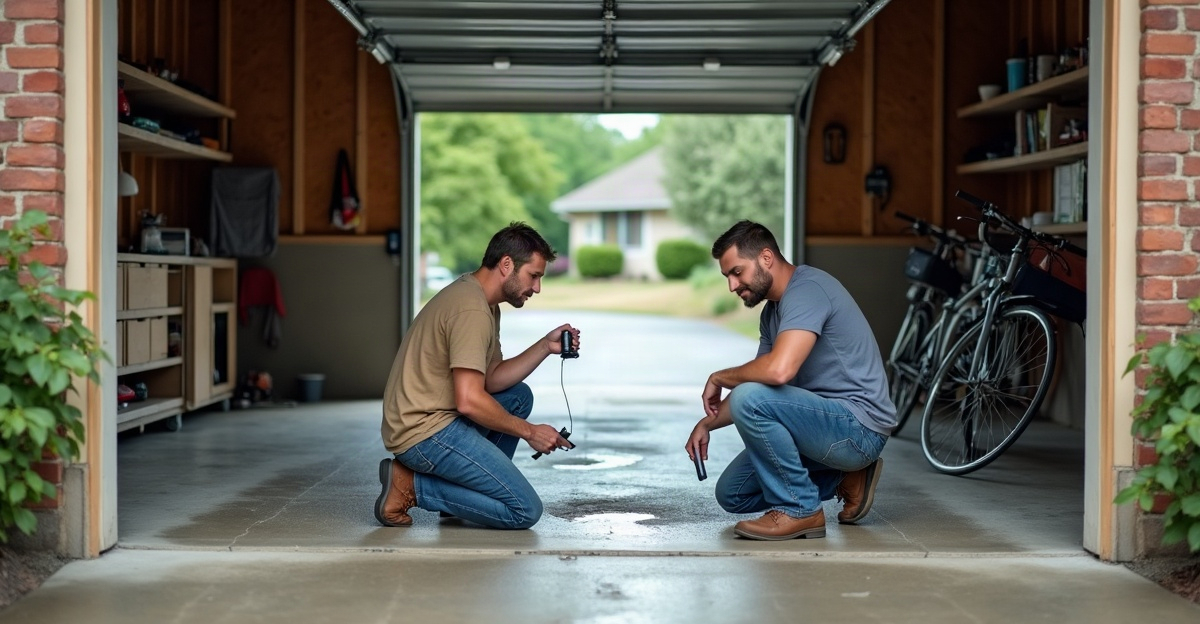
Many deck, addition, garage, repair, and structural-support projects can proceed through winter when the site allows safe, proper work. Helical piers are especially useful in winter where a project needs dependable support without relying on a large concrete pour.
Still, no contractor should offer an unconditional yes. Severe weather, unsafe access, incomplete permit details, or difficult excavation needs can require a scheduling adjustment. The decision should come from a site review, not the calendar alone. Learn more about how helical piers work before choosing a support approach.
What Frozen Ground Means for Helical Pier Installation
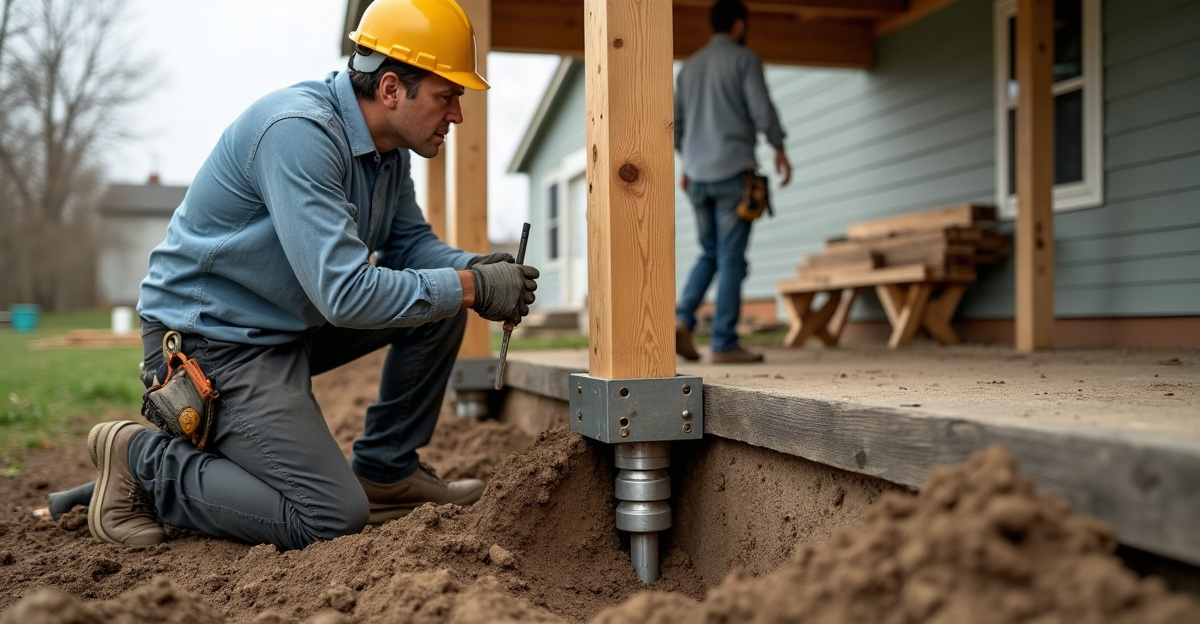
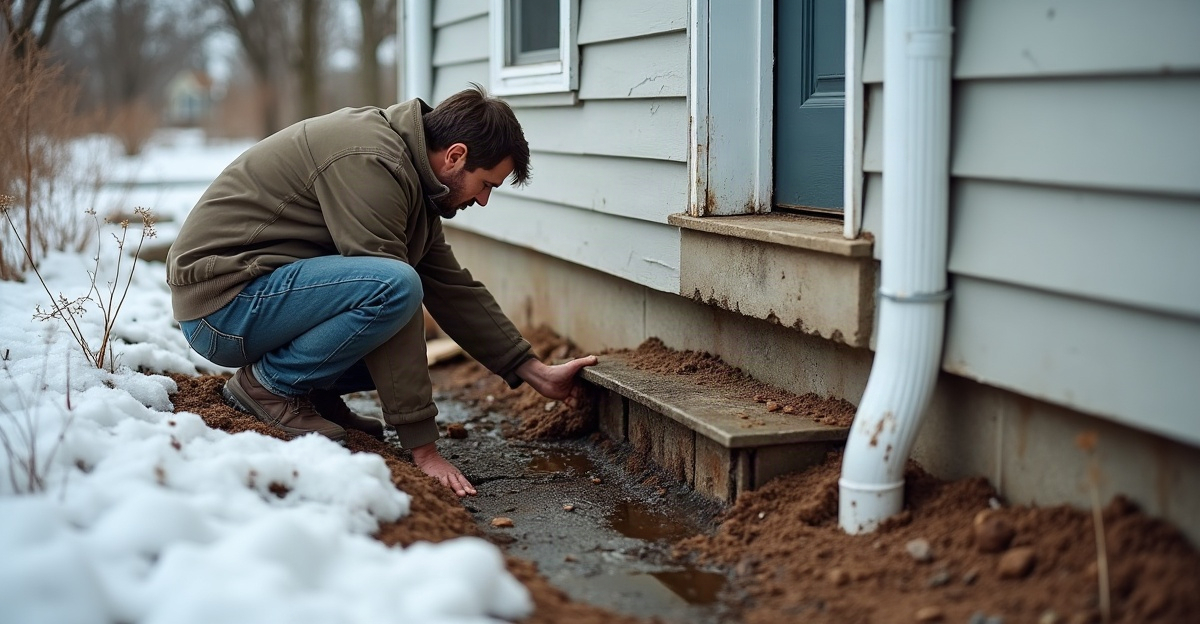
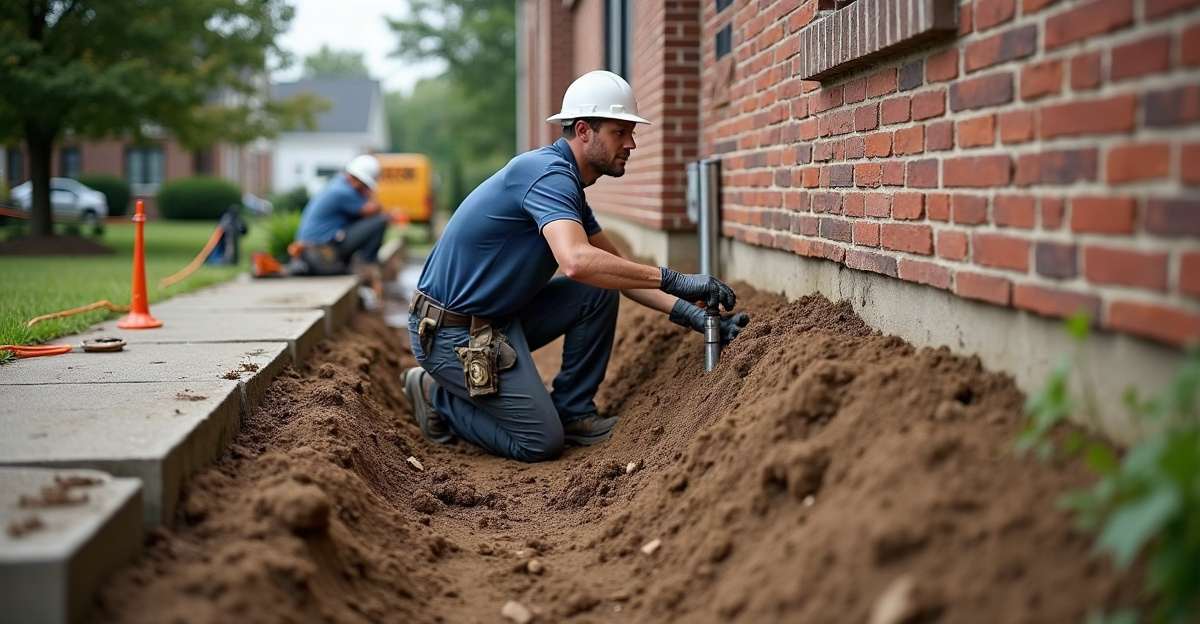
Frozen surface soil can affect the first portion of installation, but frost does not automatically make frozen-ground helical piers impossible. A helical pier uses one or more helixes, which are screw-like steel plates that allow the pier to advance into the soil as installation equipment rotates it.
We install piers below the frost-affected surface and continue until they reach suitable bearing strata. Bearing strata are stable soil layers with the resistance needed to support the structure’s intended load.
Minnesota frost depth matters greatly for conventional footings because those footings must generally extend below seasonal frost movement. Helical pier depth works differently. We do not stop a pier simply because it has passed a fixed frost-line depth. We advance it to the depth and soil conditions needed to meet the project’s capacity requirements.
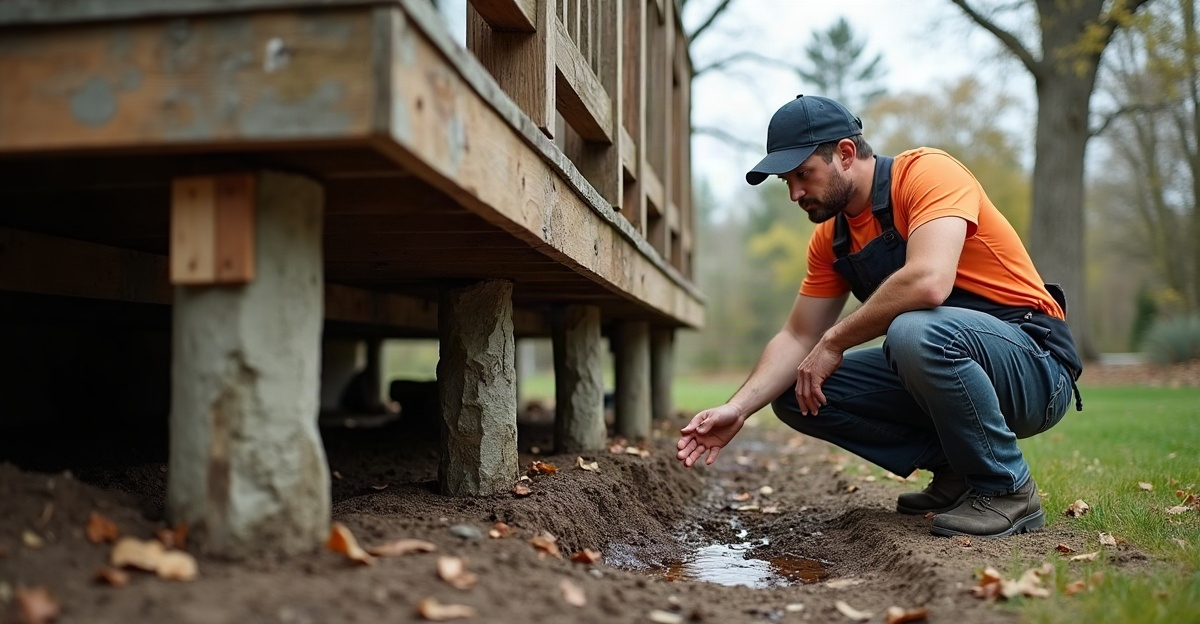
Surface frost may require a different starting approach or site preparation, yet the deeper soil profile remains the deciding factor. Our review of soil conditions and foundation stability explains why soil behavior matters before any foundation support work begins.
Why Helical Piers May Work Better Than Poured Concrete Footings in Winter
Helical piers can be a practical winter footing alternative because they do not depend on concrete curing after installation. Once a properly installed pier reaches the required depth and resistance, it can be fitted with the appropriate bracket or cap for the planned structure.
Cold-weather concrete footings often involve more winter preparation. The work may require excavation, stable open holes, formwork, concrete placement, and cold-weather curing procedures. Frozen ground, snow, and temperature swings can add time and coordination to each stage.
That does not mean helical piers replace poured concrete footings on every job. Structural plans, local requirements, soil conditions, building loads, and site constraints still control the right choice. In many cases, though, helical piers versus concrete footings in winter is a practical comparison worth making early in project planning. See our breakdown of helical piers versus concrete footings for a closer look at both systems.
For additions and new structural support, our foundation support for additions can provide an efficient path forward when winter conditions permit proper installation.
The Site Conditions an Installer Must Check Before Winter Work Begins
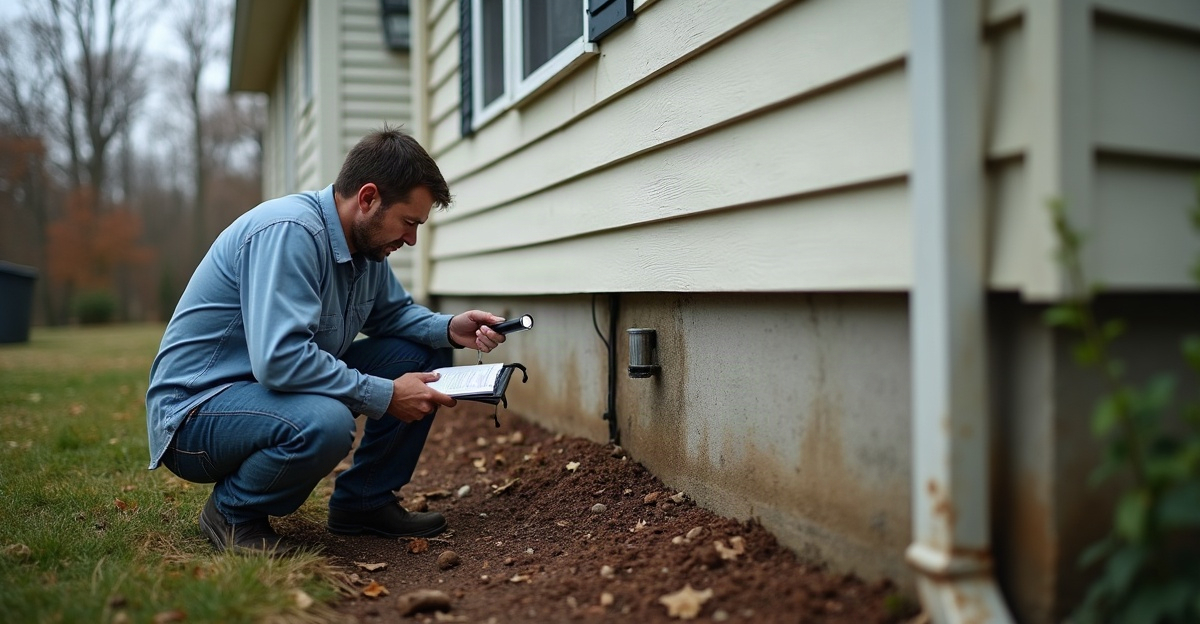
A helical pier site assessment covers much more than whether the ground is frozen. Winter construction site access often determines whether we can complete the work safely and without unnecessary disruption to the property.
Before mobilizing equipment, we confirm the following:
- Snow and ice can be cleared from work areas, access routes, and pier locations.
- Installation equipment can reach and operate at each pier location safely.
- Utility locating is complete before layout, excavation, or pier advancement begins.
- Site grades, structural locations, and possible underground obstacles are identified.
- Any required excavation can be completed without creating unsafe conditions.
- Landscaping, driveways, and nearby surfaces can be protected during the work.
Snow cover can hide grades, utility markings, pier layout points, and obstacles. Frozen soil can also complicate excavation for grade beams, brackets, or other project details. Proper utility locating in Minnesota and clear site planning reduce avoidable delays.
We may need snow removal for helical pier installation, ice management, temporary access protection, or a revised work sequence. Weather can also delay work when visibility, equipment traction, or crew safety falls below acceptable conditions. For projects that need stabilization rather than new support, our foundation repair services start with the same site-focused evaluation.
How Installers Confirm the Piers Can Support the Structure
Helical pier load capacity is project-specific. It depends on the pier’s diameter and helix configuration, the soil profile, installation depth, measured torque, structural loading, and any engineering requirements for the project.
Torque is the turning resistance measured as we rotate the pier into the ground. In simple terms, it shows how much resistance the soil provides as the helixes advance. This information helps us verify that the pier is reaching soil with suitable resistance for the planned support load.
We do not install structural support piers to a predetermined frost-line depth and assume they are adequate. Each pier must reach the depth and soil conditions required by the design. An engineered helical pier design may also specify pier spacing, bracket type, allowable loads, and other installation details.
Minnesota building permits, local review requirements, and engineering needs vary by location and project type. We confirm those details before work begins rather than treating any one design standard as universal. For a clear view of the field process, review our helical pier installation process.
When Winter Installation Makes Sense—and When Waiting May Be Better
Winter installation makes sense when the site is accessible, utilities are located, snow and ice can be managed, equipment can operate safely, and the piers can reach the required torque and depth. Under those conditions, a winter helical pier contractor in Minnesota can keep many foundation and structural projects moving without sacrificing proper installation standards.
Waiting may be the better decision when severe weather blocks safe access, the site cannot be prepared adequately, frozen conditions interfere with necessary layout or excavation, or engineering and permitting details remain incomplete. We also pause when site conditions could create avoidable property damage or prevent accurate installation.
Effective winter foundation project planning focuses on the structure, the soil, and the work area. It does not focus on forcing a schedule through poor conditions. We install the right support system properly, or we recommend the appropriate time to proceed.
For decks, additions, repairs, or new construction, we can evaluate current helical pier installation conditions and recommend a practical next step. Contact us through our Minnesota helical pier assessment page to discuss the site and project requirements.