How Long Do Helical Piers Last?
The lifespan of helical piers typically spans several decades or longer when we handle soil conditions, corrosion protection, load calculations, and installation standards correctly. In Minnesota’s freeze-thaw climate and variable soils, we focus on embedment depth, torque verification, and corrosion protection to determine how long helical piers perform in real conditions.
Key Takeaways
- The lifespan of helical piers depends on soil chemistry, moisture levels, frost depth, structural load, and verified installation quality. We evaluate each of these factors before and during every project.
- Proper embedment below frost depth and advancement into stable, load-bearing soil are critical for long-term performance. We always drive piers into competent soil layers to prevent seasonal movement.
- Torque verification during installation confirms capacity and reduces the risk of premature movement or failure. We monitor and document torque readings to verify that each pier meets engineered load requirements.
- Corrosion protection, such as galvanization or protective coatings, directly impacts steel pier longevity in aggressive soils. We select protection methods based on soil tests and expected service life.
- When correctly designed and installed, helical piers can provide durable foundation support for several decades or more. We design every system with long-term stability in mind, so clients gain reliable performance year after year.
What Is the Realistic Lifespan of Helical Piers?
The lifespan of helical piers is measured in several decades or longer when they’re properly designed and installed. They are widely recognized as durable foundation support in both residential and light commercial construction across Minnesota.
That said, they don’t “last forever.” The steel pier lifespan depends on soil conditions, corrosion protection, structural load, and installation quality. Projects perform exceptionally well for decades when those factors are handled correctly. Problems arise when shortcuts are taken.
Minnesota adds its own pressures. Frost depth, aggressive freeze-thaw cycles, and shifting or expansive soils all affect foundation performance. A pier embedded below frost depth and advanced into stable, load-bearing soil performs very differently than one set shallow in loose fill.
Helical systems are considered long lasting foundation systems for one key reason: they’re installed to a measurable capacity using torque. When a pier is driven to proper torque and correct embedment depth, its ability to handle the intended load is verified. That is not guesswork. It is controlled, verifiable installation.
Traditional concrete footings can also last decades when correctly designed and placed below frost depth. The difference is how each system handles movement and soil variability over time. That is where helical piers often stand out.
What Determines How Long Helical Piers Last?
Several factors directly influence steel pier lifespan. None are mysterious, but each requires attention to detail.
Soil Conditions and Frost Depth
Soil is the largest variable. High moisture, organic soils, expansive clays, and fluctuating groundwater levels affect both load capacity and corrosion potential.
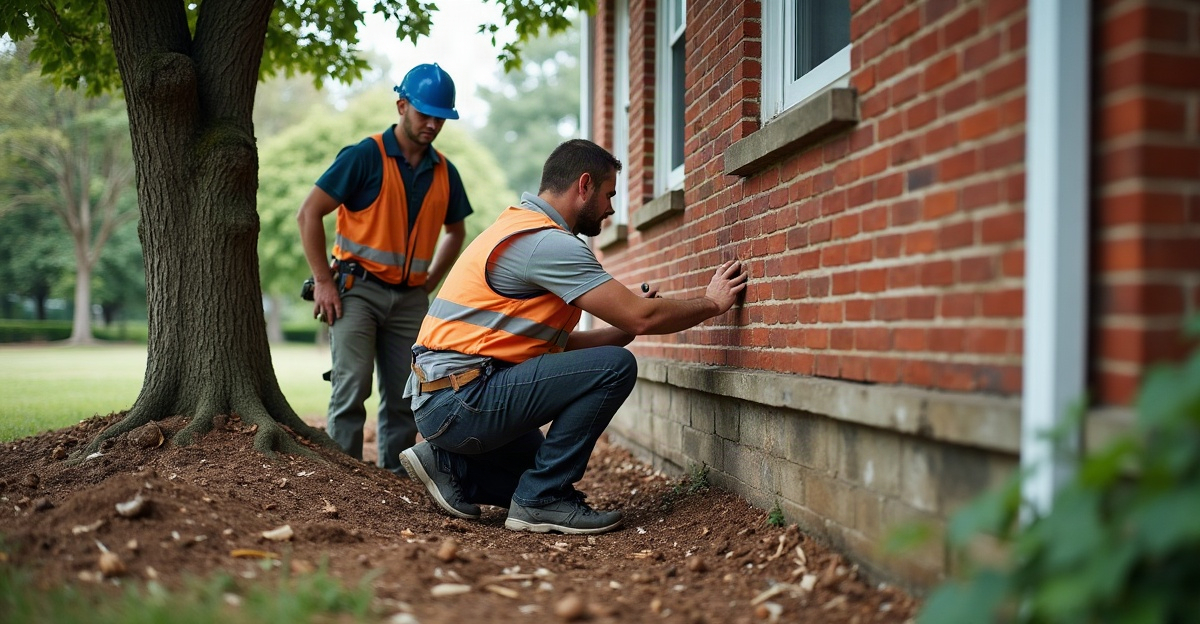
In Minnesota, frost depth is critical. Freeze-thaw cycles can lift shallow foundations and cause long-term movement. If a helical pier does not reach proper embedment depth below frost depth, seasonal movement may affect performance. When helix plates are advanced into stable strata below the active frost zone, freeze-thaw cycles have minimal structural impact.
Corrosion rates also vary by soil chemistry. Some soils are relatively neutral and slow to corrode steel. Others, particularly those with higher moisture or certain mineral content, are more aggressive. That is why corrosion protection, such as galvanization or protective coatings, plays a major role in overall lifespan.
Load, Engineering, and Installation Standards
Every project requires accurate load calculations. A pier that is undersized or overloaded will not perform long term, no matter how deep it goes. Shaft size and helix configuration must match the structural demand.
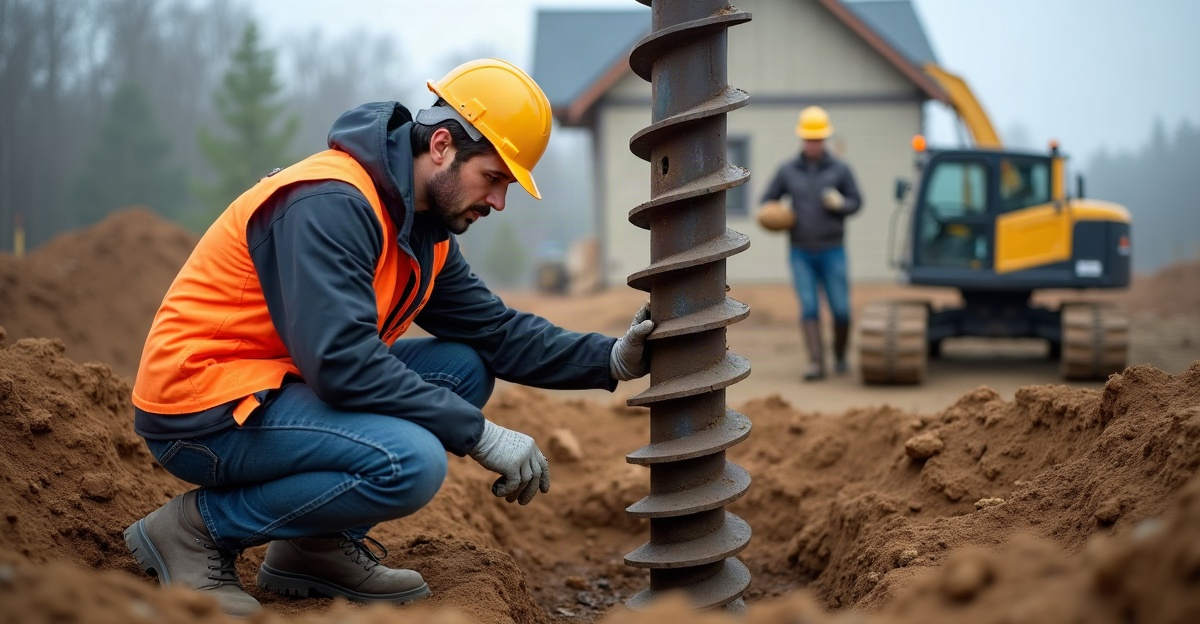
Proper embedment depth is non-negotiable. Helix plates must advance into undisturbed, load-bearing soil. Installing into fill, loose topsoil, or soft clay reduces capacity and shortens service life.
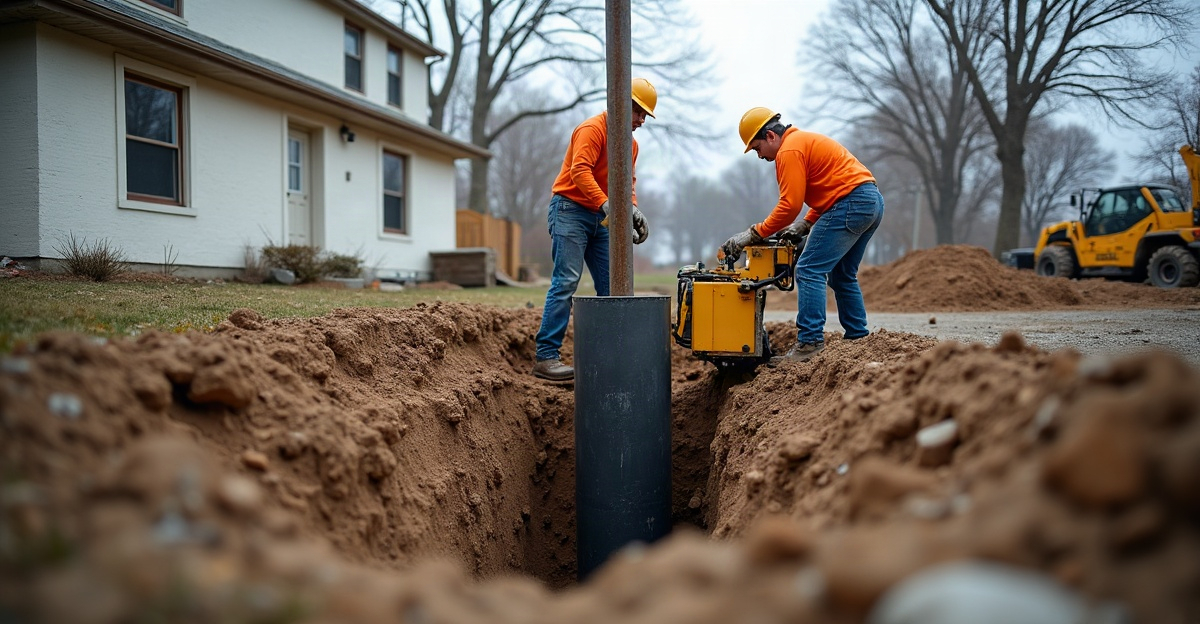
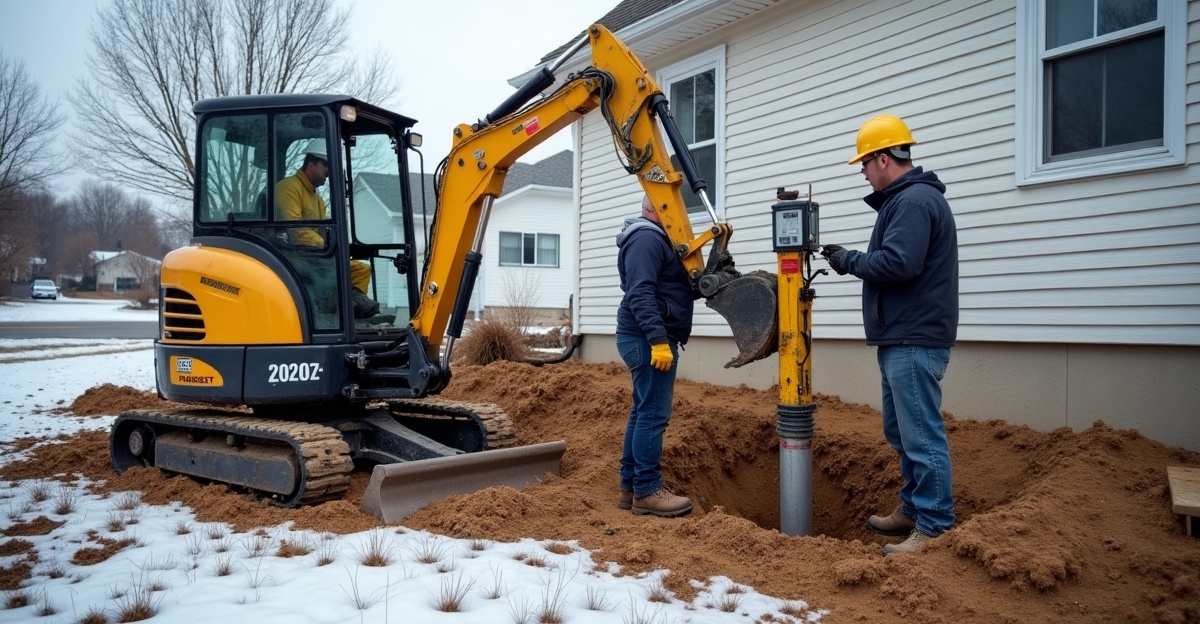
Torque verification ties the system together. During installation, torque readings are monitored as a measurable indicator of capacity. Higher resistance typically signals stronger bearing strata. Without torque verification, installation is guesswork. With it, performance is supported by data.
When these variables are addressed correctly, helical piers provide decades of durable foundation support.
For a deeper explanation of the system, see what are helical piers and how they work.
Why Installation Quality Makes or Breaks Long-Term Performance
Installation quality separates average performance from long-term structural stability.
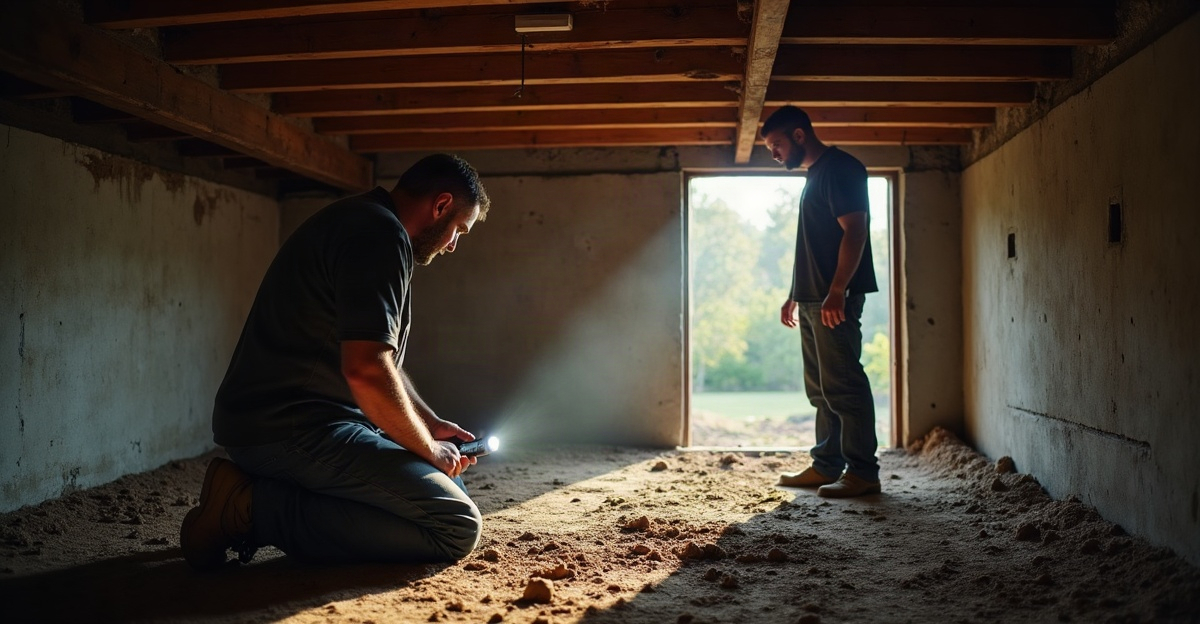
Torque verification confirms that suitable bearing soil has been reached. If installation stops prematurely or torque readings are ignored, the pier may remain in weaker soil. That shortcut reduces lifespan from day one.
Alignment is equally important. A pier must be installed straight and properly connected to its bracket or pile cap. Misalignment introduces unnecessary stresses that can affect both the structure and the pier over time.
The helix plate must advance cleanly into undisturbed soil. Pre-boring excessively or disturbing the soil reduces bearing capacity and compromises performance.
Documented depth and torque readings provide accountability and long-term confidence. Marketing claims do not create durable systems. Professional installation standards do.
Learn more about professional helical pier installation and why verified torque and embedment depth matter.
How Helical Piers Compare to Traditional Concrete Footings Over Time
Both concrete footings and helical piers can function as long lasting foundation systems. The difference often appears in challenging soil conditions.
Concrete footings rely on surface area and proper placement below frost depth. If installed shallow or in shifting soils, freeze-thaw cycles and soil expansion can lead to cracking and movement. Once movement begins, repairs can be disruptive and costly.
Helical piers transfer structural loads deeper, anchoring into more stable bearing layers. In areas with expansive clay or variable soils, this often reduces long-term movement.
There are also timeline advantages. Helical piers typically install with minimal excavation and without concrete cure time. Structures can often be loaded immediately. However, lifespan depends on design and installation quality, not installation speed.
For a broader comparison, review helical piers vs concrete footings to evaluate which system best fits specific soil and load conditions.
Common Concerns: Rust, Soil Movement, and Freeze-Thaw Cycles
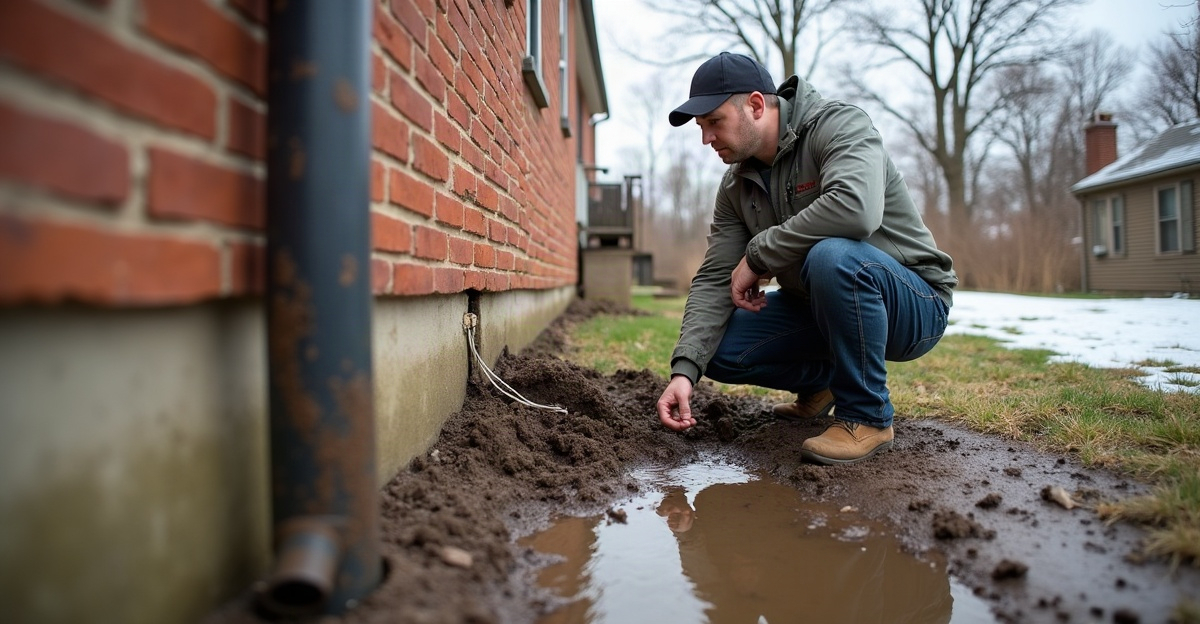
Rust and corrosion are common concerns. Steel in soil corrodes at a rate influenced by moisture, oxygen, and chemistry. The service life of a pier depends on environmental aggressiveness and corrosion protection.
Galvanization adds a zinc layer that corrodes before the underlying steel, significantly extending service life. Additional coatings can further increase durability in aggressive soils. When corrosion protection matches site conditions, helical piers commonly last several decades or longer.
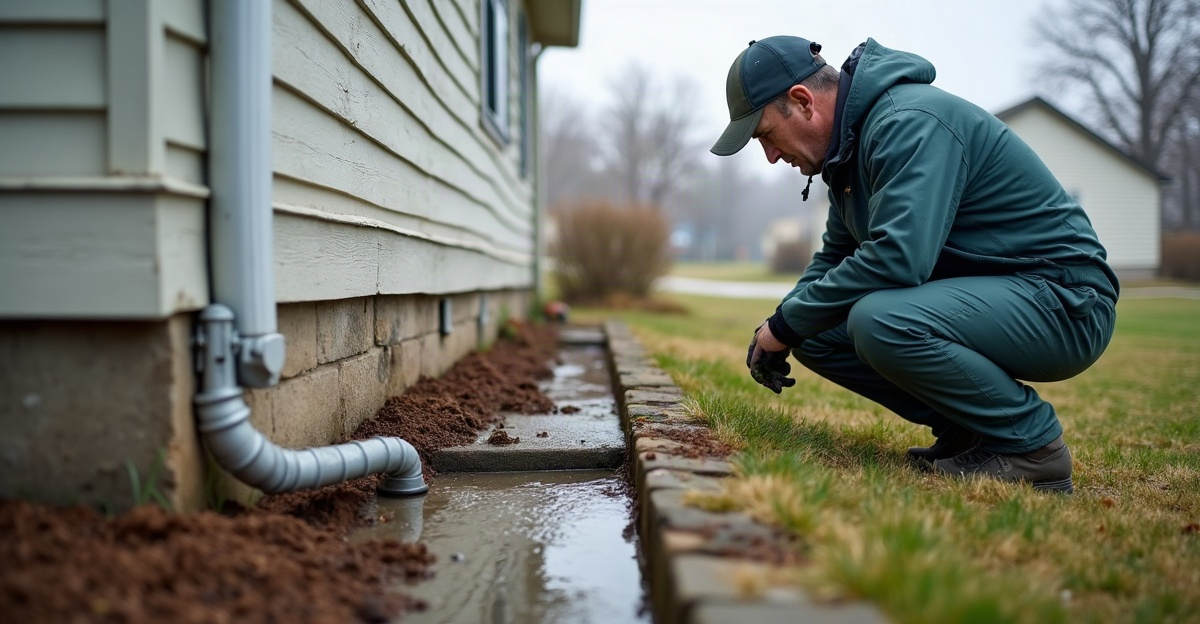
Shifting soil presents another concern, particularly in Minnesota clay. Expansive soils swell with moisture and shrink during dry periods. Surface-level foundations are more vulnerable to that stress than deep foundation systems.
Freeze-thaw cycles mainly impact shallow systems. As soil freezes, it expands; as it thaws, it contracts. When piers are embedded below frost depth into stable strata, seasonal cycles have limited effect on structural performance.
The risks are real, but they are manageable through proper engineering, corrosion protection, load calculation, and verified installation depth.
When Helical Piers Are a Smart Long-Term Solution for Your Project
Helical piers are widely used in and around Bloomington, Minnesota for decks, additions, garages, porches, and structural repairs.
They are especially effective in variable or problematic soils where traditional footings may struggle with long-term movement. Projects with tight construction timelines also benefit from immediate load capacity.
For additions and structural expansions, evaluating foundation support for additions early in the design process is recommended. You can also compare systems by reviewing the best foundation support options for different soil and load conditions.
When determining suitability, focus on these practical factors:
- Soil type and moisture exposure
- Required structural loads
- Frost depth and seasonal movement
- Corrosion protection options
- Verified torque readings and embedment depth
Asking direct questions about load calculations, torque verification, corrosion protection, and installation standards provides clarity and protects long-term performance.
For homes already experiencing settlement, helical systems can provide stable correction. Learn more about how helical piers help stabilize settling foundations and the available foundation repair and stabilization services.
The bottom line is straightforward. The lifespan of helical piers is typically several decades or longer when soil conditions, corrosion protection, structural loads, and installation quality are handled correctly. That makes them a dependable, durable option and one of the strongest long lasting foundation systems available when properly engineered and installed.