What Makes Steel Helical Piers Stronger Than Traditional Supports?
Steel helical piers can deliver stronger foundation support than traditional footings. They transfer structural loads past weak, frost-affected, or disturbed surface soils into suitable bearing soil at depth. Engineered design, pier configuration, installation checks, corrosion protection, and site-specific soil conditions drive their performance. Steel alone doesn’t guarantee results.
Key Takeaways
- Steel helical piers transfer compression and uplift loads through a steel shaft and helical plates into deeper, stable soil.
- Installation torque, required depth, and project specifications confirm that installed piers meet capacity requirements.
- Helical piers often reduce excavation and eliminate concrete curing delays. They work well near existing structures and on repairs, additions, decks, and garages.
- Traditional concrete footings perform well on stable, properly prepared soil. Crews must install them at the required depth and size them for the structure.
- Minnesota frost, moisture, drainage, fill, groundwater, corrosion exposure, access limits, and underground obstructions affect the best foundation support option.
What “Stronger” Means for Foundation Support
Steel helical piers are strong when they carry the required load, control movement, and suit the conditions below a structure. Steel alone does not automatically make a foundation support stronger than concrete.
We measure foundation performance by its ability to carry compression loads, resist uplift or tension where needed, transfer loads into suitable bearing soil, and limit settlement. Bearing soil is soil that can reliably carry the project’s required load. The right system must also support the structure as a whole, including its framing, connections, and expected use.
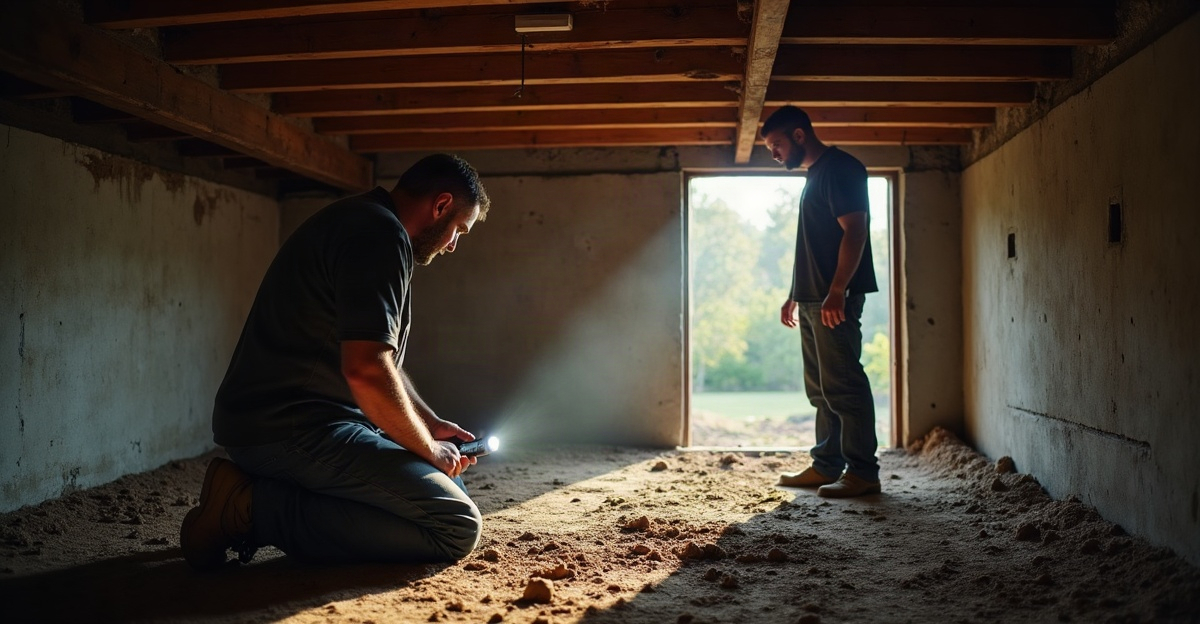
Steel foundation systems can perform very well because they can extend below weak or frost-affected surface soils to reach better support. In Minnesota, near-surface soils often change with frost, moisture, fill material, and drainage conditions. A traditional footing installed in poor or disturbed soil may not perform as intended, even if the concrete itself is sound.
Still, concrete footings remain a proven option for many projects. The outcome depends on design loads, soil conditions, pier size, helix configuration, corrosion protection, installation depth, and correct installation practices. A support system is only as reliable as its design, soil evaluation, materials, and installation.
How Steel Helical Piers Transfer Loads to Stable Soil
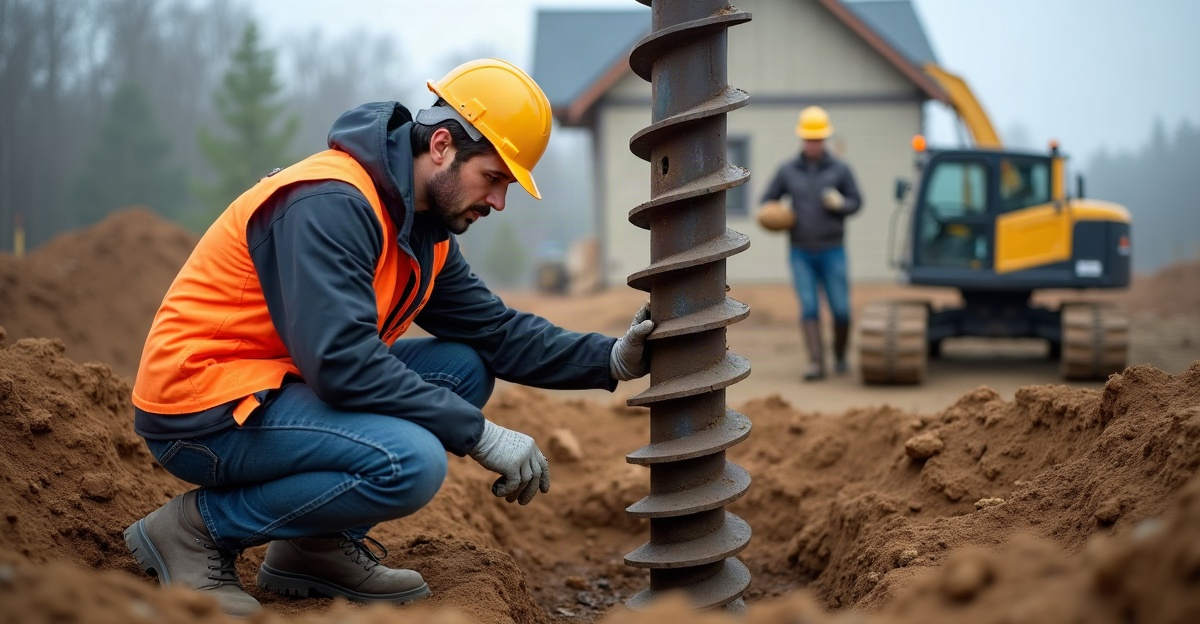
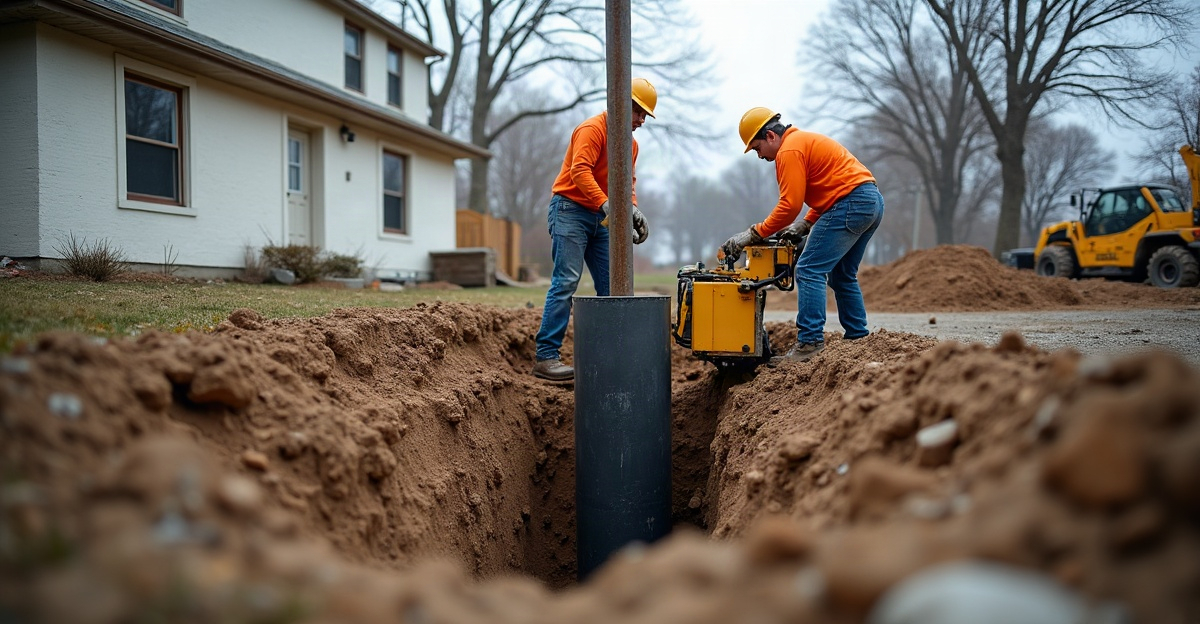
Steel helical piers use a steel shaft fitted with helical plates. Helical plates are screw-like steel plates that help the pier advance into the ground and transfer loads into soil. We rotate the pier into the ground until it reaches suitable load-bearing soil or meets the installation criteria specified for the project.
Once installed, the structure’s weight transfers through the steel shaft and helical plates into deeper soil. This differs from a conventional footing, which spreads a structure’s load over soil at the footing elevation. For a clear overview, see how helical piers work.
Installation torque is the rotational resistance measured while the pier is installed. When used within an engineered system and proper installation process, torque can help indicate capacity. Load capacity is the amount of compression or tension force a support is designed to carry.
Depth matters because weak, disturbed, wet, or frost-affected soils may sit near the surface. We do not install piers to an arbitrary depth. We install them to reach suitable bearing conditions for the project. A qualified installer considers loads, soil conditions, access, spacing, obstructions, frost exposure, and existing structural conditions before setting the installation plan.
What Determines Helical Pier Strength and Long-Term Performance
Structural pier strength comes from the complete system, not the shaft alone. We evaluate whether the support must handle compression, uplift, or both. We also review shaft diameter and wall thickness, helix size and configuration, pier spacing, bracket or connection details, soil conditions, groundwater, and the depth required to reach suitable support.
Proper installation matters as much as product selection. Capacity should be verified through the specified installation process, including torque correlation where appropriate. This helps confirm that the installed pier aligns with the project’s required performance criteria.
Durable support systems also require a realistic review of corrosion exposure. Steel longevity can depend on steel thickness, galvanization or other protective coatings, soil chemistry, moisture, groundwater conditions, and the overall system design. Corrosive soils or groundwater may require a material and coating review before selecting a system.
Pier design and installation should follow applicable local building codes, project requirements, and engineering specifications when needed. We should verify current Minnesota and local code requirements before work begins, especially for permitted structural projects.
Steel Helical Piers vs. Traditional Concrete Footings
Both systems can provide dependable support when they match the site and structure.
| Factor | Steel Helical Piers | Traditional Concrete Footings |
|---|---|---|
| Load transfer | Transfers loads through weaker surface soils to deeper bearing soil. | Spreads loads across prepared soil at the footing elevation. |
| Excavation | Requires less excavation in many applications. | Usually requires excavation for footing placement. |
| Installation and curing | Can install quickly with no concrete curing delay. | Requires placement, finishing, and concrete curing time. |
| Existing structures | Often useful for repairs, decks, additions, and garages near existing structures. | Works well where excavation is open and access is straightforward. |
| Variable surface soils | Can extend beyond poor near-surface soils to suitable bearing layers. | Depends heavily on the quality of soil at footing depth. |
| Access and equipment | Requires installation equipment and enough room to operate safely. | Requires excavation access, formwork, concrete delivery, or mixing access. |
| Verification | Installation criteria may include torque correlation and depth requirements. | Verification centers on excavation depth, soil condition, dimensions, reinforcement, and concrete placement. |
| Durability review | Requires review of steel protection and site corrosion conditions. | Requires proper concrete mix, placement, drainage, and frost-depth compliance. |
| Best-fit situations | Useful where reduced excavation, immediate loading, or deeper support is needed. | Useful for stable soils, open new-construction sites, and properly designed footing layouts. |
Conventional concrete footings can be highly effective for new construction on stable soil when properly designed, installed below frost depth where required, and placed correctly. In other conditions, helical piers versus concrete footings may show a clear advantage for a particular project.
Faster installation does not prove structural capacity. Proper design, suitable bearing conditions, and correct installation always come first.
Minnesota Soil, Frost, Access, and Site Conditions That Affect the Choice
Soil can vary significantly across the same neighborhood, lot, or even building footprint. A site-specific evaluation determines whether steel helical piers, concrete footings, or another approach fits the work. Our guide to soil and foundation stability explains why surface appearance alone cannot confirm bearing conditions.
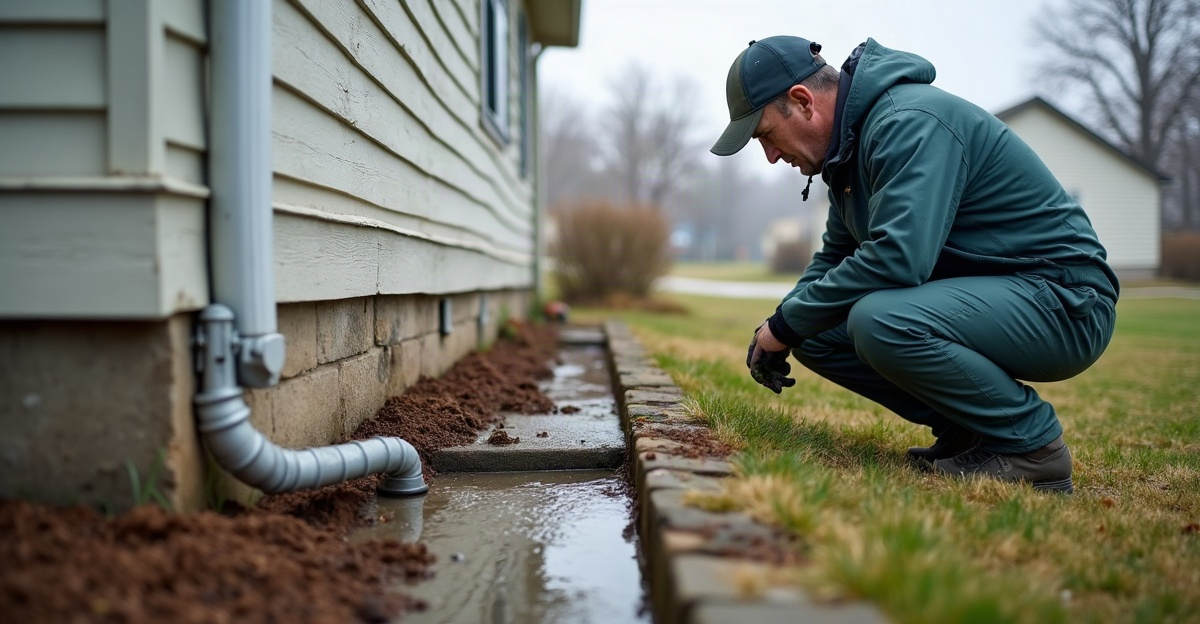
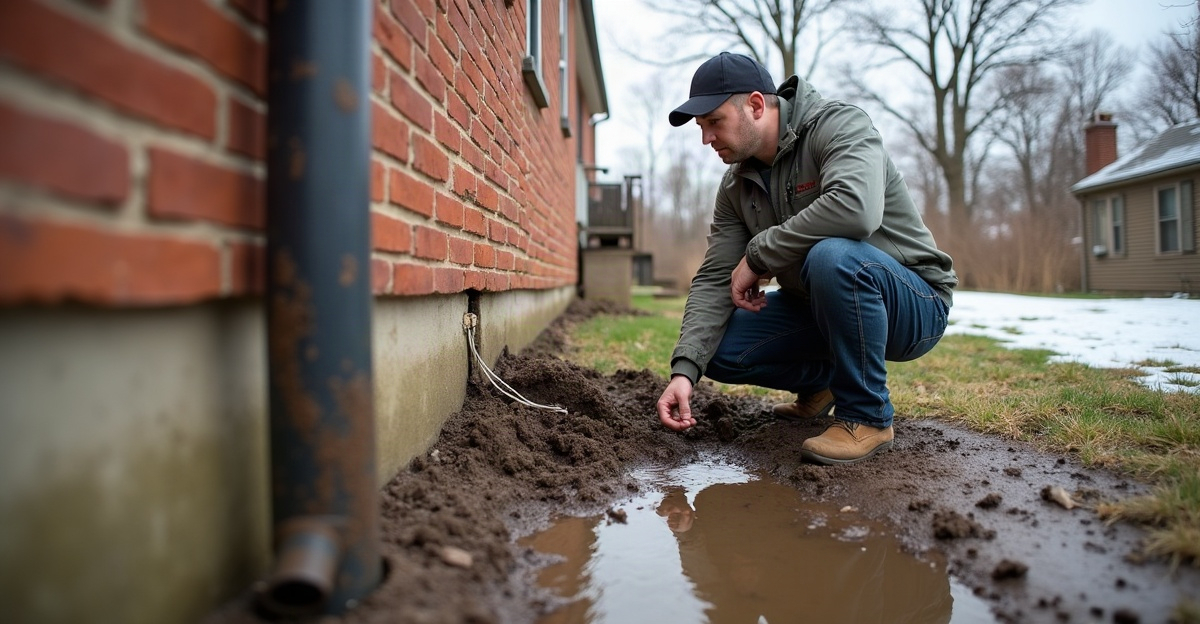
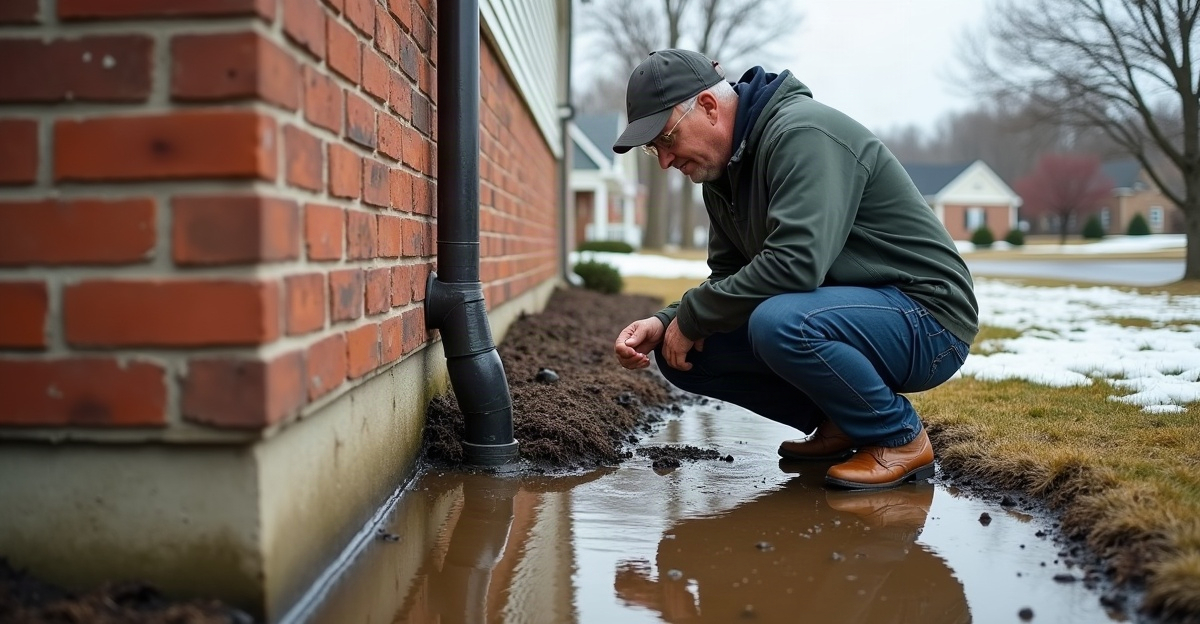
Minnesota projects often involve frost depth, frost movement, seasonal moisture changes, fill material, poor drainage, and disturbed soils. These conditions can affect footing performance if the footing does not reach suitable soil or if water management is poor.
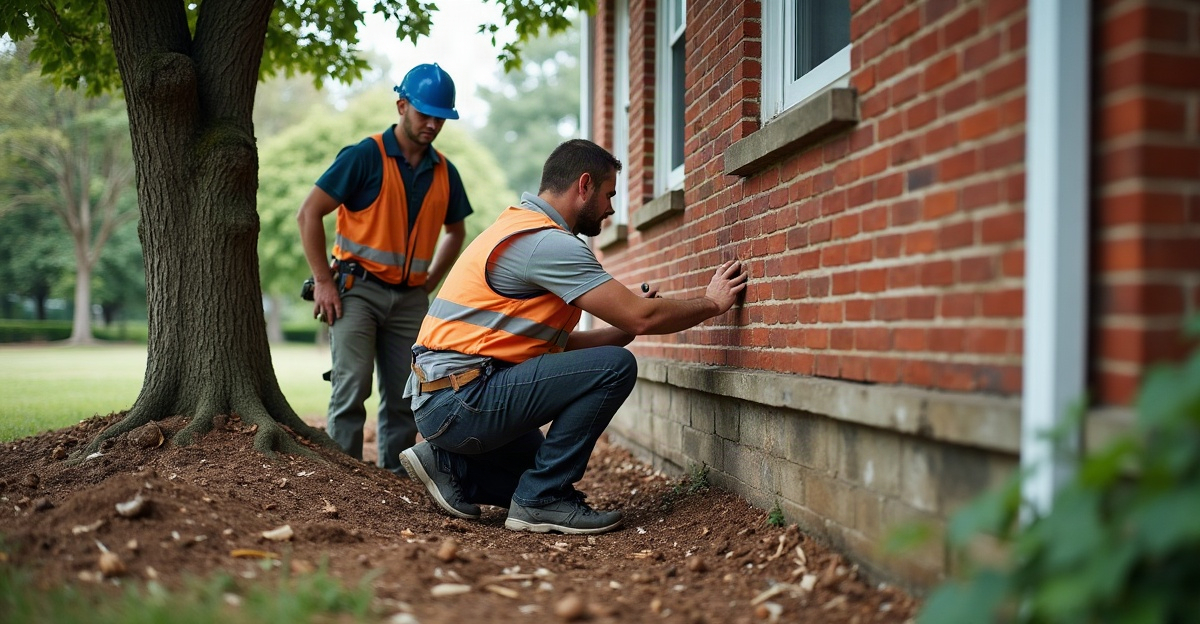
Steel helical piers may be practical when we need to transfer loads below weaker surface soils, reduce excavation, avoid concrete curing delays, or work close to an existing structure. Common applications include decks, home additions, garages, foundation repairs, settlement concerns, cracking, and footing problems. We provide deck footing support, addition foundation support, and garage foundation support for projects that require reliable structural support.
Helical piers are not the answer for every site. Very restricted equipment access, buried obstructions, boulders, dense layers, unsuitable soil conditions, or loads beyond the proper pier design may call for a different plan. Conventional footings, micropiles, soil improvement, or another foundation system can be the better choice. We never assume every property needs the same pier depth, helix size, spacing, or support approach.
Questions to Ask Before Choosing a Foundation Support System
A sound decision starts with the project requirements and actual site conditions. Before selecting a support system, we should answer these questions:
- What compression, uplift, and lateral loads must the system carry?
- What are the site’s soil, drainage, groundwater, and frost conditions?
- How deep must the support extend to reach suitable bearing soil?
- Does the project require engineering or permit review?
- How will installation capacity be verified?
- Are galvanized steel or other corrosion-protection measures appropriate?
- Are buried utilities, access limits, boulders, or underground obstructions present?
- Which local permits and building-code requirements apply?
For settlement, cracking, or existing footing concerns, foundation repair and stabilization may provide a practical path to renewed support. For new projects, our helical pier installation process starts with the structure, the soil, and the access conditions rather than a one-size-fits-all recommendation.
Planning a deck, addition, garage, or structural repair in the Bloomington area? A site-specific assessment can help determine whether helical piers, concrete footings, or another foundation approach is the right fit for the project.