Can Helical Piers Be Removed or Reused?
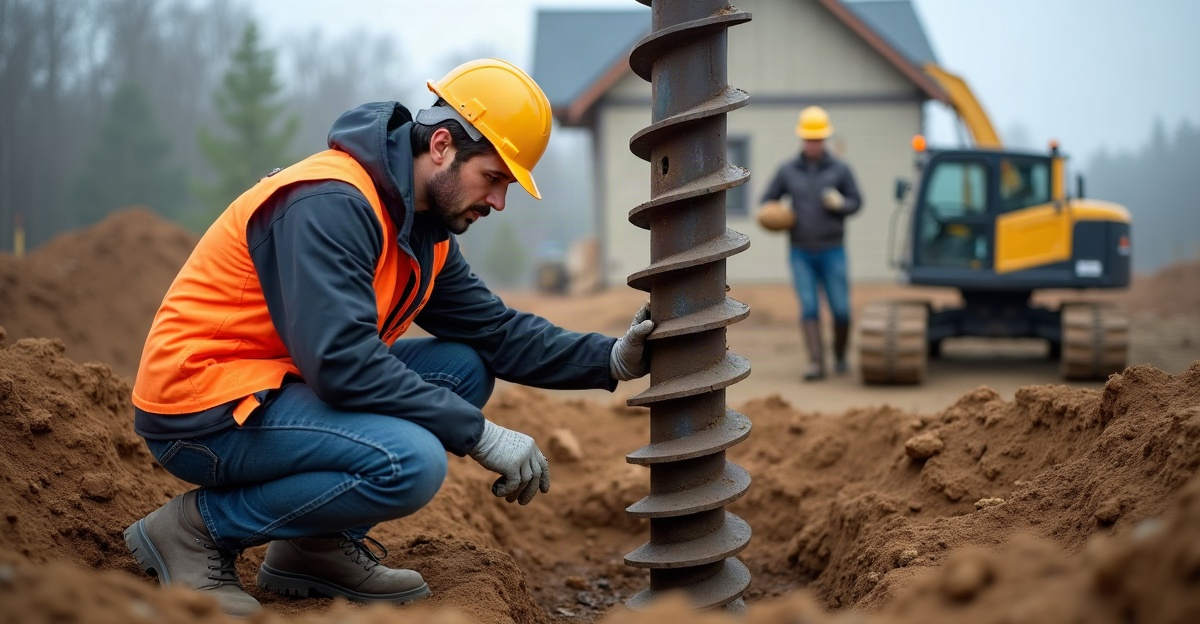
Helical piers can often be removed by reversing their installation rotation. Whether we can reuse them depends on their condition, documented capacity, new site conditions, and project requirements. Reuse calls for inspection and design review. Damaged, undocumented, or unsuitable piers usually require replacement or added support.
Key Takeaways
- Removal and reuse involve separate decisions. A pier that we can back out may still fail to suit a new installation.
- We should inspect shafts, helixes, couplings, brackets, and protective coatings for damage, wear, distortion, and corrosion before we consider reuse.
- Original torque logs, installation depth, pier configuration, design loads, and engineering records help us determine whether a used pier can support the project.
- Different soil conditions, frost exposure, groundwater levels, and structural loads may prevent us from using a previously installed pier at a new site.
- Permanent projects often require engineering review, permits, and inspections. New piers can offer the lower-risk choice if records or capacity remain uncertain.
The Direct Answer: Removal Is Possible, but Reuse Is Not Automatic
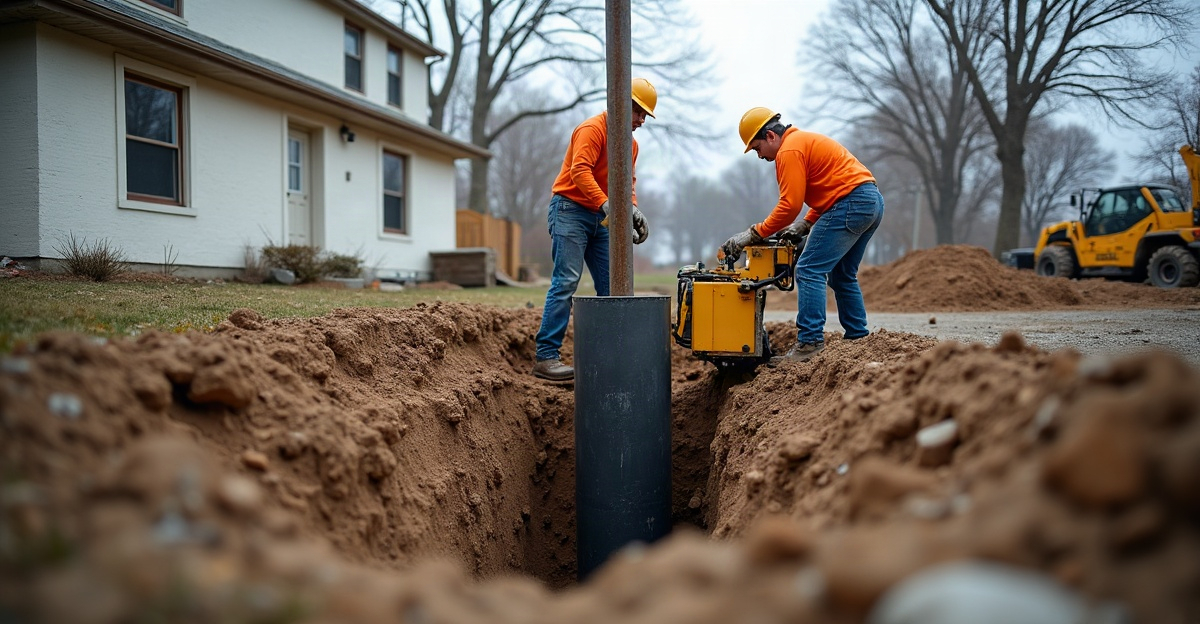
Helical piers can often be removed by backing them out of the ground with the right equipment and by reversing the installation rotation. However, physical removal does not automatically mean the same pier can support another structure.
Can helical piers be reused? Sometimes, but only after we evaluate their condition, capacity, fit for the new project, engineering requirements, and local permit rules. A pier can come out looking intact yet still be unsuitable for a deck, home addition, garage, structural repair, or other foundation application.
We separate the decision into three parts:
- Removal means backing the pier out of the soil.
- Reuse means installing that same pier again after inspection and design review.
- Replacement means installing new piers, or adding supplemental piers, because the original components are damaged, inadequate, inaccessible, or unsuitable.
Most helical piers below permanent homes, additions, garages, and foundation repair projects serve as long-term structural support. We do not install them with the assumption that they will be moved later. For a clear overview of how the system carries structural weight, review how helical piers work.
Reusable foundation systems can make sense in limited situations. Still, structural suitability always matters more than physical removability.
When Helical Piers May Be Removable
Removable screw piles can be practical for temporary structures, relocatable buildings, projects planned for future disassembly, and some lightly loaded applications. Site access makes a major difference. We need room for equipment, a safe way to disconnect or support the structure, and a removal plan that will not disrupt the rest of the site.
Before removal, we assess the effect on attached structures, nearby footings, underground utilities, drainage lines, landscaping, retaining features, and surrounding soil stability. Pulling a structural pier without proper planning can leave a supported element without adequate bearing or create unnecessary site damage.
We do not recommend that property owners attempt to remove structural piers themselves. Qualified installers need appropriate drive equipment, removal tools, and a plan based on the specific structure and soil conditions.
Minnesota sites require special attention. Frost depth and frost heave can affect foundation design and pier depth. Soil conditions can also vary substantially between properties, or even within one lot. Fill soils, clay, sand, organic soils, and changing bearing layers all affect how a pier installs and performs.
Installation torque is the turning force used to advance a helical pier into the soil. It helps us estimate soil resistance and confirm whether the installation is reaching its intended target. The original torque result may be useful during a reuse review, but it does not establish capacity at a new site. Learn what happens during helical pier installation before planning removal work.
What Determines Whether a Removed Pier Can Be Reused
Reuse may be possible for a temporary or lightly loaded application if the pier comes out without damage and meets the requirements of its next installation. We inspect the actual steel and compare it with the demands of the proposed structure and site.
A helix is the round steel plate, or plates, that advances into the soil like a screw and helps transfer load into the ground. The shaft is the central steel section that connects the helix to the supported structure. Design load means the amount of weight or force the pier is engineered to support. Load transfer describes how that weight moves through the pier and into competent soil. Corrosion protection includes coatings, galvanization, material selection, and design measures that help protect steel over time.
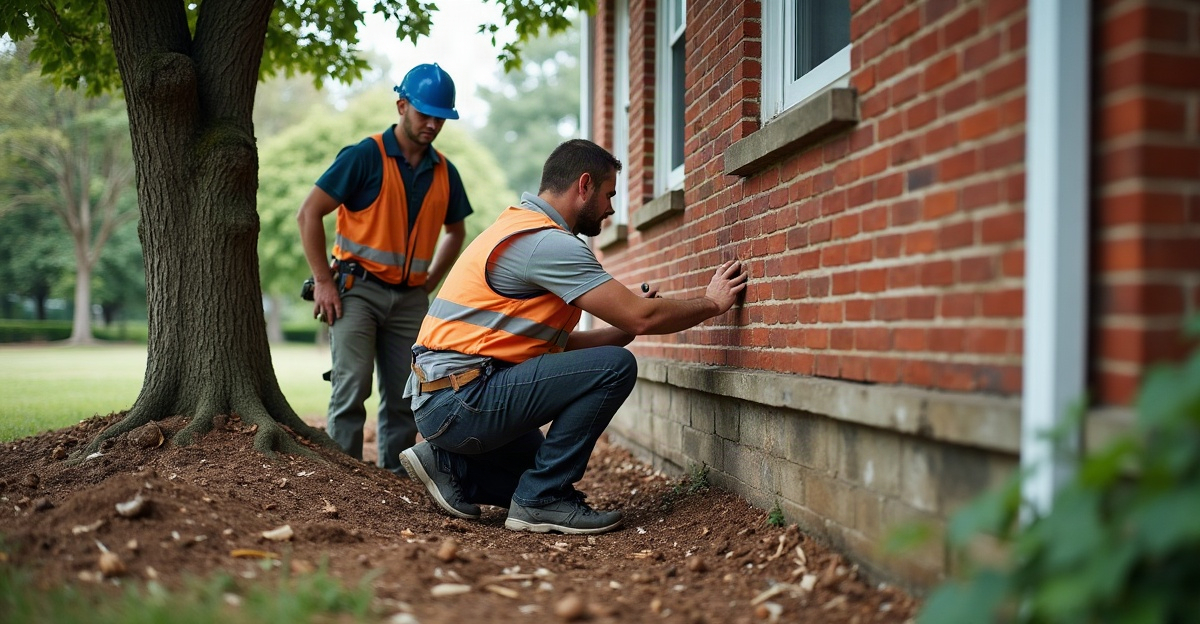
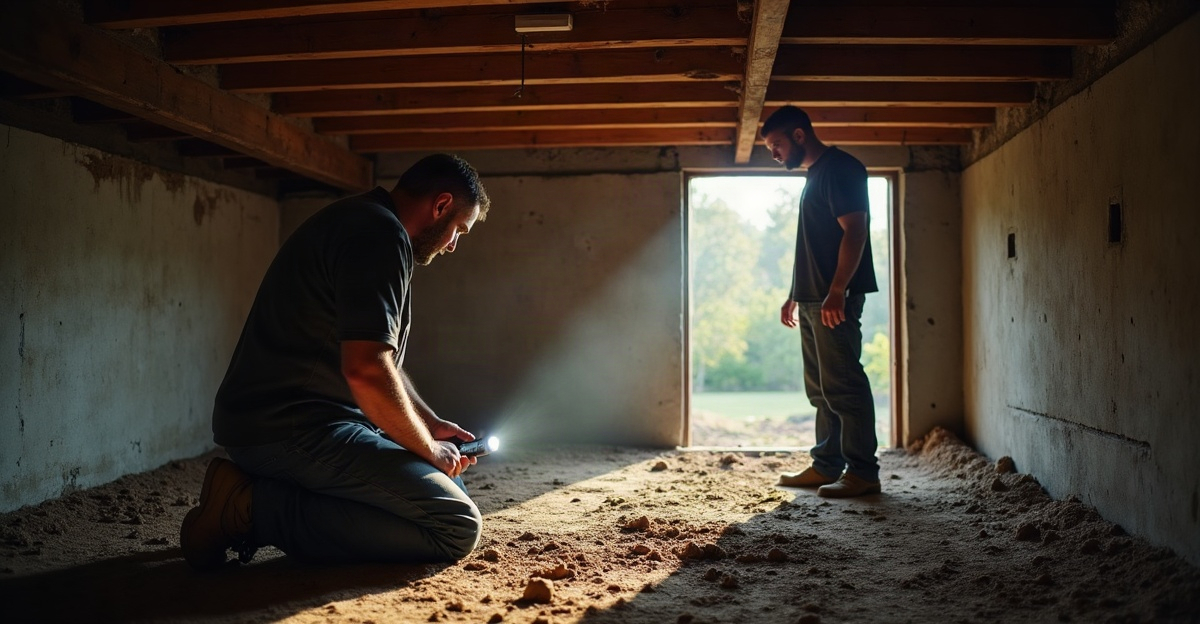
We evaluate the shaft, helixes, couplings, brackets, and connections for bending, distortion, wear, cracking, coating loss, and corrosion. We also confirm whether the pier has enough length, the correct helix configuration, and adequate shaft capacity for the next project. New brackets, extensions, or connection hardware may be required even if the pier itself remains usable.
Original records matter. Useful documentation includes the pier type and size, shaft and helix configuration, extensions, installation depth, torque logs, design loads, brackets, engineer specifications, and inspection records. Without those records, we may need a new evaluation before deciding whether reuse is appropriate.
A used pier that worked under one structure may not work at another site. Different groundwater exposure, soil layers, frost conditions, and building loads can change the required design.
When Pier Replacement or Supplemental Piers Are Usually the Better Option
Pier replacement options often provide the clearer, lower-risk path when the existing pier has damage, an unknown history, missing records, or insufficient documented capacity. New material also gives us a clean starting point for the required design, hardware, installation targets, permits, and inspections.
Replacement or supplemental piers are generally the better choice when we find shaft, helix, coupling, or bracket damage; excessive corrosion; lost protective coating; changed structural loads; or different soil conditions. We also recommend new support where the existing pier lacks sufficient length, helix configuration, or shaft capacity, or where the project needs new brackets or extensions.
A used pier is not automatically suitable for a deck, addition, garage, or structural foundation simply because it appears undamaged. New decks need proper connection details and load support, which is why we review deck footing support as a complete system rather than treating the pier as an isolated component. The same approach applies to foundation support for additions and garage projects.
Permanent helical piers do not need replacement merely because they are permanent. However, replacement or added support may be necessary if the system is damaged, altered, inadequate, or no longer appropriate for the structure it supports. For settlement or structural concerns, our foundation repair stabilization work focuses on confirming the support needed before corrective work begins.
Reuse can reduce material waste in some projects. However, labor, transport, inspection, engineering, redesign, replacement hardware, and permitting can offset those potential savings. We recommend basing the decision on structural performance and documentation first.
Engineering, Permits, and Minnesota Site Conditions
Foundations for homes, additions, garages, and structural repairs may require engineering design, load verification, permits, and inspections. Municipal requirements vary by jurisdiction, so we confirm expectations with the local building department and project engineer where applicable.
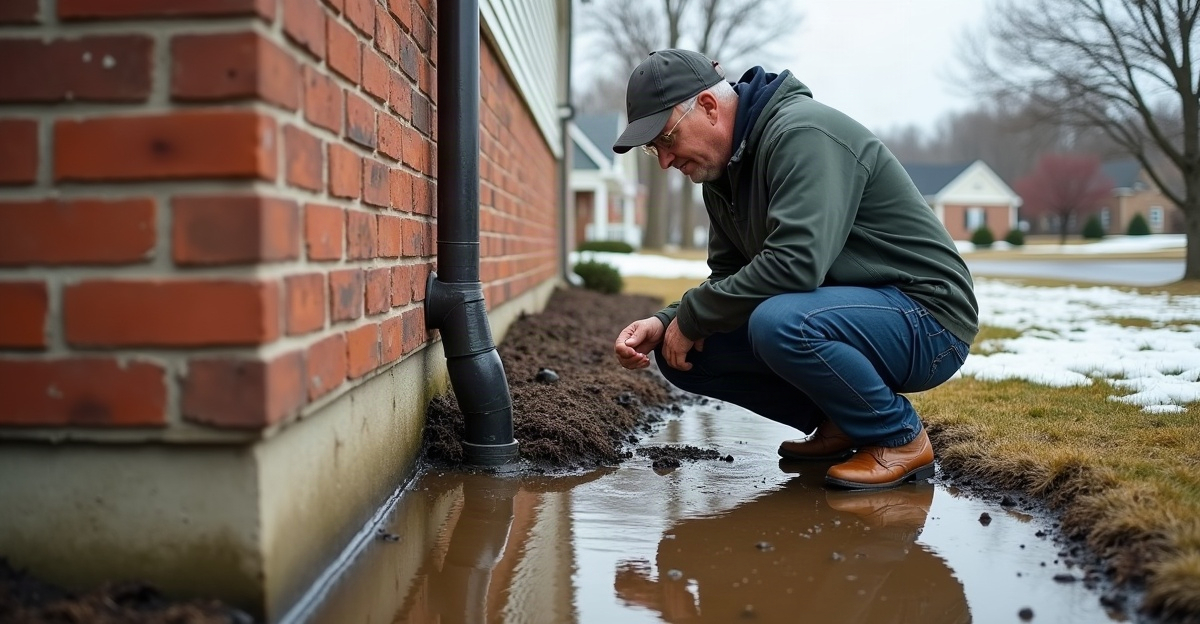
Minnesota frost depth and frost heave considerations can affect pier depth, foundation layout, and whether removal or reuse makes sense. Groundwater and soil exposure also affect corrosion considerations. A pier installed through clay at one property may face very different soil resistance and bearing conditions than the same pier at a nearby property with fill, sand, or organic material.
Original torque logs, installation depth, pier configuration, and engineering specifications can help show whether a system met its original design intent. Those records do not automatically prove that the pier suits a different building or site. We use manufacturer documentation, local requirements, and project-specific engineering guidance to make the right call.
For permanent projects, it also helps to understand helical pier service life and the factors that affect long-term steel performance in soil.
Before Planning Pier Removal or Reuse, Ask These Questions
Project Review Questions
What did the pier originally support, and what will it support next? Is the shaft, helix, coupling, bracket, and corrosion protection still sound? Are records available for pier size, configuration, depth, torque, extensions, design loads, and inspections?
We also need to know whether a qualified installer has assessed removal access and risks to nearby structures, utilities, drainage, landscaping, and soil stability. The new project’s loads, soil conditions, and foundation design must be compared with the original application. We should also confirm whether the local jurisdiction requires an engineered design, permit, or inspection.
If new piers provide better documentation and lower project risk, replacement is usually the responsible choice.
Common Questions About Reuse
Can screw piles be removed after installation? In many cases, yes. We can often reverse the installation rotation and back them out, provided the pier is accessible and removal will not affect nearby features or structural support.
Can a used helical pier support a deck or home addition? Possibly, but only after inspection and design review confirm its condition, capacity, connection hardware, soil compatibility, and required documentation.
Does removing a helical pier damage the soil? Removal can disturb soil around the shaft and helixes. The effect depends on soil type, pier size, installation depth, groundwater, and nearby foundations or site features.
Do permanent helical piers need to be replaced? No. Existing permanent piers can remain in service if they remain sound and suitable. We consider replacement or supplemental support when conditions, loads, or structural needs change.
Are removable screw piles a good option for temporary structures? They can be. We still need a proper plan for loading, installation, removal access, and site restoration.
Do we need an engineer to reuse a helical pier? Projects involving homes, additions, garages, structural repairs, permits, or uncertain capacity may require engineering review. Local rules and project demands determine the need.
Talk with TR Helical Piers about site conditions, structural plans, and pier options before removing, relocating, reusing, replacing, or supplementing a helical-pier installation. Contact TR Helical Piers to plan the work properly.