Signs Your Deck Posts Need Additional Support
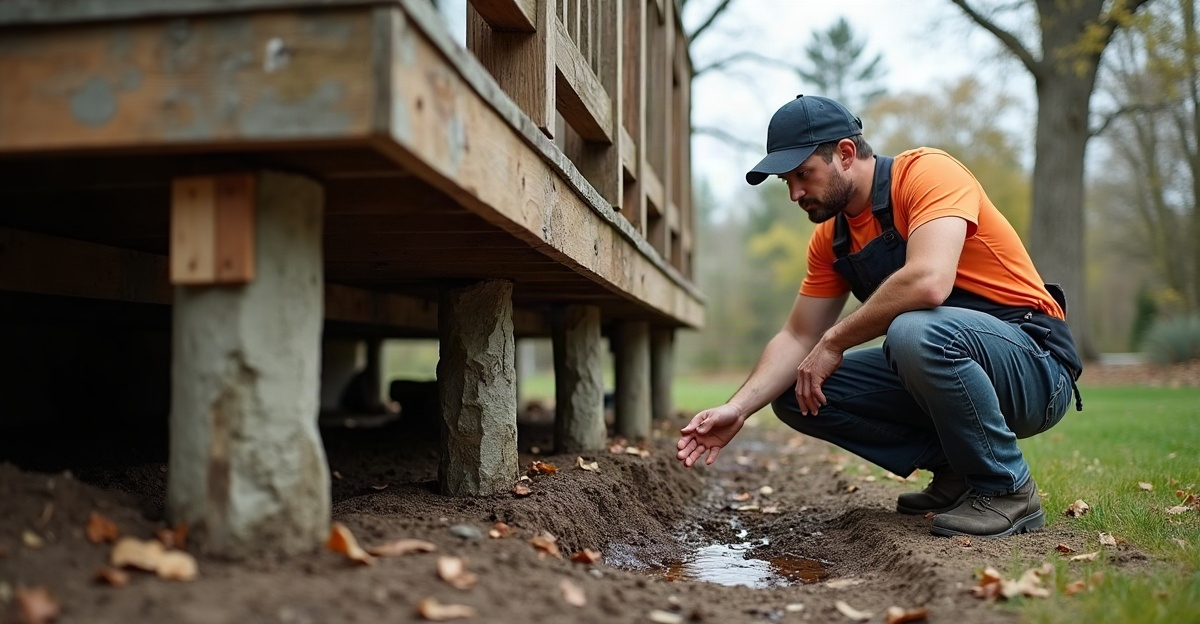
Deck post support problems can form below the surface, even if a deck looks level. Warning signs include leaning posts, sagging beams, shifting connections, soft areas, and gaps near footings or the house. Persistent movement, pooling water, damaged wood, or deck separation calls for a qualified inspection. We recommend an evaluation of the complete support system, including framing, hardware, footings, soil, and drainage.
Key Takeaways
- Leaning, loose, bowed, or twisting posts can point to issues with the post, footing, framing, hardware, or supporting soil.
- Sagging beams, sloped deck surfaces, bounce underfoot, and widening connection gaps can signal shifting support.
- Cracked or tilting footings, exposed concrete, erosion, standing water, and wood decay near posts can weaken deck stability.
- We shouldn’t crawl beneath an unstable deck, dig around footings, remove posts, or try to jack up the structure.
- Repair options depend on the cause. They may include drainage work, framing or hardware repairs, footing upgrades, or helical pier support.
What Causes Deck Post Support Problems?
Deck posts transfer the weight of the deck into the footings and supporting soil. Problems can develop when any part of this load path changes.
Minnesota conditions can make deck supports especially vulnerable. Freeze-thaw cycles, moisture, drainage issues, and changing soil conditions may cause movement around shallow or poorly supported footings.
Common causes include:
- Soil settlement beneath footings
- Frost heave
- Poor drainage around posts
- Erosion after heavy rain
- Wood decay near the base of posts
- Improper footing depth
- Loose or corroded hardware
- Undersized structural components
- Changes to the deck load
A qualified inspection can determine whether the issue involves the deck framing, footing, soil, or several factors at once.
When footing movement is involved, professional deck footing support may help create a more stable load path beneath the structure.
1. Deck Posts Are Leaning or Twisting
A deck post should generally remain straight and firmly connected to the structure.
A post that leans, twists, or bows may indicate that the footing underneath it has moved. It can also result from deteriorated wood, damaged hardware, or framing forces pulling the post out of alignment.
Small changes are sometimes difficult to notice. Compare posts from several angles and look for differences between them.
Warning signs can include:
- Posts no longer appearing vertical
- Visible gaps around post bases
- Twisted lumber
- Loose post connections
- Uneven spacing between posts and beams
Do not try to straighten a leaning post by force. The cause needs to be identified before repairs begin.
2. The Deck Surface Is Sagging or Sloping
A sagging or sloped deck surface can be another sign of deck post support problems.
If one footing settles while nearby supports remain stable, part of the deck may drop. The movement can affect beams, joists, railings, stairs, and connections to the house.
You may notice water collecting in one area after rain or furniture appearing slightly tilted.
A gradual slope can also develop over time. Measuring the deck surface can help document whether the condition is changing.
Watch for Changes Between Seasons
Deck movement may become more noticeable after winter, spring thaw, or periods of heavy rain.
Taking dated photos and basic measurements can help show whether the deck is continuing to move.
3. The Deck Feels Bouncy or Unstable
A properly supported deck should feel firm during normal use.
Excessive bounce, shaking, or movement can indicate problems with framing, connections, posts, or footings.
Movement does not always mean the footing itself has failed. Loose fasteners, damaged joists, or inadequate bracing can create similar symptoms.
However, if movement appears together with leaning posts or settlement, the support system should be evaluated.
Avoid adding heavy furniture, grills, planters, or other loads until the cause is known.
4. Gaps Are Forming Near the House
Many decks connect to the house through a ledger or another structural connection.
If deck posts or footings move, gaps can develop where the deck meets the house. Railings, stairs, siding, and trim may also begin separating.
Pay attention to:
- New gaps between the deck and house
- Loose flashing
- Shifting stairs
- Cracked trim
- Fasteners pulling away
- Uneven transitions near doors
Movement at this connection deserves attention because several structural components may be affected at the same time.
For larger structural concerns involving settlement or movement, foundation repair and stabilization services can help determine whether deeper support is appropriate.
5. Footings Are Cracked, Tilted, or Exposed
Deck footings should remain stable and properly positioned beneath the posts.
Visible cracks do not always mean a footing has failed. However, cracks combined with tilting, settlement, erosion, or post movement may indicate a support problem.
Soil can gradually wash away around a footing, leaving part of it exposed.
A tilted footing may also place uneven pressure on the post above it.
Do not dig around the footing to investigate. Removing soil can reduce support and make the condition worse.
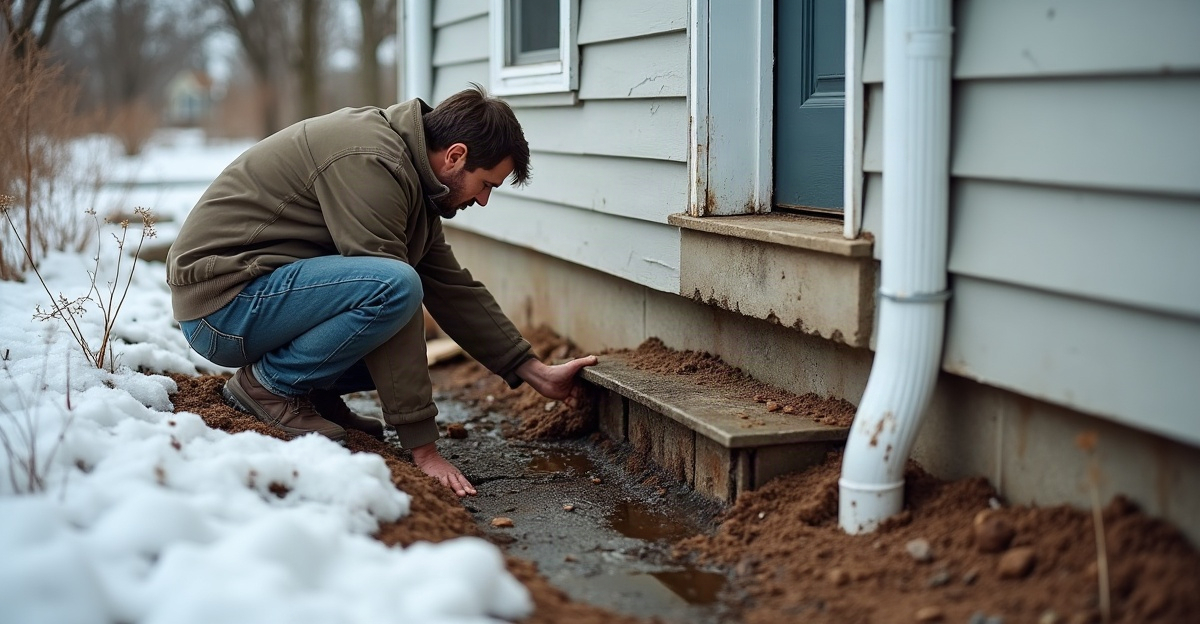
6. Water Collects Around Deck Posts
Water is an important factor in many deck post support problems.
Poor drainage can soften soil, contribute to erosion, and increase freeze-thaw movement. Repeated moisture can also accelerate wood deterioration.
Look for:
- Standing water after rain
- Downspouts emptying near footings
- Low areas around posts
- Soil washing away
- Persistent mud
- Water flowing toward the deck
Improving drainage may be part of the repair plan, but drainage alone cannot correct an already settled footing.
7. Wood Near the Post Base Is Soft or Damaged
Wood posts can deteriorate where they remain exposed to moisture.
Soft, cracked, or decayed wood near the base of a post can reduce its ability to carry loads safely.
Discoloration, splitting, insect damage, or crumbling wood should not be ignored.
Damage can sometimes occur where a post meets concrete or soil because moisture remains trapped in that area.
A professional should determine whether the post can be repaired or needs replacement.
8. Stairs or Railings Have Shifted
Deck movement often affects more than the main platform.
Stairs may become uneven, railings can loosen, and posts can move away from their original positions.
Changes can include:
- Uneven stair risers
- Gaps at stair connections
- Railings that wobble
- Stair landings that slope
- Posts pulling away from framing
These symptoms may help identify which part of the support system has moved.
How Are Deck Support Problems Evaluated?
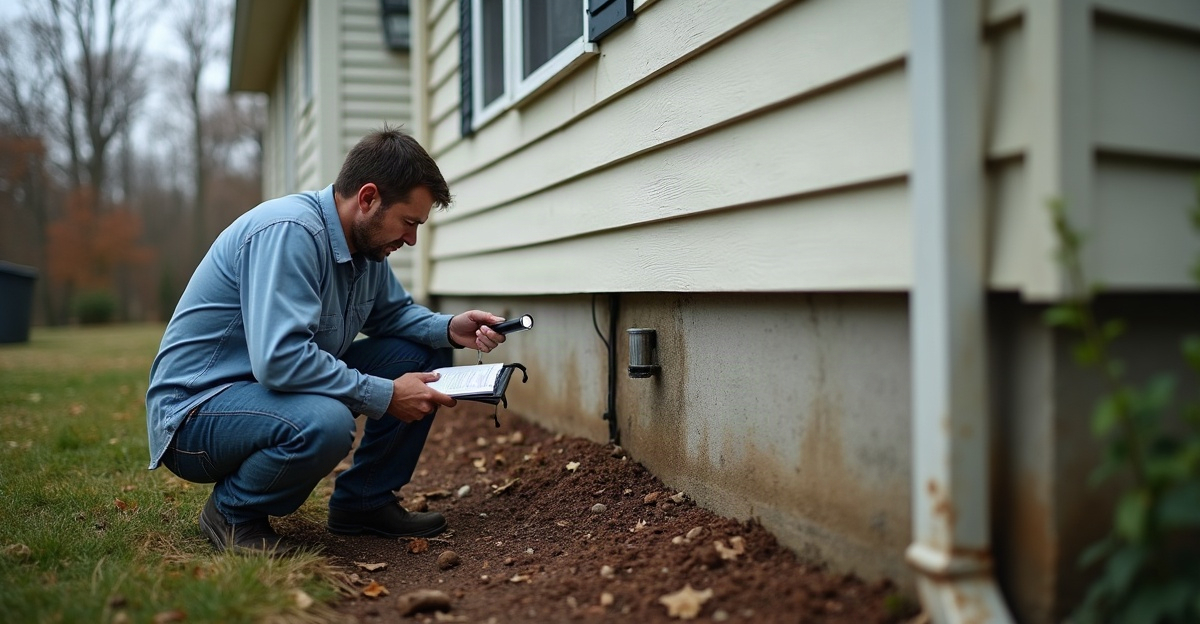
A complete inspection looks at the deck as a system rather than focusing only on one visible symptom.
At TR Helical Piers, we evaluate conditions that can affect support beneath decks and other structures.
An inspection may consider:
- Post alignment
- Footing condition
- Soil movement
- Drainage
- Beam and joist condition
- Structural connections
- Hardware
- Signs of frost movement
- Changes in deck elevation
Understanding the cause helps determine whether the solution should address framing, drainage, footing depth, or deeper foundation support.
When Are Helical Piers Used for Deck Support?
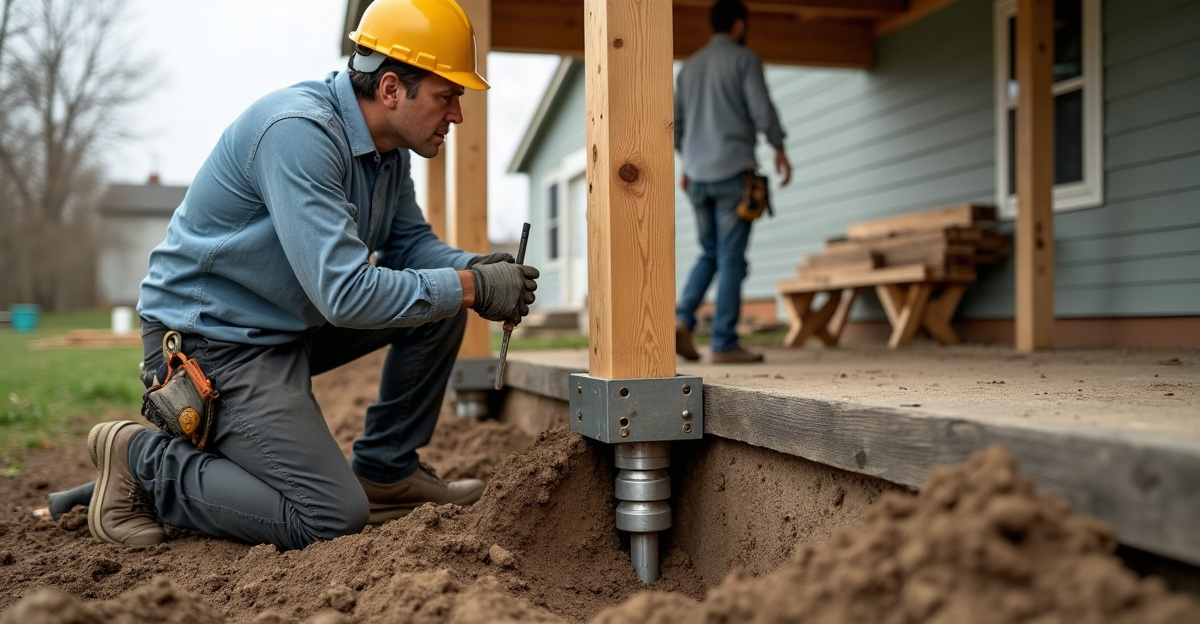
Helical piers can provide support when existing footings are unsuitable or when stable load-bearing soil is deeper below the surface.
A helical pier is advanced into the ground until it reaches the required supporting soil. The deck load can then be transferred through the pier rather than relying only on unstable surface soils.
Professional helical pier installation can be useful for certain decks where settlement, soil conditions, or footing limitations make conventional support less practical.
Helical piers may also be considered for new deck construction when builders want to establish support below frost-sensitive or weak surface soils.
Why Minnesota Decks Can Develop Support Problems
Minnesota’s climate creates challenging conditions for exterior structures.
Water in the soil can freeze and expand during winter. This process can push shallow footings upward. When the ground thaws, the footing may not return to its original position.
Repeated cycles can gradually create uneven movement.
Drainage also matters. Snowmelt, roof runoff, and heavy rain can increase soil moisture near deck supports.
Decks attached to home additions can experience similar support concerns. When additional structural loads need deeper support, foundation support for additions may provide a suitable solution depending on the project.
What Should You Do If You Notice Deck Movement?
Avoid making structural adjustments until the cause is known.
Do not:
- Jack up the deck yourself
- Remove a post
- Dig around a footing
- Add temporary supports without guidance
- Cover damaged wood
- Ignore continuing movement
Instead, document what you see.
Take photos of posts, footings, beams, stairs, and connections. Note whether changes become more noticeable after rain, snowmelt, or seasonal temperature shifts.
A qualified inspection can then determine the safest next step.
Frequently Asked Questions
Can a Leaning Deck Post Be Repaired?
Yes, but the correct repair depends on why the post is leaning. The issue may involve the post itself, damaged hardware, framing movement, footing settlement, or unstable soil. The underlying cause should be identified before the post is adjusted or replaced.
How Do I Know if My Deck Footing Is Sinking?
Possible signs include a sloped deck surface, leaning posts, gaps around structural connections, exposed footing edges, and changes in stair alignment. Measurements taken over time can help confirm whether movement is continuing.
Can Frost Heave Move Deck Posts?
Yes. Frost heave can push shallow footings upward when moisture in the surrounding soil freezes and expands. Repeated freeze-thaw cycles may create uneven movement between different deck supports.
Are Helical Piers Good for Deck Footings?
Helical piers can be a suitable option when stronger support is needed below weak, shifting, or frost-sensitive surface soils. Whether they are appropriate depends on the deck design, load requirements, soil conditions, and existing footing system.
When Should I Have My Deck Supports Inspected?
Schedule an inspection if you notice leaning posts, sagging areas, unusual movement, widening gaps, damaged footings, wood decay, or persistent drainage problems. Rapid or significant changes should be evaluated as soon as possible.
Get Help With Deck Post Support Problems
Deck post support problems can develop gradually, but early evaluation can help identify the cause before movement affects more of the structure.
TR Helical Piers provides support solutions for decks, foundations, additions, and other structures throughout Minnesota. We evaluate soil and structural conditions to determine whether helical pier support is appropriate for the project.
If you notice settlement, leaning posts, footing movement, or other signs of instability, contact us to discuss your deck support concerns.