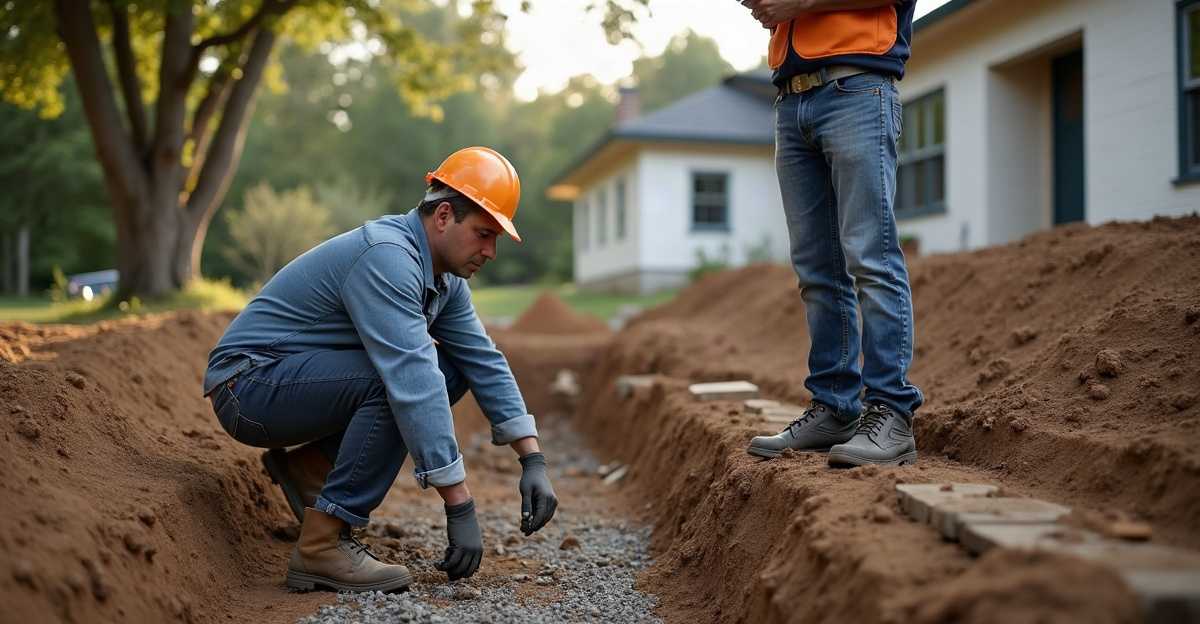
How to Prepare Your Property for Helical Pier Installation
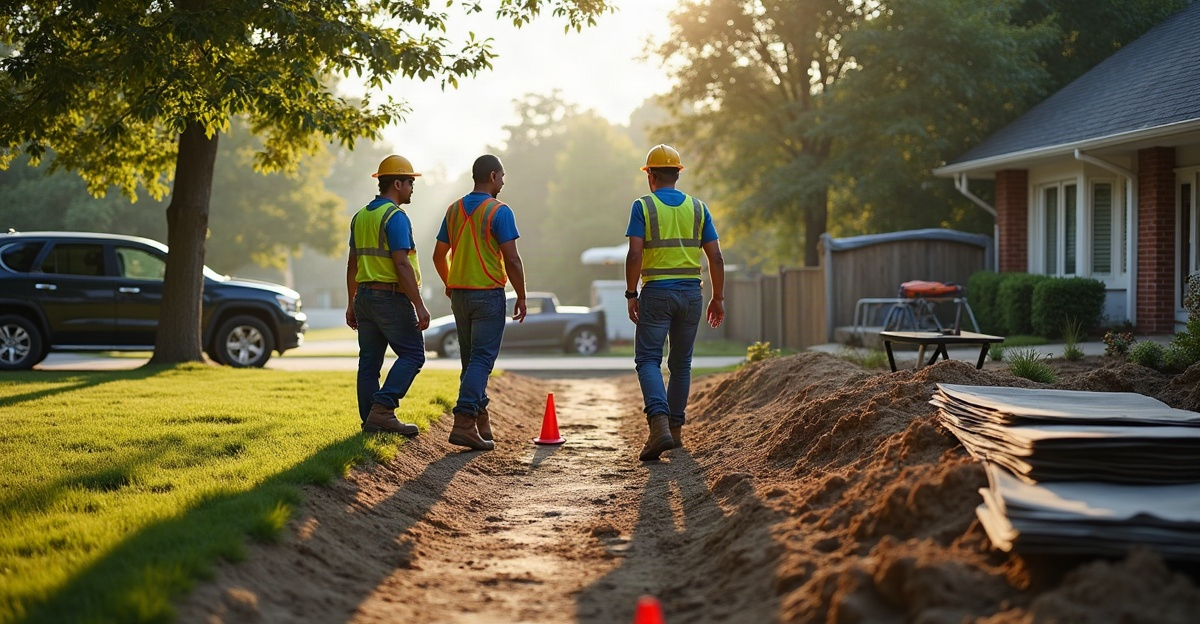
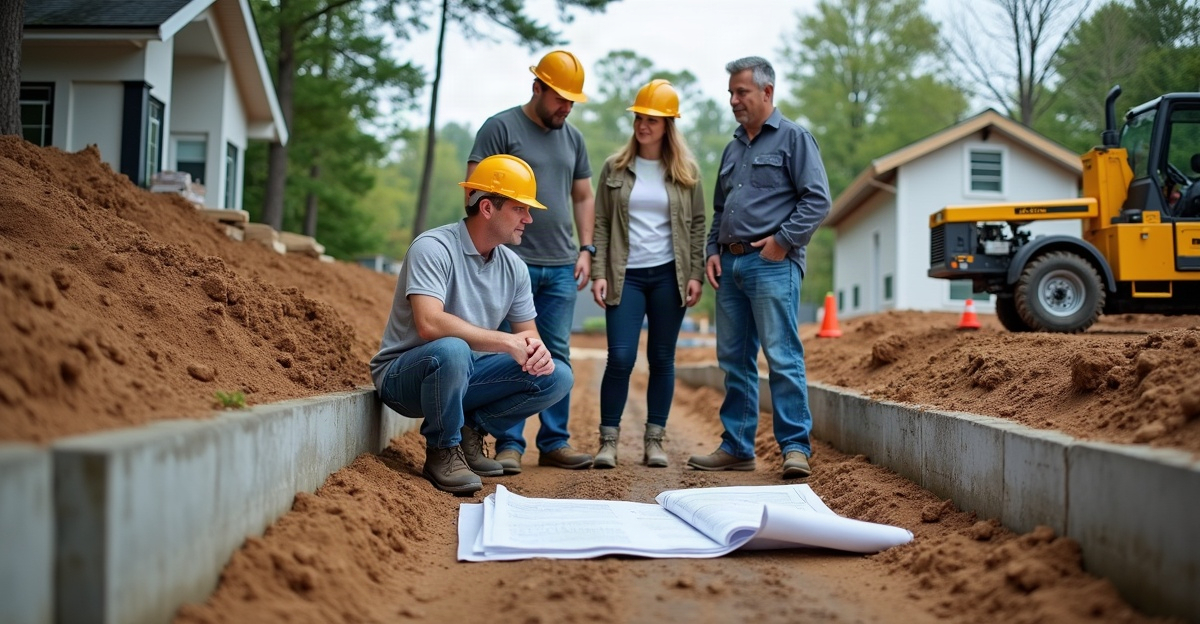
We prepare for helical pier installation by reviewing site access, planned pier locations, equipment routes, and project schedules before the crew arrives. We clear the work zone, identify public and private utilities, protect finished areas, and align responsibilities with the installer, contractor, and property owner.
Key Takeaways
- We confirm that equipment can safely reach every pier location. We check gate widths, driveways, side yards, overhead clearance, slopes, and ground conditions.
- We call 811 before digging and share details about private utilities, irrigation, propane lines, septic systems, wells, and other buried features.
- We remove vehicles, outdoor furniture, materials, debris, and other movable obstacles from work areas, travel paths, and staging areas.
- We identify landscaping, finished surfaces, existing structures, and other features that require protection. We set clear expectations for potential site impacts and restoration needs.
- We coordinate installation with permits, engineering, excavation, framing, inspections, weather, and the next construction phase.
Start With a Site Review, Access Plan, and Project Details
Site preparation keeps foundation work moving, protects finished areas, and helps the project stay aligned with the larger construction schedule. A clear plan before installation prevents many avoidable delays on site.
A helical pier is a steel foundation-support system installed into the ground to support structures such as decks, additions, garages, retaining structures, and repair projects. For a closer look at the system itself, see how helical piers work.
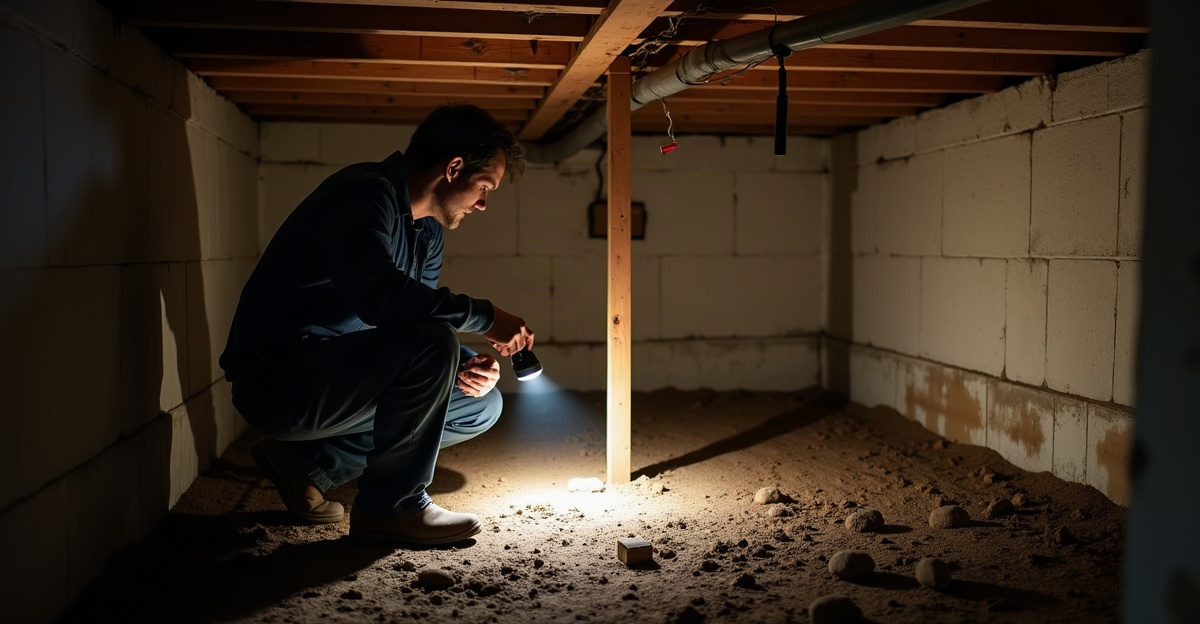
Helical piers are one possible footing or structural-support option. They are not an automatic answer for every foundation concern, poor-soil condition, or settlement issue. Final pier design, location, depth, load requirements, and installation method depend on the project plans, site conditions, applicable codes, and assessment by qualified engineering and installation professionals.
Early communication makes pier installation planning much easier. We recommend sharing current photos, measurements, plans, known access limits, and any changes to excavation or framing plans during estimating and scheduling. Before work begins, we review planned pier locations, equipment access, jobsite constraints, and installation needs.
Contact a qualified installer early if the site has tight access, uncertain utilities, steep slopes, major landscaping, nearby existing structures, limited driveway access, or several trades working on the same schedule. These details help us establish practical site preparation tips before equipment arrives.
Make Sure Equipment Can Reach the Work Area
Equipment access is often one of the most important parts of preparing for helical pier installation. A planned pier location may be workable from a structural standpoint but still require access planning for safe, efficient installation.
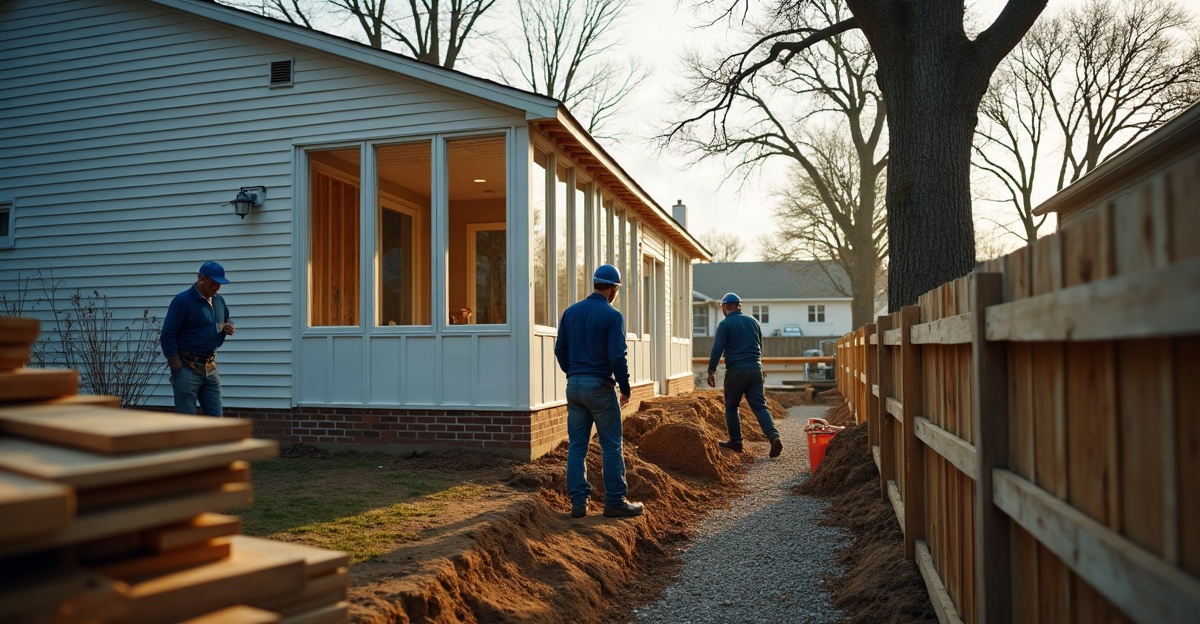
We review gate widths, narrow side yards, driveway and street access, staging space, and areas where equipment cannot travel. Overhead clearance matters as well. Branches, eaves, wires, utility lines, and other low-clearance conditions can affect the equipment and work approach.
Before the crew arrives, move vehicles, trailers, dumpsters, materials, fencing sections, patio furniture, grills, planters, toys, and other outdoor items that block travel or staging. Identify finished areas, landscaping, and surfaces that need protection before work begins. Share those expectations with us and the general contractor early.
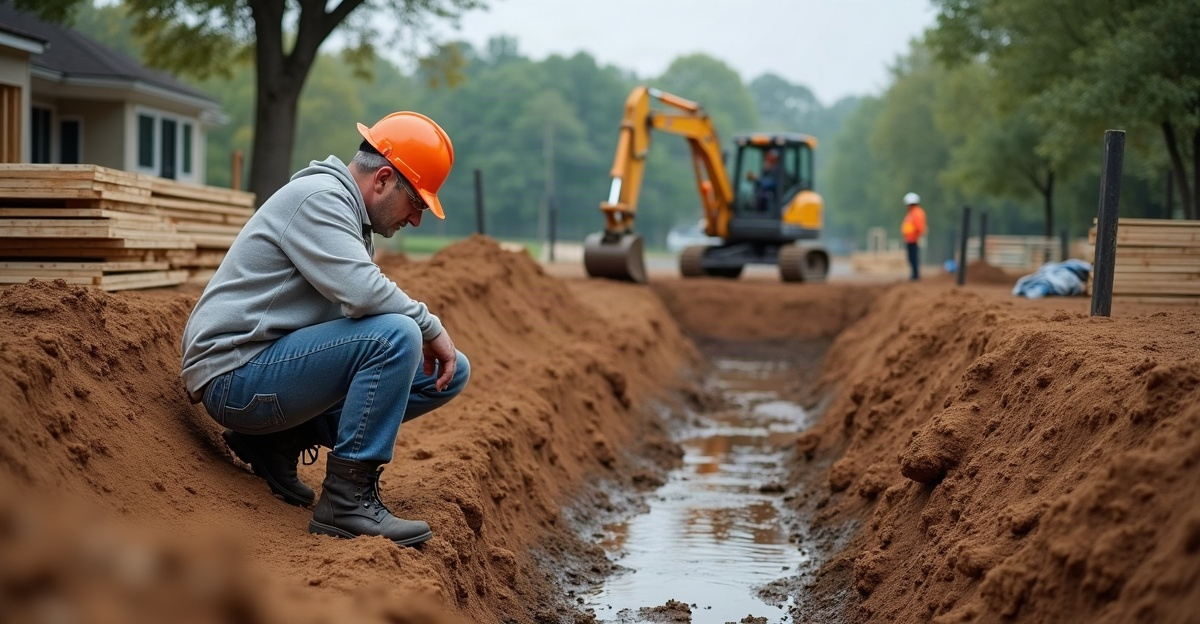
Ground conditions can also change equipment movement. Soft ground, slopes, mud, saturated soil, snow, and freeze-thaw conditions may affect access, staging, and site-protection measures. Requirements vary by pier location, project type, local permits, utilities, soil conditions, and the structure being supported. A deck project may have different needs than foundation repair, a garage, an addition, or a retaining structure.
A practical foundation work checklist starts with a clear route from the street or driveway to each work area. We can review that route as part of helical pier installation planning.
Call 811 and Identify Public and Private Utilities
Call 811/Gopher State One Call before digging or excavation in Minnesota. Homeowners and contractors should not attempt to locate utilities themselves.
Public utility locating may not identify every privately owned line or system on a property. That makes property-owner input essential. We need to know about power lines serving detached garages or sheds, irrigation systems, landscape lighting, propane lines and tanks, septic systems, private well components, utility pedestals, and other buried or surface features.
A utility locate can affect planned pier locations, equipment travel, excavation, scheduling, and site protection. Private utility information is especially important when site records are incomplete or uncertain. Share all known information with the helical pier installer and general contractor before installation day.
We also recommend marking visible private-site features and discussing any suspected underground systems before the crew arrives. A defined helical pier work zone gives everyone a safer, clearer plan and reduces the chance of last-minute adjustments.
Clear the Work Zone and Set Realistic Protection Expectations
The work zone includes planned pier locations, equipment travel routes, and staging areas where the crew needs safe, usable access. Clearing this area means more than opening a path to the foundation.
Remove movable obstructions from the travel route and work area, including patio furniture, stored materials, planters, grills, toys, loose debris, vehicles, trailers, building materials, and similar items. Clearing these items before arrival allows the crew to focus on installation instead of site rearrangement.
Identify anything that cannot be moved or needs special attention. This may include decks, retaining walls, mature trees, HVAC equipment, utility pedestals, fences, existing structures, and finished landscaping. Tell us about these conditions in advance so we can review realistic access and protection measures.
Helical pier work may use less excavation than some conventional footing methods, but equipment access and installation activity can still affect turf, mulch, plantings, nearby finished surfaces, and landscaping. Discuss protection measures and cosmetic restoration expectations before work begins. Structural preparation and cosmetic restoration are separate items, so assumptions about turf, mulch, plantings, or adjacent finishes can create confusion later.
Site conditions differ from property to property. Existing structures, tight spaces, slopes, and protected landscape features may require adjustments to work practices. These site preparation tips help establish a workable plan without promising zero impact.
Coordinate Pier Work With the Overall Construction Schedule
Helical pier installation needs to fit with demolition, excavation, engineering review, inspections, framing, concrete work, material deliveries, and other trades. In many projects, pier installation must occur before the next construction phase can proceed.
This sequencing matters for deck footings, additions, garage foundations, and structural-repair projects. Builders and remodelers should coordinate schedules, confirm that plans and required approvals are available, prepare the agreed work zone, and communicate changes in excavation or framing plans immediately.
For addition projects, early coordination supports a smoother transition into the next phase of construction. Our foundation support for additions is planned around the actual site, structural plans, and construction sequence.
Weather and soil conditions can affect access, scheduling, and protection measures. Rain, saturated ground, snow, freeze-thaw conditions, soft soil, and severe weather may change the approach or timing. Timelines and site impact also depend on utility conflicts, permit requirements, project complexity, and the overall construction schedule.
Helical piers can often be installed efficiently with less excavation than conventional footings. Still, we should plan for active equipment work, normal jobsite disruption, and site-specific conditions rather than expect a guaranteed duration or no disturbance.
Know Who Handles What and What to Expect on Installation Day
Clear responsibilities keep installation day organized. We recommend confirming the following foundation work checklist before the scheduled date.
Preparation Checklist by Responsibility
- Homeowner or property owner: Move vehicles, furniture, planters, grills, stored materials, toys, loose debris, and other movable obstructions. Identify irrigation, landscape lighting, septic components, propane lines or tanks, wells, sheds, tight access, areas equipment cannot cross, landscaping concerns, existing structures, and utility uncertainty.
- General contractor, builder, or remodeler: Coordinate schedules and trades, provide plans and required approvals, prepare the work zone as agreed, communicate excavation or framing changes, and sequence pier work with demolition, excavation, framing, inspections, concrete work, and deliveries.
- Helical pier installer: Confirm planned pier locations, assess access and equipment needs, review jobsite conditions, explain installation expectations, and coordinate installation details with the project team.
On installation day, the crew arrives, sets up equipment, and verifies access routes and work areas. We expect normal equipment noise and vibration during active installation. If we find an unexpected site condition, we communicate it with the project team before proceeding with any needed adjustment. Cleanup expectations should also be confirmed in advance, especially where landscaping or finished surfaces are close to the work area.
Before work starts, confirm that equipment access is sufficient, staging and travel areas are clear, private utilities and site features have been identified, and all required items have been moved. We should also confirm landscape-protection expectations and how installation timing affects the next construction phase.
Planning a deck, addition, garage, or structural repair in the Bloomington area? Contact TR Helical Piers to discuss site access, project requirements, and whether helical piers may fit the project.