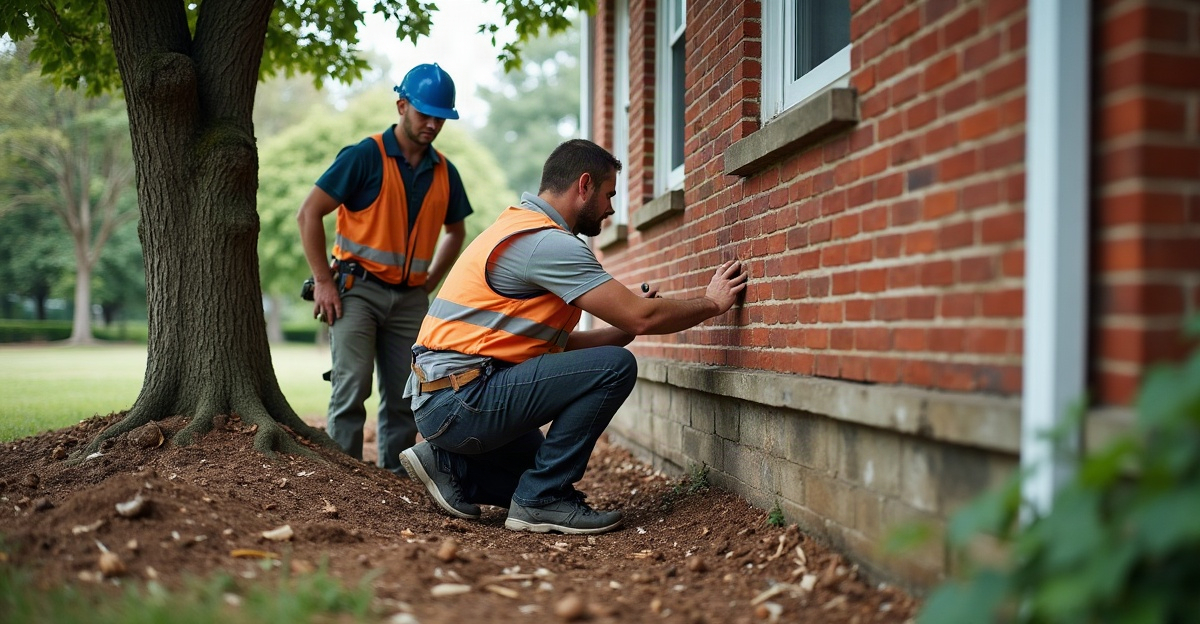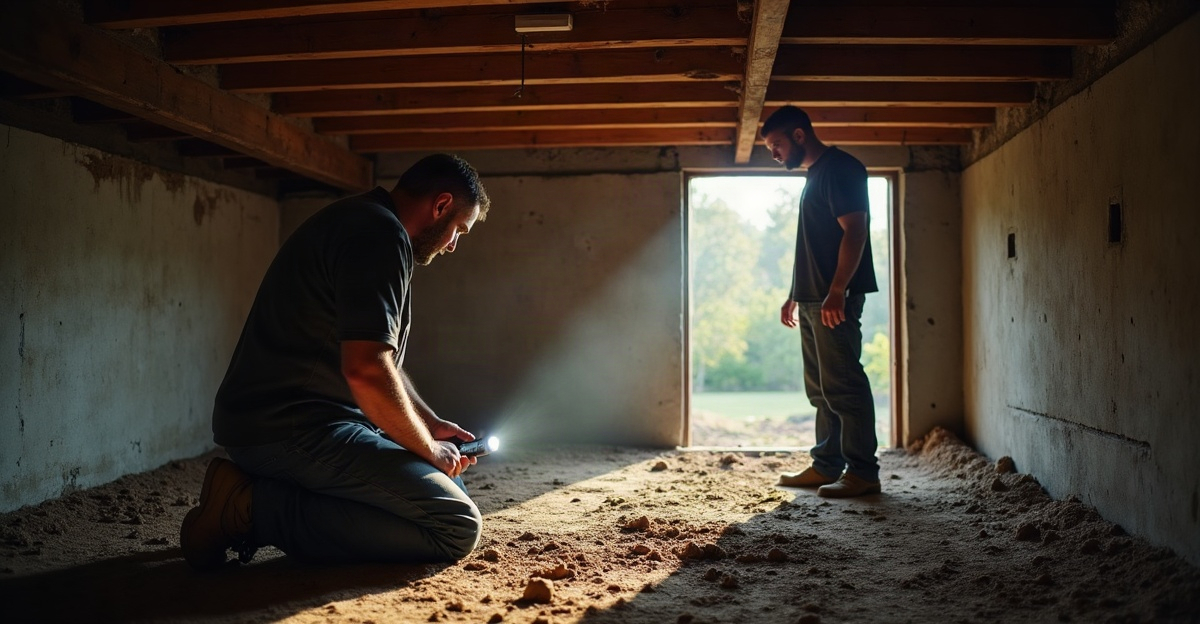
How Deck Footing Support Prevents Structural Problems?
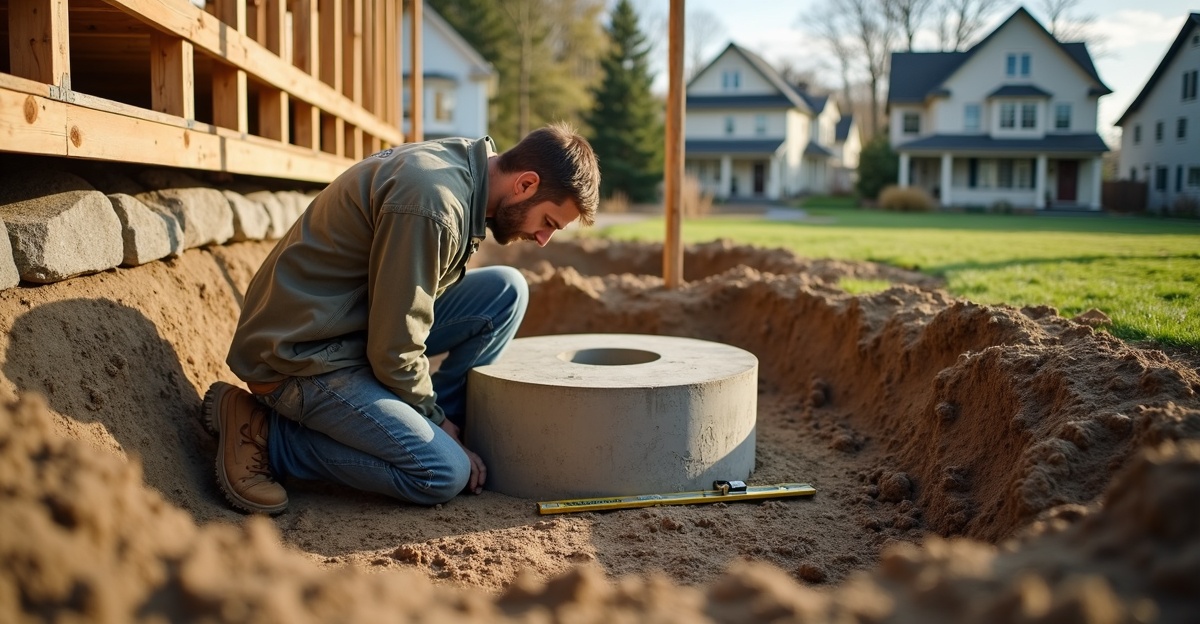
Deck footing support prevents structural problems because we stabilize the load path from the framing above into soil that can carry weight, resist frost movement, and handle seasonal moisture changes. We install footings to the correct depth, align them accurately, and match them to site conditions so we reduce settlement and resist frost heave. That approach stops the chain reactions that cause leaning posts, ledger separation, and unsafe deck movement.
Key Takeaways
- Most deck structural problems start below grade when footings shift due to soil settlement or frost heave.
- Stable footings distribute loads correctly from joists, beams, and posts into soil with adequate bearing capacity.
- We must account for frost depth, soil type, drainage, and deck weight to prevent long-term movement.
- Concrete footings, reinforced systems, and helical piers each address different site conditions and performance demands.
- Proper installation depth, accurate alignment, correct spacing, and solid compaction determine whether deck footing support performs reliably over time.
What Happens When Deck Footing Support Fails
Deck problems usually show up above ground, but they start below it. When deck footing support shifts or settles, the structure responds almost immediately.
In Minnesota, the most common deck foundation issues include:
- Sinking or leaning posts
- Uneven or sloping deck surfaces
- Ledger boards pulling away from the house
- Stairs separating from the main structure
- Railings that feel loose or unstable
- Visible gaps between framing members
These are symptoms, not root causes. Homeowners often try to tighten bolts, reattach stairs, or shim posts. Those fixes might hide the issue temporarily, but they don’t address what’s happening in the soil.
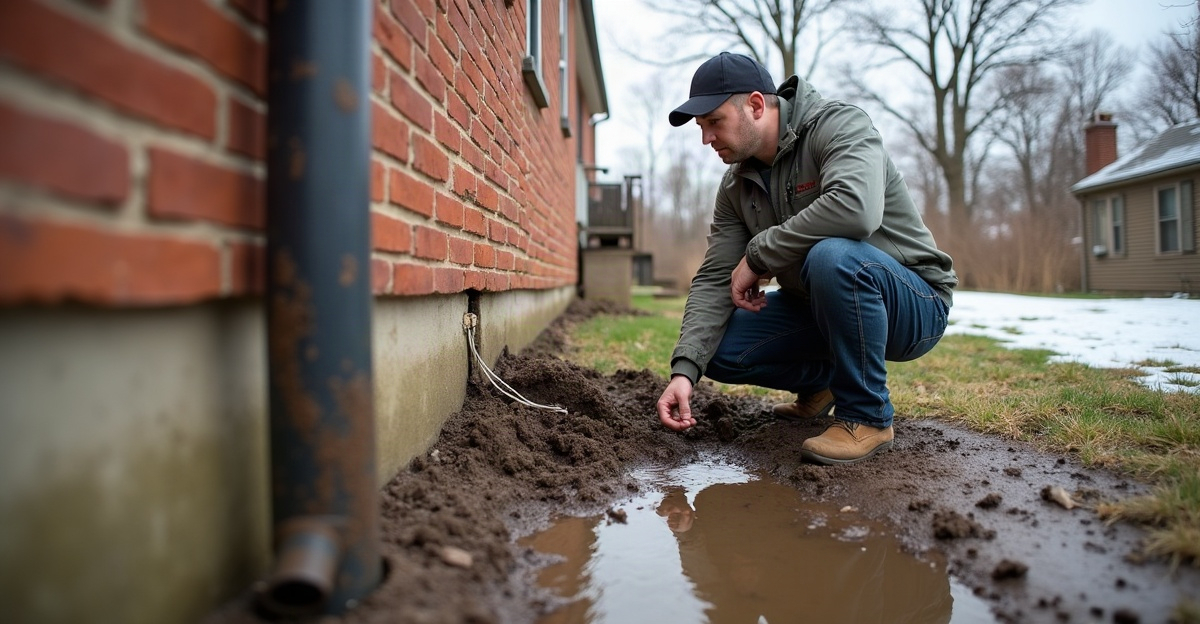
Most structural problems start below grade. If stable deck footings aren’t properly installed, frost movement or soil settlement shifts them. Once a footing moves, every connection above it carries stress it wasn’t designed to handle. Fasteners begin to loosen. Ledger flashing can separate and allow water intrusion. Framing members rack out of square. Over time, what began as a slight tilt becomes a legitimate safety concern.
Minnesota’s freeze-thaw cycles accelerate this process. Small seasonal shifts add up year after year. What looks minor one spring may become noticeable slope or separation within just a few seasons.
Proper footing support for decks prevents those chain reactions. When the base stays stable, the framing above does its job without fighting ground movement.
How Loads Transfer From Your Deck Into the Ground
Deck performance comes down to how weight moves through the structure.
Here’s how that load path works:
- Deck boards and joists carry live loads from people, furniture, grills, and snow.
- Joists transfer that weight into beams.
- Beams concentrate loads into vertical posts.
- Posts transfer that weight into the footings.
- Footings distribute the load into the surrounding soil.
Every step matters. If any link in that chain fails, movement shows up.
Stable deck footings spread weight over a wider soil area so the ground can carry it without excessive settlement. When soil bearing capacity is exceeded, footings sink or tilt. Settlement rarely happens evenly, which is why deck foundation issues often appear on one side first.
Footing support for decks must match three key factors: soil type, frost depth, and overall deck size. Minnesota adds extra demands. Heavy snow loads increase vertical stress during winter. Seasonal moisture changes affect soil strength. Clay-heavy soils expand when wet and shrink when dry.
The practical reality is simple. The structure above is only as stable as what supports it below. Strong framing can’t compensate for weak soil or shallow footings.
Why Frost Heave and Soil Movement Cause Structural Damage
Frost heave is straightforward. Water in the soil freezes, expands, and pushes upward on anything in its path. That includes deck footings.
When the soil thaws, it doesn’t always settle back evenly. One footing might drop slightly lower than before. Another may tilt. After repeated freeze-thaw cycles, small movements turn into permanent displacement.
In Minnesota, frost depth often ranges between 42 and 60 inches, depending on location. Footings that don’t reach below local frost depth remain vulnerable to uplift forces.
Soil type also matters. Expansive clay soils change volume with moisture. Spring saturation weakens bearing capacity. Dry summer conditions can shrink soil away from the footing. Over time, that cycle contributes to movement and settlement.
Proper deck footing support resists:
- Vertical uplift from freezing soil
- Lateral pressure from shifting ground
- Progressive settlement from repeated seasonal cycles
Many decks perform well for decades when footings are installed correctly for these conditions. Problems arise when depth, soil strength, or drainage aren’t properly considered during construction.
Comparing Footing Options: Concrete, Reinforced Systems, and Helical Piers
The right solution depends on soil conditions, access, budget, and whether we’re building new or correcting deck foundation issues.
Traditional concrete footings are common and cost-effective. When installed below frost depth in stable, well-draining soils, they perform well. However, they require significant excavation and cure time. Landscaping often gets disturbed. Poor soil compaction around the footing can lead to settlement later.
Reinforced or enhanced footing systems increase strength and improve load distribution. These systems help when soil conditions vary across the deck footprint. They reduce the risk of uneven settlement where one section of soil is weaker than another.
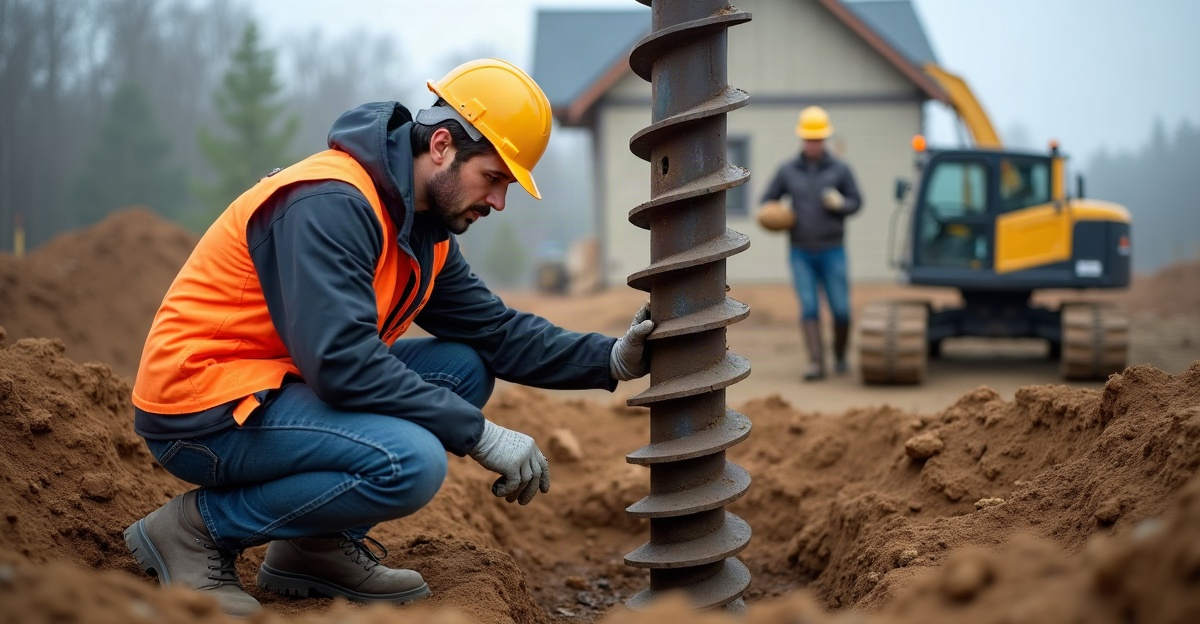
Helical piers are different. They’re mechanically screwed into the ground to reach more stable soil layers. Installation requires minimal excavation. There’s no cure time. In many cases, they can be loaded immediately. That makes them especially useful for retrofits or properties with tight backyard access.
For projects where soil conditions are questionable or frost movement has already caused shifting, helical pier installation provides consistent depth and measurable load capacity. We also use this approach when correcting existing deck movement through targeted deck footing support upgrades.
Not every deck requires specialized systems. Some sites support concrete footings with no long-term issues. The key is matching the footing system to real site conditions so stable deck footings remain stable.
Installation Factors That Make or Break Long-Term Performance
The type of footing matters. How it’s installed matters just as much.
Depth is the first factor. Footings must extend below the local frost line to reduce uplift risk. Anything shallower stays vulnerable in harsh winters.
Spacing and alignment also play a role. Footings must sit directly beneath beams and posts. Improper spacing concentrates loads in unintended areas, leading to settlement or beam deflection.
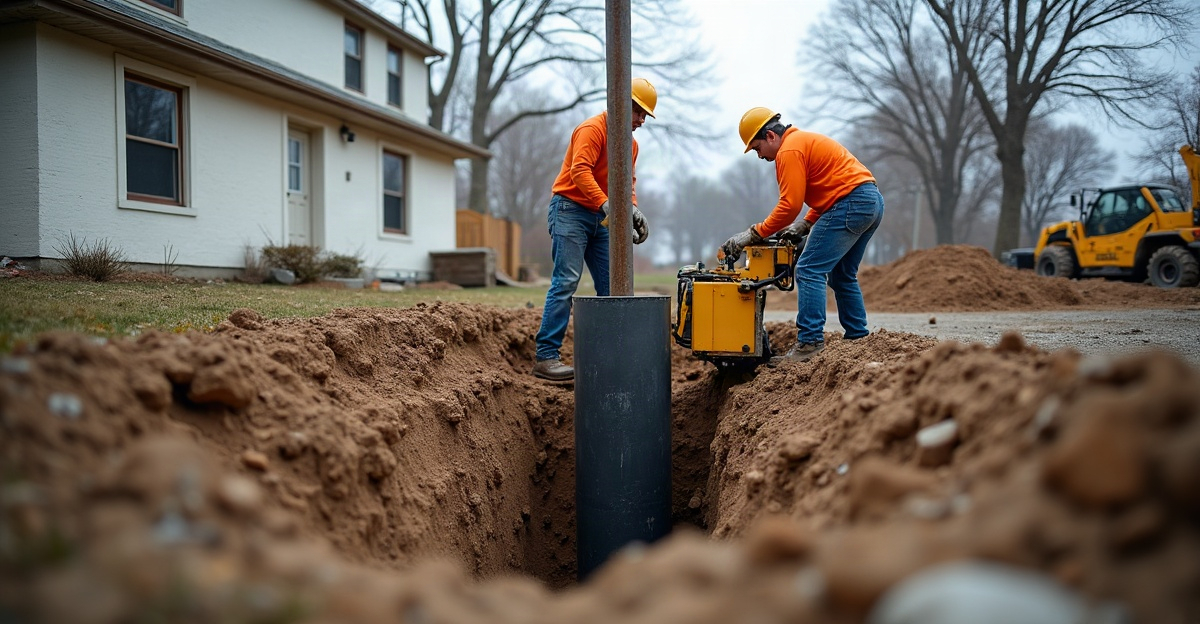
For concrete footings, soil preparation is critical. Excavation holes must be clean and sized correctly. Soil around the concrete needs proper compaction to minimize voids. Poor backfill practices often cause future settlement.
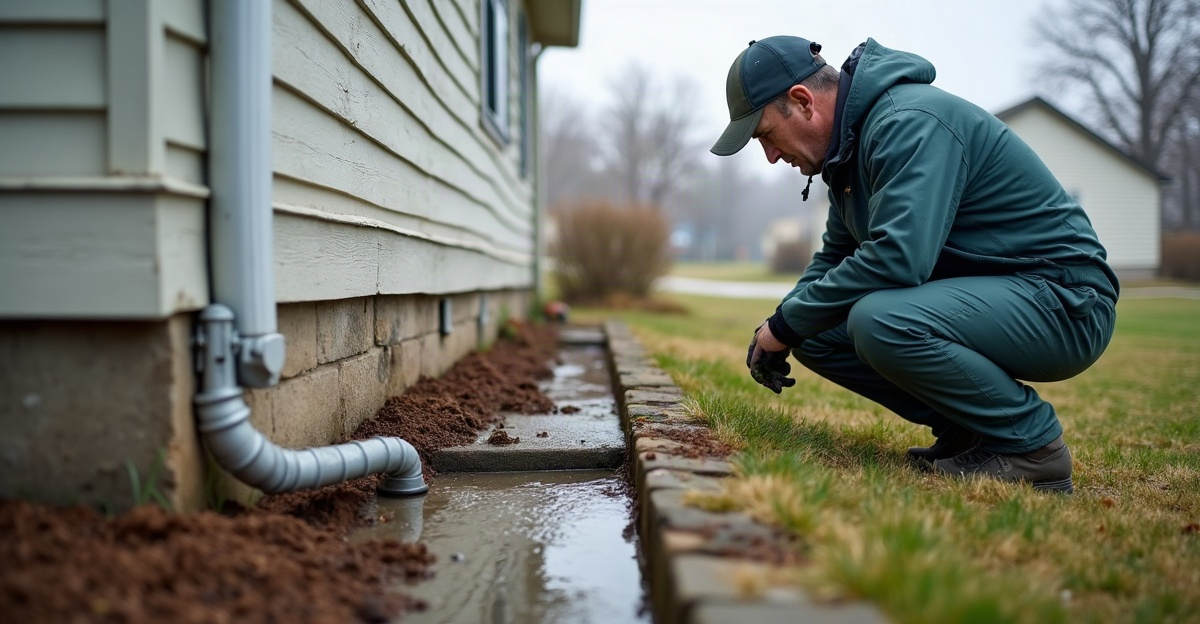
Drainage cannot be ignored. Continuous saturation weakens soil bearing capacity. Managing runoff and limiting standing water around footings reduces long-term movement.
Installation timelines differ by system. Concrete requires excavation and curing time before full loads are applied. Helical systems can often be installed in a single day and loaded immediately. That speed reduces disruption, especially in established yards with finished landscaping.
Access also influences the choice. Tight urban lots, fenced backyards, or retrofit projects may limit equipment size. In those situations, adaptable systems such as helical piers allow precise installation without major disturbance.
Real-world installation details determine performance. Even a well-chosen system can fail if depth, alignment, and soil conditions aren’t handled properly.
When to Have a Professional Evaluate Your Deck
Certain signs indicate it’s time for a closer look:
- The deck slope increases noticeably over a single season
- Stairs repeatedly separate from the main structure
- Gaps at the ledger or flashing continue to widen
- Posts pull away from footings
- Concrete footings show visible cracking or displacement
Evaluation also makes sense before major upgrades. Adding a roof structure, hot tub, or heavy outdoor kitchen increases load significantly. Planning deck replacement or expansion is another good time to review footing support for decks. Additional weight without adequate support often leads to avoidable deck foundation issues.
We also recommend assessment before building structural additions connected to existing foundations. Projects like foundation support for additions or expanded living spaces change how loads transfer into the ground.
A professional review doesn’t automatically mean replacement. Often, we inspect soil conditions, confirm frost depth compliance, and evaluate load requirements before recommending a focused solution. In some cases, targeted stabilization using foundation repair and stabilization methods resolves the issue without rebuilding the entire deck.
The goal is straightforward: install proper deck footing support based on actual site conditions and projected loads. That approach prevents structural problems before they become safety hazards and protects the investment made in the deck above.