Can Helical Piers Support A Second Story Addition?
Adding a second story significantly increases dead and live loads. Many existing foundations can’t handle that extra weight without reinforcement. We often install helical piers for second story additions to support higher vertical loads by transferring them to deeper, stable soils. We must engineer each system based on soil conditions, frost depth, and full structural load calculations.
Key Takeaways
- A second story changes the load path and increases vertical and lateral forces, so we complete a full structural evaluation before construction.
- Many older foundations were built for single-story loads and may not have the capacity to support vertical expansion without reinforcement.
- Helical piers move loads below weak surface soils and frost zones, which helps reduce settlement and seasonal movement.
- Pier capacity depends on soil profile, installation depth, helix configuration, shaft size, and verified torque during installation.
- Engineering analysis confirms whether helical piers suit the project, and in some cases we may recommend alternative support systems or full foundation replacement.
What Adding a Second Story Really Changes Structurally
Adding a second story changes the load profile of a home in a major way. We’re no longer talking about minor remodeling. We’re increasing both dead load and live load across the entire structure.
Dead load includes framing, sheathing, roofing, drywall, flooring, windows, and finishes. Live load includes people, furniture, storage, and everything that moves in and out of that space. All of that weight must travel safely from the new floor system down through load-bearing walls, into the existing foundation, and ultimately into the soil.
Many Minnesota homes were never designed for vertical expansion. The original footings often assumed a single-story structure. That means the foundation may not have the second floor addition support needed to carry the added loads without reinforcement.
Load transfer follows a clear path. Roof and floor loads move into beams and joists. Those loads travel into load-bearing walls. From there, they concentrate onto foundation walls or footings. If any part of that path lacks capacity, problems show up as cracking, settlement, or structural movement.
We also have to consider lateral forces. Vertical loads push down. Lateral loads come from wind and bracing requirements. When we increase wall height, we increase wind exposure and potential sway. Proper structural support systems must address both vertical compression and lateral resistance. Ignoring that balance creates long-term risk.
Before making assumptions about what an existing foundation can handle, we always require load calculations and stamped drawings from a structural engineer. Without that engineering analysis, there’s no reliable way to confirm foundation capacity.
When Existing Foundations Fall Short
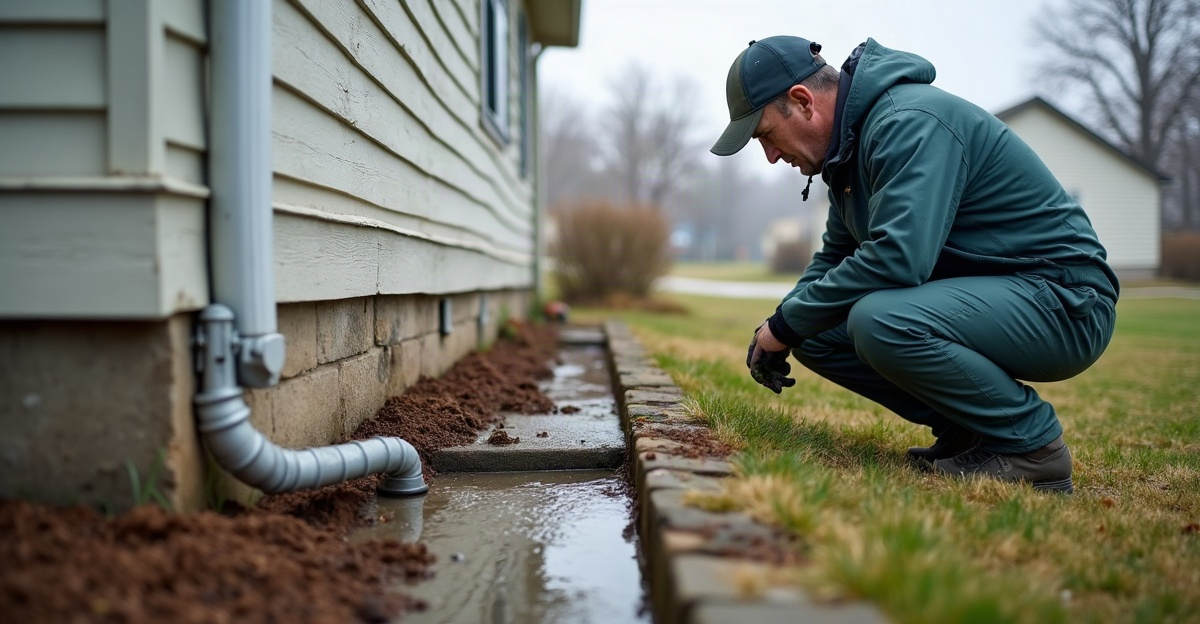
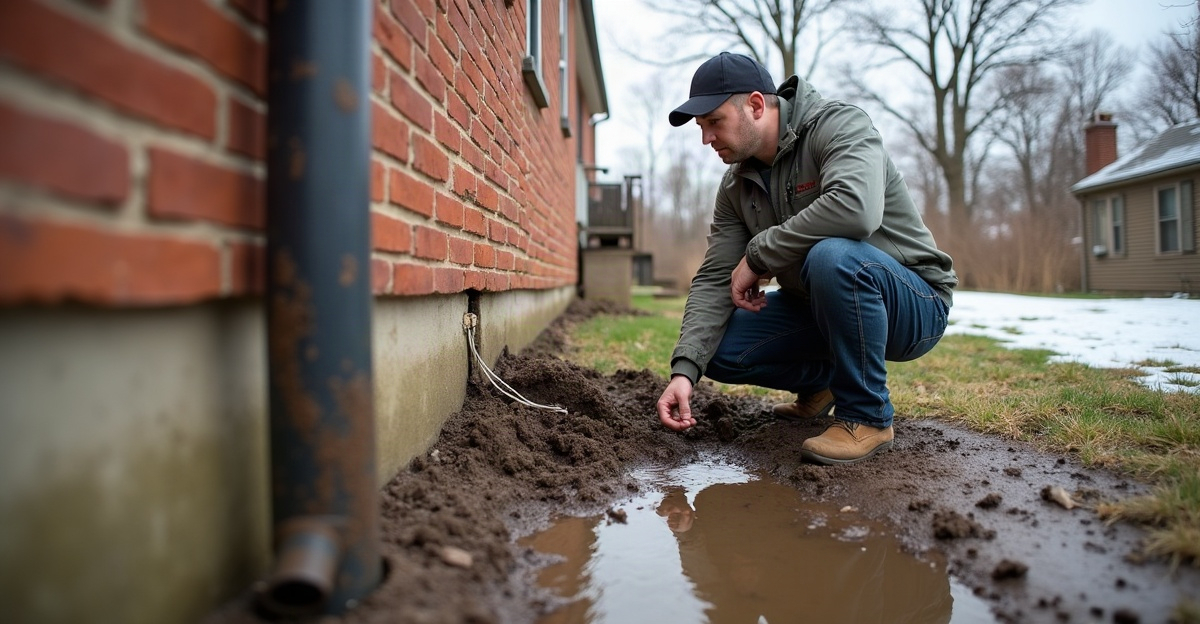
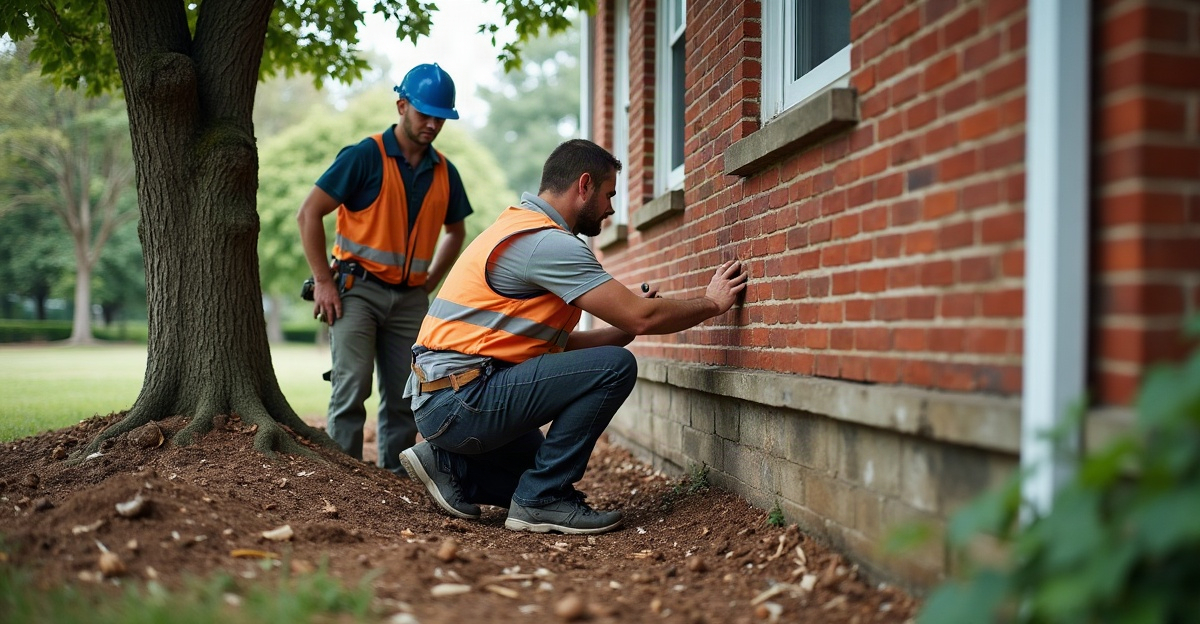
Some foundations show clear warning signs long before a second story is added. Cracked block walls, stair-step cracking in masonry, bowing walls, uneven floors, and water intrusion all raise concerns.
In Bloomington and throughout the surrounding 100-mile radius, many older homes sit on shallow footings. Those foundations were built under design assumptions that didn’t include additional stories. They often lack proper depth, width, or reinforcement for expansion.
Foundation limits usually come down to three factors:
- Original load assumptions
- Soil bearing capacity
- Frost protection depth
If the original builder expected a single-story home on average soil, the footings may already be near their allowable load.
Standard spread footings and thickened slabs can perform well within their design limits. However, they may not provide enough capacity for a second story without reinforcement. In those cases, we begin evaluating pier support for additions as part of the overall structural system.
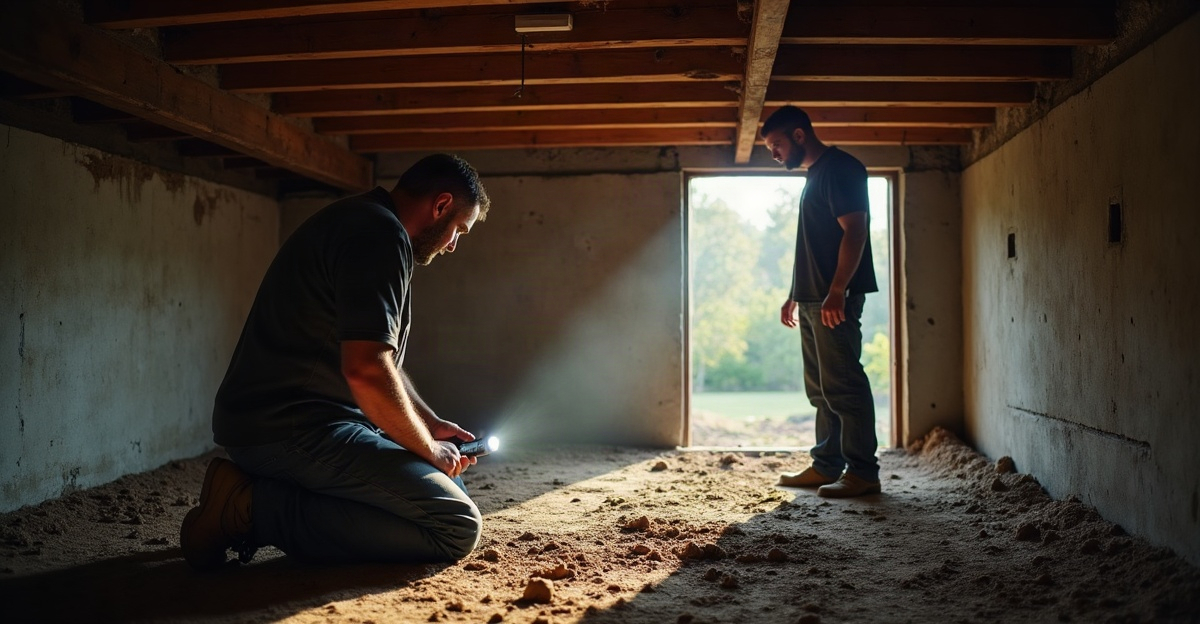
A professional structural evaluation comes first. We never recommend adding helical piers or any other reinforcement without reviewing soil conditions, the existing footing design, and the projected new loads.
How Helical Piers Provide Second Floor Addition Support
Helical piers work by transferring load from the structure down into deeper, more stable soils below the active surface layer. Instead of relying on shallow soils that expand, contract, or shift, we anchor into strata that remain consistent year-round.
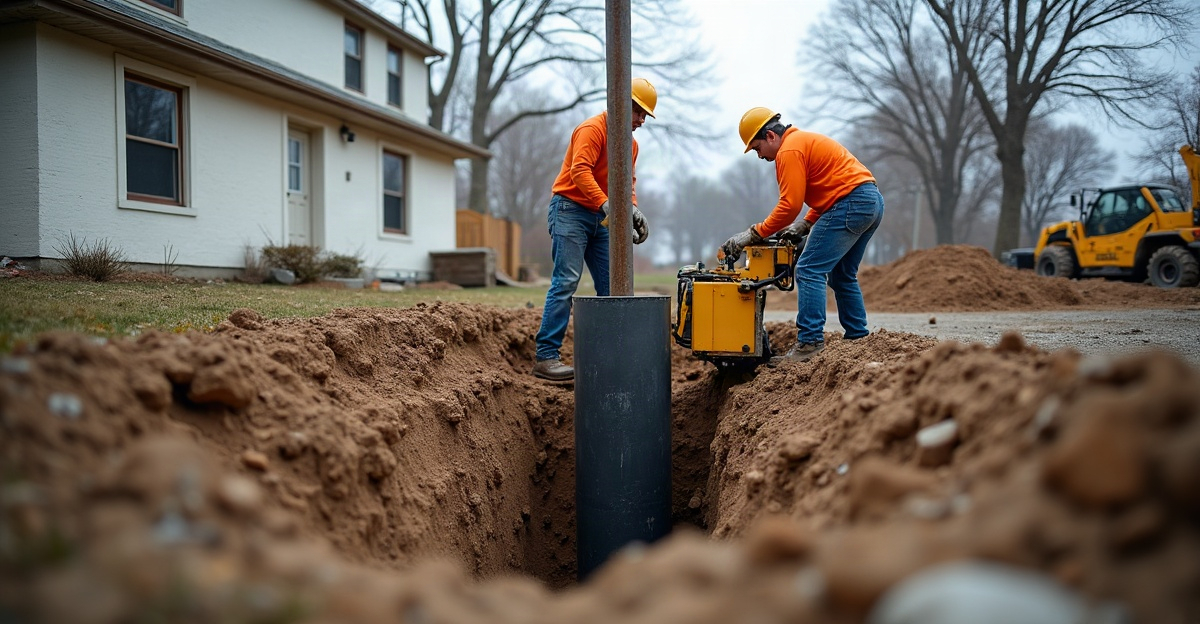
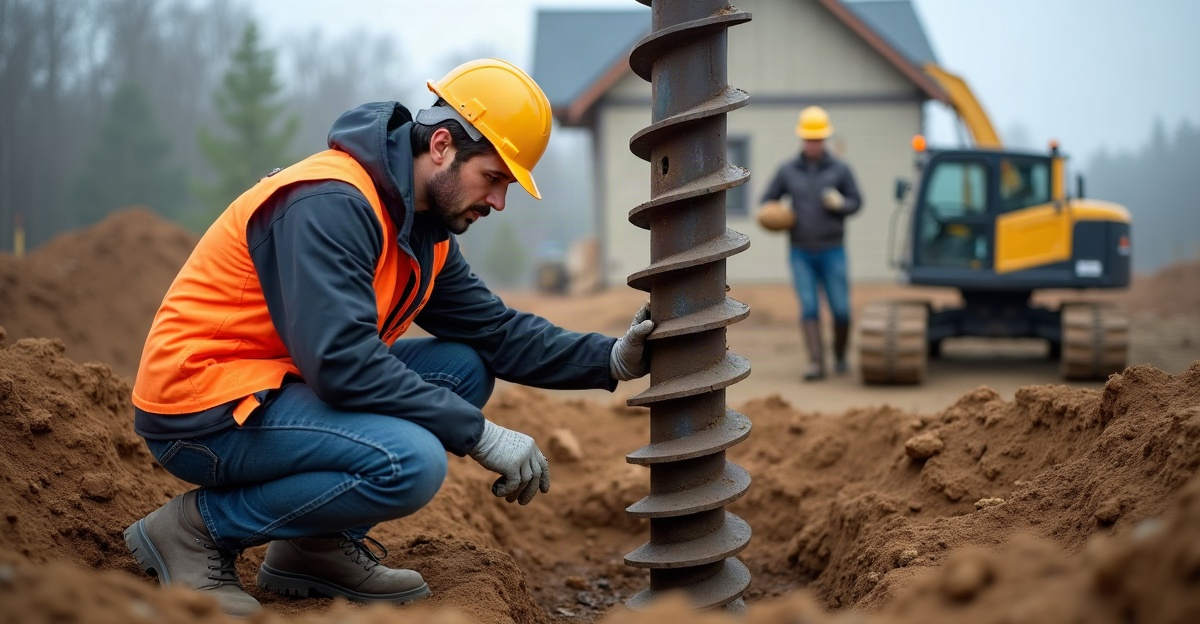
Each pier consists of a central steel shaft with one or more helix plates welded near the tip. Those helix plates act like screw threads. During installation, we rotate the pier into the ground using hydraulic drive heads. As the pier advances, it pulls itself downward with minimal excavation.
At the top, engineered brackets connect the pier to the existing footing or foundation wall. In some projects, we incorporate underpinning systems or grade beams to distribute loads evenly across multiple piers.
We install helical piers for second story additions while closely monitoring installation torque. Torque matters because it correlates directly to load capacity. Higher achieved torque generally indicates stronger soil resistance and greater pier capacity. That verification gives engineers measurable data rather than guesswork.
Capacity depends on several factors:
- Soil conditions at the site
- Helix plate size and configuration
- Shaft size and thickness
- Installation depth
- Achieved installation torque
There’s no generic strength claim that fits every home. Every project is site-specific.
When we install piers to proper depth below the frost influence zone, we reduce the risk of seasonal movement. That’s a key part of reliable second floor addition support in Minnesota’s climate.
For projects that require reinforcement before vertical expansion, we often implement foundation support for additions using engineered pier layouts designed around calculated loads.
Soil Conditions and Frost Depth in Minnesota
Foundations in this region face real soil challenges. Expansive clay soils are common in and around Bloomington. Clay holds moisture, swells when wet, and shrinks when dry. That seasonal movement directly affects shallow footings.
Soil bearing capacity determines how much load the ground can carry without excessive settlement. If upper soils have low bearing capacity, adding a second story may exceed what the ground can safely support.
Frost depth in Minnesota is another major factor. Frost can penetrate several feet below grade. When water in the soil freezes, it expands and lifts shallow foundations. As it thaws, the soil settles again. That cycle stresses walls, slabs, and footings.
Helical piers bypass those unstable upper soils. By advancing piers into deeper, consistent strata, we isolate the structure from freeze-thaw movement and moisture variation.
Every site is different. Before finalizing second floor addition support, we confirm soil conditions and review foundation depth. A site-specific evaluation helps prevent long-term movement after the new story is built.
Engineering Factors That Determine Pier Capacity
Final design always begins with a professional engineering evaluation. Load calculations include the new second-story dead loads, expected live loads, and the existing structural weight. Engineers trace the load path from roof to soil and determine how much reinforcement is required.
They also establish proper pier spacing and layout. Too few piers concentrate stress. Too many may be unnecessary. The layout must match verified structural demand.
During installation, we verify capacity using torque correlation. Installation torque provides field confirmation that each pier meets or exceeds the required resistance. That measurement supports the engineer’s design assumptions and increases overall safety.
Lateral forces require attention as well. Taller wall systems create higher wind loads and potential uplift. In some cases, engineers require additional bracing, shear walls, or reinforcement to maintain stability. Vertical pier capacity alone does not solve lateral performance concerns.
Helical piers for second story additions can be highly effective, but success depends on soil conditions, framing design, and existing foundation configuration. Sound engineering drives responsible decisions.
When structural reinforcement is needed before expansion, we may combine pier installation with broader foundation repair and stabilization to create a fully integrated support system.
When Helical Piers Make Sense — and When Other Systems May Be Better
Helical piers often make sense in specific situations. Homes with settlement issues or weak upper soils are strong candidates. Tight lot lines and limited access areas also favor helical systems because installation requires minimal excavation and produces little vibration. That matters on occupied homes where disruption must remain low.
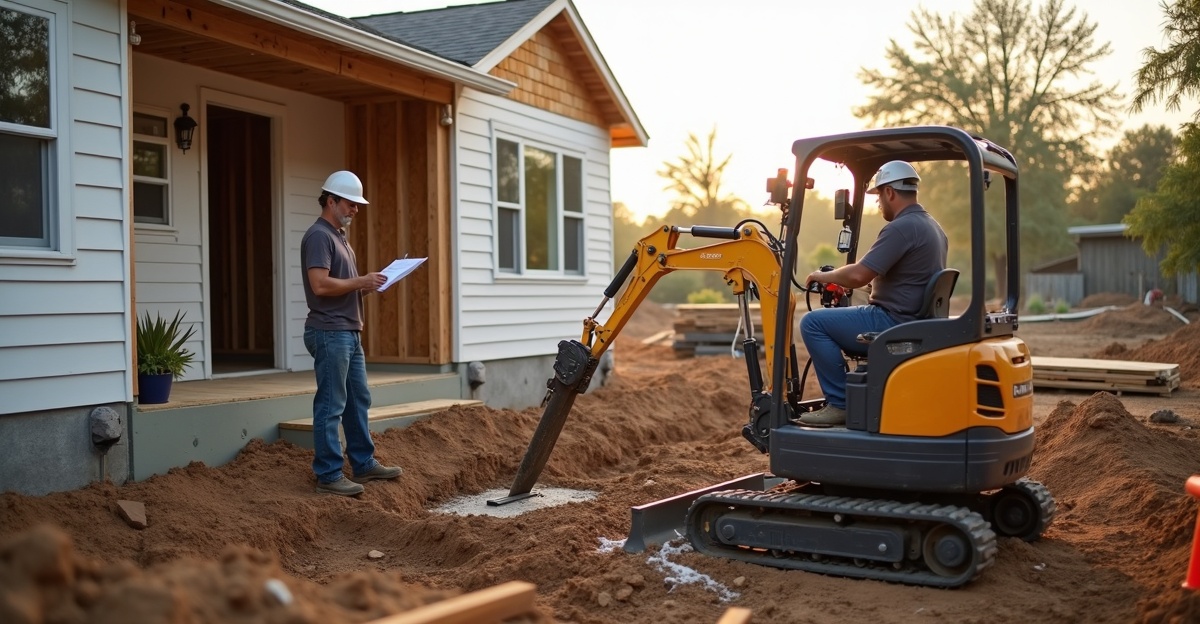
On an active residence, we typically work from the exterior. Hydraulic equipment drives the piers into place with controlled rotation. Excavation is limited compared to traditional footing replacement. After installation, brackets are secured and soil is backfilled, keeping the project organized and efficient.
However, helical piers are not the right solution in every case. Other structural systems may be preferable when:
- The soil is strong and traditional spread footings can be redesigned economically
- Load increases are localized and interior reinforcement resolves the issue
- The existing foundation is severely deteriorated and full replacement is required
The correct solution depends on engineering data, soil conditions, and long-term project goals.
For homeowners and builders considering vertical expansion in Bloomington and surrounding communities, professional evaluation comes first. As an experienced helical pier contractor, we assess the structure, review engineering plans, and determine whether helical piers for second story additions provide reliable pier support for that specific home.
To move forward responsibly, schedule a site evaluation so we can review the foundation, soil conditions, and structural requirements before construction begins.