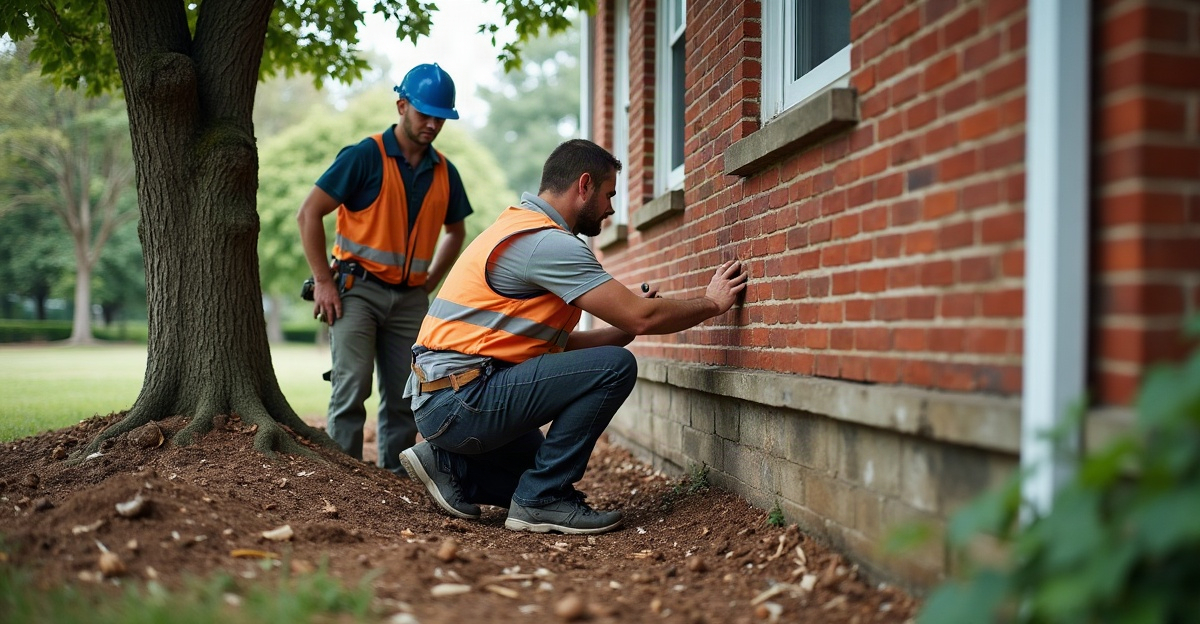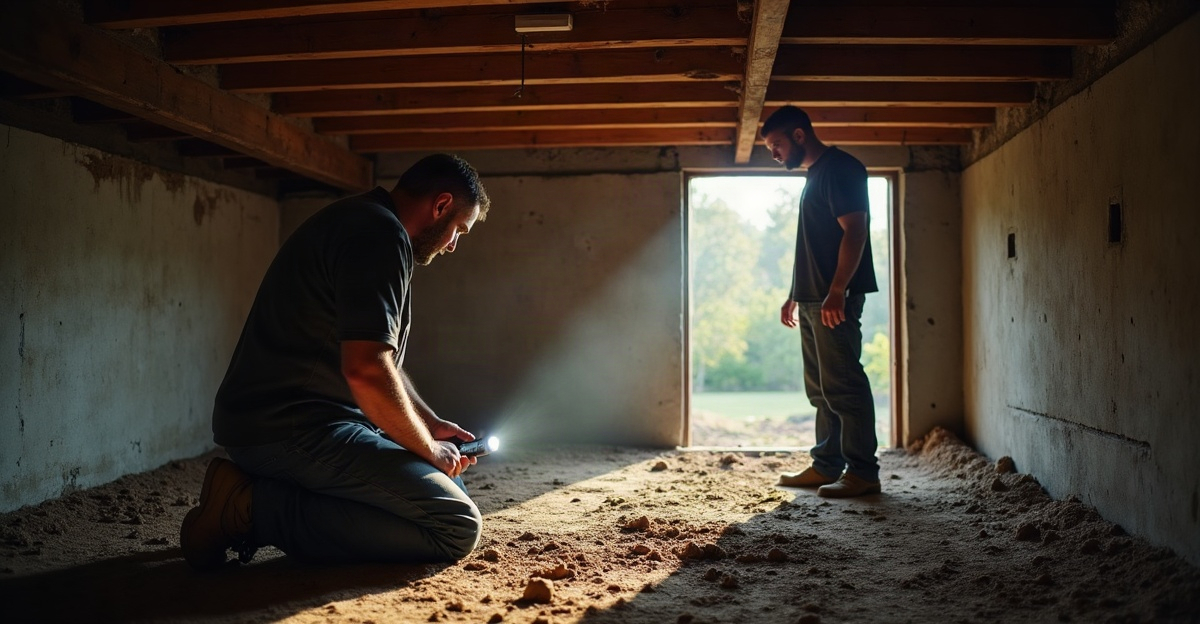
Why Home Additions Need Proper Foundation Support?
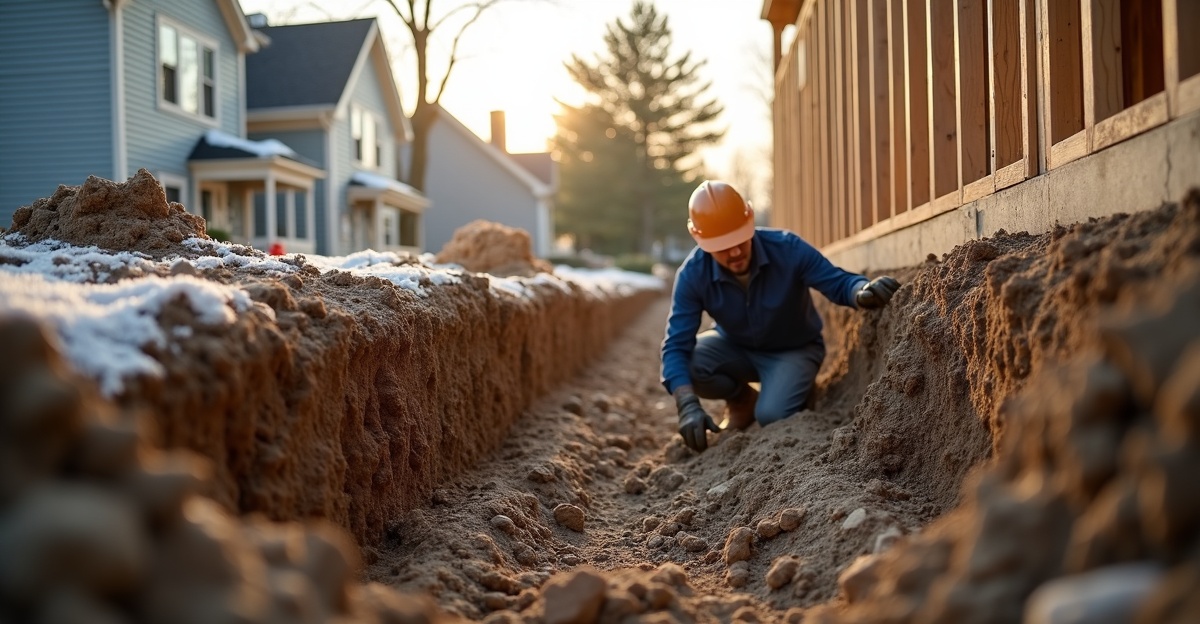
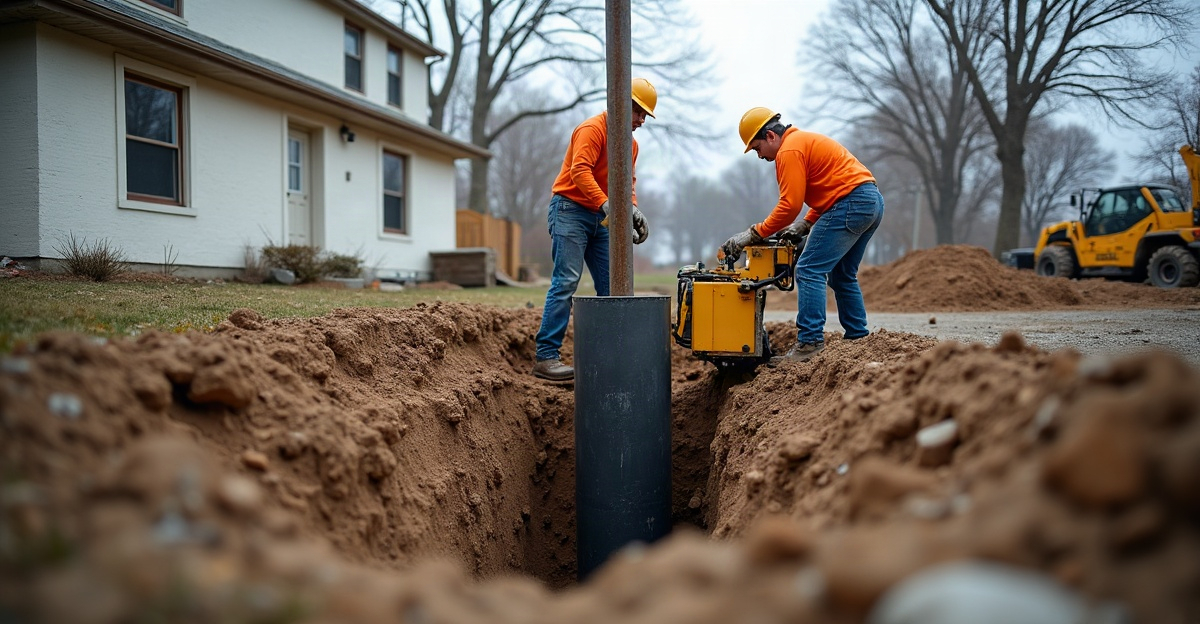
Understanding why foundation support matters for additions starts with recognizing that our existing home has already settled while new construction sits on recently disturbed soil. We need to account for that difference from day one. Without footings that match frost depth, soil bearing capacity, and clear load paths, differential settlement can cause cracks at connection points, sloping floors, and long-term structural movement that costs far more to fix later.
Key Takeaways
- Differential settlement occurs because our new addition rests on recently disturbed soil while the original home has already stabilized.
- Inadequate footing depth, poor soil compaction, and weak bearing soils often lead to structural movement in additions.
- Minnesota freeze–thaw cycles and clay-heavy soils increase the risk of footing movement if we fail to place supports below frost depth.
- Concentrated loads from beams and open spans require properly sized and well-supported footings to prevent shifting.
- Planning soil evaluation, load paths, and footing design before excavation helps us avoid expensive structural repairs later.
What Happens When an Addition Doesn’t Have the Right Foundation Support
Foundation support determines whether an addition stays level and stable for decades or starts shifting within the first few seasons. Problems often don’t show up right away because soil movement takes time, especially after excavation and backfilling.
Here’s why foundation support matters for additions: the original house has already settled into the soil. It has adjusted to seasonal moisture changes and freeze–thaw cycles over the years. A new addition starts fresh on recently disturbed soil that hasn’t fully consolidated. That difference creates what we call differential settlement.
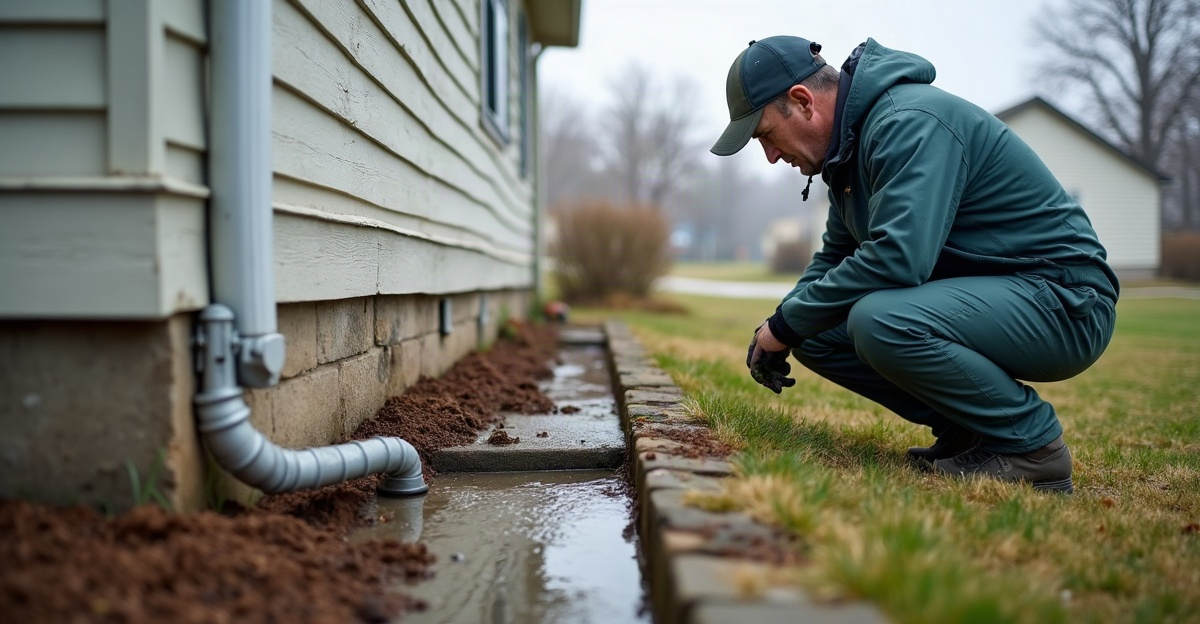
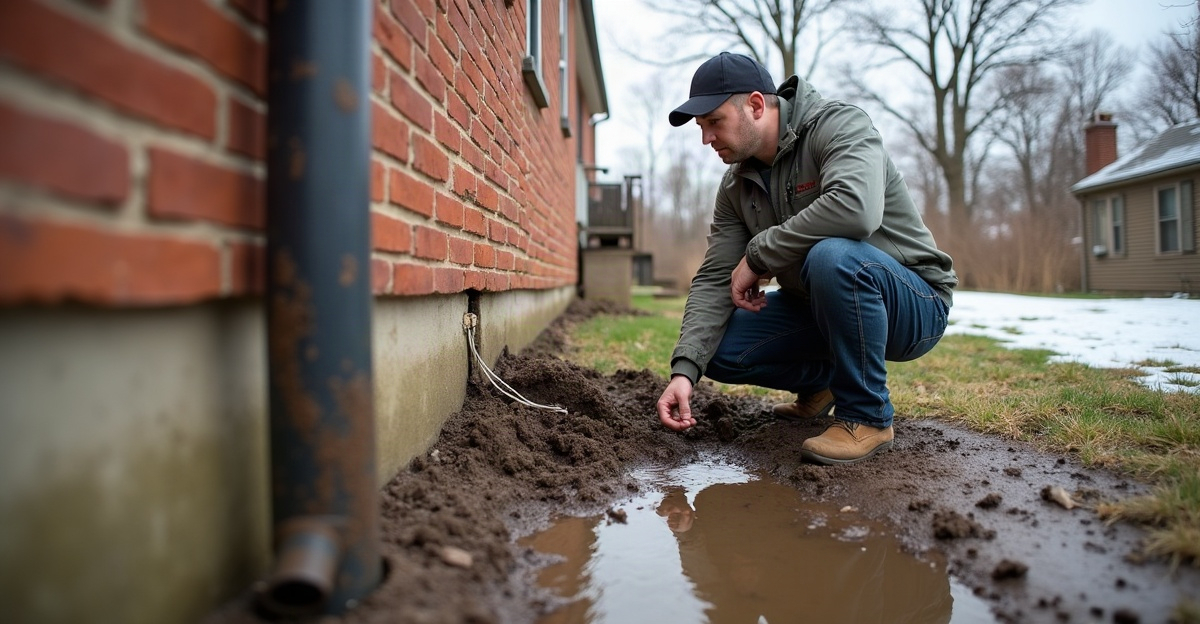
When one structure moves and the other doesn’t, stress shows up at the connection point. In Bloomington and across the Twin Cities, we regularly see the same warning signs:
- Cracks where the addition ties into the existing home
- Uneven floors or a noticeable slope between old and new structures
- Doors and windows sticking or going out of square
- Separation at trim lines or visible gaps between structures
- Garage slab cracking near the new addition wall
Not every crack means structural failure. Concrete shrinks as it cures. Minor hairline cracks in slabs or drywall can be cosmetic. True structural movement looks different. It widens over time. It shows up in multiple places. It affects framing alignment and door operation. That type of movement usually traces back to inadequate footing support for room additions.
Passing inspection isn’t the main goal. Long-term home addition stability is. We build additions to function as part of the home, not as a structure that slowly pulls away from it.
How Improper Footing Support Leads to Foundation Problems in Additions
Most foundation problems in additions come down to one issue: the soil can’t properly support the load being placed on it.
Common causes include:
- Shallow footings placed above frost depth
- Poor soil preparation or loose backfill that wasn’t compacted correctly
- Building on uncontrolled fill
- Heavy point loads from beams or posts without adequate footing sizing
- Ignoring the soil’s actual bearing capacity
The load path is straightforward. The roof, walls, and floors carry weight. That weight transfers through framing into beams and posts, then into the footings. Finally, it moves into the soil beneath those footings. If the soil can’t handle that load, it compresses or shifts. Settlement follows.
In Minnesota, frost adds another layer. If a footing sits above frost depth, freezing soil can lift it. During spring thaw, saturated soil loses strength. Expansive clays swell when wet and shrink during dry spells. All of that movement transfers directly into the structure above.
Matching the old footing exactly doesn’t automatically solve the problem. The soil under the existing home may be compacted after decades of loading. Conditions during the original build may have been different. Today’s addition might carry different loads, especially with open-concept spans or large patio doors concentrating weight in fewer areas.
Fixing structural movement after drywall, cabinets, and flooring are installed becomes disruptive and expensive. We end up supporting or stabilizing from below, often through foundation repair and stabilization methods. Doing footing support correctly upfront avoids tearing apart finished spaces later.
Minnesota Soil and Climate: Why Regional Conditions Change the Equation
Minnesota’s climate directly affects foundation performance. Freeze–thaw cycles are a reality every year. Frost depth requirements exist for a reason: soil expands as it freezes and exerts upward pressure on shallow footings.
Parts of Bloomington and the Twin Cities sit on clay-heavy soils. Clay holds water. In wet conditions, its bearing capacity drops. During dry periods, it shrinks and can create voids. Seasonal moisture swings add repeated stress to any footing system.
Frost depth and soil type drive footing depth and design. A footing placed below frost depth and bearing on competent soil resists seasonal uplift. A shallow footing in moisture-sensitive soil will move.
Regional variability also matters. Soil can change from one block to the next. Some sites contain old fill from prior excavation or grading. Others have high groundwater or poor drainage patterns. Blanket assumptions don’t work.
Home addition stability depends on how the footing system interacts with local soil and climate. Freezing conditions can lift shallow supports. Saturated clay soils can reduce load capacity under the same footing. That’s why we evaluate each site individually rather than copying what worked somewhere else.
Footing Support Options for Room Additions (And When Each Makes Sense)
Different projects call for different solutions. The right approach depends on load, soil, frost depth, and overall design.
Traditional spread footings work well when placed below frost depth on soil with adequate bearing capacity. Proper width and thickness help distribute loads evenly. Soil preparation and compaction are critical before concrete is poured.
Slab-on-grade construction can perform well when the base is prepared properly, including granular fill, compaction, and reinforcement. This approach suits certain layouts and budget constraints, but it still relies heavily on soil quality.
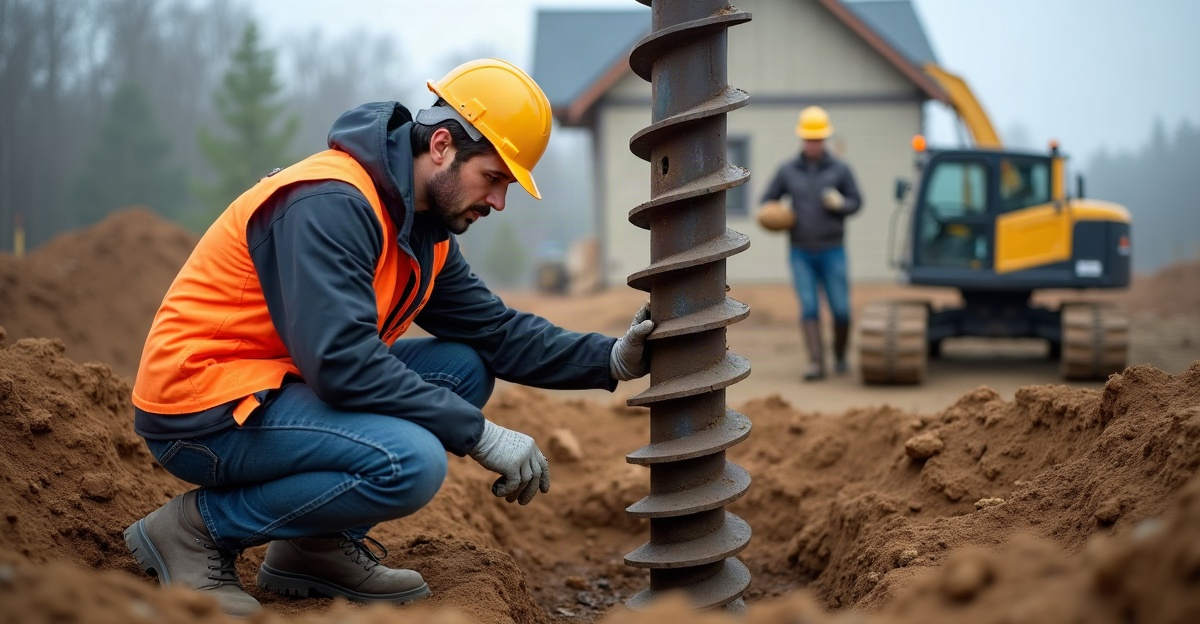
Deep foundation systems, such as helical pier installation, come into play when surface soils are weak or variable. Helical piers transfer loads past unstable soils and into deeper, more stable strata. They’re often used where we encounter poor bearing soils, high water tables, or concentrated structural loads from beams and posts.
Helical piers aren’t automatically required on every addition. They make sense in specific conditions:
- Poor or inconsistent soils near the surface
- Evidence of prior settlement or uncontrolled fill
- Large open spans producing concentrated point loads
- Wet or high-water conditions that reduce surface soil strength
We also apply similar principles to other structures, such as deck footing support, where frost and soil conditions play a major role in long-term performance.
Every option must maintain a clear load path: structure to footing, footing to stable soil, all placed below frost depth where applicable. That’s how we prevent future foundation problems in additions instead of reacting to them after the fact.
How to Plan for Long-Term Home Addition Stability Before Excavation Begins
The stability of an addition gets decided before concrete trucks arrive. Planning is where we avoid costly movement later.
Start with site history. Find out whether there has been previous fill, drainage changes, or known settling issues. If soil conditions are unclear or questionable, consider a soil evaluation. Even basic information about bearing capacity and soil type can guide footing design.
Next, coordinate foundation design with the structural design. Loads from beams, posts, and bearing walls must align with footing size and type. Clear load paths reduce differential movement.
Before excavation, answer key questions:
- What is the frost depth at this site?
- What soil are we building on?
- Has the soil been disturbed or filled?
- How will loads transfer from roof to soil?
Cost always enters the conversation. The cost of getting it wrong includes structural repairs, drywall cracking, flooring replacement, and project delays. We’ve seen additions where correcting movement required lifting sections of the structure and reinstalling support under finished walls.
The cost of doing it right includes proper excavation, adequate footing depth and width, and selecting the appropriate support system. That might involve traditional footings or a system engineered for deeper load transfer, such as foundation support for additions with helical piers.
The goal isn’t fear-based decisions. It’s informed planning. Home addition stability is measurable over time: level floors, stable connection lines, and doors that operate smoothly season after season.
Homeowners and builders in Bloomington and the Twin Cities benefit from discussing footing support early. If there’s any uncertainty about soil or load conditions, we recommend reaching out before excavation begins. A conversation or site review through our contact page can clarify options and help lock in proper support before concrete is poured.