Helical Piers Vs Concrete Footings: What Is Better?
Helical piers vs concrete footings is a common comparison for decks, additions, garages, and foundation repairs, especially in Minnesota’s frost-prone and clay-heavy soils. We determine the better option by evaluating soil bearing capacity, site access, load demands, weather conditions, and whether we’re building new or stabilizing an existing structure.
Key Takeaways
- Concrete footings distribute structural loads at frost depth and perform well in stable, well-draining soils with consistent bearing strength.
- Helical piers transfer loads to deeper, stronger soil layers and allow installation year-round with minimal excavation and no curing delay.
- Clay soils, freeze-thaw cycles, and spring saturation can weaken shallow soils, which makes deeper load transfer a major advantage in many situations.
- Site access, construction schedule, and inspection requirements often shape the decision as much as material cost.
- We choose the right system by analyzing soil conditions, structure weight, frost depth, and site constraints rather than assuming one solution always outperforms the other.
Helical Piers vs Concrete Footings: The Key Differences Homeowners Need to Know
Helical piers vs concrete footings is one of the most common foundation footing comparisons we walk through with homeowners. Both systems support structural loads, but they work in very different ways.
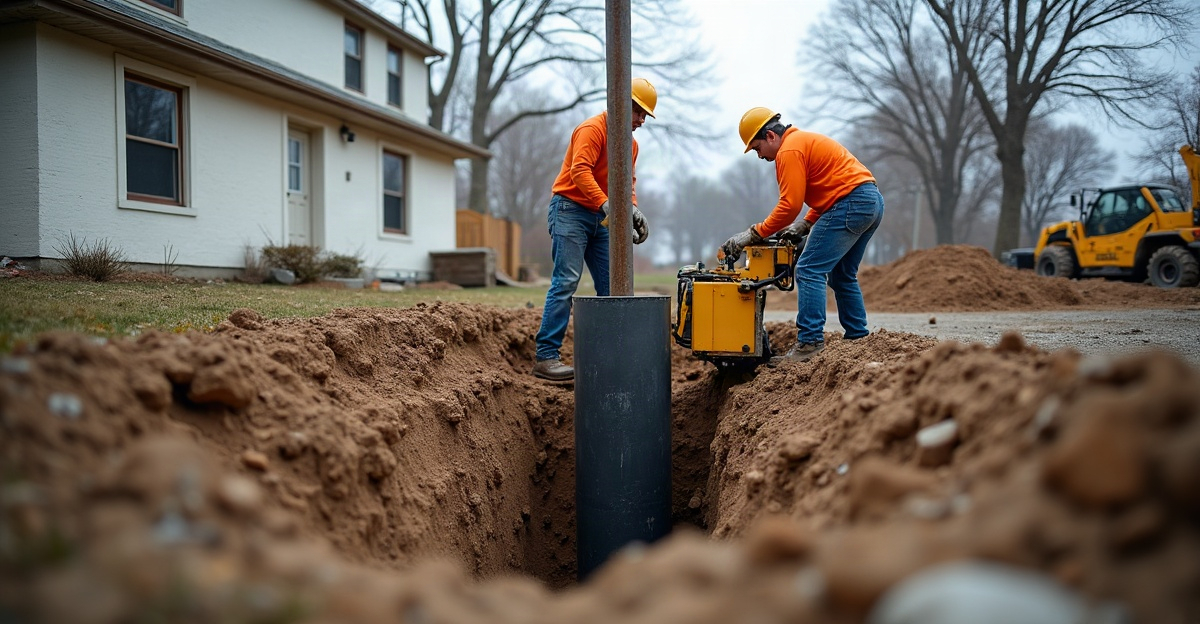
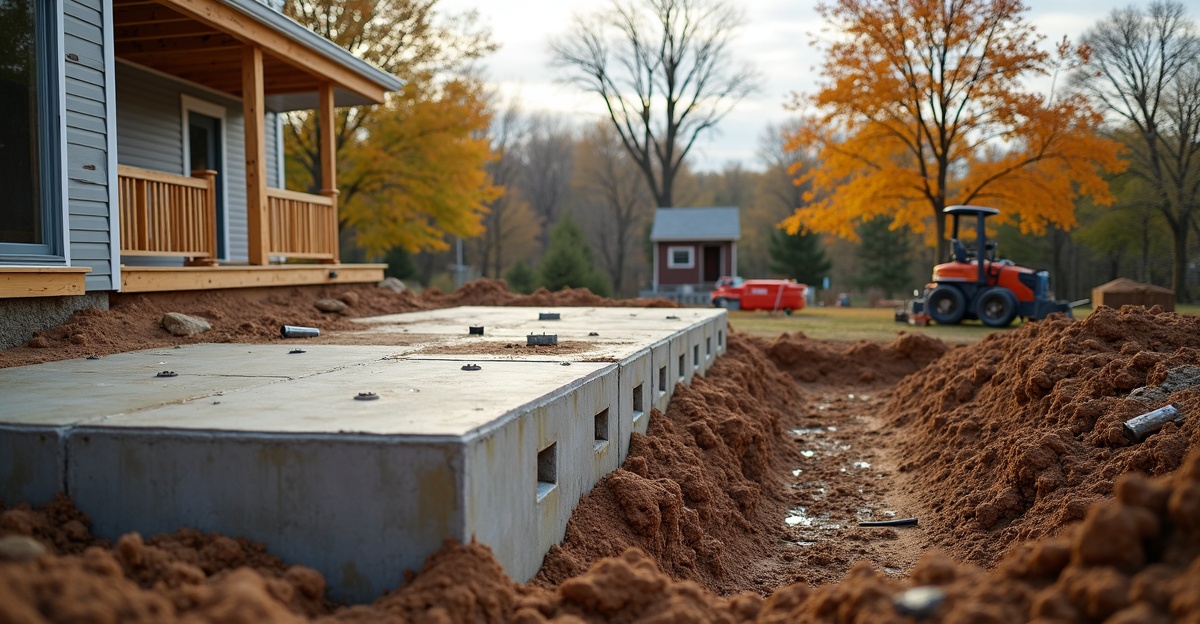
Concrete footings are traditional spread footings. We excavate below frost depth, place rebar if required, pour concrete, and allow it to cure before loading the structure. The footing spreads the weight of the building across the soil at the bottom of the excavation. Its performance depends on the bearing capacity of that soil.
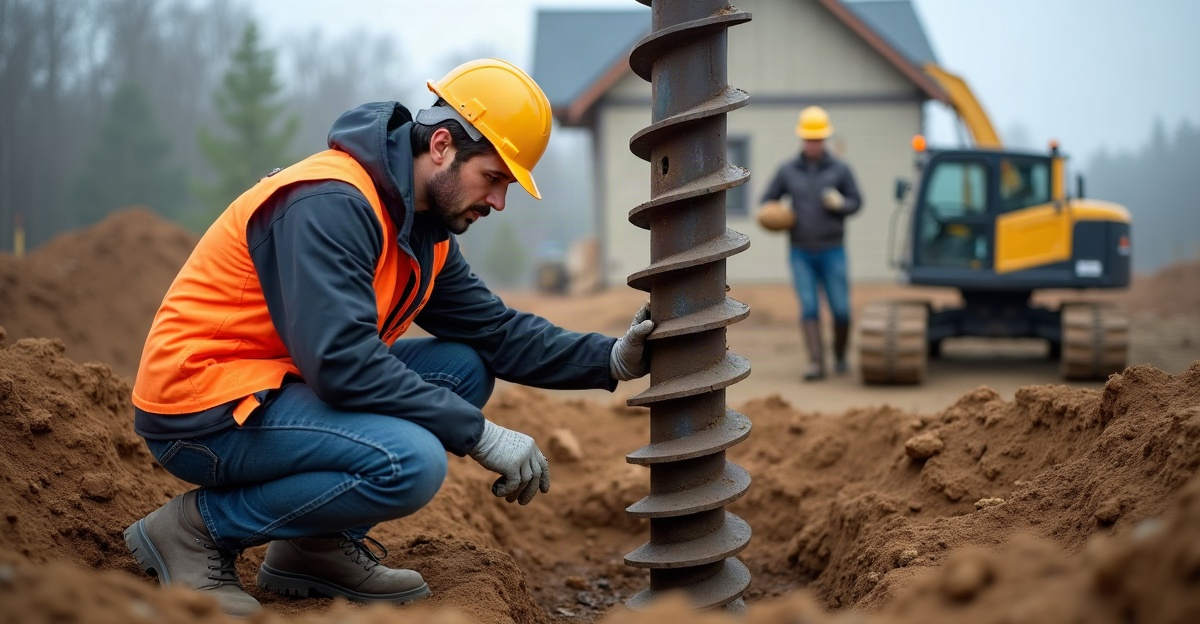
Helical piers are steel shafts with helical plates welded near the tip. We install them by applying hydraulic torque, driving them into the ground until they reach load-bearing soil. Brackets connect the pier to the structure. Instead of relying on surface soil, the pier transfers the load deeper into stable strata.
That’s the core difference. Concrete footings rely on soil bearing at the excavation base. Helical piers carry loads down to more stable layers using their helical plates.
Helical piers are a concrete footing alternative, not a universal replacement. The better choice depends on soil conditions, frost depth, load requirements, timeline, access, and budget. Every project demands a fresh look at those footing support options.
Side-by-Side Foundation Footing Comparison: Installation, Load Capacity, and Inspection
Installation is where most people first see the difference.
Concrete footings require excavation to frost depth, forming, possible rebar placement, inspection if required by code, then a concrete pour. After that, we wait. Cure time matters. Weather matters. Rain or cold temperatures can shift the schedule or require extra protection.
Helical piers are installed with compact hydraulic equipment. We torque them into the soil until we reach a specified resistance tied to load capacity. In most cases, we can load them immediately after installation. There’s no cure time, and there’s far less excavation.
Weather plays a major role in this foundation footing comparison. Concrete placement is temperature-sensitive. Minnesota winters can delay pours or require cold-weather measures. Helical piers can often be installed year-round, even in frozen surface conditions, because we’re advancing steel shafts into deeper soil layers.
Load-bearing performance also differs.
Concrete footing capacity is based on soil bearing at frost depth. If the soil is strong and consistent, that works well. If soils are weak, variable, or saturated, we may need larger footings to spread out the load.
Helical piers are installed to a target torque that correlates with load capacity. That gives measurable feedback during installation. They’re especially helpful in weaker or inconsistent soils because we bypass softer layers and anchor deeper.
Inspection and engineering requirements depend on the project. Decks, additions, and garages may require inspections or engineered plans regardless of which system we use. Both footing support options must meet local code.
Access can make or break the decision. Tight backyards, interior repairs, or areas with limited excavation access often favor helical piers. Large open sites with easy machine access may suit traditional spread footings just fine.
Performance in Minnesota Climate: Frost Depth, Clay Soils, and Freeze-Thaw Cycles
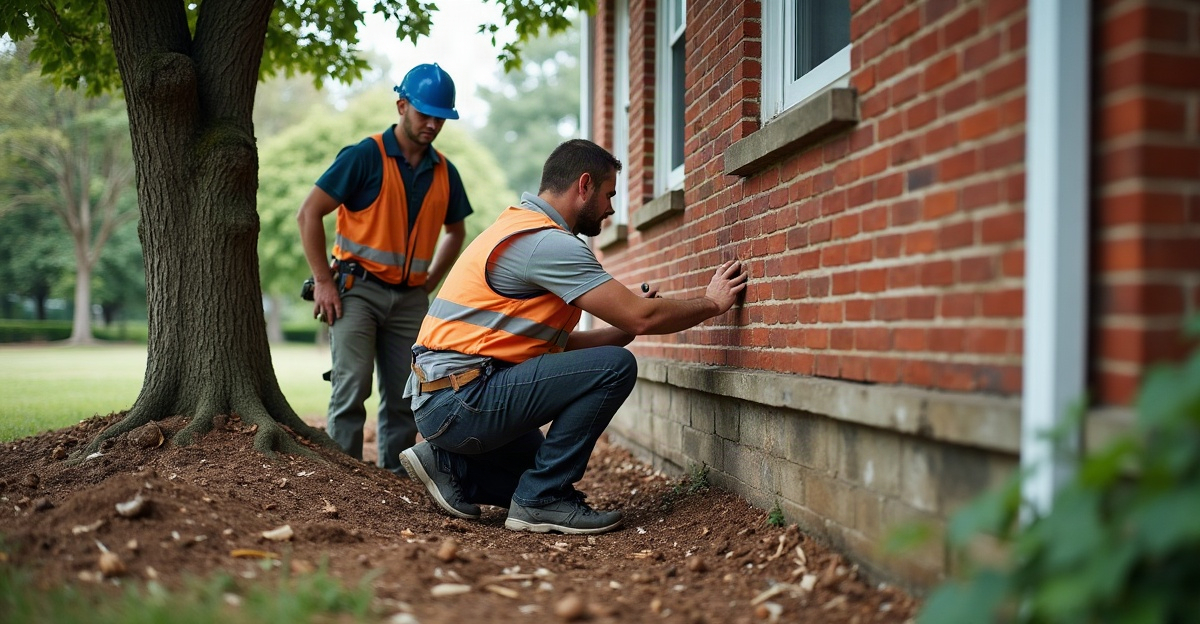
Minnesota’s climate has a direct impact on foundation design. Footings must extend below the frost line to prevent movement from freeze-thaw cycles.
Improperly installed shallow footings risk frost heave. As soil freezes, it expands. As it thaws, it contracts. That movement can lift or settle structures over time.
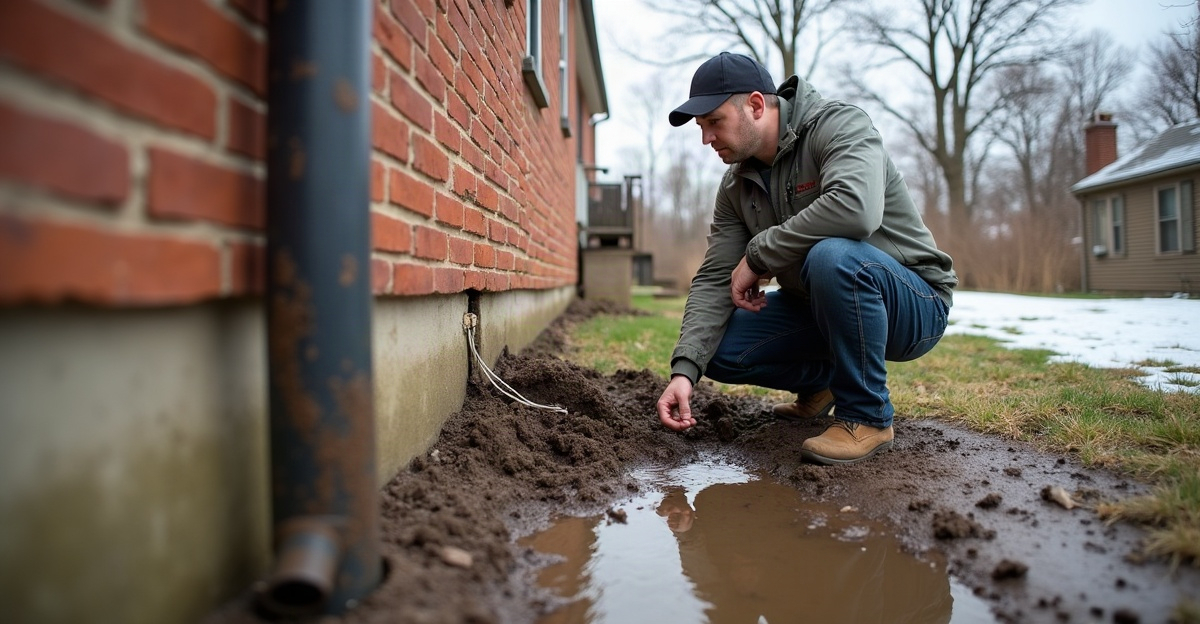
Clay-heavy soils are common in many Twin Cities area neighborhoods. Clay expands when wet and shrinks during dry periods. Seasonal moisture shifts can change soil volume and reduce consistent bearing capacity.
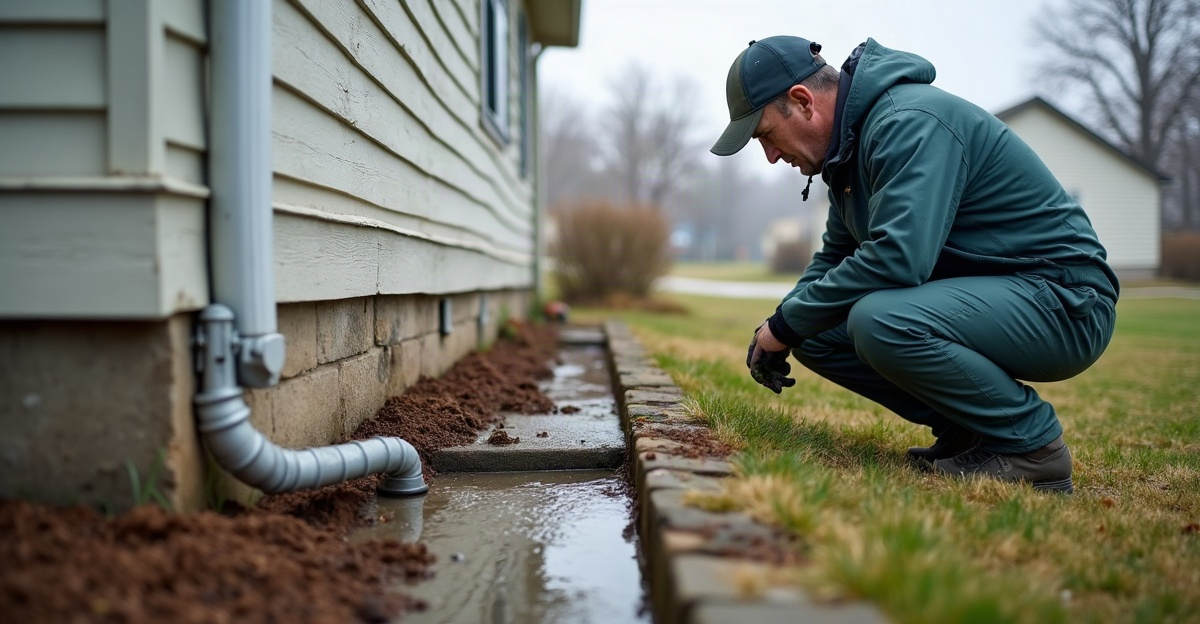
Spring saturation adds another challenge. Water-heavy soils lose strength, which can affect traditional concrete footings if they rely on upper soil layers for support.
Helical piers offer an advantage in these conditions because we can advance them beyond active soil layers. By anchoring below frost depth and seasonal moisture zones, we reduce the influence of freeze-thaw and surface expansion.
That said, properly designed and installed concrete footings can perform well in stable, well-draining soils. In areas with consistent sand or gravel and good drainage, spread footings often deliver reliable, long-term support. The key is matching the system to the soil.
Cost Considerations Beyond Upfront Price
Most homeowners focus first on visible, upfront cost. That matters, but it’s only part of the equation.
Concrete footings typically include:
- Excavation equipment and labor
- Forming and possible rebar
- Concrete material and delivery
- Cure time that may affect the overall project schedule
Helical piers involve:
- Steel pier material
- Specialized hydraulic installation equipment
- Minimal excavation and reduced site disruption
- Shorter installation timelines in many cases
On paper, one option may look cheaper. In practice, soil type, access, and weather can shift costs quickly. Delays from poor weather during a concrete pour can add labor and protection expenses. Difficult excavation conditions can increase equipment time.
Long-term risk is another factor. If soils are marginal and settlement occurs, repair costs can outweigh initial savings. In weaker soils, deeper load transfer with helical piers may reduce that future risk.
We never assume one system is always cheaper. Structure weight, soil bearing capacity, access limitations, and local code requirements all affect total cost.
Best Use Cases for Concrete Footings
Concrete footings remain a solid choice in many new construction scenarios.
They’re often appropriate for:
- New construction on stable, well-draining soils
- Large slabs or continuous foundations
- Projects with open access and straightforward excavation
- Situations where timeline allows for curing
For example, a new garage addition on a stable lot with consistent soil conditions often works well with traditional footings. Detached structures with uniform soil support can also benefit from spread footings, particularly if budget constraints limit specialized systems.
When excavation is simple and soil reports show good bearing capacity at frost depth, concrete remains dependable and code-friendly. In those cases, traditional methods make practical sense.
Best Use Cases for Helical Piers and How to Decide
Helical piers shine in challenging soil and access conditions. They’re especially effective for decks, additions, and garages built in clay-heavy or frost-prone soils.
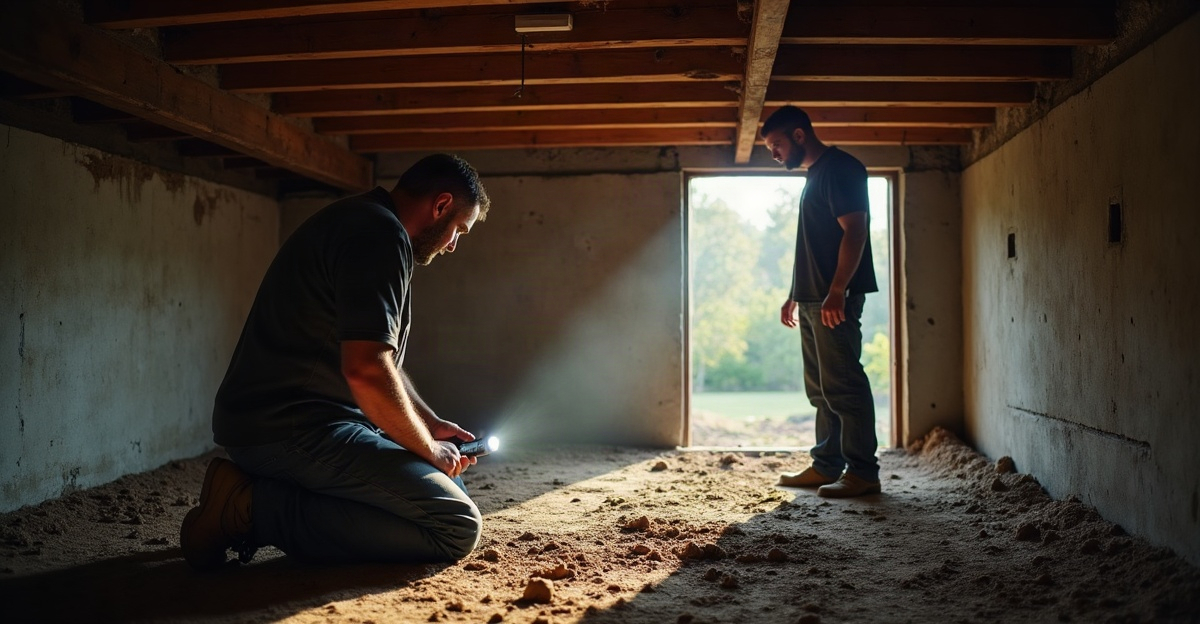
They’re also a strong solution for repair scenarios. When we’re handling foundation repair and stabilization, helical piers allow us to support or lift a settling structure without full-scale excavation.
Tight access is another advantage. Backyard decks and additions often don’t allow large excavation equipment. In these cases, helical pier installation with compact machinery minimizes disruption and speeds up the schedule.
For new structural work, piers are commonly used for deck footing support, foundation support for additions, and garage foundation support where soil conditions are variable.
To decide between footing support options, we focus on a few key factors:
Decision Checklist
Consider these points before finalizing a design:
- Soil type: Clay, sandy, moisture-sensitive, or variable?
- Required frost depth under local code
- Overall structure weight and load concentration
- Site access and space for excavation equipment
- New construction or settlement repair
- Inspection and engineering requirements
Once we review those items, the right system usually becomes clear. Some projects call for traditional spread footings. Others benefit from deeper, torque-verified support.
Every site is different. We evaluate soil conditions, loads, and access before recommending a solution. Project-specific analysis prevents guesswork and avoids long-term structural issues.