Foundation Problems in St Paul Need the Right Support
Weak, wet, disturbed, or shifting soil can affect how well a structure stays supported. Over time, deck posts may sink, additions may settle, and garage foundations may move. Concrete footings can also fail when they cannot reach firm soil.
These problems may cause cracks, uneven surfaces, or visible movement. They can also delay a building project or make an inspection more difficult. However, the damage you see may not show the full cause below the ground.
Find the Cause Before Choosing a Repair
A site review helps identify the soil condition, structure needs, and best support method. Our professional team checks the project before recommending helical pier installation in St Paul. The team may also review access for helical pier installation equipment in St Paul. This step helps create a safer and more practical plan.
Working with helical pier installation experts in St Paul can help you understand your options. Each project has different soil, weight, and access needs. Before choosing a repair, request a site review for your St Paul, MN helical pier installation project.
What Is Helical Pier Installation and How Does It Work?
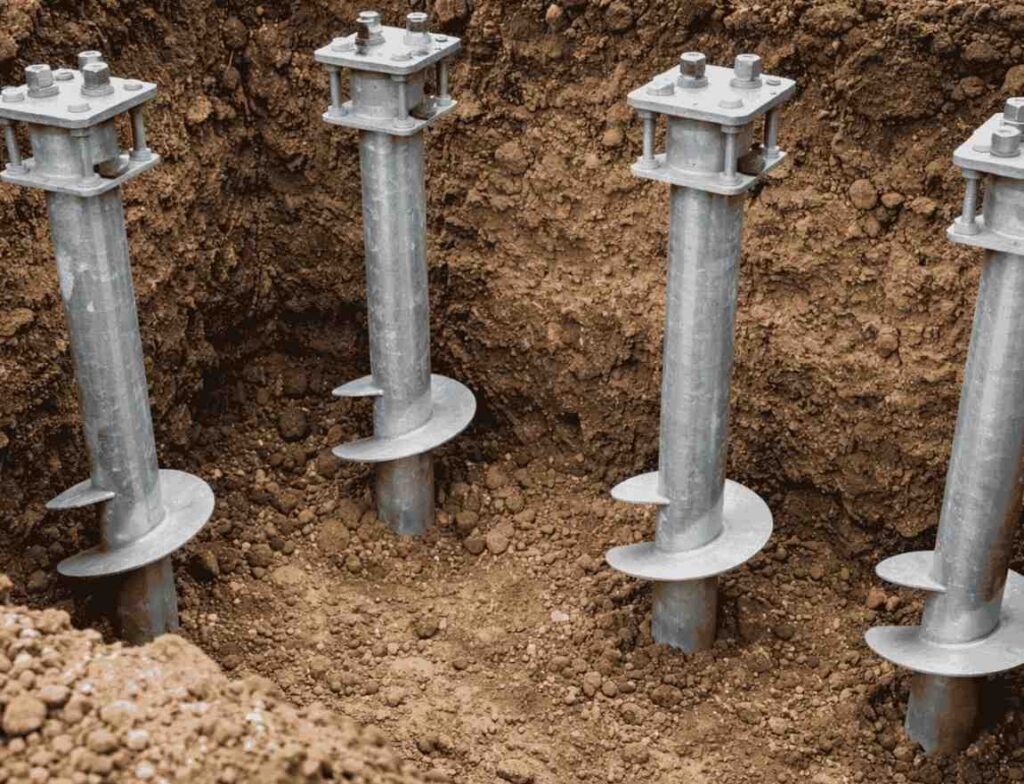
Helical piers are strong steel supports placed deep into the ground. They help carry the weight of decks, additions, garages, and foundations over time. Helical pier installation in St Paul gives structures support when shallow soil cannot hold them well.
Steel Shafts and Helical Plates
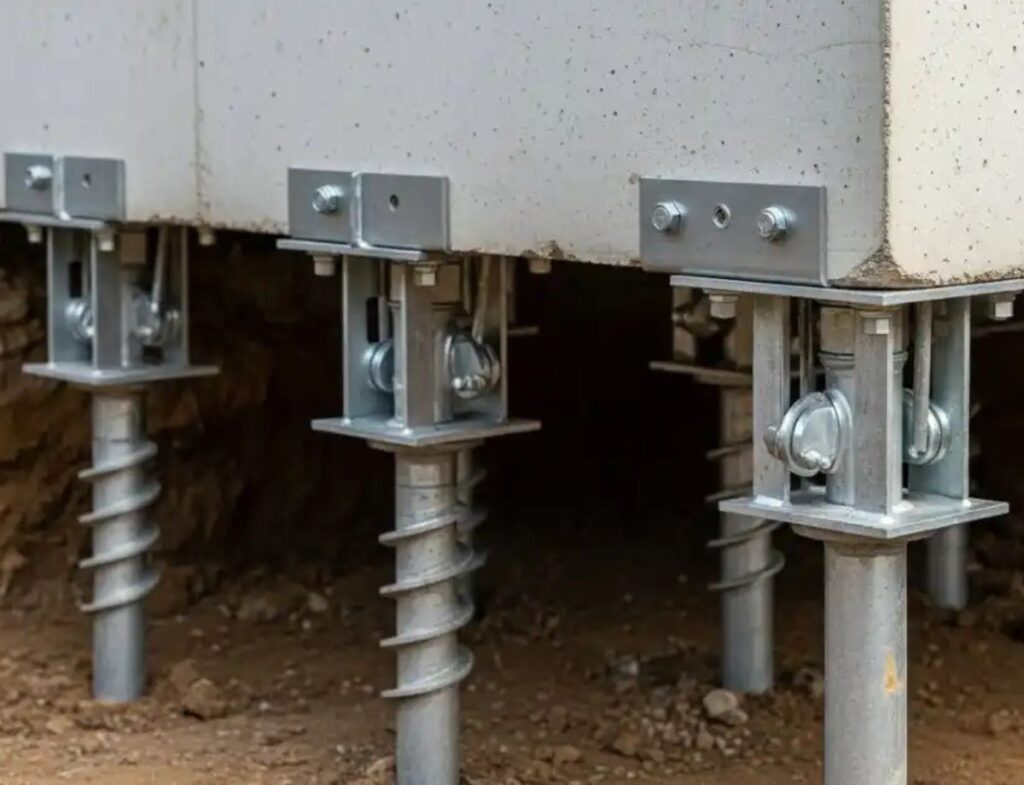
A helical pier has a steel shaft with round helical plates near the bottom. Its shape is similar to a large screw. Extensions can be added when more depth is needed. A connection bracket links the pier to the structure. Corrosion protection may also be used when site conditions or project plans require it to help extend its working life.
Reaching Firm Load-Bearing Soil
During St Paul, MN helical pier installation, the pier moves through weak surface soil. It continues until it reaches firmer soil that can provide the needed support. Not every pier must reach bedrock. The right support level depends on the ground, the planned structure, and the needs of the project. This creates stable support without relying on weak surface soil.
Using Torque to Guide Installation
Helical pier installation experts in St Paul watch the torque as each pier enters the ground. Torque helps show how much resistance the soil provides. The needed depth and torque depend on soil conditions, structural loads, pier design, engineering rules, and project plans. Helical pier installation equipment in St Paul is carefully selected for the site and our service areas.
Why Helical Piers Fit Many St Paul Projects?
Every property has different soil, space, and support needs. Some sites have soft ground, while others have tight access. Helical pier installation in St Paul should match the real conditions found at each property.
Freeze and Thaw Conditions
Cold weather can freeze the soil around shallow footings. When the ground thaws, it may move and place stress on the support below. However, frost does not cause every footing problem. Pier depth and design should follow the soil, structure, site, and project plans. This helps create one of the best foundation support systems for the property.
Weak or Shifting Soil
Some soil cannot safely support a deck, addition, or garage with a normal shallow footing. Helical piers may carry the weight past weak ground and into a stronger soil layer. Before choosing St Paul, MN helical pier installation, the property should be checked. Helical pier installation experts in St Paul can then suggest a suitable plan.
Limited Access Around Existing Properties
Large digging equipment may be hard to use near decks, yards, additions, garages, fences, landscaping, or nearby structures. Helical pier installation equipment in St Paul may fit into smaller spaces and reduce wide excavation. Still, access depends on the property layout, soil, utilities, and project size. A site review is needed before the team confirms access.
Signs You May Need Helical Pier Support
These warning signs can have several causes, so they do not prove one problem. A site check helps you understand what is happening below the structure.
Look for these signs:
- A deck that sinks or leans
- Cracks near an addition
- Gaps around doors or windows
- Uneven floors
- Movement near a garage foundation
- Concrete footings that have shifted
- Footings placed in weak or disturbed soil
When a Closer Review Is Needed?
You may need help if a new project requires deeper support, an inspection finds a concern, or past repairs have not stopped movement. Soil erosion near a footing or visible gaps between structural parts may point to a support issue.
Helical piers are not right for every crack or uneven surface. Before choosing helical pier installation in St Paul, request a professional review. Helical pier installation experts in St Paul can inspect the site and decide whether engineering input is needed. They can check access for helical pier installation equipment in St Paul and plan a safe St Paul, MN helical pier installation.
Helical Pier Services for St Paul Properties
TR Helical Piers provides practical support for new builds and existing structures. Each service is planned around the soil, structure, access, and project needs. Our team helps homeowners, builders, and contractors choose the right support for their property.
Helical pier installation in St Paul can support decks, additions, garages, and other structures. Steel piers are turned into the ground until they reach firm soil. This method can provide deep support with less digging than some traditional footings. The final design depends on the site, loads, and project plans.
Decks need stable footings to stay level and safe. Helical piers may support new decks, replacement decks, stairs, landings, and covered areas. They can also help when shallow soil is weak. Pier spacing and size should follow the deck design, expected weight, and site conditions.
Cracks, settlement, and visible movement may point to a support problem. Helical piers can help stabilize some foundations when the system fits the structure. However, not every crack needs pier support. A site review helps find the cause and decide whether repair, stabilization, or another method is needed.
Home additions can add weight to areas with weak or disturbed soil. Helical piers may support room extensions, enclosed porches, and other added spaces. The plan should consider the new load, existing foundation, soil, access, and engineering needs. Proper support helps the addition stay connected and stable.
Garage foundations may settle when the soil below cannot hold the load. Helical piers can support some new garages and repair projects. They may be used below walls, beams, or planned footing points. The right approach depends on the garage design, soil strength, damage, and access around the property.
Before work starts, our team explains the recommended service, expected steps, site needs, and next actions in clear, simple terms.
Our Helical Pier Installation Process in St Paul
Our process for helical pier installation in St Paul is clear and practical. However, the exact steps depend on the structure, soil, access, and project needs.
Tell Us About Your Project
Start by calling our business, sending an email, or filling out the quote form. Share the property location, project type, and any known concerns.
You can also send photos, plans, or inspection notes. These details help our team understand the work before a site visit. However, not every estimate can be completed remotely. Some projects need an in-person review first.
Review the Site and Support Needs
Our team checks access, existing foundations, and visible problem areas. We also review planned loads, soil concerns, nearby landscaping, and utility limits.
The full project scope helps us choose the next step. For garages, we may check common garage foundation problems, such as cracks, sinking, or movement. Engineering or a deeper review may be needed for some projects.
Plan Pier Locations and Site Access
Next, we plan the number and location of the piers. The layout depends on the building plans, expected weight, equipment access, and engineering rules.
Every project is different, so pier spacing is not always the same. We also check whether helical pier installation equipment in St Paul can reach the work area without causing extra damage.
Install the Piers and Monitor Torque
During St Paul, MN helical pier installation, the installer uses hydraulic equipment to turn each pier into the ground. Extensions may be added when more depth is needed.
The team watches torque readings as the pier moves through the soil. Target support depends on soil strength, pier design, project plans, and engineering needs. There is no single depth or torque level for every site.
Connect the Structure and Clean the Area
After the piers reach the planned support level, they are linked to the footing, bracket, beam, or structural part.
Our helical pier installation experts in St Paul complete basic checks and review the finished work. We may also provide project records when needed. Finally, we remove the equipment and clean the area. Project time can vary, so not every job finishes in one day.
Why Choose TR Helical Piers in St Paul?
TR Helical Piers gives homeowners, builders, and contractors clear support from the first call to final review. Our team plans each project around the site, structure, and schedule with care.
More Than 20 Years of Construction Experience
TR Helical Piers brings 20+ years of construction experience to every project. That background helps with site planning, work schedules, clear updates, and safe structural work. Customers can ask practical questions and receive direct answers. This experience also helps the team prepare for access limits, changing site needs, and the equipment required for helical pier installation in St Paul jobs.
A Clear Focus on Helical Pier Systems
TR Helical Piers focuses on helical pier installation and support services for decks, additions, garages, and foundation repair. This focused work helps the team understand different loads, soil concerns, and access needs. It also supports better planning for helical piers for deck foundations and other structures. Customers work with helical pier installation experts in St Paul who know these systems.
Clear Communication and Practical Scheduling
Clear communication helps each project stay organized. Homeowners, builders, and contractors receive project details, recommendations, pricing, and the next steps before work begins. The team also explains how helical pier installation equipment in St Paul may affect access and timing. Delays or site changes can happen, but customers receive updates so they can plan with fewer surprises during the work.
Get Reliable Support for Your St Paul Project!
Do not let weak soil or failing footings delay your plans. Choose helical pier installation in St Paul for stable support designed around your property and structure. TR Helical Piers works with homeowners, builders, and contractors on decks, additions, garages, and foundation projects. Contact us today to discuss your site, ask questions, and request a clear quote. Our team will review your needs and explain the next steps in simple terms.
Services Built for Stable, Reliable Support
Practical foundation and structural solutions designed for real soil conditions, installed efficiently and built to last.
Frequently Asked Questions
How much does helical pier installation cost in St Paul?
The cost depends on the number of piers, soil conditions, site access, and project size. Pier depth, brackets, permits, and engineering may also affect the price. Contact us for a quote based on your property and support needs.
How long does helical pier installation take?
The timeline depends on the structure, soil, access, and number of piers. Some small projects may take less time than larger foundation jobs. A site review will help the team provide a clearer schedule.
Can helical piers support decks, garages, and additions?
Yes, helical piers may support decks, garages, home additions, and some settling foundations. However, each project needs a proper review. The team must check the load, soil, plans, and access before recommending a system.
How deep do helical piers need to go?
There is no set depth for every property. Piers move through weak soil until they reach a firm layer that can provide support. The required depth also depends on torque readings, pier design, and engineering needs.
Are helical piers better than concrete footings?
Helical piers may work well when shallow soil is weak or access is limited. Concrete footings may still suit other projects. The right choice depends on the soil, structure, cost, plans, and local building rules.
Get a Clear Answer and Move Your Project Forward
If you’re dealing with unstable soil or planning a project in St Paul MN, you don’t need guesswork. You’ll get a clear recommendation, straightforward pricing, and a schedule that works.
